Lighting the Live Broadcast: A Producer’s Guide to Camera-Ready Audience Tech
The Two-Audience Challenge
In the world of live television, from prime-time entertainment shows to global sporting events, producers face a unique dual-reality: the experience of the audience in the venue, and the experience of the millions watching on screen. These two environments, while simultaneous, have vastly different needs and sensitivities, particularly when it comes to lighting. What feels electric and immersive in person can appear as a chaotic, blown-out mess on camera. Conversely, lighting designed purely for the broadcast can leave the studio audience feeling cold, disconnected, and secondary to the main event.
The central challenge is to create a visual experience that serves both masters. It must be dynamic enough to generate a palpable sense of energy in the room, yet controlled enough to be flawlessly captured by high-definition cameras. This is where the science of broadcast-friendly lighting and the art of audience engagement converge.
Flicker, Frequency, and the Unforgiving Lens
At a technical level, the camera is an unforgiving observer. One of the most common pitfalls when lighting for broadcast is the issue of flicker. Many LED products, especially those not specifically designed for broadcast environments, can create a subtle (or not-so-subtle) strobing effect on camera. This is caused by a mismatch between the refresh rate of the lights and the frame rate of the cameras. While often imperceptible to the human eye, it’s a critical flaw for any broadcast producer.
Modern live productions, such as ITV’s Beat The Chasers UK or the global broadcast of the Formula One 75th Anniversary event, depend on technology that is rigorously tested for camera compatibility. The goal is a clean, stable image that allows the director to cut seamlessly between wide shots of the illuminated crowd and tight shots of the performers or presenters. This requires a deep understanding of shutter speeds, frequencies, and the technical specifications of the lighting fixtures themselves.
For a high-stakes broadcast, you cannot leave this to chance. Every single light source, from the main stage rig to the wearables on the audience, must be vetted for its on-camera performance. The two-screen experience demands a zero-failure approach.
Painting with People: The Studio Audience as a Visual Asset
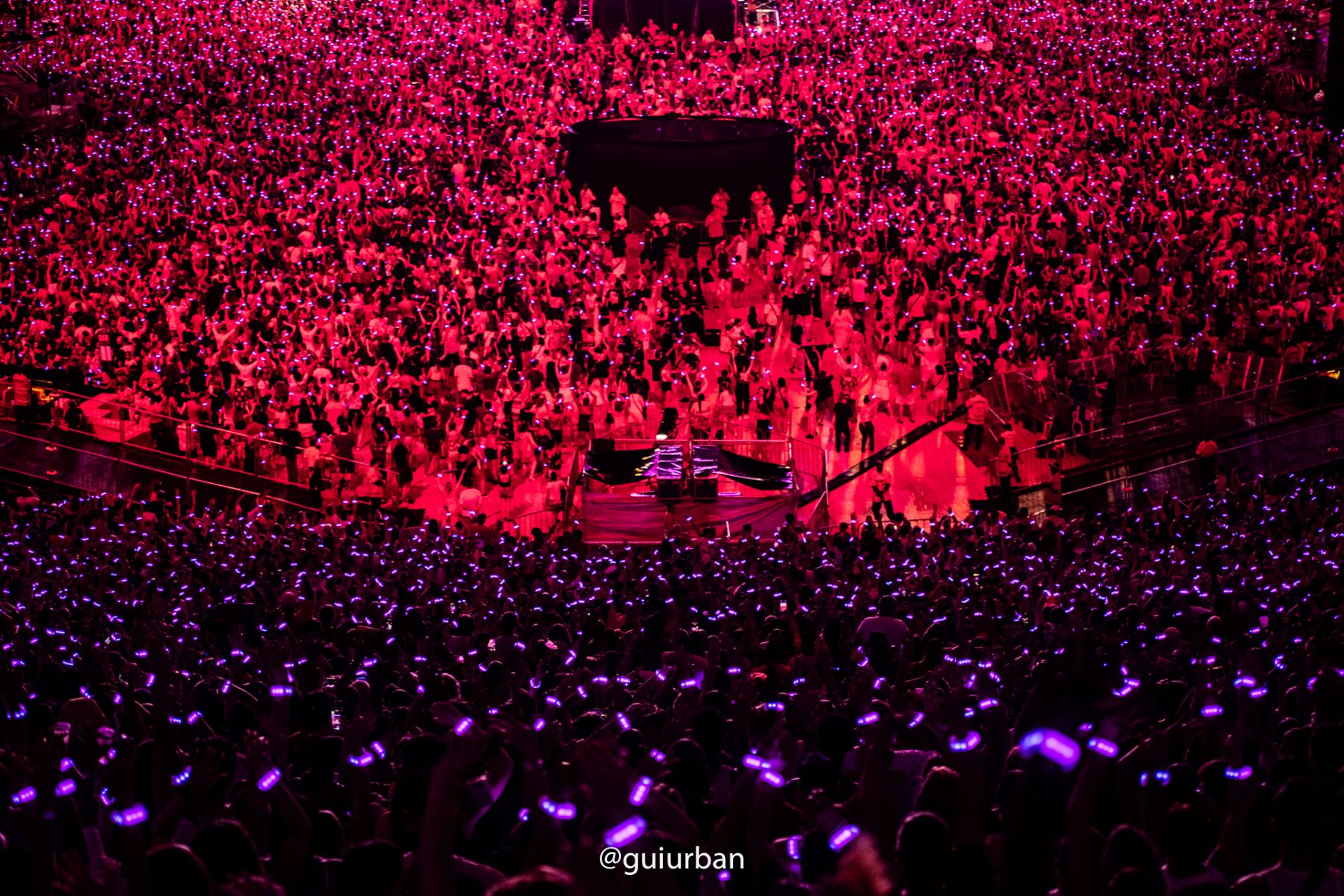
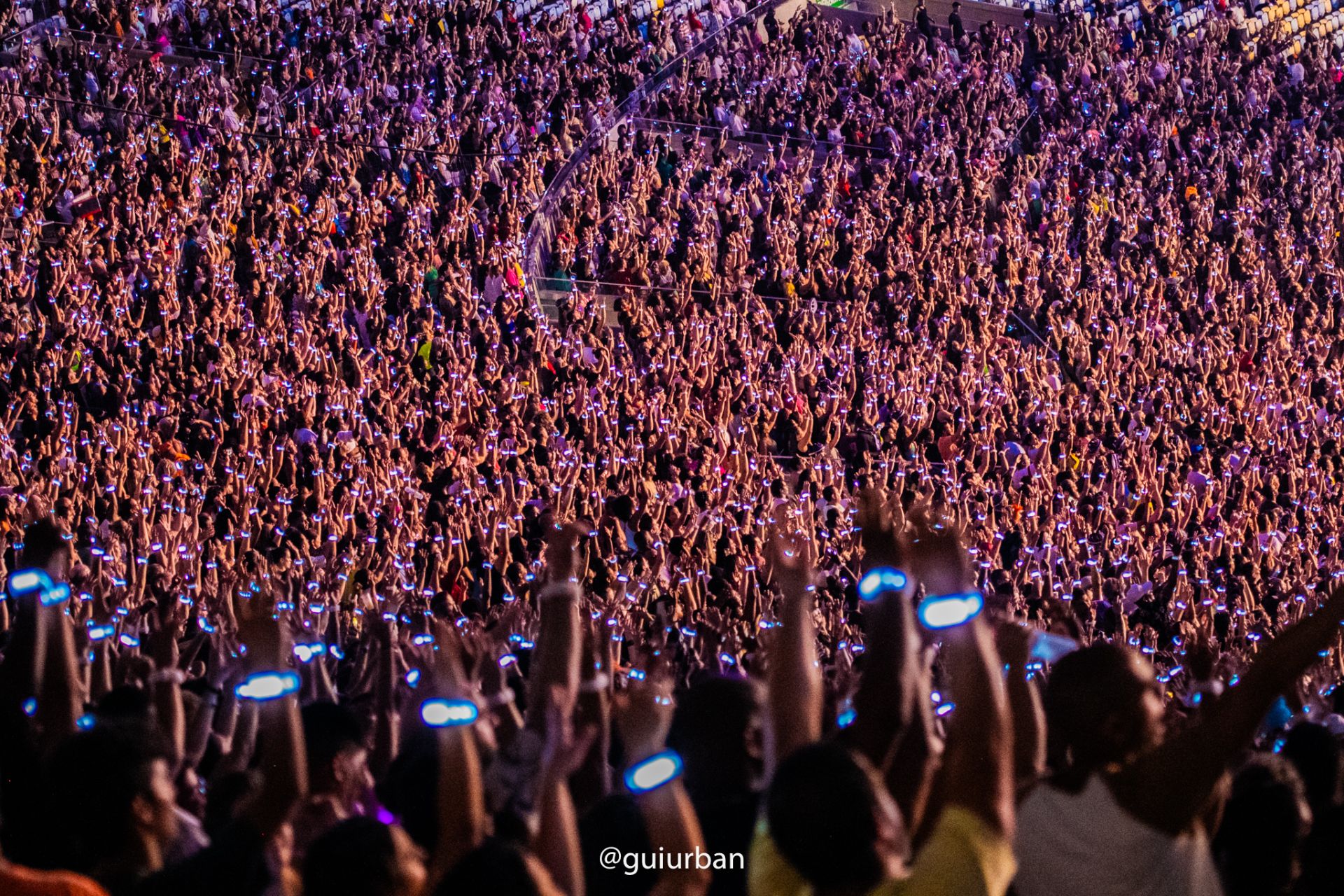
When executed correctly, an illuminated audience ceases to be a passive backdrop and becomes an active, visual component of the show. By integrating wearable LED technology like Xylobands or LED Lanyards into the production, lighting designers gain a powerful new tool: the ability to paint with people.
Imagine a game show where the audience pulses with colour to build tension, or a live music performance where ripples of light sync perfectly with the rhythm. For shows like The Masked Singer or the Eurovision Song Contest, where spectacle is paramount, these moments are invaluable. They transform the static studio environment into a dynamic, responsive canvas.
This approach offers several key advantages for broadcast:
- Scale and Depth: A lit audience adds immense visual depth to wide shots, making the studio or arena feel larger and more vibrant.
- Narrative Reinforcement: Light can be used to underscore key moments—a contestant’s victory, a dramatic reveal, or the crescendo of a song—creating a more cohesive and emotionally resonant story for the home viewer.
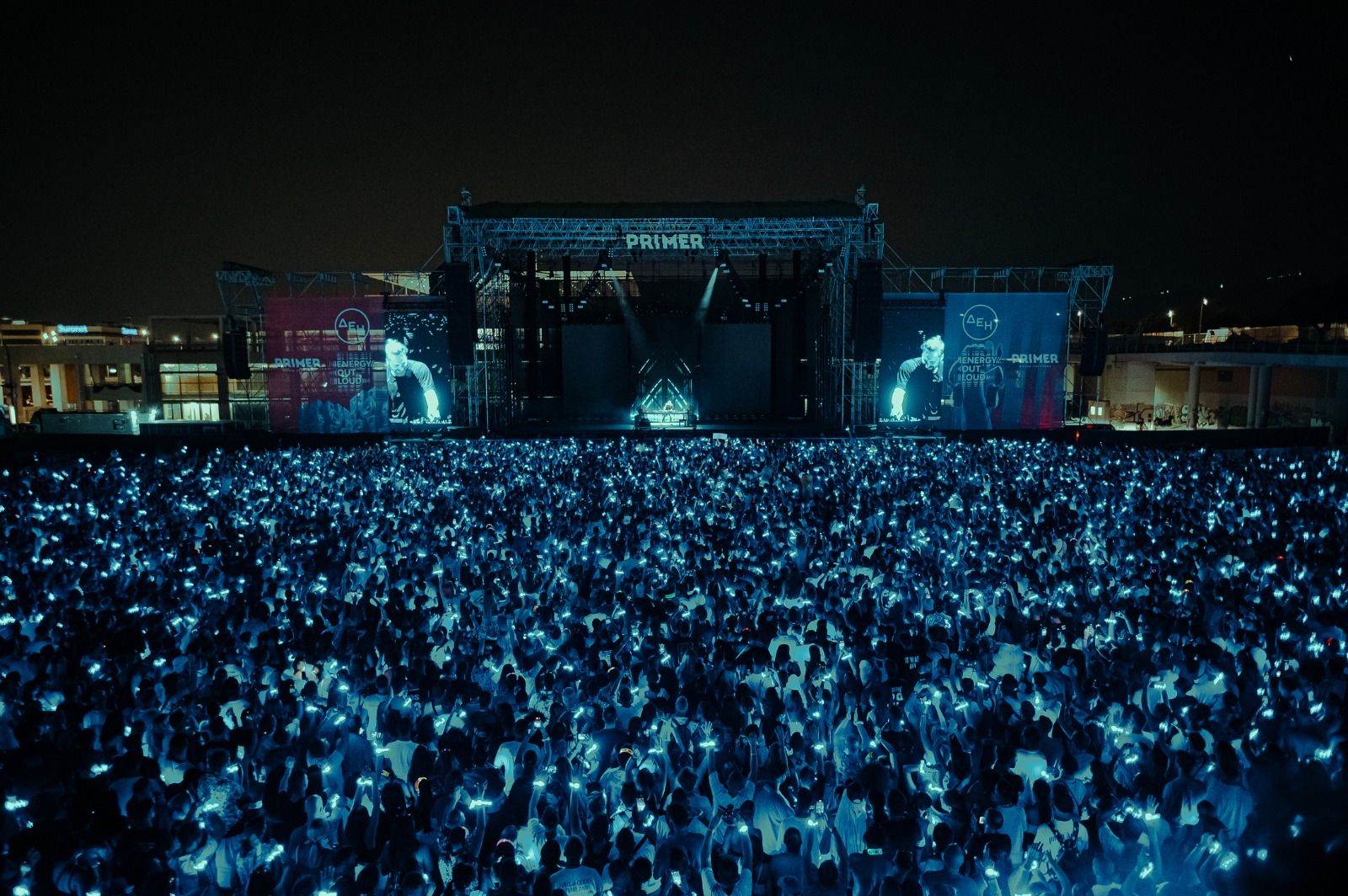
- Seamless Integration: Unlike bulky set pieces, LED wearables are integrated directly into the audience, creating a seamless visual that feels organic to the event. For the live stream of Maluma’s historic Medellín concert, this allowed the energy of the 54,000-strong crowd to be broadcast to over 240 countries.
Beyond the Glow: Control and Creative Execution
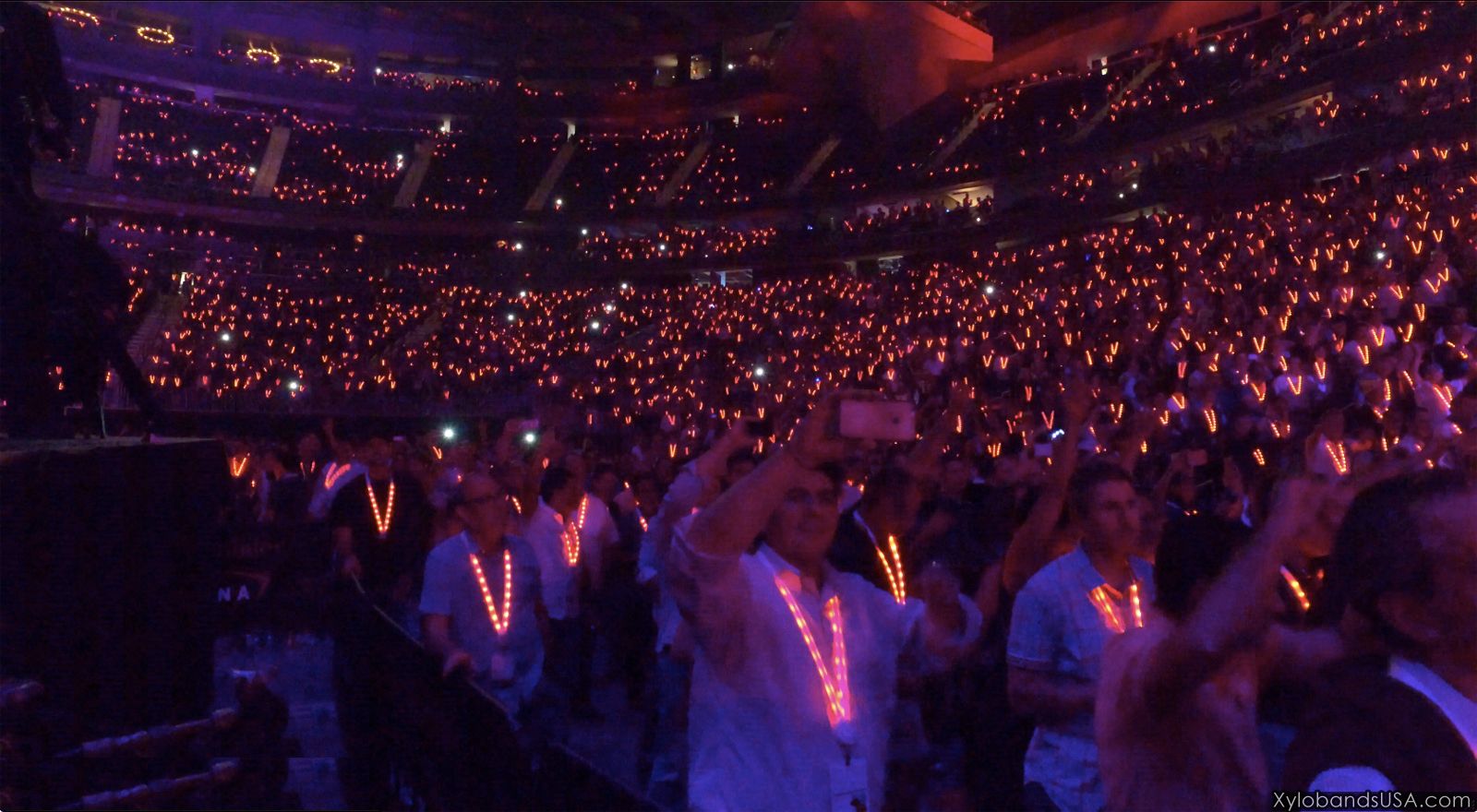
The magic of these LED crowd experiences lies not just in the light itself, but in the precision of its control. Modern systems, powered by robust RF or DMX protocols, allow for granular control over every individual unit. This means a lighting director can segment the audience into different colour groups, create complex patterns, and trigger effects with split-second timing. For the F1 75th Anniversary, our team pre-positioned custom Xylo Pendants around The O2 Arena to create specific, branded effects for each Formula One team, ensuring the creative vision translated perfectly to the live broadcast.
This level of control is what separates a professional broadcast execution from a simple novelty. It allows the technology to become an instrument, played in harmony with the cameras, the music, and the on-stage action. It’s a subtle but powerful shift, transforming the audience from spectators into participants in the visual narrative.
The Final Frame: A Unified Experience
Ultimately, the goal of any live broadcast is to make the viewer at home feel like they are right there in the room. By mastering the technical nuances of camera-friendly lighting and creatively deploying immersive event technology, producers can bridge the gap between the live and broadcast audiences. They can create a unified experience where the energy is authentic, the visuals are stunning, and the story resonates with everyone, no matter which side of the screen they are on.