The Unseen Ballet: Mastering Global Logistics for Live Events

The Unseen Ballet: Mastering Global Logistics for Live Events
For the audience, the magic begins when the house lights dim. For the artist, it’s the roar of the crowd. But for the production manager, the tour director, and the army of technicians behind the scenes, the show began months, sometimes years, earlier. It began with a single line on a spreadsheet: a city, a date, a venue. From that point forward, a cascade of impossibly complex, interlocking logistical challenges is set in motion. This is the unseen ballet of global touring—a high-stakes world of freight, customs, and military-grade coordination where the slightest misstep can bring a multimillion-dollar production to a grinding halt.
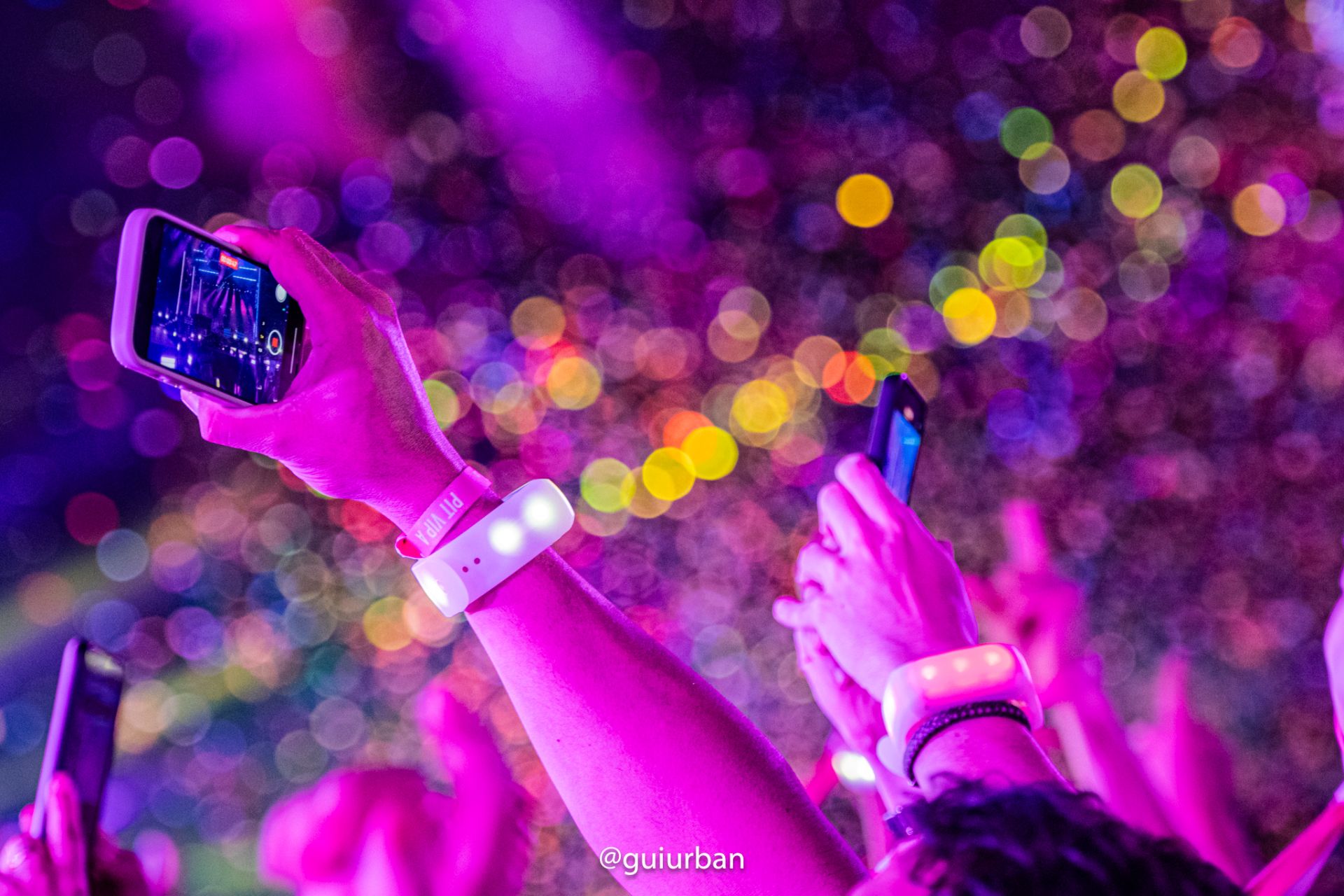
At its core, a global tour or a multi-national corporate roadshow is a mobile miracle. It’s a travelling city of steel, light, and sound, disassembled and reassembled with breathtaking speed and precision. While the band’s private jet gets the headlines, the real story lies in the belly of cargo planes and the tight pack of shipping containers crossing oceans. Every single piece of equipment, from the main speaker arrays down to the last custom LED wristband, must arrive at the right place, at the right time, in perfect condition. No exceptions.
The Atlas of Operations: More Than Just a Map
The master tour book is the bible. It contains more than just dates and venues; it’s a comprehensive atlas of global operations. It details freight forwarders, customs brokers, cargo flight schedules, and ground transport contacts for every stop on the tour. It accounts for national holidays, port congestion, local labour laws, and the specific electrical power requirements of a dozen different countries.
Consider the logistical gymnastics required for an artist like Maluma, whose 2022 hometown show in Medellín was streamed to over 240 countries, or for a major festival series like Primer in Greece. The technology required to create today’s premier LED crowd experiences—lighting consoles, servers, radio transmitters, and thousands of Xylobands—doesn’t just magically appear. It is painstakingly catalogued, packed into custom-built road cases, and shipped across borders. This is where experience is non-negotiable.
Every piece of gear is an ambassador. It represents the tour, the brand, the artist. When it arrives at a foreign customs desk, its documentation must be flawless. The ATA Carnet—the passport for goods—becomes the most important document in the entire production.
Navigating the Labyrinth: Customs and Carnets
For the uninitiated, international customs is a bureaucratic labyrinth designed to frustrate. For the seasoned production professional, it is a predictable series of gates to be unlocked with the right keys. The ATA Carnet is one such key, a unified customs document that allows for the temporary importation of goods without duties or taxes. A single error in the manifest—a miscategorized item, an incorrect serial number, a valuation discrepancy—can lead to delays measured in days, not hours. When your entire production schedule is timed to the minute, a customs hold is a potential catastrophe.
This is why trusted partners are paramount. At Xylobands, our deployment teams are veterans of this process. We’ve managed shipments of radio controlled LED wristbands and LED lanyards to over 70 countries, from the O2 Arena in London for Formula One’s 75th anniversary to massive festivals and corporate events worldwide. We understand that a box of LED wearables isn’t just merchandise; it’s a critical piece of show technology. Its timely arrival is as crucial as the headliner’s microphone.
The Final Mile: From Tarmac to Tech Booth
Successfully clearing customs is only half the battle. The "final mile"—the journey from the airport tarmac or shipping port to the venue’s loading bay—is fraught with its own unique challenges. It involves coordinating local trucking, navigating city-specific traffic restrictions, and ensuring the venue is ready to receive the shipment. A Super Bowl halftime show or a headline slot at Glastonbury involves a near-constant flow of trucks, each with a designated arrival window and a specific unloading order choreographed with military precision.
The equipment for the opening act’s concert wristbands might need to be in place while the main stage is still being assembled. The control technology for broadcast-specific lighting, like that used in shows such as Beat The Chasers UK, must be integrated and tested hours before cameras go live. This meticulous planning ensures that by the time doors open, the complex web of logistics has faded into the background, leaving only the seamless, immersive event technology for the audience to experience.
Ultimately, global logistics is the invisible scaffolding that holds up the spectacle. It’s a discipline that demands foresight, precision, and an almost obsessive attention to detail. It’s the quiet confidence of knowing that when an artist on stage cues the lights, an entire stadium will ignite in perfect sync, because months before, a team of unseen experts flawlessly executed a plan half a world away. It’s the silent, foundational work that makes the magic of immersive events possible.