The Double Audience: Mastering Light for the Lens and the Live Crowd
The Challenge of the Double Audience
A live television broadcast is a high-wire act of technical precision. For event producers and lighting designers, the challenge is doubled: create a breathtaking spectacle for the people in the room, and a flawless, compelling narrative for the millions watching at home. This is the art of lighting for the double audience, a discipline where the physics of light meets the psychology of broadcast entertainment.
Unlike a standard concert or corporate event, a live broadcast introduces a new, unforgiving critic: the camera. What might look like a vibrant, atmospheric wash of color to the naked eye can translate into a muddy, over-saturated mess on screen. A subtle, moody effect in the room might disappear entirely, while a burst of strobe can cause unwanted flaring or banding on camera sensors. The stakes are immense, with no room for error. Major broadcast networks like ITV and global phenomena like the Eurovision Song Contest build their reputations on delivering seamless, high-production-value experiences that captivate both their studio audiences and the viewers at home.
The Camera’s Eye: A Different Kind of Physics
To master lighting for broadcast, one must first understand the fundamental differences between the human eye and the camera sensor. Our eyes have an incredible dynamic range, allowing us to perceive detail in both deep shadows and bright highlights simultaneously. Cameras, while increasingly sophisticated, still have limitations.
Key Technical Considerations:
- Color Temperature & Rendering: Cameras require a consistent color temperature to reproduce colors accurately. A mix of different light sources can confuse sensors, leading to unnatural skin tones and skewed palettes. Professional LED fixtures, including wearable LED technology, must be calibrated for a consistent, broadcast-quality output.
- Flicker Rate: Many LED sources have an imperceptible flicker that can become a distracting strobing effect on camera, especially during slow-motion replays. High-quality lighting systems are engineered to be flicker-free at the frame rates used in professional broadcasting.
- Intensity and Contrast: What feels energetic in an arena can be blinding on camera. Lighting directors must carefully manage the intensity of key lights, fills, and atmospheric effects to create depth and dimension without blowing out highlights or crushing blacks. The goal is not just to illuminate, but to sculpt.
Painting with People: The Role of Audience Lighting
In modern broadcasting, the audience is no longer a passive observer; they are part of the set. Shows like Beat The Chasers UK and The Masked Singer integrate the crowd directly into the visual spectacle. This is where LED crowd experiences become a critical tool for broadcast designers.
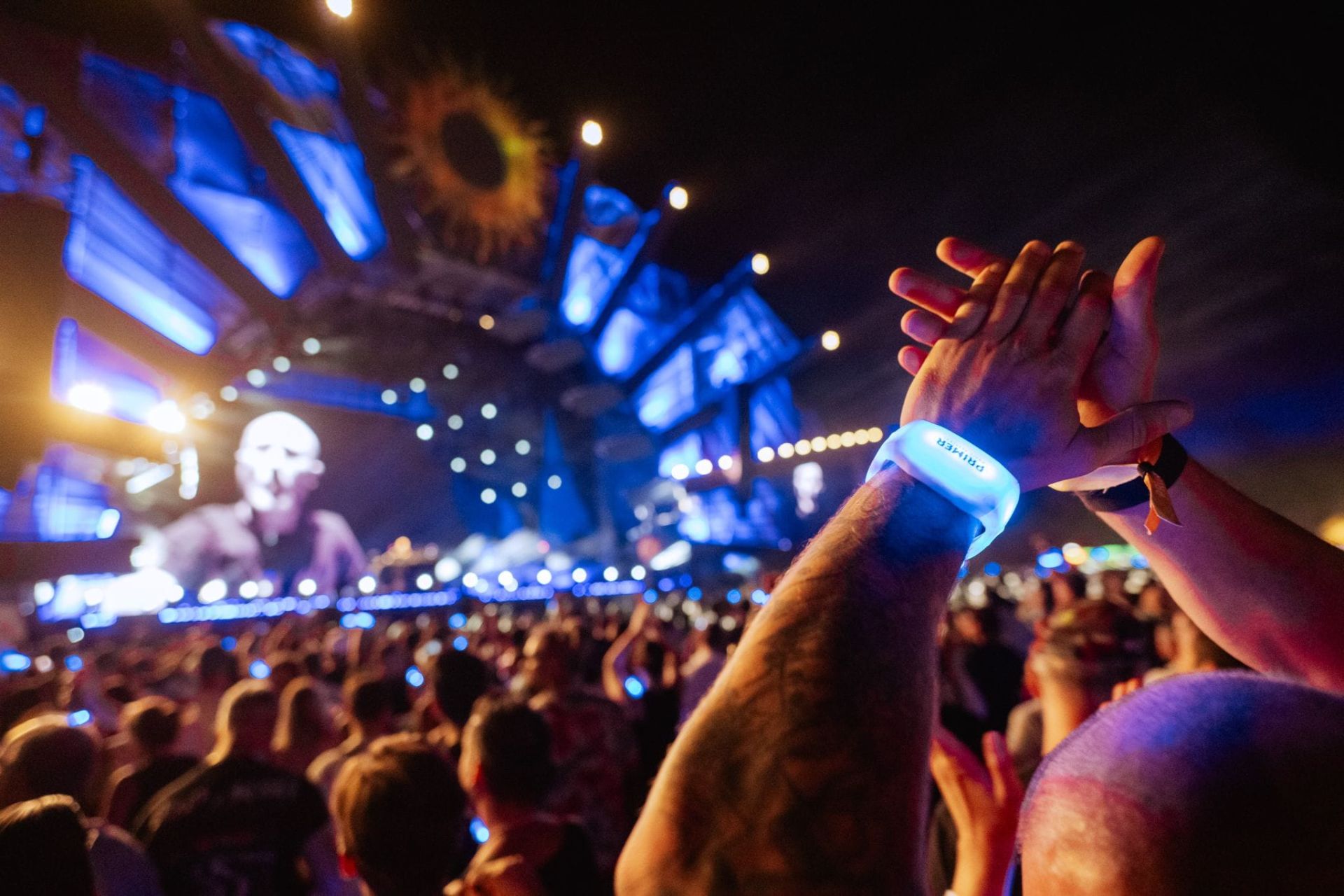
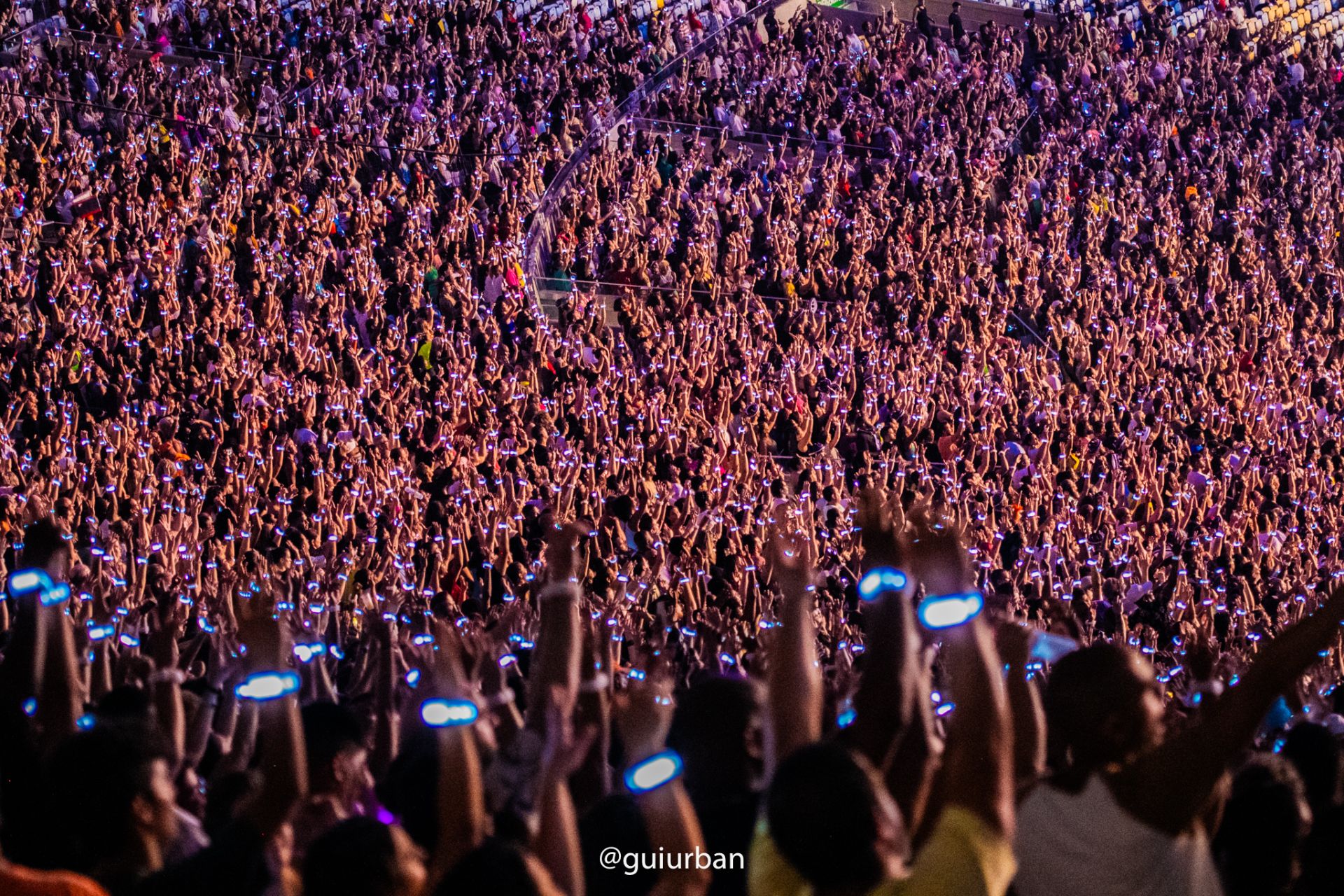
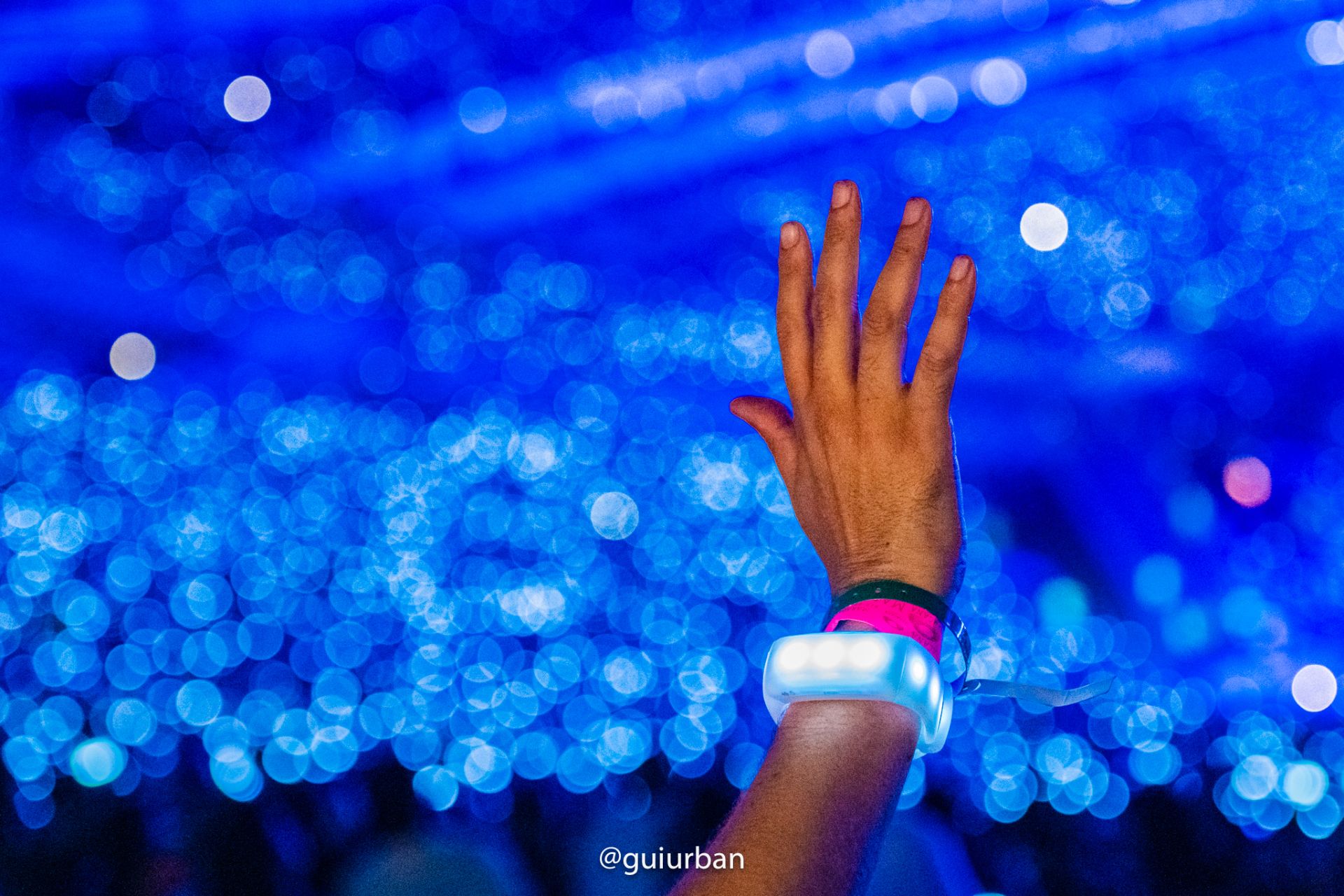
By equipping the audience with radio-controlled LED wristbands or other LED wearables, producers gain thousands of new, controllable points of light. This “human canvas” offers unparalleled creative possibilities:
- Creating Depth and Scale: For a wide-angle camera shot, an illuminated crowd provides a glittering backdrop that establishes the scale of the event. It transforms a dark auditorium into a living, breathing environment that feels vast and full of energy.
- Directing Viewer Attention: Light is a powerful tool for focus. During a game show, wristbands can flash green for a correct answer or red for a wrong one, instantly communicating the result to the home audience. In a live music performance, they can pulse in time with the beat, unifying the on-screen visuals with the rhythm of the song.
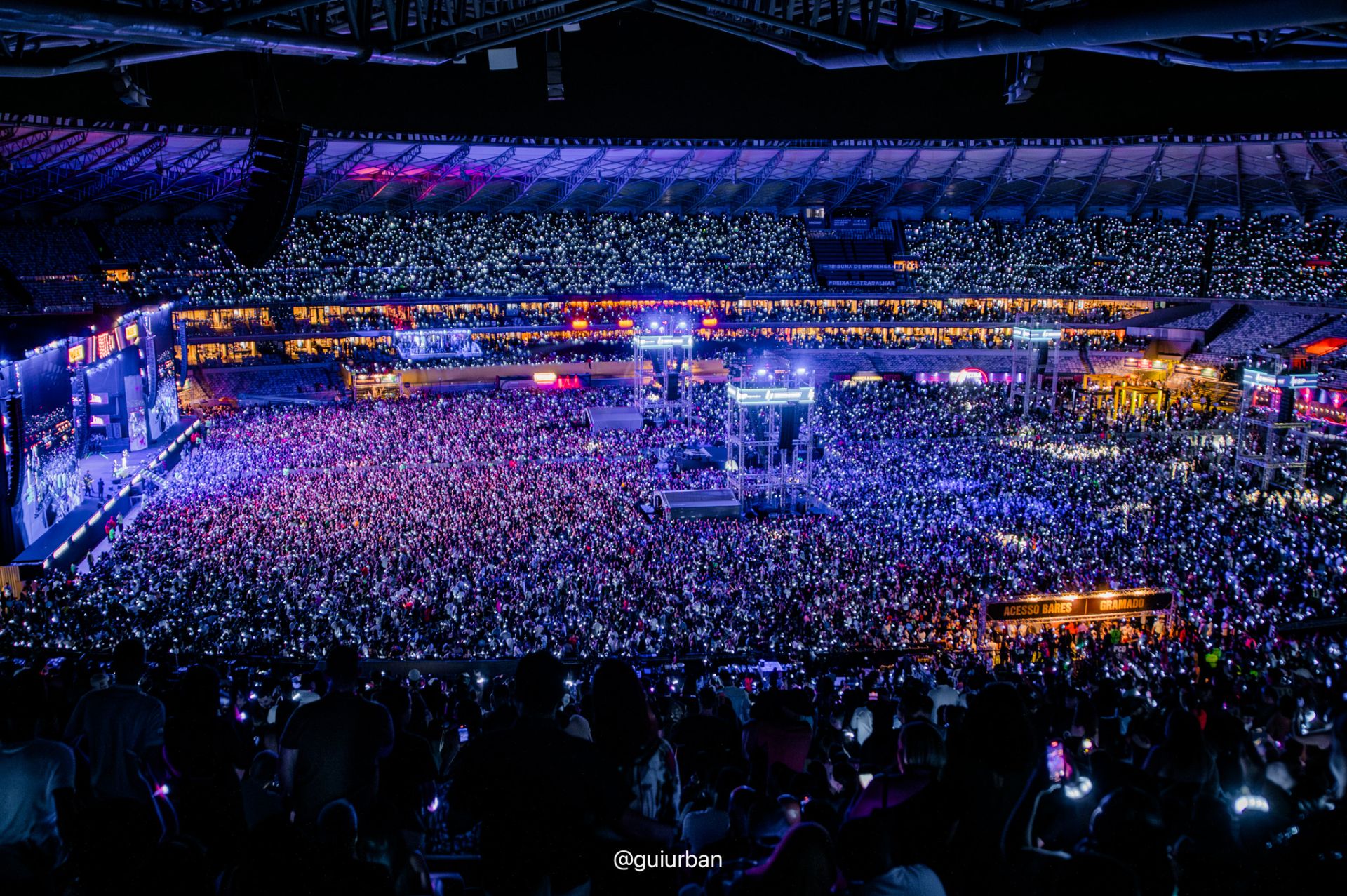
- Enhancing the Narrative: Light tells a story. For the globally streamed Maluma concert in Medellín, which featured a guest appearance by Madonna, synchronized wristbands helped envelop a stadium of 54,000 people—and countless more at home—in a unified visual spectacle, amplifying the monumental nature of the event.
“When you introduce controlled light into the crowd, you’re not just lighting people; you’re lighting the air itself. You’re creating texture and volume that gives a broadcast director an entirely new dimension to play with.”
Engineered for Broadcast: The Xylobands Advantage
From our earliest work with Coldplay on the Mylo Xyloto Tour to recent large-scale broadcasts like the Formula One 75th Anniversary event, Xylobands has always engineered its technology with the camera in mind. Our systems are built to meet the zero-failure standard demanded by live television.
Our LED bands and other wearables are designed for broadcast-readiness. We use high-quality LEDs with stable color rendering and flicker-free operation, ensuring they look as good on a 4K television as they do in person. Our powerful control software allows for precise, real-time choreography, enabling lighting designers to sync tens of thousands of individual lights with stage lighting, video content, and music.
This was demonstrated at the F1 75 event, a live broadcast featuring Take That and MGK. Custom LED lanyards were distributed to the audience, with different branding and programming based on seating sections. This allowed the creative team to execute complex, dynamic effects that rippled across the arena, creating a truly immersive event technology showcase that was purpose-built for the camera.
The Future of the Live Broadcast
The line between a live event and a broadcast production has dissolved. Today, every major concert, awards show, and sporting event is a potential global broadcast. For producers and designers, this means the double audience is now the standard audience. Success requires a deep understanding of both the art of live spectacle and the science of broadcast technology.
By embracing technologies that allow the crowd to become part of the canvas, we can create experiences that are emotionally resonant for those in the room and visually stunning for those watching from afar. The light no longer just shines on the stage; it emanates from the very heart of the audience, creating a unified spectacle for everyone, no matter where they are watching.