The Shared Spectrum: A New Standard for Inclusive Live Events
The Unspoken Contract of the Live Experience
At its core, a live event is a promise. It’s an unspoken contract between the artist on stage and the thousands of souls in the crowd: for the next two hours, we are one. We will share a single, unrepeatable experience. This promise, however, has historically come with unspoken conditions. It has assumed a certain type of audience member—one who can stand for hours, navigate dense crowds with ease, and process a full-throttle sensory assault of light and sound without issue. But what about everyone else?
The conversation around accessibility in live entertainment is shifting, moving beyond the bare minimum of ramps and designated seating areas. The new frontier is inclusive design—a holistic approach that considers the entire spectrum of human experience from the very first spark of an event concept. It’s about creating environments where every single person, regardless of their physical, sensory, or neurological makeup, feels not just accommodated, but truly and intentionally welcomed.
For event producers, tour managers, and brand marketers, this isn’t just a moral imperative; it’s a creative and commercial one. An event that successfully designs for inclusivity unlocks a deeper, more profound level of audience engagement. It says, "You belong here." And in the experience economy, that sense of belonging is the ultimate currency.
From Physical Access to Sensory Inclusion
For decades, accessibility checklists have focused primarily on mobility. While this is a critical foundation, true inclusivity demands a broader perspective. The sensory experience of a modern live event—a dazzling, high-decibel, immersive spectacle—can be overwhelming or exclusionary for many.
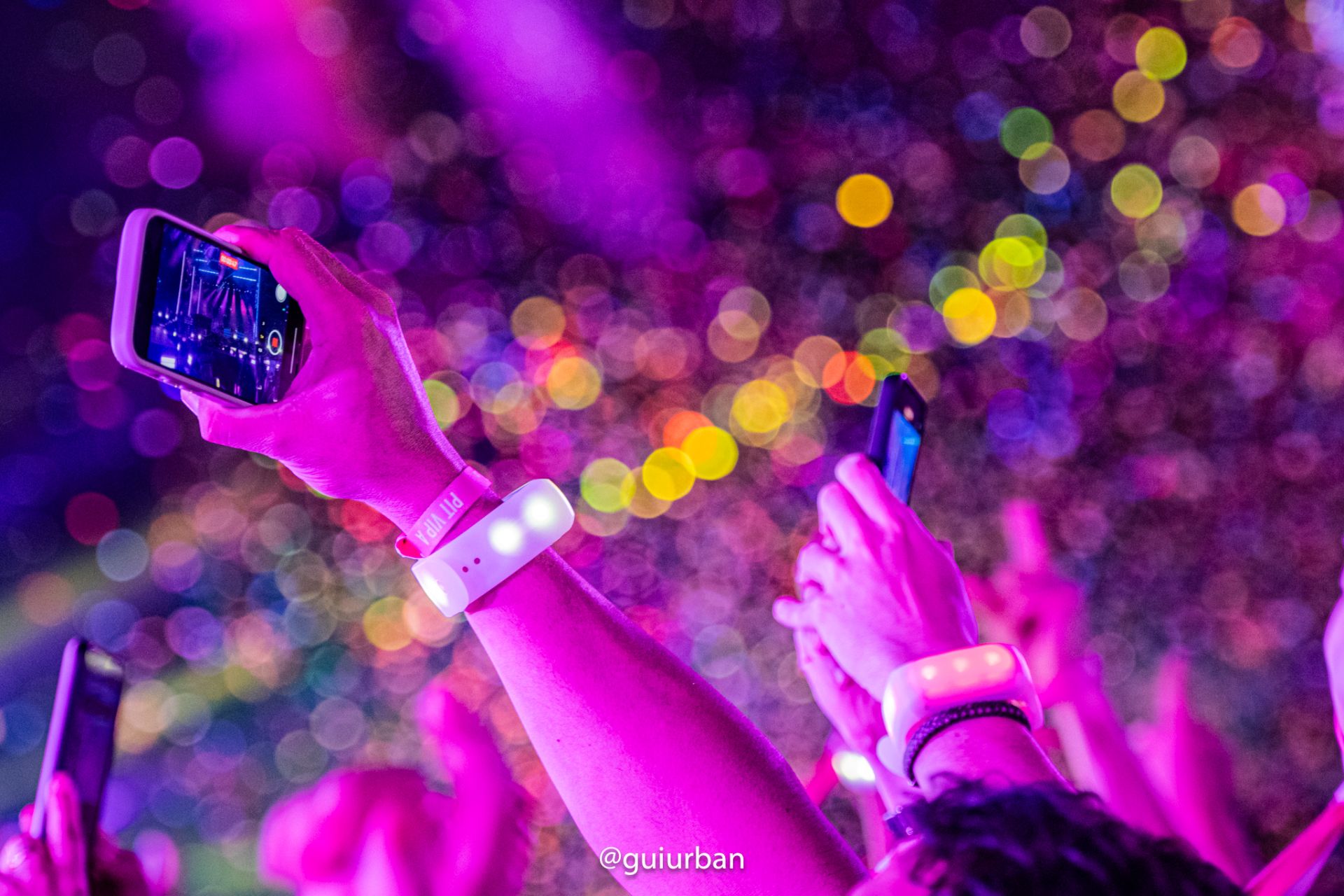
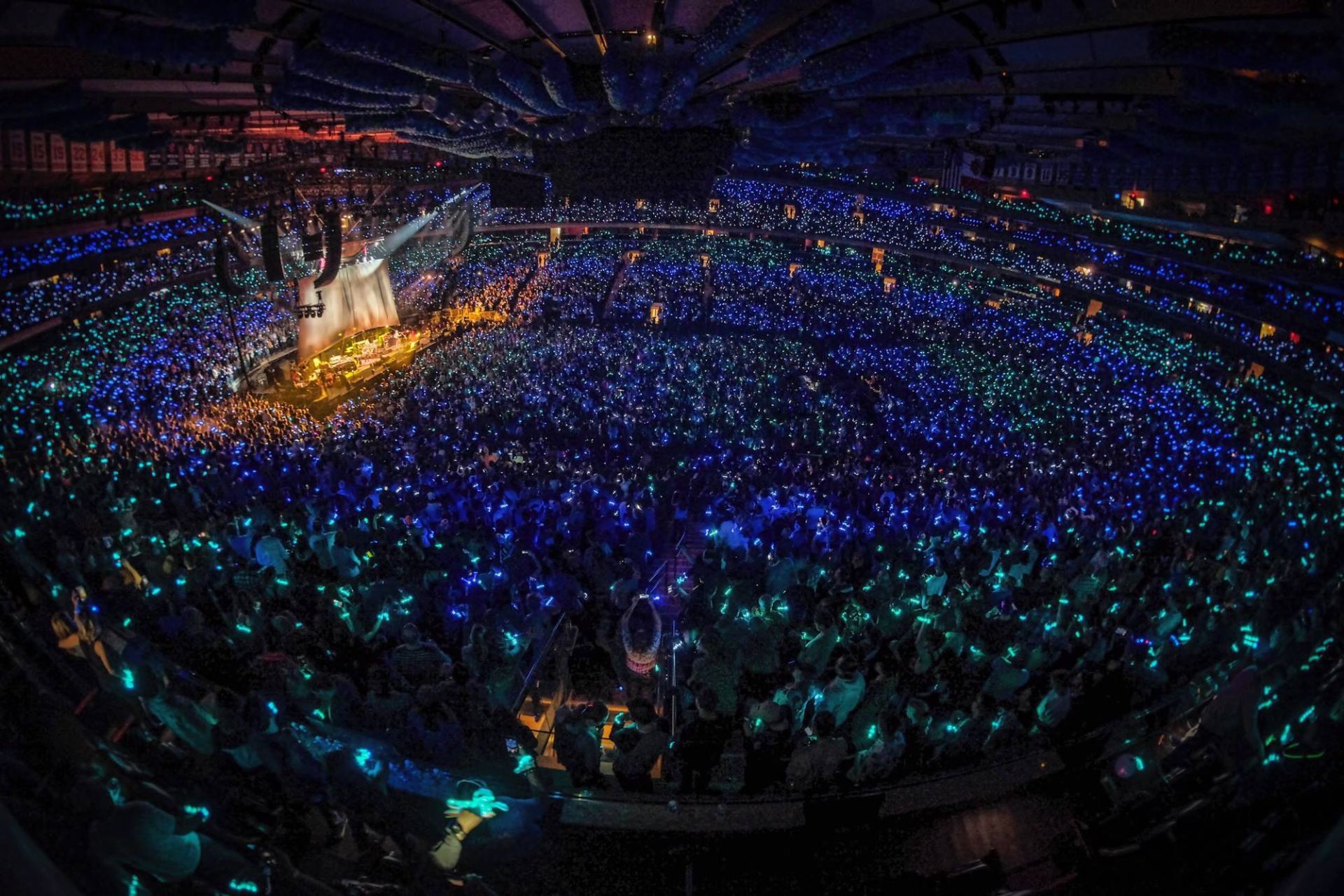
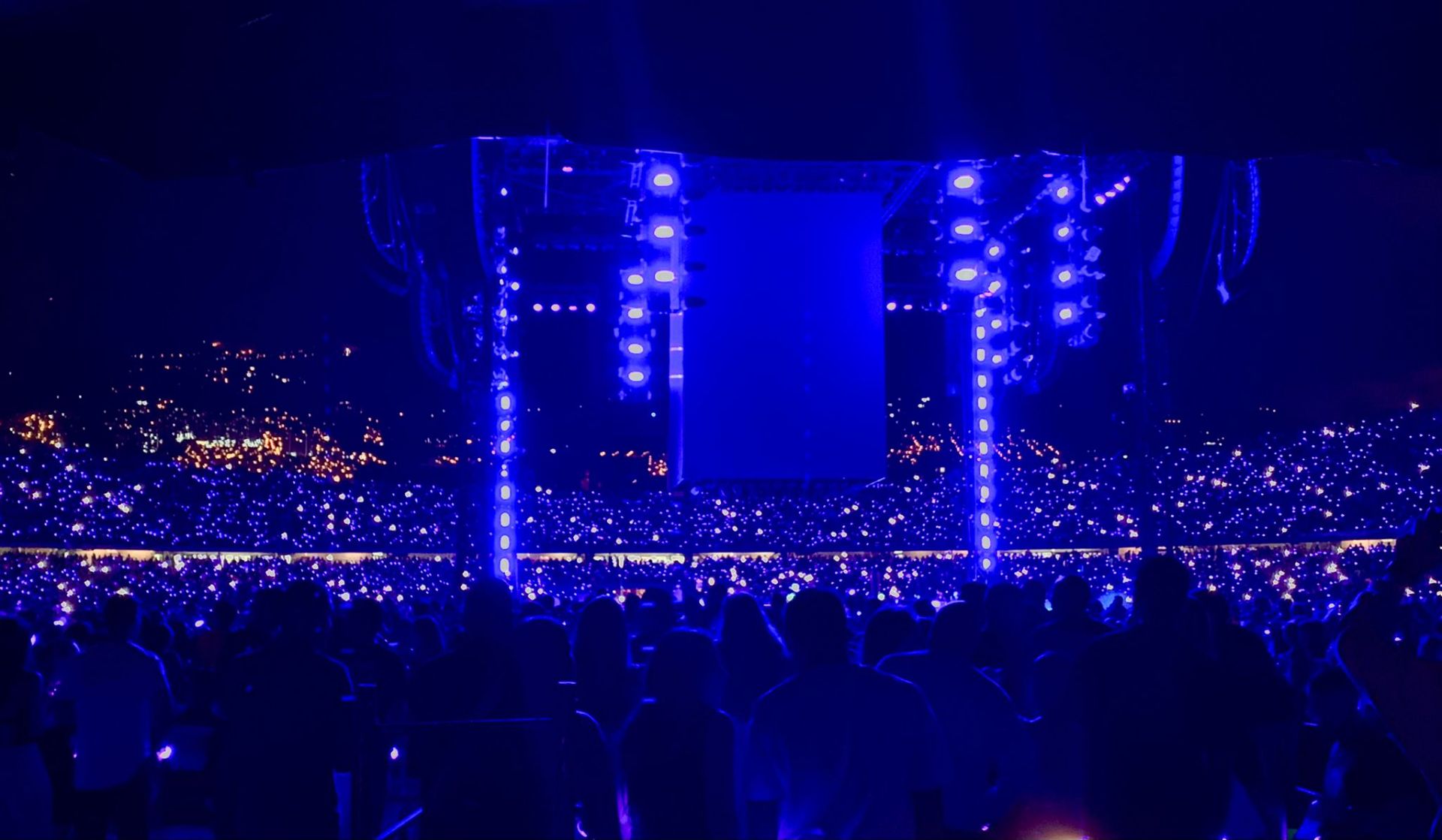
Consider the rise of Immersive Event Technology. We, as an industry, have become masters of crafting powerful, multi-sensory moments. We can make 50,000 LED wristbands pulse in perfect sync with a drum fill, as seen with artists like Wizkid at the O2 or during Maluma’s historic homecoming show in Medellín. We can turn an entire stadium into a single, breathing canvas of light. But with this power comes a profound responsibility to manage the intensity and nature of that sensory input.
Inclusive design asks us to consider:
- Sensory-Friendly Zones: Creating designated quiet areas where attendees with sensory sensitivities (such as those on the autism spectrum) can decompress without having to leave the venue entirely.
- Haptic Feedback: Exploring how technology can translate auditory cues into physical sensations. For deaf or hard-of-hearing audience members, a wristband that vibrates in time with the bassline isn’t a gimmick; it’s a new channel for experiencing the music.
- Visual Language: Ensuring that crucial information is conveyed visually as well as audibly. This extends from emergency protocols to the creative content of the show itself.
The Unifying Power of Light
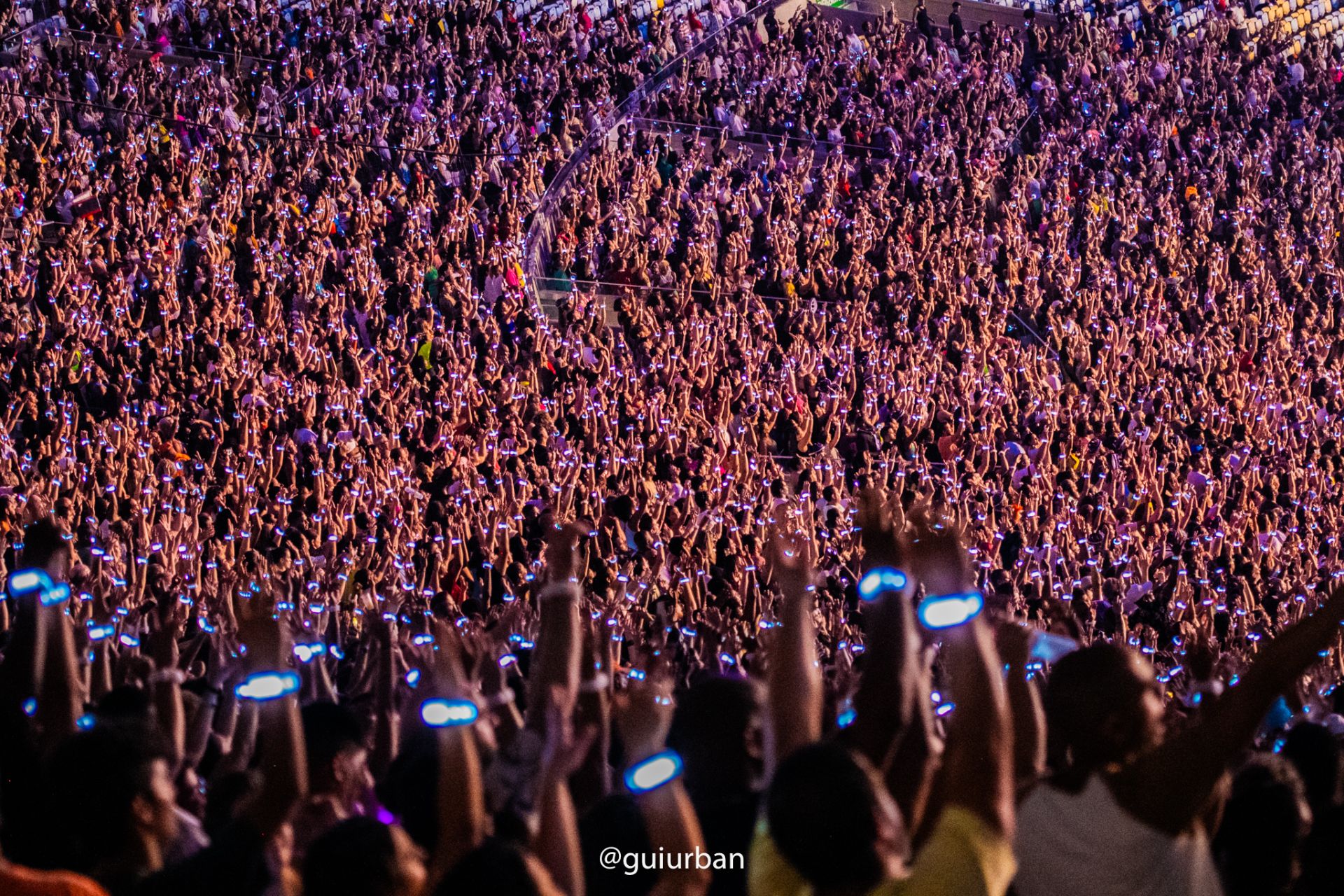
This is where technology like Xylobands transitions from a special effect to a powerful tool for inclusion. The visual language of light is universal. It transcends hearing, language, and even cultural barriers. When an entire audience is illuminated, each person becomes a vital part of the spectacle. It’s a powerful equalizer.
At major international events like the Davis Cup or the Formula One 75th Anniversary celebration, where global audiences converge, light becomes the common tongue. It doesn’t matter what language you speak; you understand the collective gasp when 13,000 LED Lanyards suddenly plunge the arena into blue, or the shared thrill when they explode in a cascade of gold for the winning moment. It’s a shared, non-verbal dialogue.
This principle was born from a moment of pure empathy. When our founder, Jason Regler, envisioned the first Xyloband during Coldplay’s Glastonbury set, it was about creating a visual representation of a shared feeling—the line “Lights will guide you home” made manifest. That founding idea remains our north star. Our radio controlled LED wristbands are designed not just to create a show, but to foster connection, turning a crowd of strangers into a unified community, if only for a night.
Beyond the Venue: A Culture of Consideration
True inclusivity is an end-to-end philosophy. It begins long before the doors open and extends well after the last note fades.
In marketing and communication:
- Are we providing clear, detailed information about the accessibility features of the venue and the show itself?
- Are our websites and ticketing platforms accessible to users with disabilities?
- Do our promotional materials represent the diverse audience we hope to attract?
In staffing and operations:
- Is our event staff trained to interact with attendees with a wide range of needs respectfully and effectively?
- Have we consulted with accessibility experts and, most importantly, with people with disabilities in our planning process?
“The goal is to create an environment where assistance is available, but independence is maximized. It’s the difference between retrofitting a solution and designing with empathy from the ground up.”
The Future is a Shared Experience
The live events industry is at an inflection point. The technology at our disposal—from wearable LED technology to advanced crowd analytics—gives us an unprecedented ability to customize and control the event environment. We can now choose to use that power to build bigger, louder, more intense experiences, or we can use it to build richer, more connected, and more inclusive ones.
The latter is not a compromise; it is an evolution. By embracing inclusive design, we aren’t dulling the experience for the majority; we are unlocking a more profound, more universally resonant experience for everyone. We are expanding our audience, deepening engagement, and fulfilling the original, unspoken promise of the live event: that for this moment in time, we are all truly in this together. The brands, artists, and producers who champion this new standard will not only be on the right side of history—they will be the architects of the most memorable and meaningful LED crowd experiences the world has ever seen.