The Frame and the Fire: How Neurodiversity Sparks Creative Advantage
The Frame and the Fire: How Neurodiversity Sparks Creative Advantage
In the worlds of business and live production, success is often defined by rigid metrics: efficiency, precision, and adherence to linear processes. We build careers on Gantt charts, run-of-show schedules, and flawless execution. From this perspective, a neurological condition like dyslexia—characterised by challenges in reading, writing, and sequential processing—can seem like a significant disadvantage. But this view fundamentally misunderstands the nature of innovation. What if the very mental frameworks that challenge conformity are the ones that spark the most profound creative leaps?
This isn't a hypothetical question. A growing body of research and a long history of entrepreneurial success stories reveal that neurodiversity, particularly dyslexic thinking, is one of the most powerful, if unrecognised, engines of creative advantage in business. It’s a force that has shaped countless industries, including the world of immersive event technology.
Seeing the Bigger Picture: The Strategic Advantage of Dyslexic Thinking
Dyslexic brains are wired differently. While they may find it challenging to process information in a step-by-step, linear fashion, they often excel at making surprising connections between disparate ideas, visualising complex systems, and thinking in dynamic, three-dimensional ways. This is not a bug; it's a feature. It’s the ability to see the whole puzzle, not just the individual pieces.
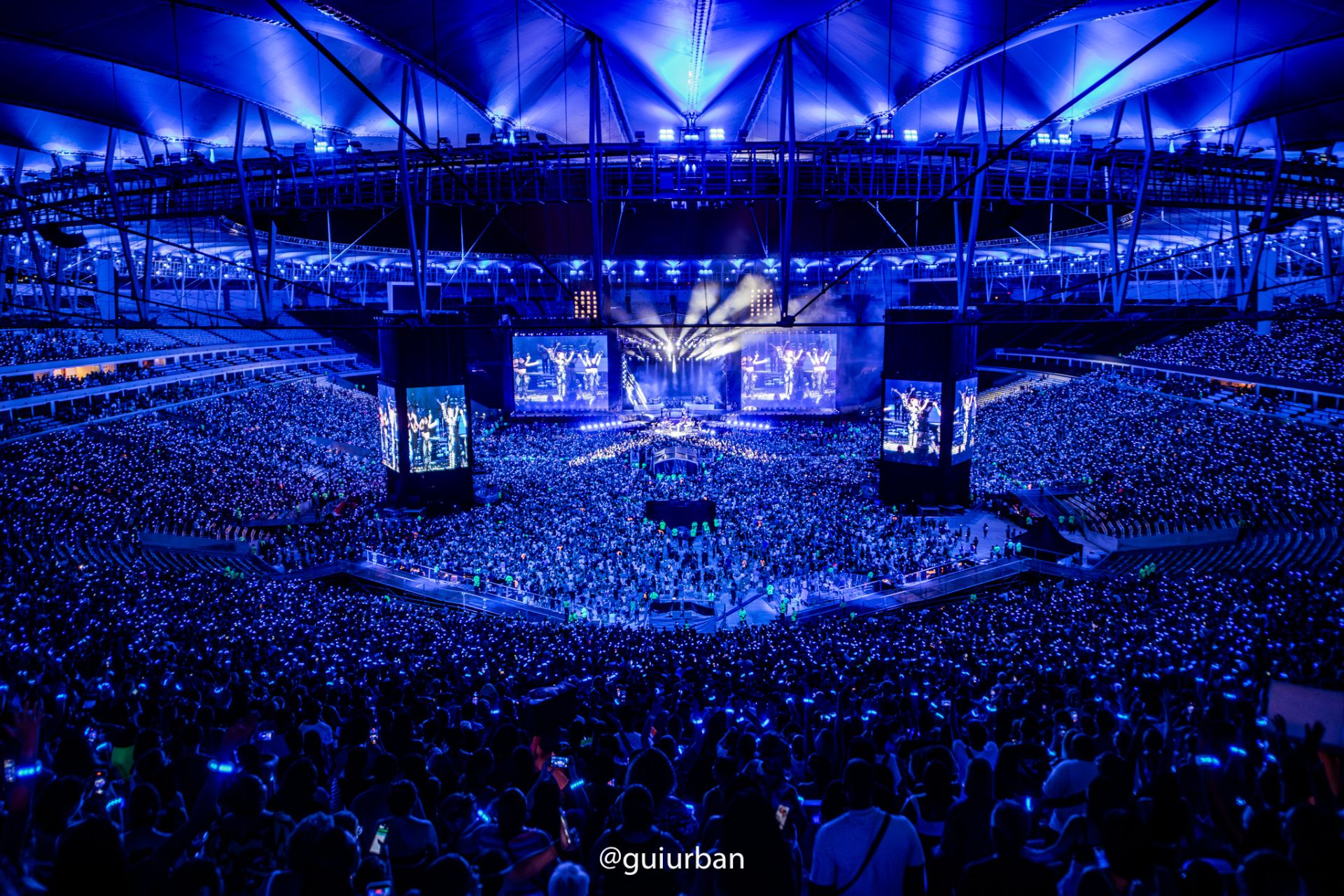
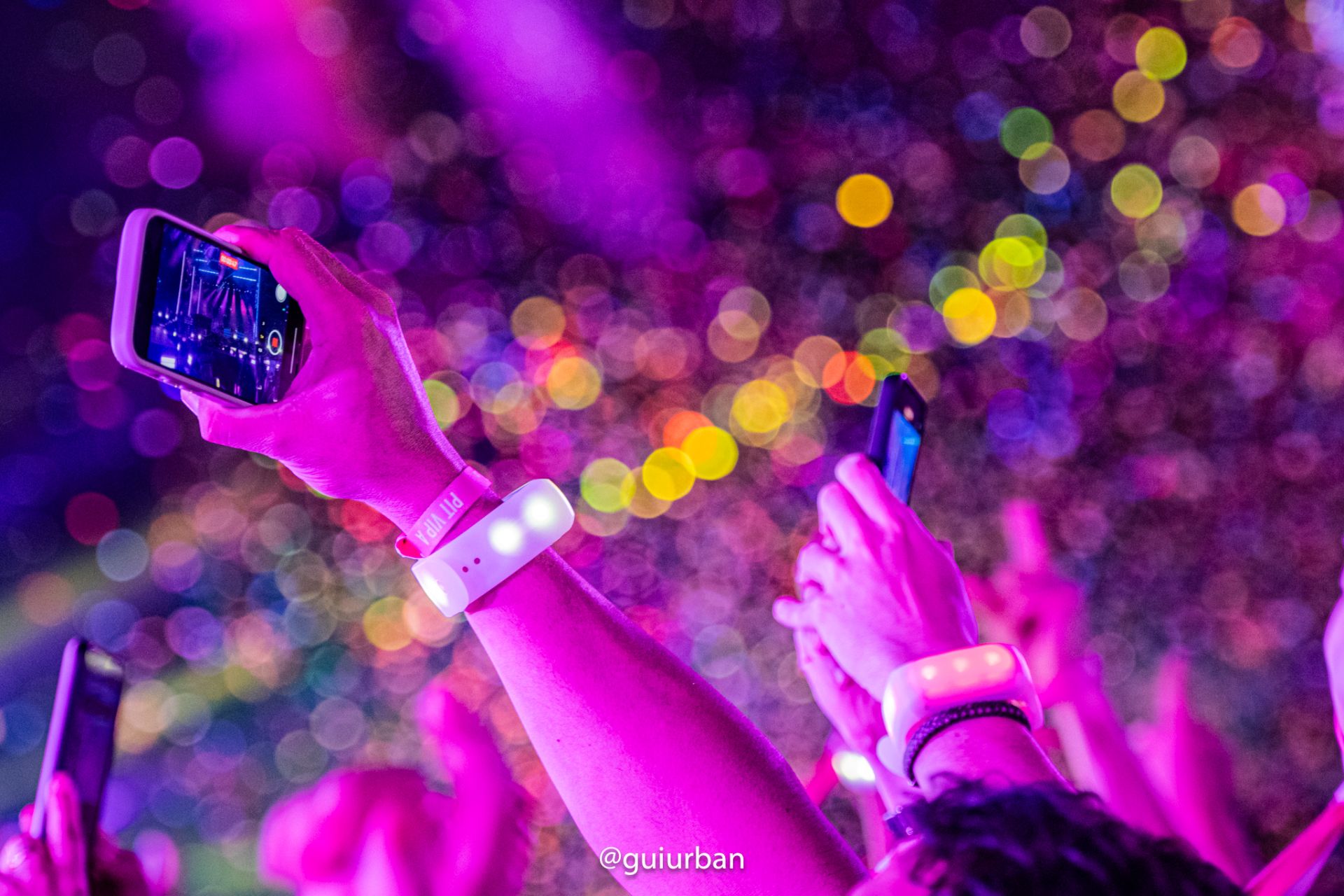
"Lights will guide you home…" For our founder, Jason Regler, watching Coldplay perform at Glastonbury wasn't just a powerful moment; it was the catalyst for a world-changing idea. Where others saw a crowd, he envisioned a canvas. This ability to connect an emotional lyric to a technological possibility is a hallmark of dyslexic thinking—a non-linear leap from feeling to function. The result was the invention of Xylobands, turning every audience member into a pixel in a unified, moving spectacle.
This big-picture, interconnected thinking translates directly into business strengths:
- Problem-Solving: Instead of getting bogged down in the minutiae of a problem, dyslexic thinkers often "zoom out" to see the entire system, identifying novel solutions that others, focused on incremental steps, might miss.
- Strategic Vision: They can visualise future trends and market shifts, connecting dots that aren't yet adjacent. This is the essence of visionary leadership—seeing the destination before the path is fully paved.
- Creativity & Innovation: By processing information holistically, the dyslexic mind is a natural breeding ground for innovation. It combines and recombines ideas in unconventional ways, leading to true "out-of-the-box" thinking.
Building a Team Around Cognitive Diversity
A leader with dyslexia doesn’t succeed in a vacuum. The most successful entrepreneurs recognise their cognitive profile and build teams that create a complete intellectual ecosystem. A visionary who sees the final, breathtaking picture needs detail-oriented implementers who can map out the precise, sequential steps to get there. A strategist who thinks in dynamic, shifting models needs analysts who can ground those ideas in concrete data and linear workflows.
This synergy is the engine of a truly robust organisation. It’s not about "overcoming" a perceived weakness, but about leveraging a unique strength and complementing it with others. At Xylobands, this is our operational reality. The initial spark of turning a crowd into a light show was just the beginning. Realising that vision required a global team of logistics experts, RF engineers, software developers, and on-the-ground technicians—all working in concert.
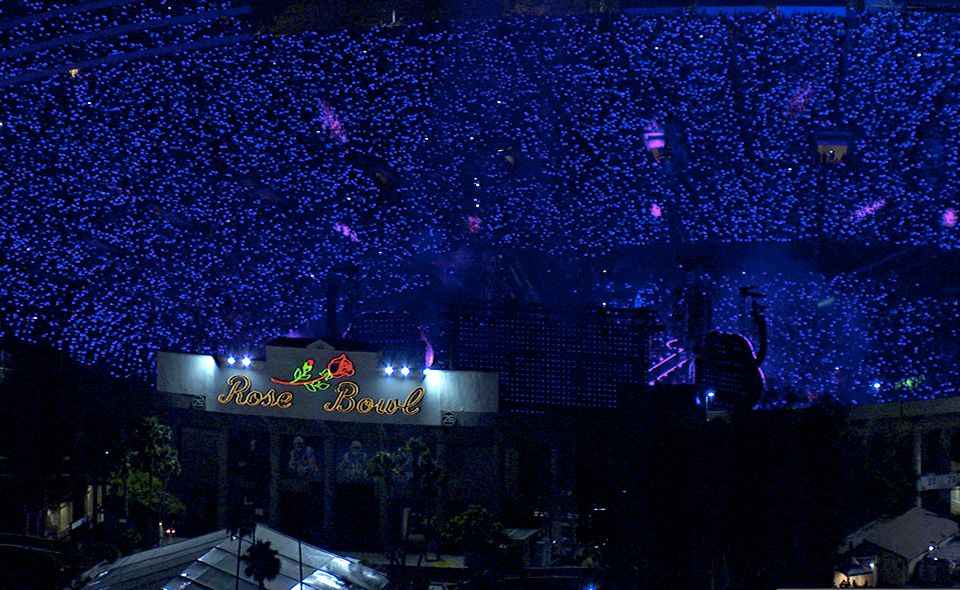
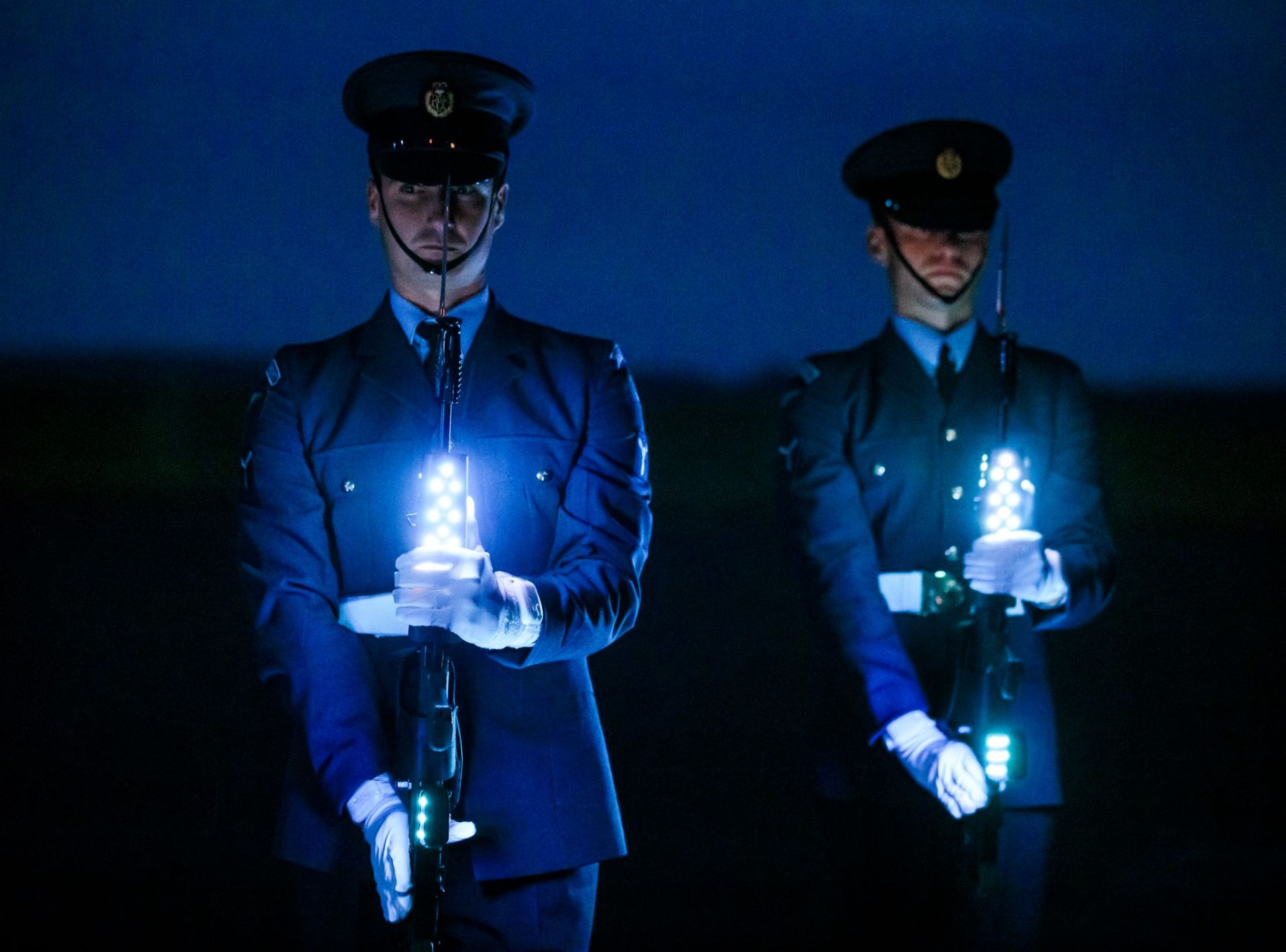
From synchronising 32,000 LED bands for Wizkid at The O2 Arena to creating custom, team-branded LED lanyards for a Formula One broadcast celebration, every project is a dialogue between the big, creative vision and the granular, technical execution. It’s a collaboration that transforms ambitious ideas into flawless LED crowd experiences on a global scale.
Neurodiversity as the Future of Event Technology
The live events industry is in a constant state of reinvention. Audiences demand more than passive viewership; they crave participation and immersion. Meeting this demand requires a constant wellspring of new ideas. It requires us to challenge assumptions about what an event is and what it can be. Who is better equipped to lead this charge than those who are neurologically wired to challenge assumptions?
The next generation of wearable LED technology and immersive events won’t come from following the old playbook. It will come from asking different questions:
- How can a light show enhance crowd safety and flow?
- How can custom LED wristbands tell a story over the course of an entire festival, not just one performance?
- How can data from radio controlled LED wristbands provide real-time feedback to create a more responsive and inclusive environment?
Answering these questions requires the kind of associative, big-picture thinking that neurodiversity fosters. It’s about building a business culture where different ways of seeing the world are not just tolerated but actively sought out as a source of competitive and creative advantage. As we continue to push the boundaries of what’s possible in corporate event activations and large-scale public gatherings, it is this cognitive diversity that will illuminate the path forward, turning brilliant sparks of imagination into the shared, unforgettable moments that define the future of live experiences.