The Perpetual Prototype: A Philosophy for R&D in Live Events
The Show is Never Over
In the world of live entertainment, the encore is a lie. The real show isn’t the one that ends when the house lights come up; it’s the relentless, often invisible, process of research and development that begins the moment a new piece of technology is deployed. In our industry, the product you launch is already a legacy system. The real work is in what comes next. This isn’t just about creating new products; it’s about fostering a culture of perpetual R&D, where every event is a laboratory and every piece of feedback is a blueprint for the future.
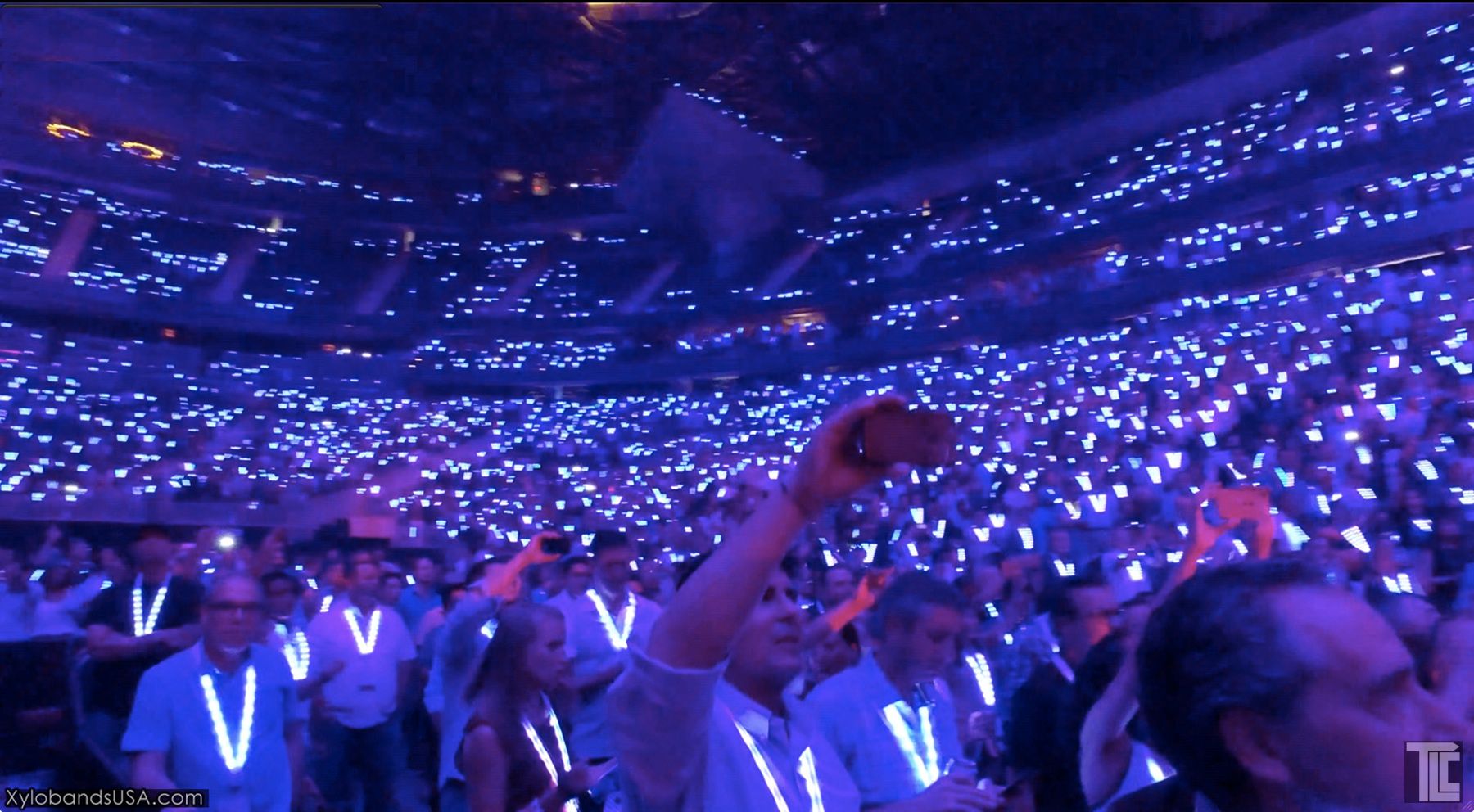
At its core, this philosophy rejects the idea of a finished product. For a company operating at the intersection of technology and live spectacle, the concept of "final" is a fallacy. Whether it’s radio controlled LED wristbands for a global music tour or custom LED Lanyards for a high-stakes corporate launch, the technology is never truly done. It’s a perpetual prototype, constantly evolving in response to the demands of artists, the vision of producers, and the dynamic environment of the live audience.
From the Garage to the Global Stage
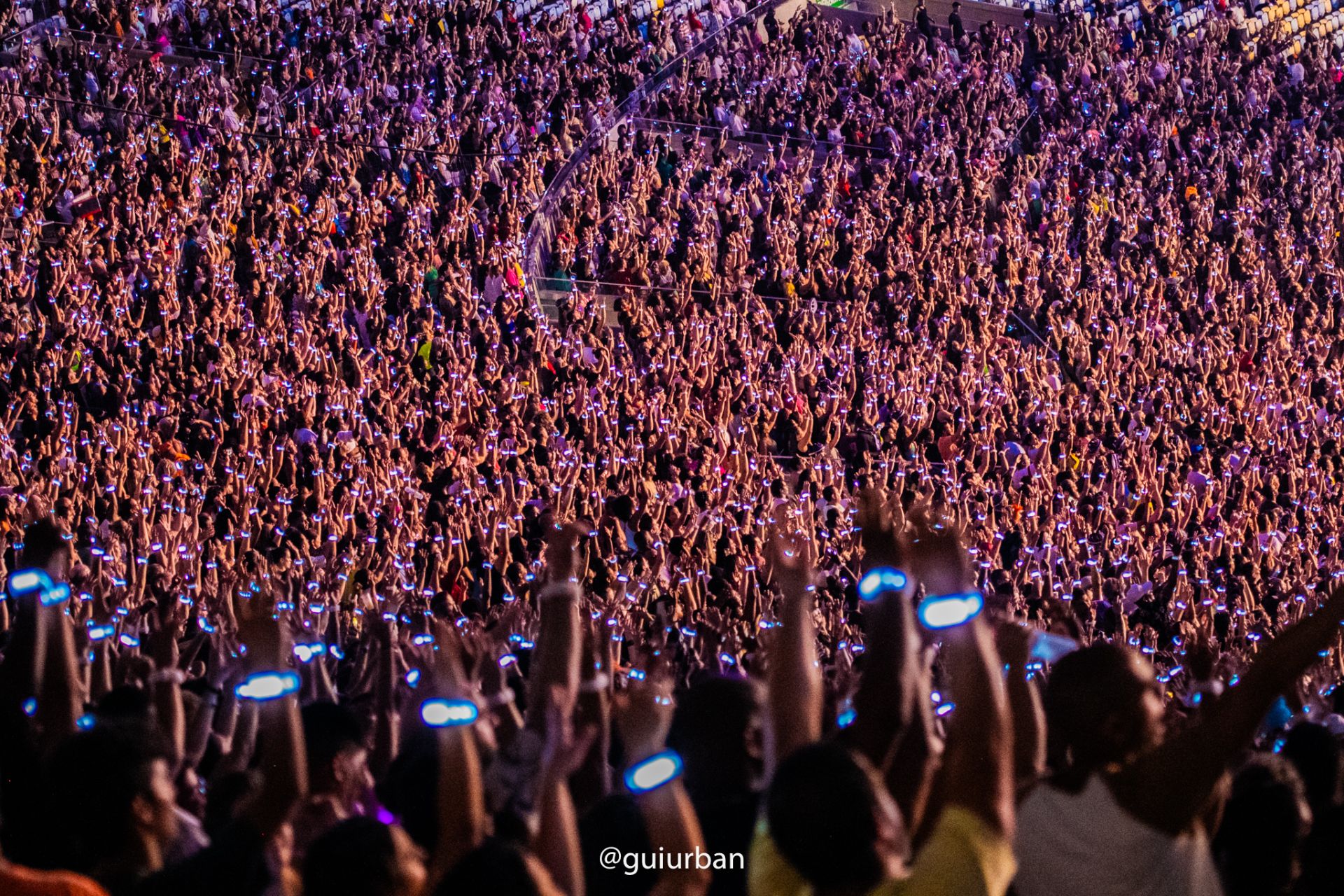
The journey of Xylobands began with a single idea at a festival, but its survival and growth are products of a very different mindset: disciplined, iterative, and obsessive R&D. The first-generation Xylo Bands that lit up Coldplay’s Mylo Xyloto tour were revolutionary. But in the tech world, a revolution is just the starting pistol for the next arms race.
Sustaining that initial momentum required building an engine of innovation that runs in the background, long after the trucks have left the stadium. It meant seeing every event not as a final performance, but as a live beta test. It’s a process that involves:
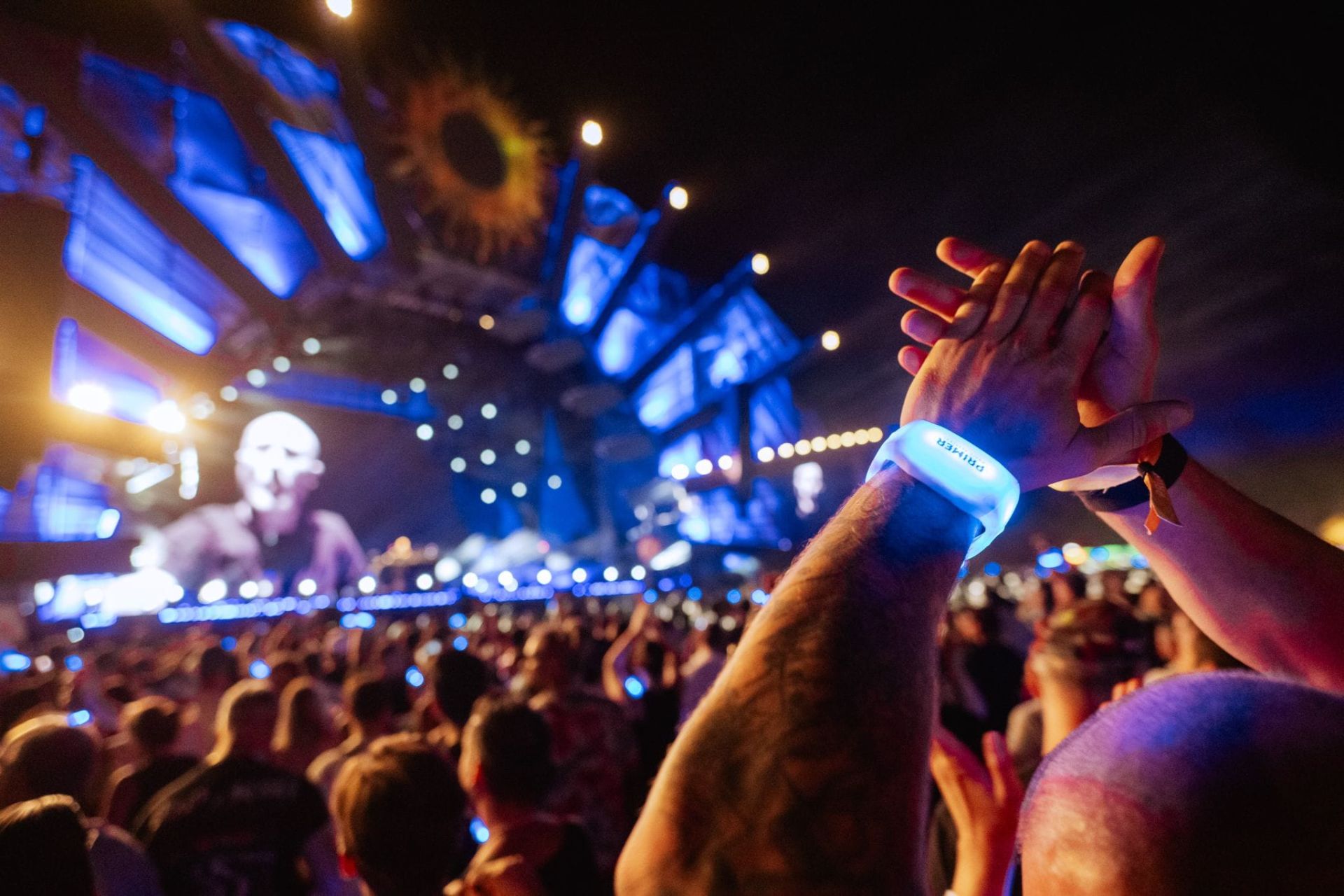
- Obsessive Debriefs: After every major deployment, our technical teams conduct exhaustive post-mortems. What were the RF challenges in that specific stadium? How did the battery life hold up under unexpected temperature changes? How did the physical design withstand the energy of a festival crowd like at PRIMER in Greece?
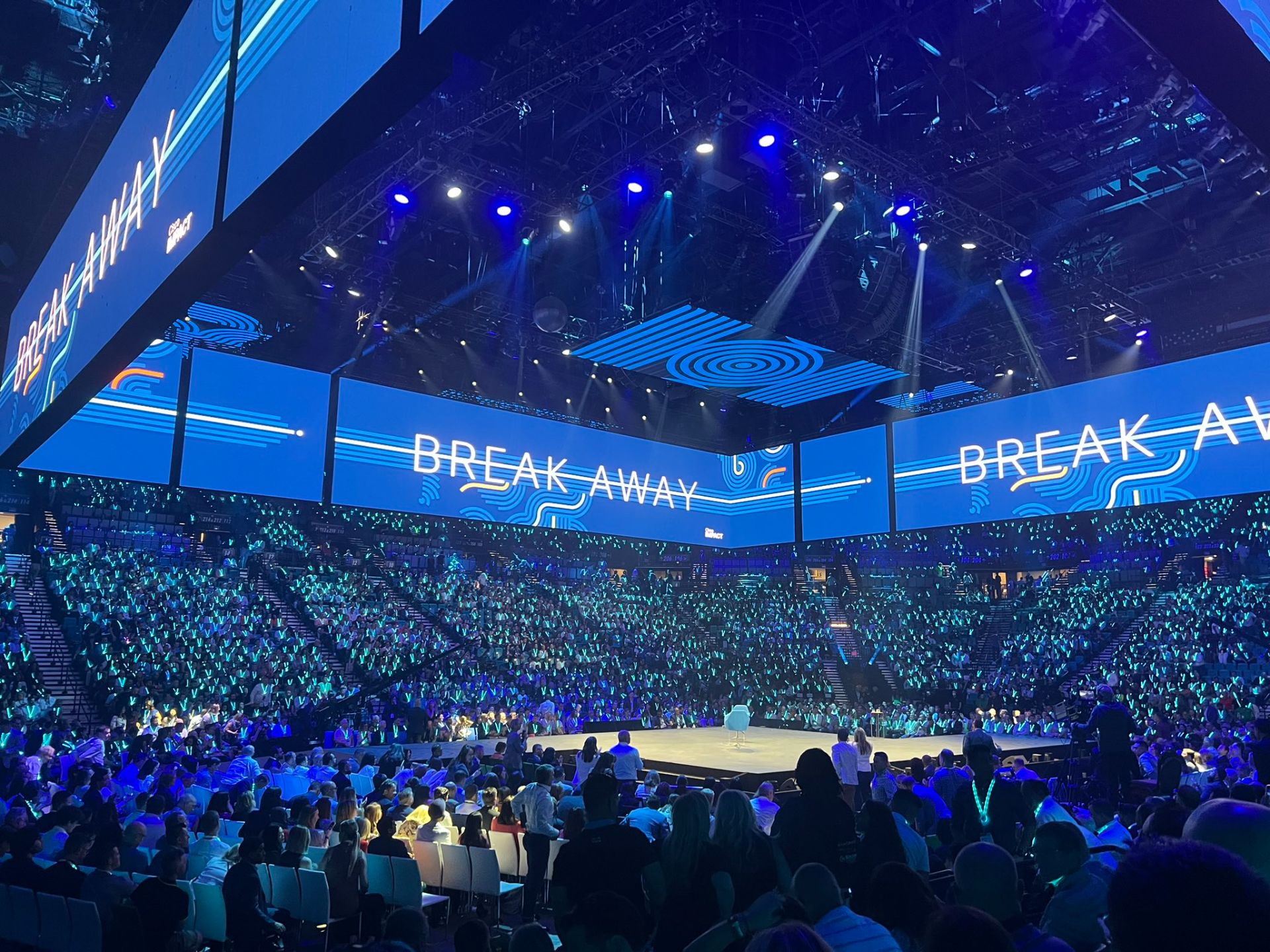
- Client-Centric Iteration: The needs of our clients are the primary drivers of our R&D. When Formula 1 required a custom pendant solution for their 75th-anniversary show, it wasn’t just about branding. It was about creating a device that could be distributed and programmed to segment the audience for complex lighting cues, turning 13,000 fans at The O2 into a dynamic part of the broadcast.
- Component-Level Scrutiny: The macro spectacle is built on micro-details. Our R&D extends to the most fundamental components—evaluating new LED modules for better brightness and color fidelity, sourcing more durable and sustainable plastics, and constantly refining the firmware that is the beating heart of every LED bracelet.
The Lab and the Field: A Symbiotic Loop
True innovation in immersive event technology can't happen in a vacuum. A lab can simulate conditions, but it can’t replicate the beautiful chaos of a live audience. The relationship between our R&D lab and our field technicians is a symbiotic feedback loop.
A field tech might report that the clasp on a certain wristband model is difficult for guests to secure in a low-light environment. That single data point, seemingly minor, travels back to the design team. It triggers a series of questions: Can we redesign the mechanism without compromising durability? Is there a different material that offers a more tactile feel? This process led to the development of the Xylo Lux, a wristband with a premium, user-friendly magnetic clasp, which saw a massive deployment for artists like Wizkid at his historic, sold-out O2 Arena shows.
This is where the theoretical meets the practical. You can design the most advanced piece of wearable LED technology, but if it creates a bottleneck at the entry gate or feels uncomfortable on a wrist, its potential for creating a seamless immersive experience is compromised. The field is the ultimate proving ground, and our teams are trained to be not just operators, but researchers, gathering the qualitative data that is often more valuable than quantitative metrics.
Engineering for Failure (So It Never Happens)
In live events, there are no second takes. The mandate is zero-failure. This unforgiving environment shapes our entire R&D philosophy. We don’t just design for success; we engineer for every conceivable point of failure.
"When you’re creating LED crowd experiences for a global broadcast, a festival, or a Super Bowl halftime show, you have to plan for the unpredictable. Your system needs redundancies built on top of redundancies. It’s about building a system so robust that it becomes the most reliable element in a massively complex production chain."
Our R&D involves rigorous stress testing that borders on paranoia. We subject our LED bands to extreme temperatures, water submersion, and impact tests. We simulate dense RF environments to ensure our signal cuts through the noise of tens of thousands of mobile phones. For the Davis Cup finals, the system had to perform flawlessly in a high-stakes, globally televised sporting environment, where the margin for error is nonexistent. This relentless focus on reliability is what separates a gimmick from a mission-critical production tool.
The Unseen Engine of the Spectacle
The next time you’re at a show and find yourself part of a synchronized light spectacle, consider the unseen engine that makes it possible. It’s not a single invention, but a culture of perpetual motion—a restless dissatisfaction with the status quo and a deep-seated belief that "good enough" is never the end of the story.
From concert wristbands to sophisticated LED Orbs, the technology is merely the vessel. The true product is the moment of connection it creates. And building the future of those moments requires a commitment to the perpetual prototype—an understanding that the most exciting version of our technology is always the one that comes next.