The Electric Current: The Psychology of Collective Joy in Live Events
The Unseen Connection
It’s a feeling every event producer, artist, and fan knows. It’s the moment a shared gasp ripples through an arena, the instant tens of thousands of voices join a single chorus, or the silent, collective awe as a stadium is plunged into darkness just before the encore. It’s a powerful, almost electric current of shared emotion. This phenomenon, which sociologists call “collective effervescence,” is the invisible architecture of any great live event. It’s the feeling of being part of something larger than oneself, a temporary but profound dissolution of the individual into the group. But what is the psychological mechanism behind this feeling, and how can we, as creators of live experiences, design events that don’t just entertain but foster this deep, resonant connection?
From Spectator to Participant: The Evolution of Audience Engagement
For decades, the relationship between performer and audience was largely one-sided. The crowd was a passive receptacle for the art being presented on stage. But a fundamental shift has occurred. Modern audiences don’t just want to watch; they want to participate. This desire is rooted in a basic human need for belonging and agency. The passive admiration of the past has been replaced by an active yearning to be part of the story.
This shift is visible everywhere, from the call-and-response chants at sporting events like the Davis Cup to the massive, synchronized singalongs at a festival. The advent of new technologies has only accelerated this trend. We’ve moved from lighters held aloft to phone screens, and now, to a far more sophisticated and immersive tool: wearable LED technology. Each step in this evolution represents a deeper integration of the audience into the fabric of the performance itself.
The Psychology of Light and Synchrony
Light has a primal, powerful effect on human psychology. It commands attention, directs focus, and alters mood. When thousands of individuals are united by a single, synchronized visual element, the effect is magnified exponentially. This is the principle that underpins the power of LED crowd experiences.
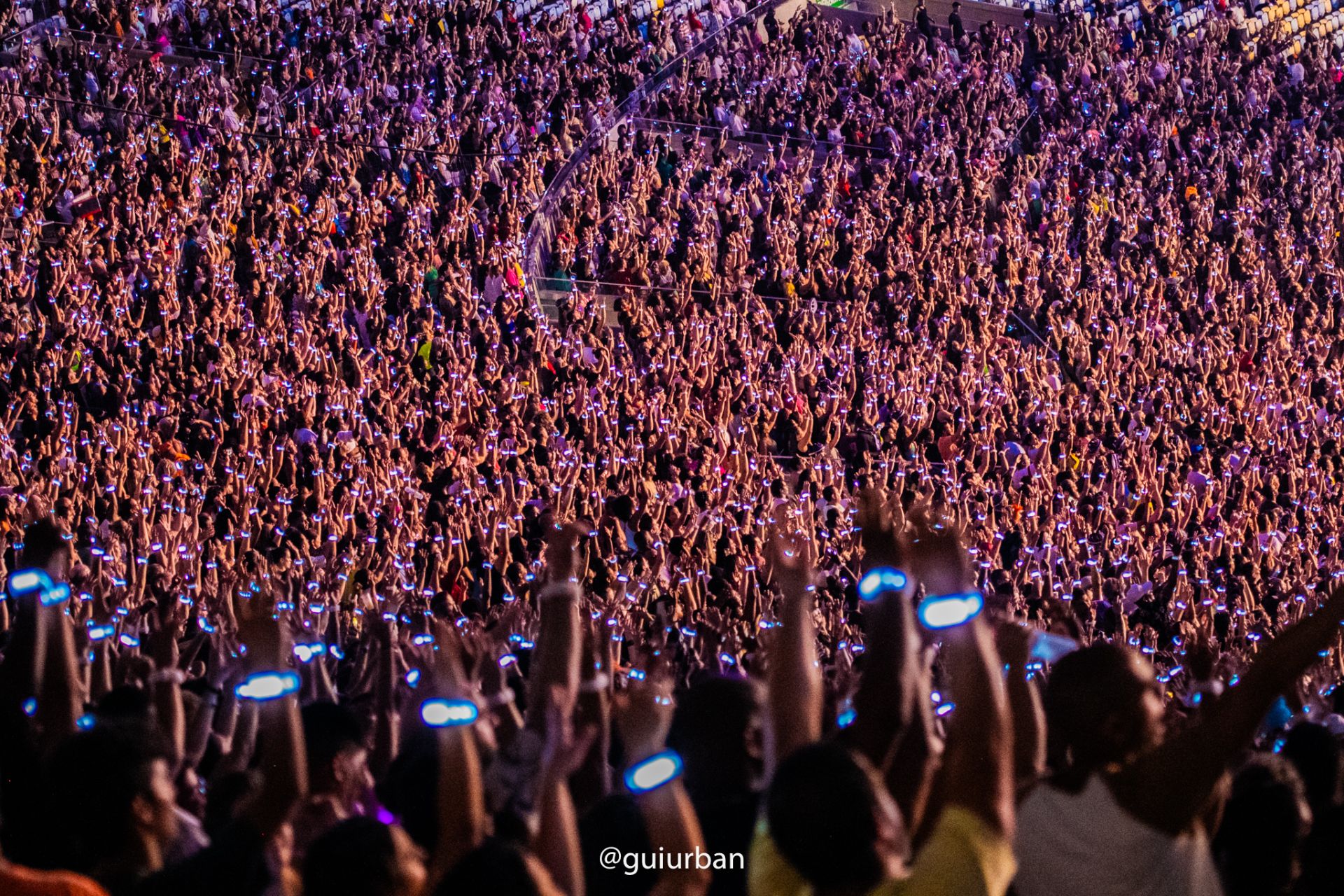
When an entire stadium, like the one for Maluma’s historic Medellín concert, is illuminated with synchronized Xylobands, several psychological triggers are activated:
- Mirror Neurons and Empathy: Our brains are wired with mirror neurons, which fire both when we perform an action and when we see someone else perform that same action. When thousands of people’s LED bands light up in the same color at the same time, it creates a powerful visual representation of shared experience. This visual synchrony fosters a sense of empathy and unity, reinforcing the feeling that “we are all in this together.”
- Deindividuation: In a large, anonymous crowd, individuals can experience a state of deindividuation—a reduced sense of self-awareness and personal identity. While this can have negative connotations, in the context of a positive, shared experience like a concert, it can be liberating. It allows people to shed their inhibitions, dance, sing, and connect more freely with those around them. Immersive event technology can facilitate this positive deindividuation, making each person a pixel in a massive, moving canvas of light.
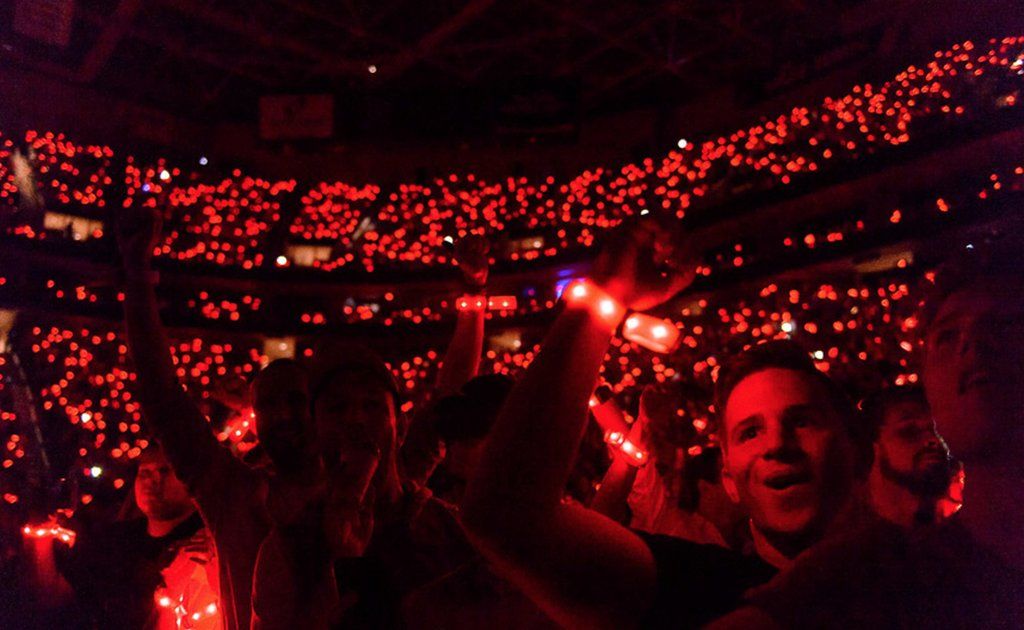
- Entrainment: This is the process by which our internal biological rhythms—heartbeat, brainwaves—synchronize with external rhythmic stimuli. The pulsating lights of radio controlled LED wristbands, perfectly timed to the beat of the music, encourage this entrainment on a mass scale. It’s a subconscious force that aligns the physiological state of the audience, creating a powerful, unified wave of energy that washes over the crowd.
Designing for Collective Effervescence: A Producer’s Playbook
Understanding these psychological drivers allows producers and designers to be more intentional in their use of technology. It’s not just about creating a spectacle; it’s about choreographing moments of genuine human connection. At Xylobands, we’ve learned that the most effective LED experiences are those that are woven into the narrative of the event.
“The goal isn’t just to light up a room. The goal is to create a moment of shared identity. It’s to give 100,000 individuals a single, unified heartbeat.”
Case in Point: Narrative and Identity
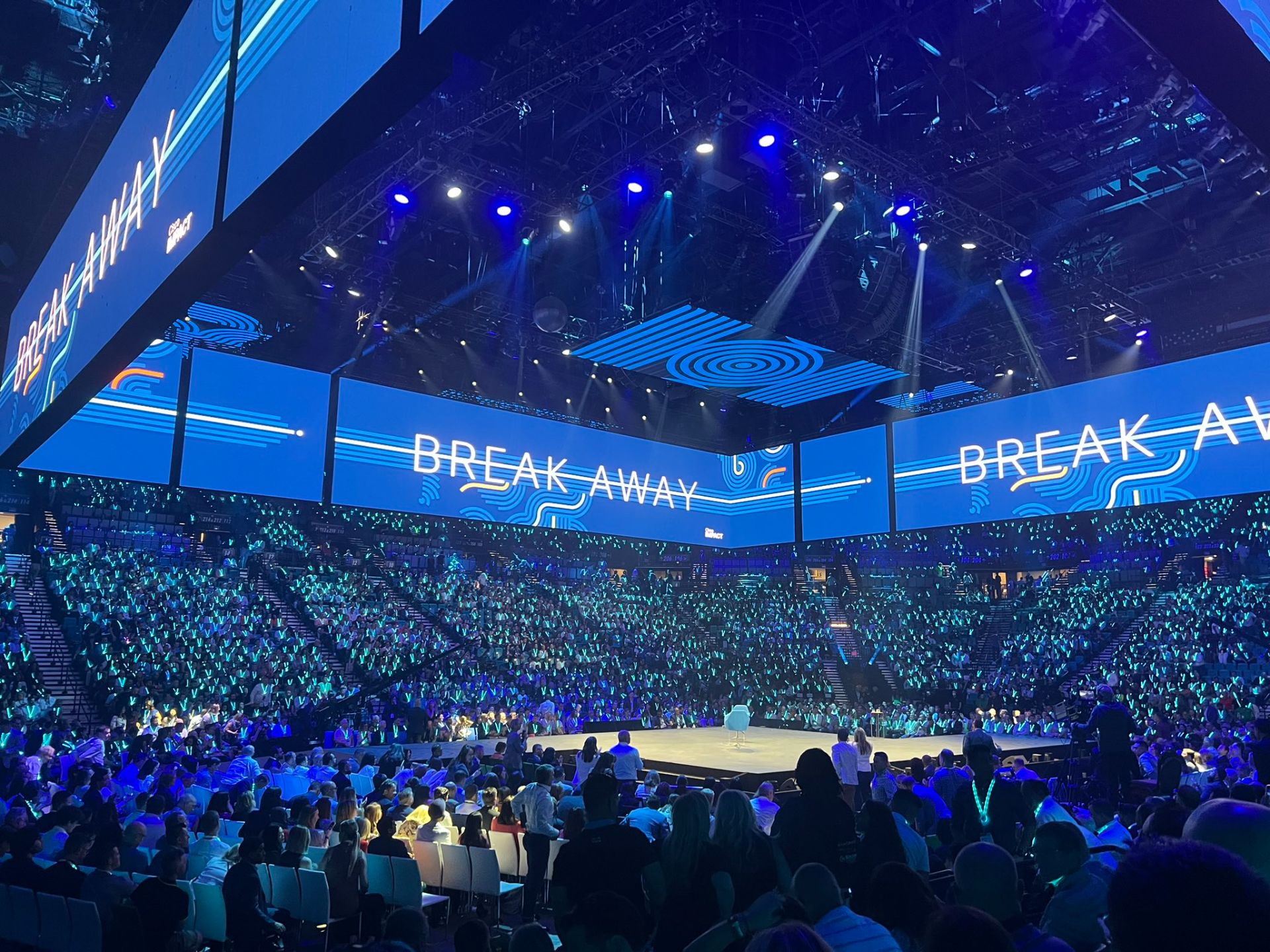
Consider an event like the Formula 1 75th-anniversary celebration. The challenge wasn’t just to fill an arena with light, but to tell a story of team rivalry and fan loyalty. By creating custom LED Lanyards for each team and seating fans in specific zones, the lighting design could instantly visualize the competitive dynamics in the room. One moment, the entire arena is united in a single color to celebrate the sport; the next, it’s a mosaic of competing team colors, amplifying the passion of the fans. This transforms a passive audience into an active, visual representation of the event’s core narrative.
Similarly, for music festivals like Greece’s Primer Music Festival, festival wristbands are no longer just for access control. They become an integral part of the show, pulsing with the DJ’s set and turning the crowd itself into the primary light show. This enhances the sense of community that is so central to the festival experience, creating unforgettable moments of collective joy that are shared across social media and live long in the memory.
The Future is Immersive
As we move forward, the demand for truly immersive events will only grow. Audiences, saturated with digital content, crave authentic, tangible experiences that make them feel present and connected. The future of live events lies not in distracting from the real world, but in deepening the audience’s engagement with it.
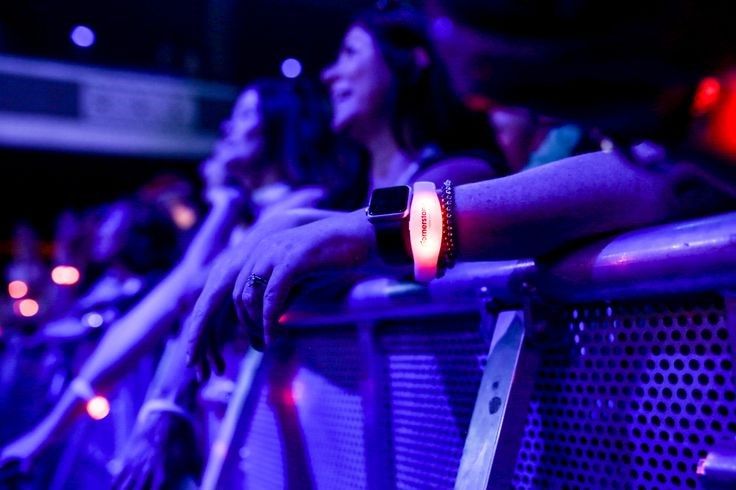
Wearable LED technology, whether in the form of wristbands, lanyards, or even LED Orbs, offers a powerful and versatile tool for achieving this. It bridges the gap between the stage and the seats, making every single person an essential part of the spectacle. By harnessing the psychology of synchrony, light, and shared identity, we can move beyond simple entertainment and create moments of profound collective effervescence—the electric, unseen current that makes live events truly unforgettable.