The Second Act: A New Model for Reusable Event Technology
The Unseen Logistics of the Encore
The show is over. The last note has faded, the house lights are up, and the audience is making its way out, carrying the afterglow of a shared experience. For the production team, however, the work is far from finished. This is the unseen second act of any major event: the breakdown. It’s a complex logistical operation where every piece of equipment, from the largest video screen to the smallest wearable device, must be accounted for. For too long, this phase has been an afterthought, a hurried process where disposability was the path of least resistance. But a shift is underway, driven by a new mandate for sustainability and responsibility.
In today’s climate, event producers, tour managers, and brand marketers are increasingly judged not just on the spectacle they create, but on the footprint they leave behind. The conversation has moved beyond simply dazzling an audience to considering the entire lifecycle of the technologies we deploy. The era of single-use, disposable event components is drawing to a close, replaced by a more circular and sustainable model that demands durability, reusability, and responsible end-of-life management.
From Linear to Circular: Rethinking the Event Tech Lifecycle
The traditional model for many event technologies, particularly audience-facing ones, has been linear: produce, use, discard. This approach is not only environmentally costly but also fails to capture the full potential value of the technology. At Xylobands, we’ve pioneered a different philosophy, one built around a circular lifecycle that extends the use of our products across multiple events and audiences.
This begins at the design and manufacturing stage. Our LED bands and other wearable LED technology are engineered for durability, designed to withstand the energy of a live show and be ready for the next one. This robust construction is the foundation of a system that prioritises reuse. Following an event, our work shifts to collection, refurbishment, and preparation for redeployment.
This isn’t just about recycling; it's about creating a robust ecosystem for reuse. It’s a logistical challenge that requires meticulous planning and execution, but the benefits are undeniable.
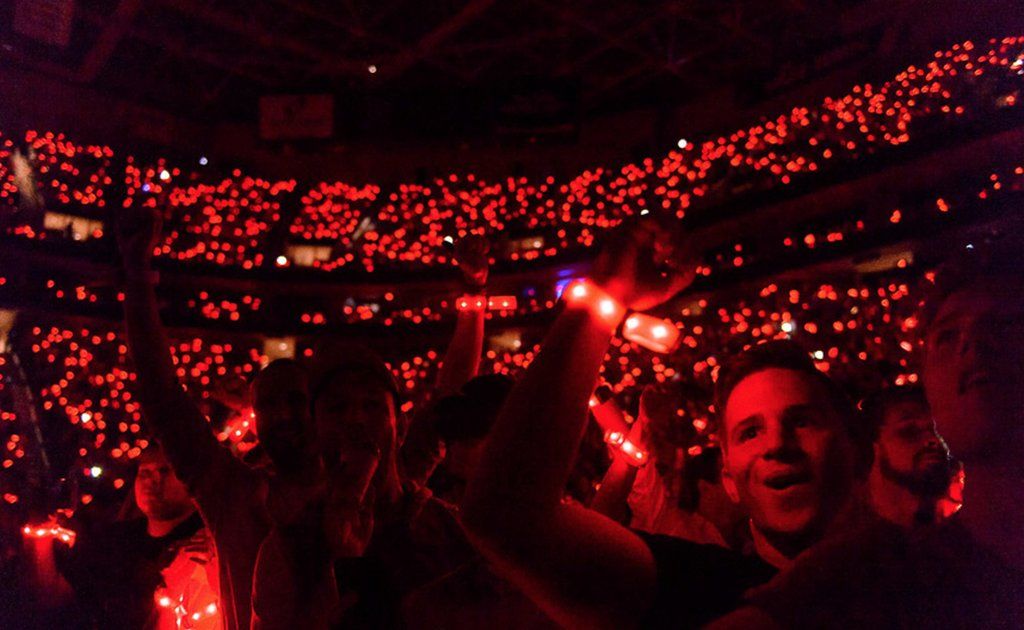
Consider the three-night, sold-out run for Wizkid’s ‘Made in Lagos’ tour at London’s O2 Arena. The 32,000 wristbands used on the first night were not discarded. Instead, they were collected, sanitized, and reprogrammed, ready for the next night’s audience. This process was repeated for all three shows, ensuring that the incredible visual spectacle was delivered with a fraction of the material waste. This model proves that high-impact LED crowd experiences and sustainability are not mutually exclusive.
The Logistical Choreography of Reuse
Implementing a reusable technology model on a global scale is a masterclass in logistics. It requires a network of partners, streamlined processes, and a commitment to detail. Here’s how it works:
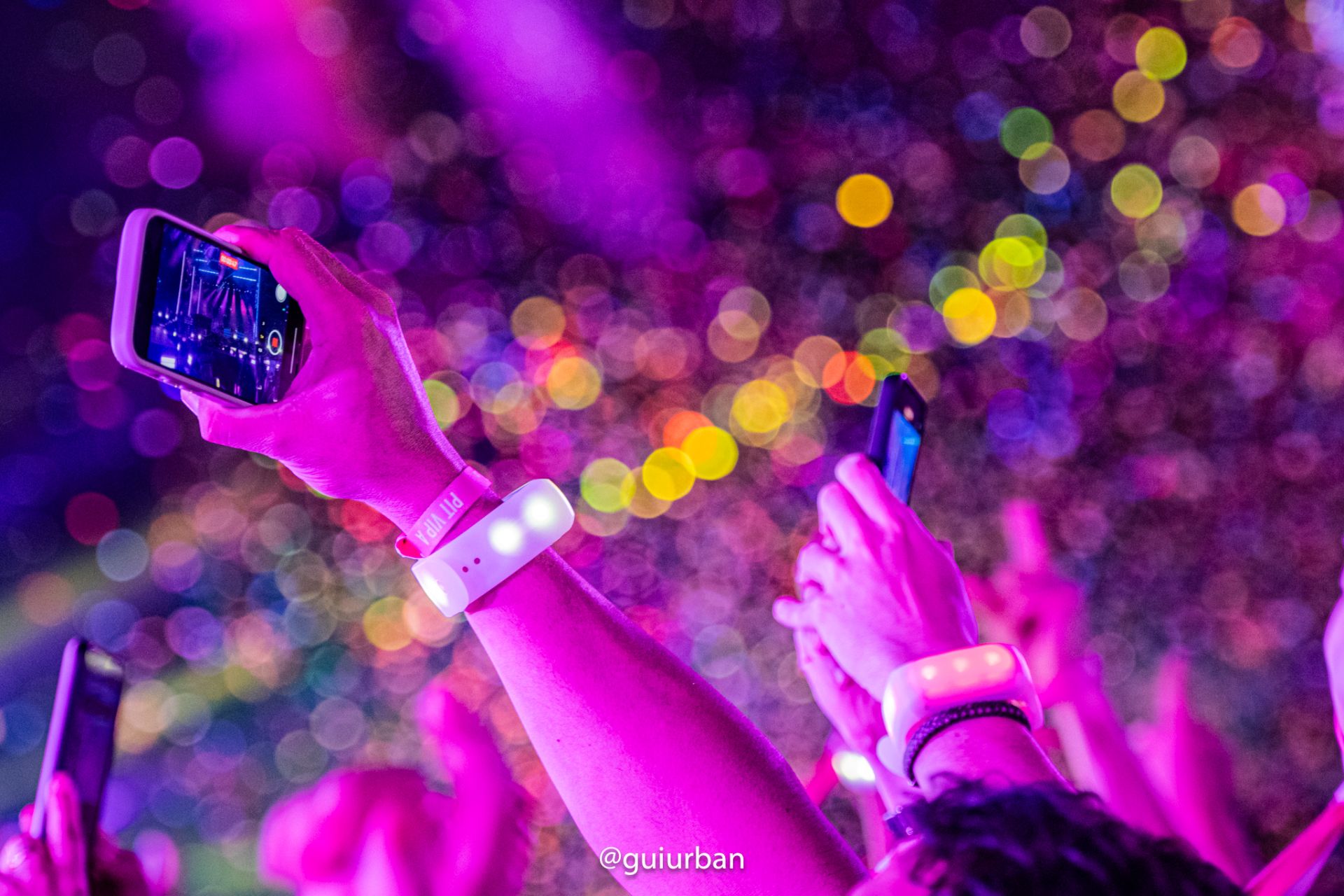
- Intelligent Collection: The process starts before the event even ends. Clear signage, designated drop-off points, and incentivizing announcements encourage guests to return their wristbands. It turns the audience from passive consumers into active participants in the sustainability effort.
- Sanitization and Refurbishment: Once collected, each unit undergoes a rigorous process of cleaning and technical inspection. Any necessary repairs are made, and batteries are checked and replaced if needed. This ensures that every redeployed wristband delivers the same flawless performance as a brand-new one.
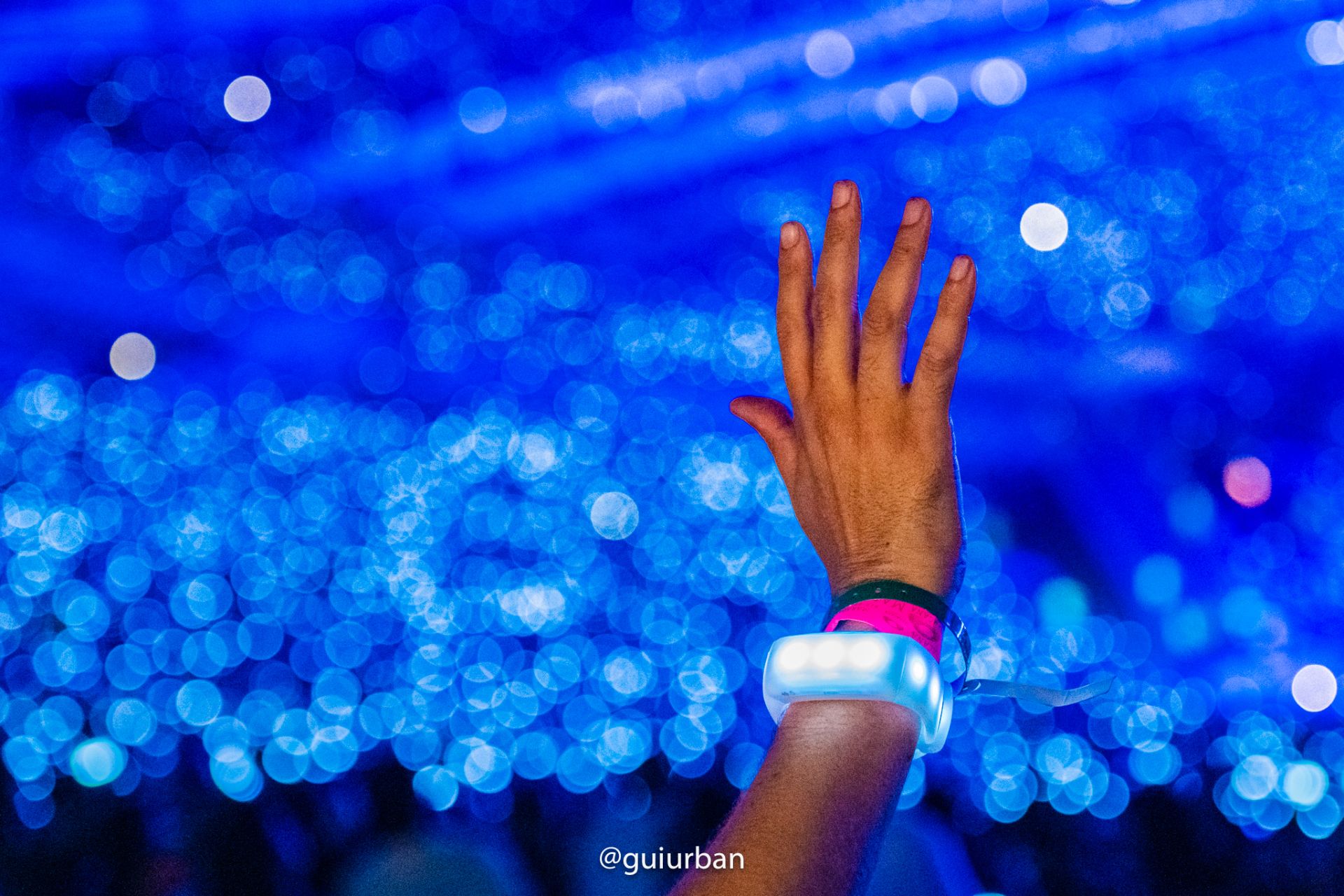
- Reprogramming and Redeployment: The refurbished stock is then prepared for its next assignment. This could be another concert, a corporate event, or a broadcast production. The ability to reprogram our radio controlled LED wristbands for a completely different show is key to their versatility and longevity.
This model has been successfully deployed at massive events like the PRIMER Music Festival in Greece and for broadcast productions with partners like ITV. It’s a system that offers event producers the creative freedom of our immersive event technology without the environmental burden of single-use products.
Beyond the Wristband: A Broader Vision for Sustainable Spectacle
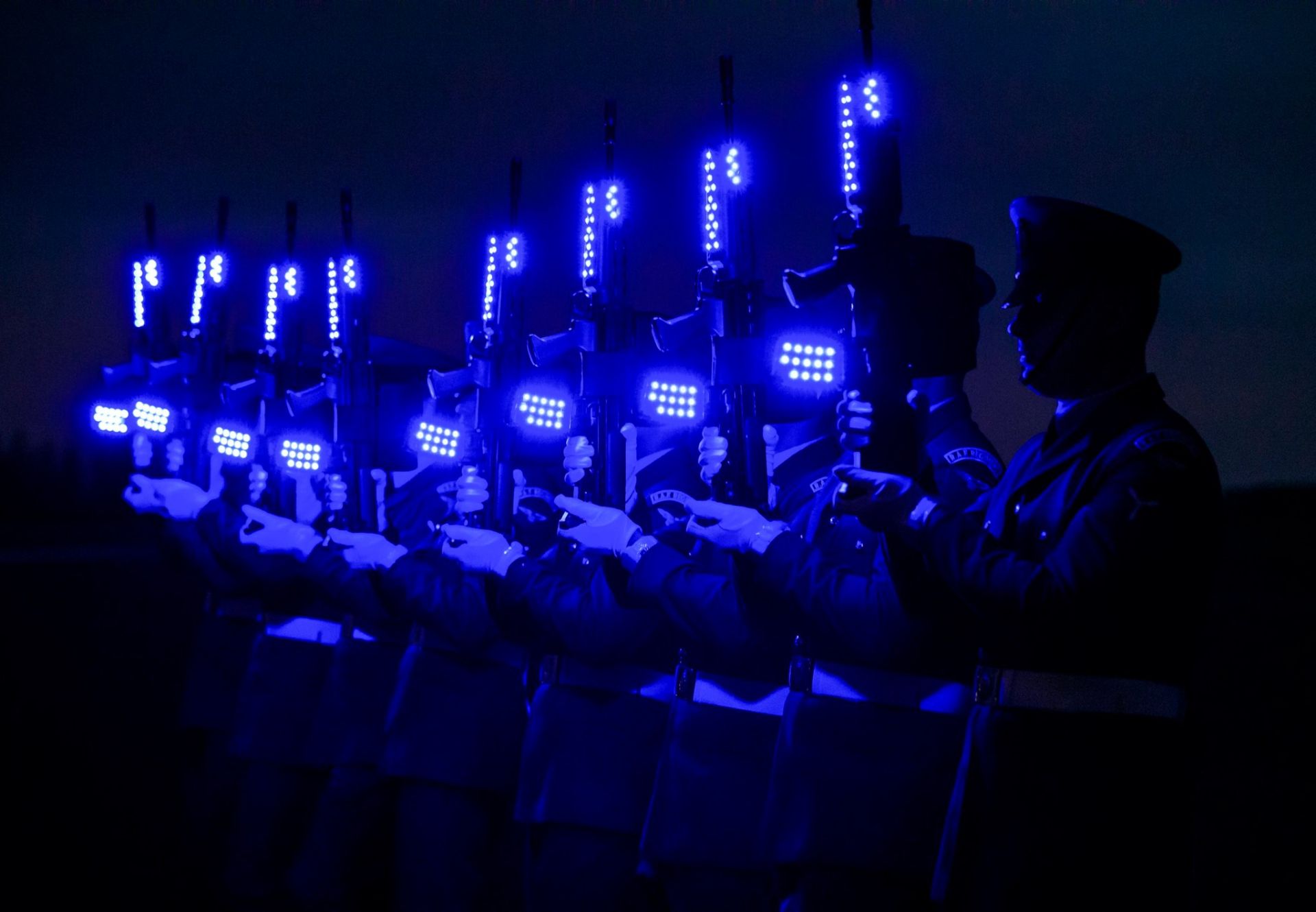
The principles of reusability extend beyond just concert wristbands. The same philosophy can be applied to a wide range of event technologies, from LED lanyards used in corporate event activations to the custom pendants we created for a major Formula One anniversary event. The core idea remains the same: design for longevity, plan for recovery, and build a system that maximizes the useful life of every component.
This shift requires a change in mindset from everyone involved in the production chain. It asks creative directors to think about technology not as a consumable, but as a reusable asset. It challenges logistics managers to integrate circular economy principles into their breakdown and transport plans. And it empowers brands to align their spectacular moments with genuine corporate responsibility.
The future of live events will be defined by experiences that are not only immersive and emotionally resonant but also intelligent and responsible. By embracing a circular model for event technology, we can continue to push the boundaries of creative expression while honoring our collective responsibility to the planet. The second act of our technology is just as important as the first, ensuring that the magic of the live show leaves a lasting positive legacy, not a trail of waste.