Scaling the Spectacle: Core Principles of Arena and Stadium Tour Lighting
The Shift from Illumination to Immersion
The house lights dim. A roar erupts from fifty thousand people, a wave of pure energy rippling through the colossal space. In this moment, before the first note is played, the spectacle has already begun. For decades, tour lighting was primarily about one thing: illuminating the artist on stage. Today, its function has fundamentally evolved. In the modern arena or stadium tour, light is the primary medium for transforming a gathering of individuals into a unified, collective entity. It’s no longer just about seeing the show; it’s about becoming part of it.
This paradigm shift was born from a simple observation. Watching Coldplay at Glastonbury, our founder Jason Regler was struck by the lyrics "Lights will guide you home" and imagined a way to make that sentiment literal—to connect every single audience member through light. This led to the creation of the first Coldplay Xylo Band, a device engineered to turn the audience itself into a canvas. This principle now sits at the heart of all ambitious, large-scale productions. The goal is no longer just to light the stage, but to envelop the entire venue in a shared, dynamic, visual experience.
Principle 1: Unifying the Immense
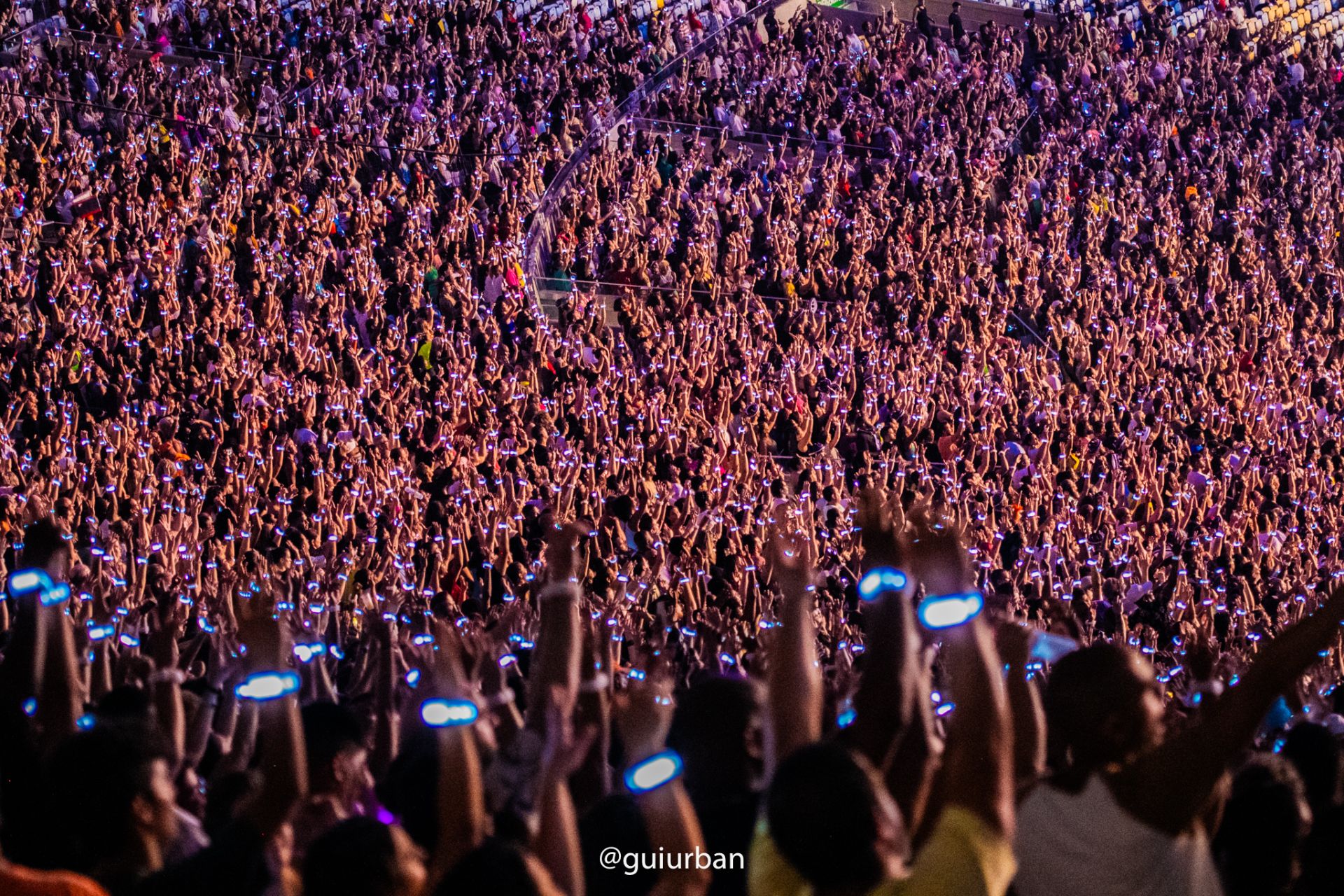
A stadium is a challenge of scale. It’s an acoustically complex, visually disparate environment where the distance from the stage can leave many feeling disconnected. The first principle of modern tour lighting design is to conquer that distance. The secret is to stop seeing the audience as a passive mass and to start seeing them as millions of controllable pixels.
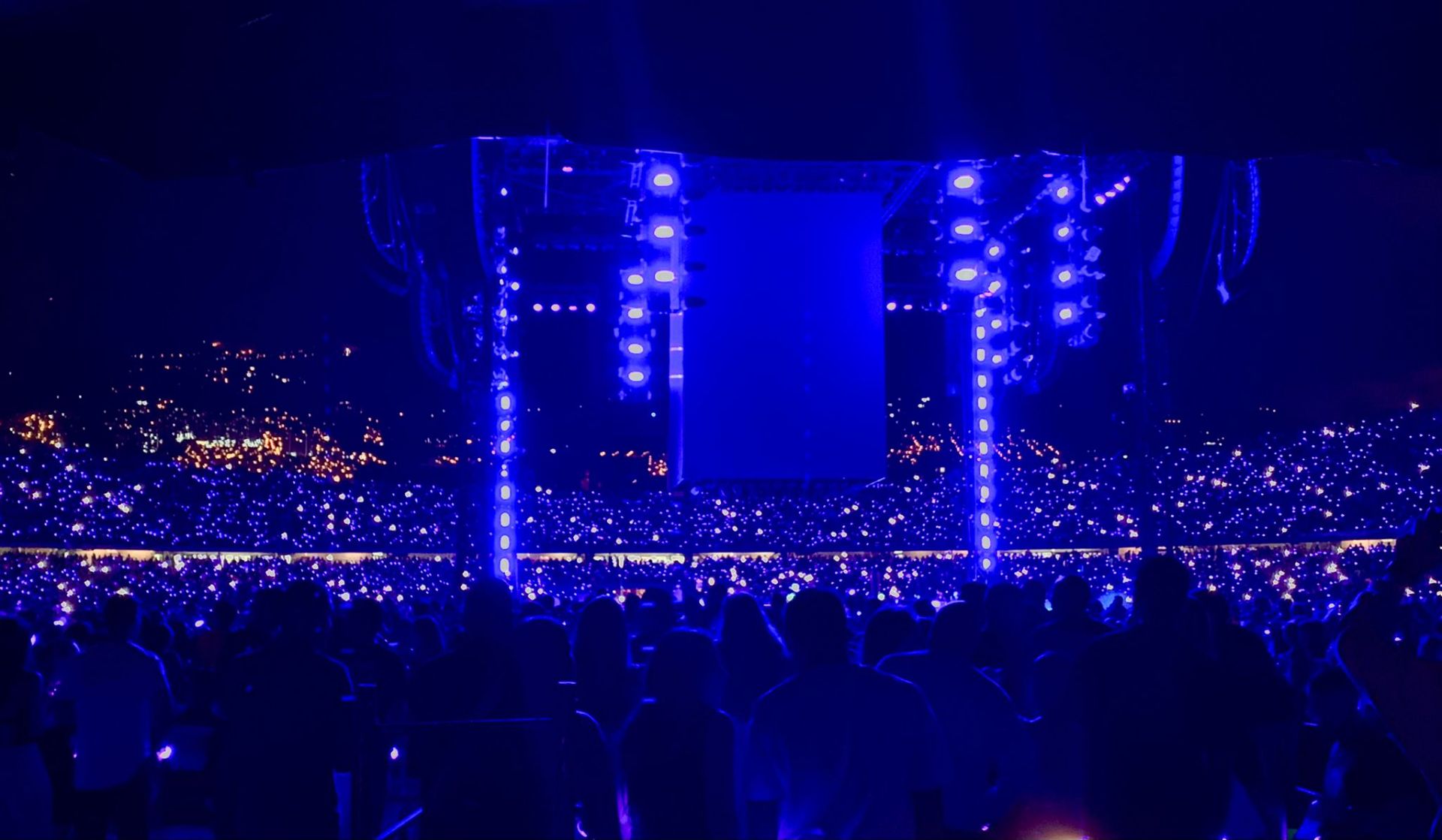
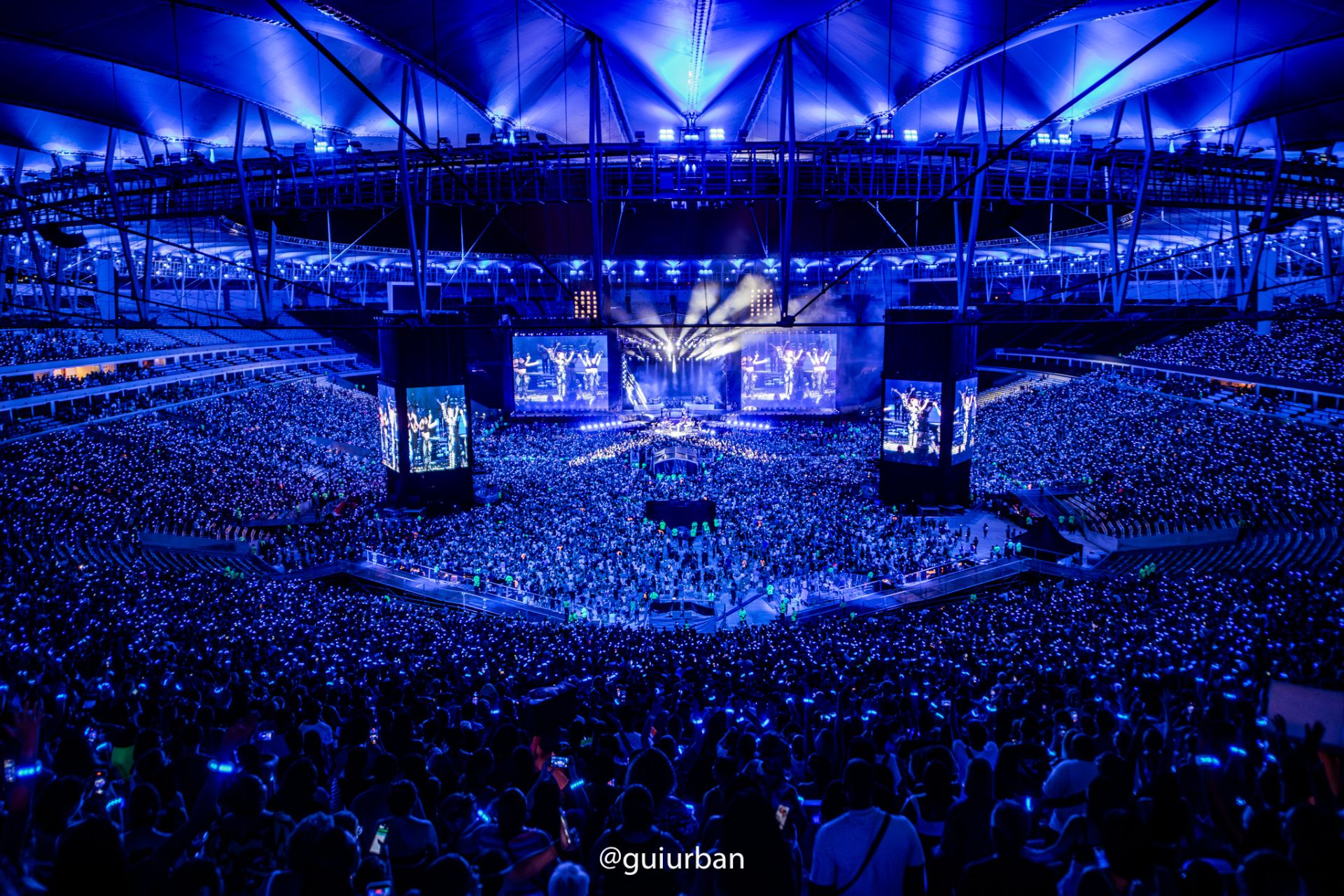
This is where Wearable LED Technology becomes a foundational tool. By putting a light source on every wrist, you distribute the lighting rig across every seat in the house. Suddenly, the entire architectural space is your canvas. This was powerfully demonstrated at the Rugby World Cup Final in 2023, where 15,000 wirelessly controlled Xylobands unified the Stade De France. During the opening ceremony, vast, synchronized sequences pulsed through the stands, creating an immersive spectacle that mirrored the energy of a world-class sporting event. The same principle applies to a global music tour. It allows a designer to paint with enormous, sweeping brushstrokes, creating breathtaking moments of unity that make an audience of 80,000 feel like one body, sharing one pulse.
For a tour manager or event producer, this capability is transformative. It turns the scale of the audience from a logistical challenge into a primary creative asset.
Principle 2: Designing for the Global Broadcast
An arena tour is no longer a localized event. It’s a global broadcast moment. When Maluma played to a sold-out stadium in his hometown of Medellín, the show was simultaneously streamed to over 240 countries. This dual audience—the tens of thousands in the room and the millions watching at home—demands a specific approach to lighting design.
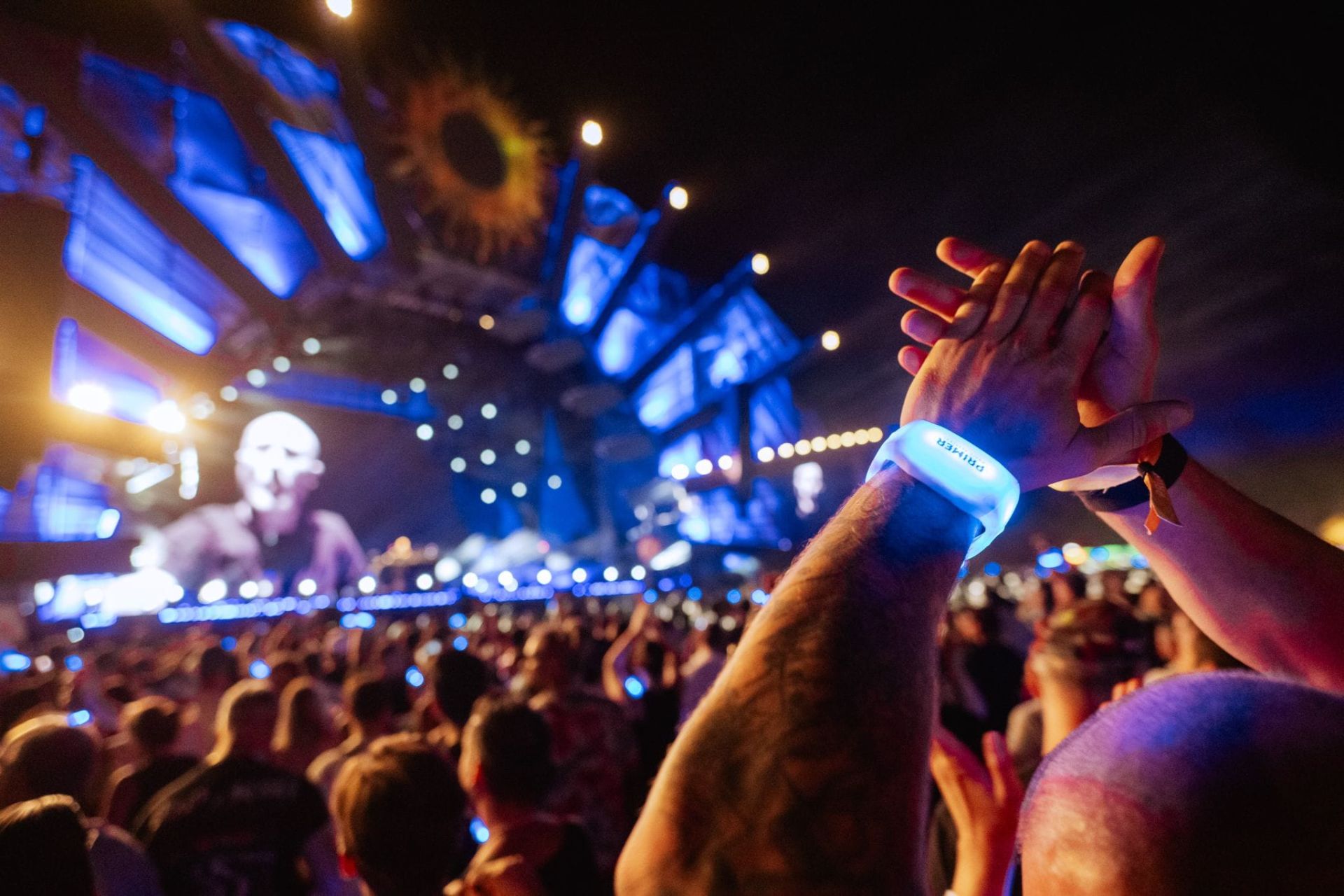
A design must create awe for those in the nosebleed seats while also generating intimate, compelling shots for the camera. This is the art of balancing the macro and the micro. While wide shots capture the stunning scale of the entire audience lit as one, it’s the close-ups that build emotional connection. The camera catching the light from an LED Bracelet illuminating the face of a deeply moved fan creates a powerful, authentic image that connects with viewers thousands of miles away. This is where the audience truly becomes part of the set. The light is not just *on* them; it emanates *from* them, making them active participants in the broadcast narrative. This layer of Immersive Event Technology is no longer a novelty; for shows with a broadcast component, it is essential.
Principle 3: The Art of Visual Segmentation
Once you’ve established you can unify an entire stadium with light, the next principle involves breaking it apart with intention. Advanced lighting design isn’t about having every light do the same thing at once. It’s about segmentation—the art of telling a story by creating distinct visual zones within the audience.
Through sophisticated software controlling Radio Controlled LED Wristbands, a designer can orchestrate complex visual narratives. Imagine a wave of light that chases a guitar solo across the arena, or strobing pulses that are confined to the upper bowl to build tension before a drop. For Formula One’s 75th-anniversary event, we took this even further, creating custom LED Lanyards for different F1 teams and hospitality tiers. This allowed the creative team to light up specific fan groups, creating targeted moments of rivalry and celebration. It’s a powerful tool for Corporate Event Activations and fan engagement on a mass scale.
This ability to segment and control zones allows for:
- Dynamic Flow: Creating movement and energy that travels through the crowd.
- Visual Storytelling: Highlighting specific sections to punctuate musical or narrative beats.
- Audience Interaction: Dividing the audience into teams for interactive moments.
Technology Forged on the Road
Underpinning these design principles is technology born from and hardened by the realities of global touring. The hardware, from Concert Wristbands to LED Orbs, must be robust, reusable, and reliable. At Wizkid’s historic three-night, sold-out run at London's O2 Arena, our LED Bands were used across all three shows, topped up, and responsibly managed—proof that spectacular LED Crowd Experiences can also be sustainable and efficient.
The true artistry, however, lies in the hands of the lighting designer, who uses this technology as an instrument. The ability to deploy intricate, pre-programmed sequences while retaining the option for live, spontaneous operation is what brings these Immersive Events to life. It’s this seamless integration of durable hardware and flexible software that empowers the world’s leading creatives to design the next generation of live spectacles.
Ultimately, scaling the spectacle is about more than just adding more lights. It’s a design philosophy centered on human connection. It’s about using LED Event Technology to make every single person—from the front row to the back of the stadium, and watching from a screen across the world—feel seen, connected, and part of an unforgettable shared moment.