The Sensory Bridge: Designing Live Events for Every Body and Mind
The Unspoken Contract of the Live Experience
When an audience gathers, they enter into an unspoken contract. They agree to offer their attention, their energy, and their trust. In return, we, the creators of live experiences, promise them a spectacle. We promise connection, transformation, and a space to be part of something larger than themselves. But for too long, the design of these spectacles has been based on a narrow definition of the "average" audience member, inadvertently excluding many who experience the world differently.
The roar of the crowd, the flash of a strobe, the deep, chest-rattling bass—these are the elemental tools of our trade. They are the building blocks of excitement and collective effervescence. For many, this sensory deluge is the very essence of a live event. But for others, including a significant portion of the neurodiverse community, individuals with PTSD, or those with sensory processing disorders, this same wall of sound and light can be a barrier. It can be overwhelming, disorienting, and exclusionary.
True inclusivity in live events isn't about diminishing the spectacle. It’s about broadening its reach. It's a paradigm shift from a one-size-fits-all approach to a more flexible, adaptable, and human-centered design philosophy. It’s about creating sensory bridges, not barriers, ensuring that the magic of the shared experience is accessible to every body and every mind.
From Overload to Opt-In: A New Design Philosophy
The core principle of inclusive design is choice. It’s about providing pathways for individuals to modulate their own sensory input, empowering them to engage with the event in a way that feels safe, comfortable, and enjoyable. This doesn't mean a silent, dimly lit show. It means offering a spectrum of experiences.
Consider the architecture of a modern event space. Are there designated quiet zones where attendees can decompress, away from the main sensory onslaught? These spaces aren’t afterthoughts; they are integral components of an inclusive design, providing a vital pressure-release valve. Similarly, can technology be used not just to amplify the experience, but to personalize it?
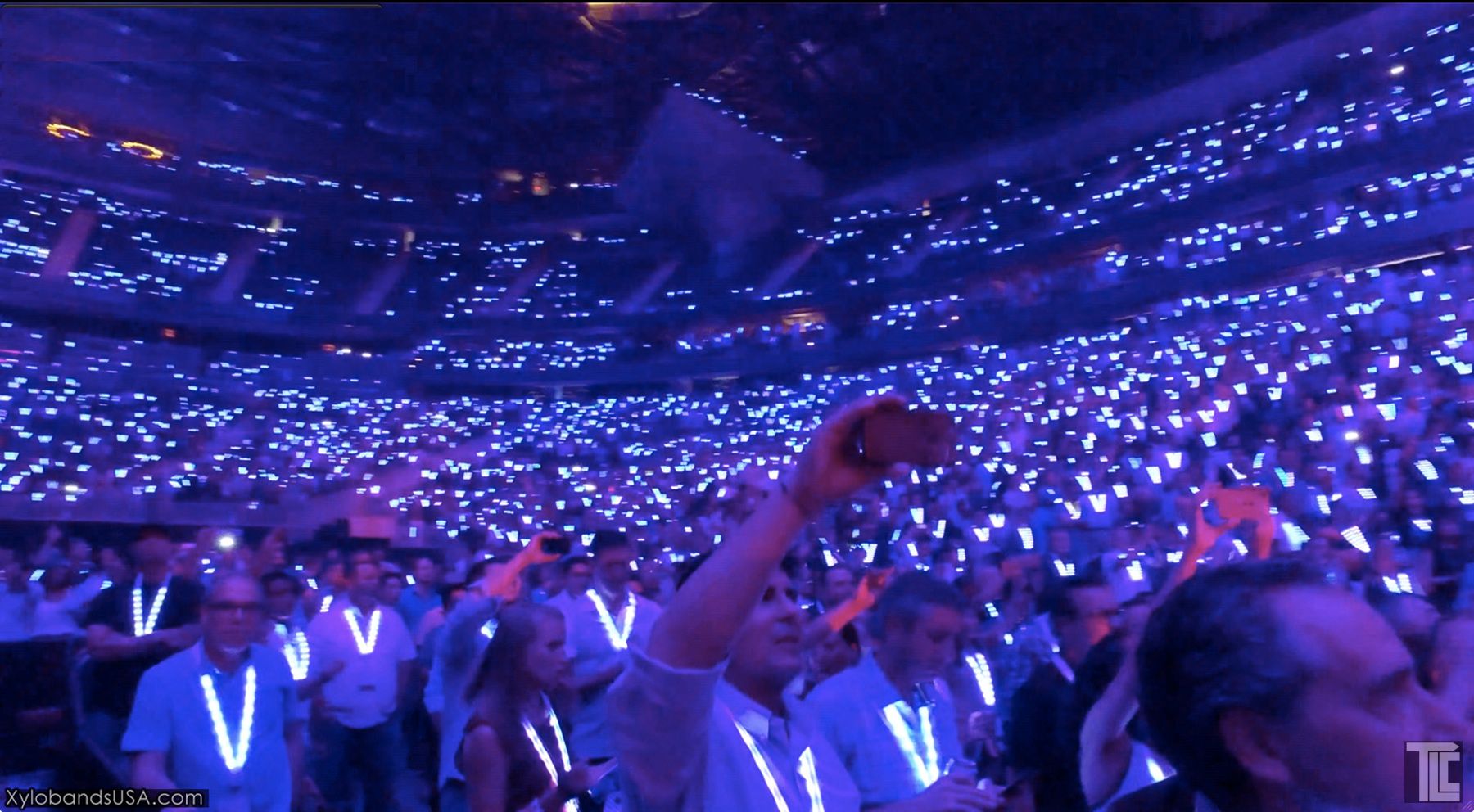
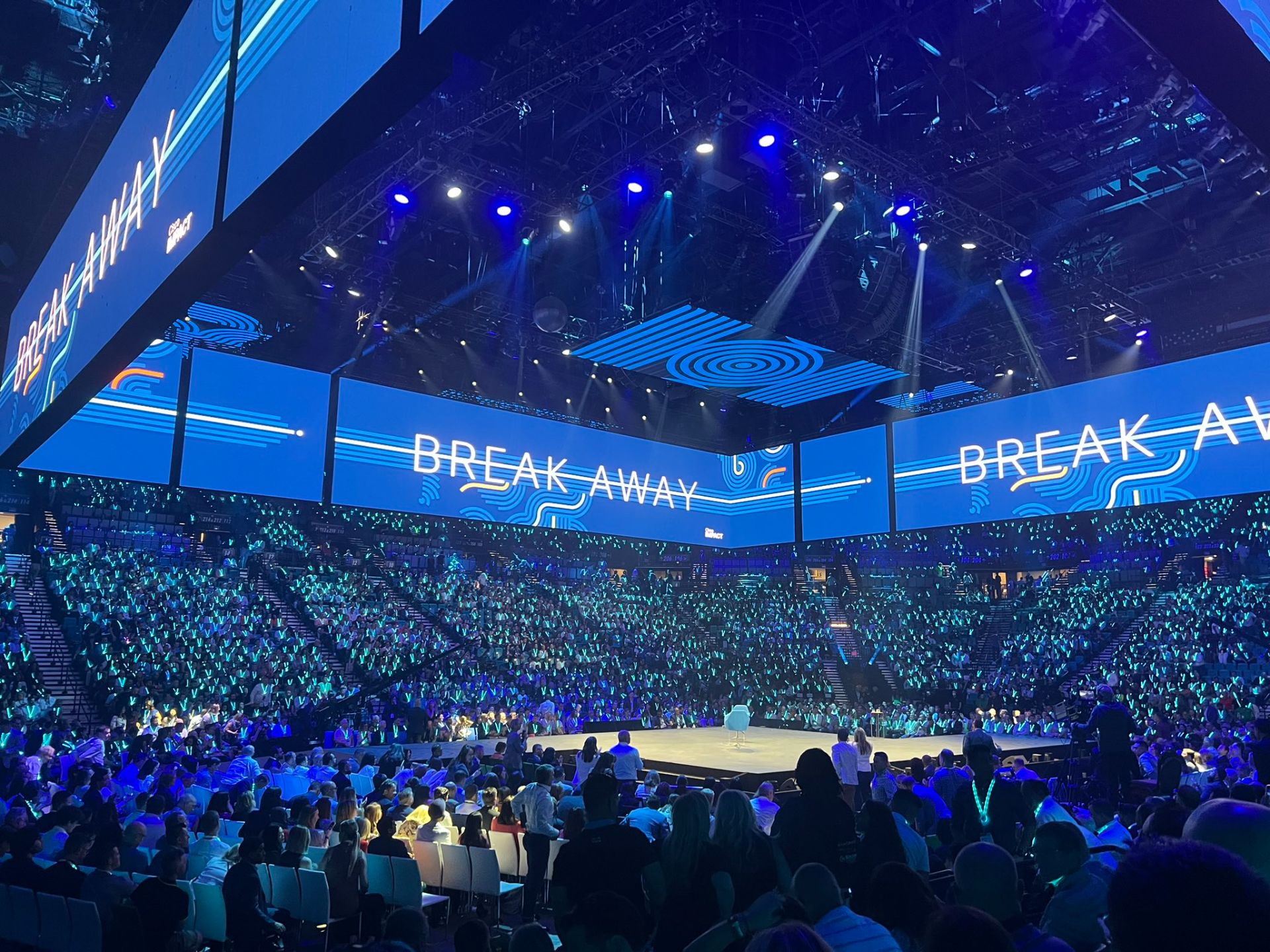
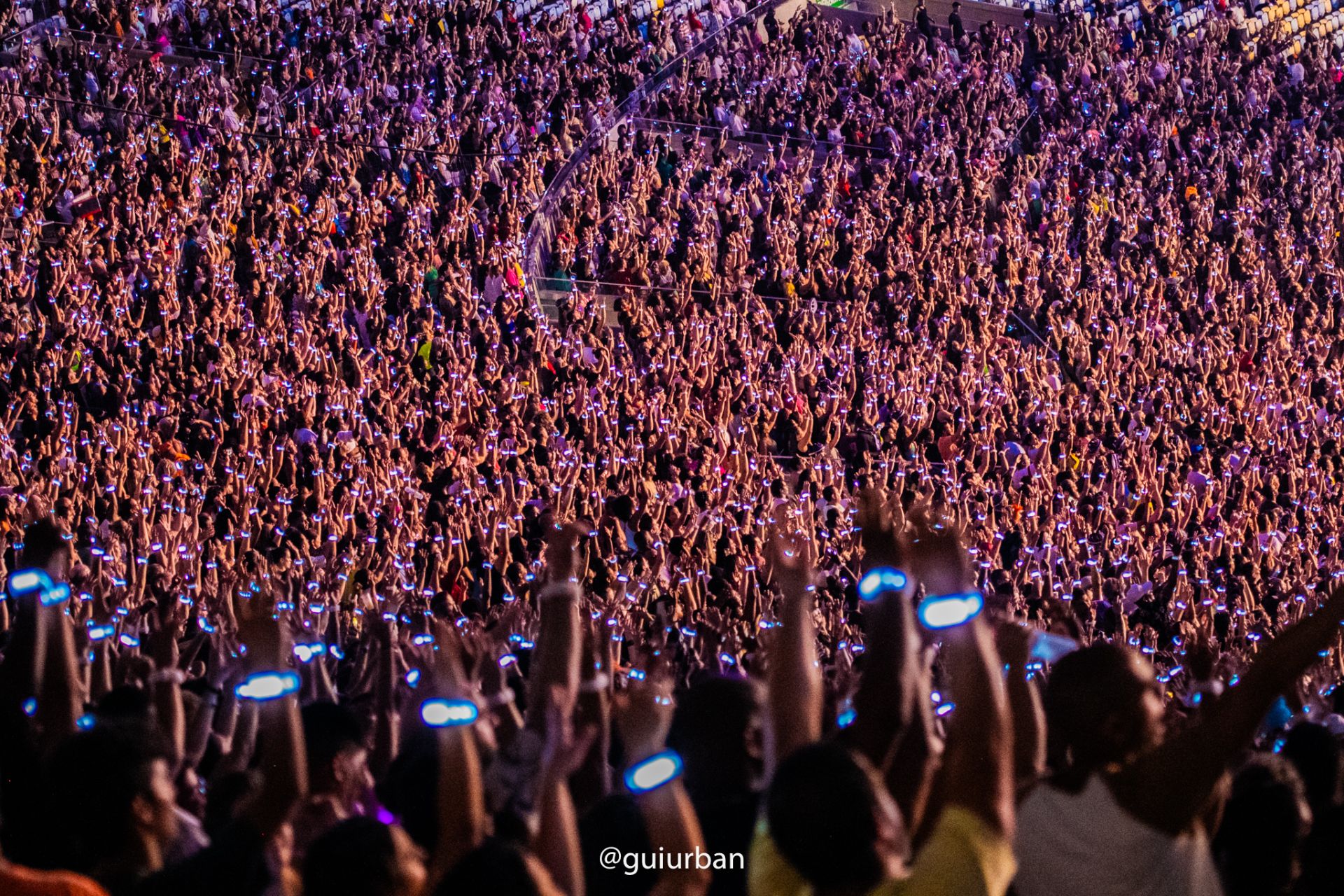
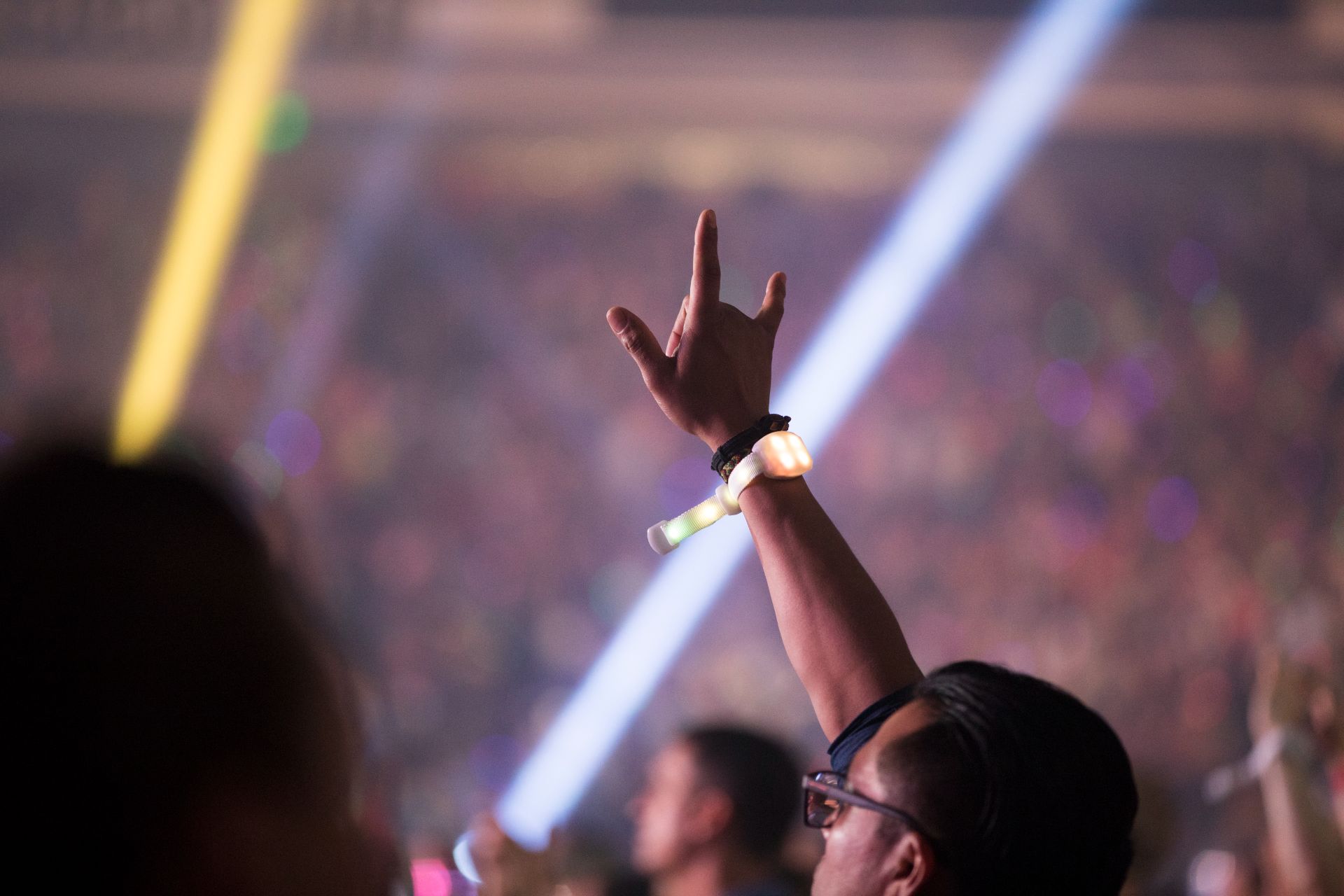
This is where wearable LED technology plays a transformative role. At Xylobands, we’ve witnessed this firsthand. Our LED wristbands, often seen as tools for creating massive, unified visual spectacles for clients like Maluma or at Formula One, also possess a more nuanced capability. They allow us to move beyond a monolithic visual experience. Instead of a single, overwhelming light show, we can create differentiated visual environments within the same space. One section of an arena could pulse with high-energy strobing, while another displays a gentle, cross-fading glow. An individual could even, in theory, have control over their own device, allowing them to opt into the collective light show or choose a calmer setting.
Light as a Tool for Inclusion
This concept of differentiated experience is central to our work. We see the audience not as a uniform mass, but as a sea of individuals. Our radio-controlled LED wristbands and other LED wearables, like the custom LED Lanyards we developed, are nodes in a complex, dynamic network. This network can be used to paint with broad, unifying strokes of light—a key part of creating those moments of shared ecstasy that define immersive events. But it can also be used with surgical precision.
By creating zones of varied intensity, we can build a more resilient and welcoming environment. It acknowledges that not everyone craves the front-row, speaker-stack experience. Some find their joy and connection from a calmer vantage point, and our technology must serve them, too.
This approach has profound implications beyond comfort. In broadcast environments, such as our work with ITV on shows like Beat The Chasers, precise control of light is paramount for the camera. But it also creates a more controlled and predictable environment for a studio audience. The same technology that ensures a perfect on-screen look can also prevent sudden, jarring changes that might be distressing for some attendees. It’s about using immersive event technology not just for spectacle, but for stewardship—caring for the audience in our charge.
The Business Case for Empathy
Adopting a more inclusive design philosophy is not just an ethical imperative; it is a strategic one. The neurodiverse community alone represents a significant and often underserved segment of the potential market. By thoughtfully considering their needs, we unlock access for them, their friends, and their families, who may have previously hesitated to attend large-scale events.
Moreover, designing for the "extremes" often yields benefits for everyone. The curb-cut effect is a classic example: a ramp designed for wheelchair users also helps people with strollers, delivery carts, and rolling luggage. In live events, a similar principle applies. Clearer signage, designated quiet areas, and more predictable sensory flows create a less stressful and more enjoyable experience for all attendees, not just those with specific sensory needs.
As event producers, tour managers, and brand marketers, our goal is to create unforgettable moments of connection. The next frontier in this mission is to ensure those moments are open to all. It requires empathy, creativity, and a willingness to question our assumptions about what a live experience must be.
By leveraging tools like Xylobands to create more adaptable and personalized sensory environments, we can move beyond one-size-fits-all spectacles. We can build experiences that are not only dazzling and immersive but also deeply and genuinely inclusive. We can build a world where the lights don’t just put on a show, but also guide everyone home.