The Audience as Instrument: A History of Participation
From Ancient Choruses to Smart Crowds: The Evolution of Audience Participation
The desire to bridge the gap between performer and spectator is as old as performance itself. From the call-and-response of ancient Greek theatre to the lighters-in-the-air moments of classic rock concerts, artists and innovators have always sought ways to dissolve the fourth wall and invite the audience into the heart of the show. This is a story of technological evolution, creative ambition, and the timeless human need for collective experience.
The Early Days: Voice, Presence, and Applause
In the beginning, participation was analog and unamplified. The chorus in Greek tragedies acted as a collective voice, representing the community and reacting to the drama on stage. In the centuries that followed, audience participation was largely measured by volume: the roar of the crowd at the Colosseum, the jeers in a Shakespearean Globe Theatre, or the thunderous applause of an opera house. The audience was a barometer of success, their reactions a vital, if uncontrolled, part of the performance.
The 20th century introduced new, albeit simple, technologies of participation. The protest songs of the 1960s turned festival fields into unified choirs. The simple act of holding a lighter aloft during a ballad—a tradition reportedly started by fans of Bob Dylan’s band—created a new visual language for shared emotion, a scattered constellation of tiny flames in the dark.
The Dawn of Controlled Visuals: From Flashcards to Pixels
The first attempts to truly orchestrate the audience visually came in the form of card stunts in large-scale sporting events. Requiring immense coordination, these low-tech displays turned stadium crowds into giant, living Jumbotrons, spelling out messages or creating massive mosaics. It was a powerful demonstration of what could be achieved when every individual becomes a pixel in a much larger picture.
The arrival of the digital age hinted at something more dynamic. Early experiments with mobile phones, asking audiences to hold up their screens, were a step forward, but the effect was inconsistent and distracting. The colors were chaotic, the brightness varied, and the sea of glowing rectangles pulled focus away from the stage. The core idea was there, but the technology lacked the seamless integration required for true immersion.
The LED Revolution: The Crowd Becomes the Canvas
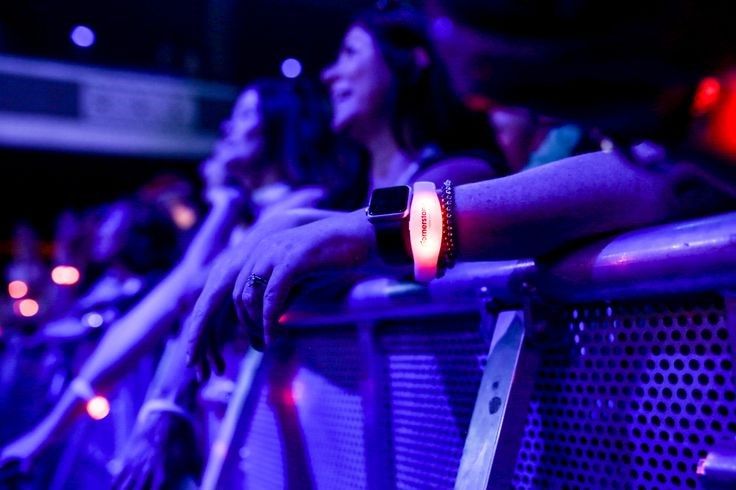
The real paradigm shift arrived with the invention of radio-controlled LED wristbands. This was the moment the audience transformed from a passive observer into a dynamic, controllable, and integral part of the show’s lighting design. The journey of Xylobands is a prime example of this inventive leap. Inspired by the lyrics of Coldplay’s “Fix You,” our founder Jason Regler envisioned a way to make the phrase “lights will guide you home” a literal, shared reality for every person in the crowd.
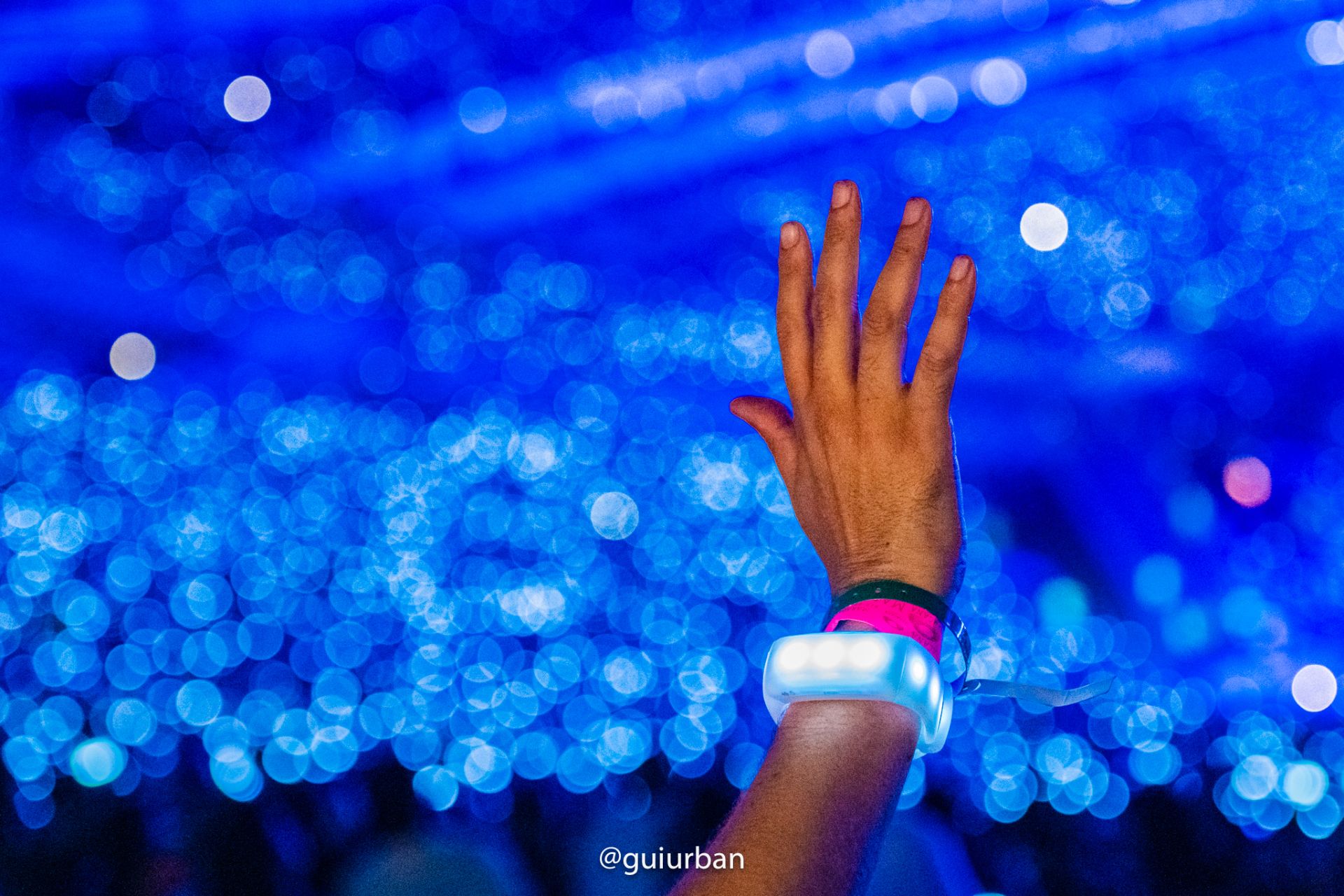
When Coldplay Xylobands debuted on the Mylo Xyloto tour in 2012, they introduced a new grammar for live performance. Suddenly, the entire arena could pulse with color, synchronized to the beat of a song. Lighting designers could now paint with a human canvas, creating waves of light that washed over tens of thousands of people, isolating sections in specific colors, or making the entire venue sparkle on cue. This wearable LED technology didn’t just add to the show; it redefined its boundaries.
Immersive Event Technology in the Modern Era
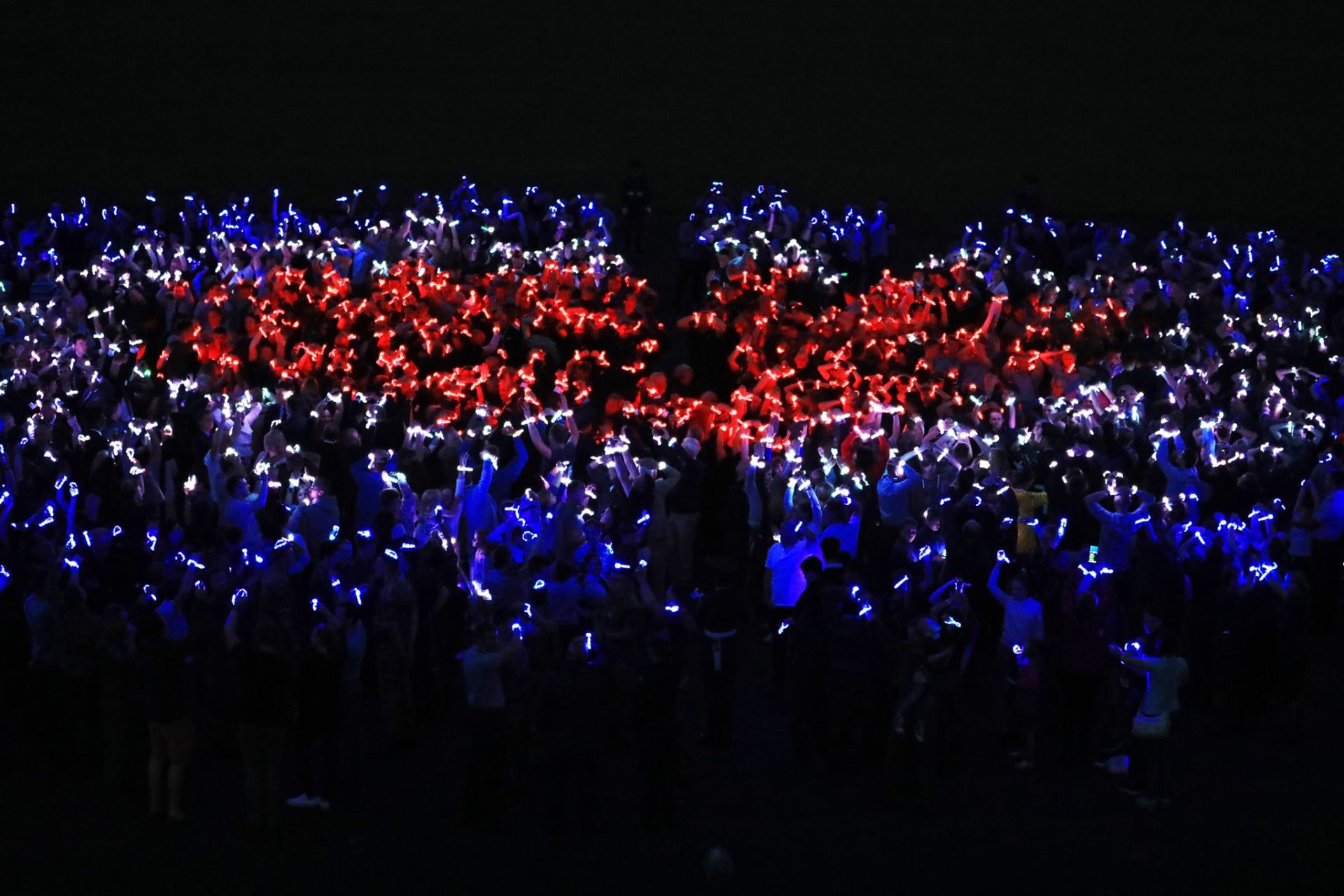
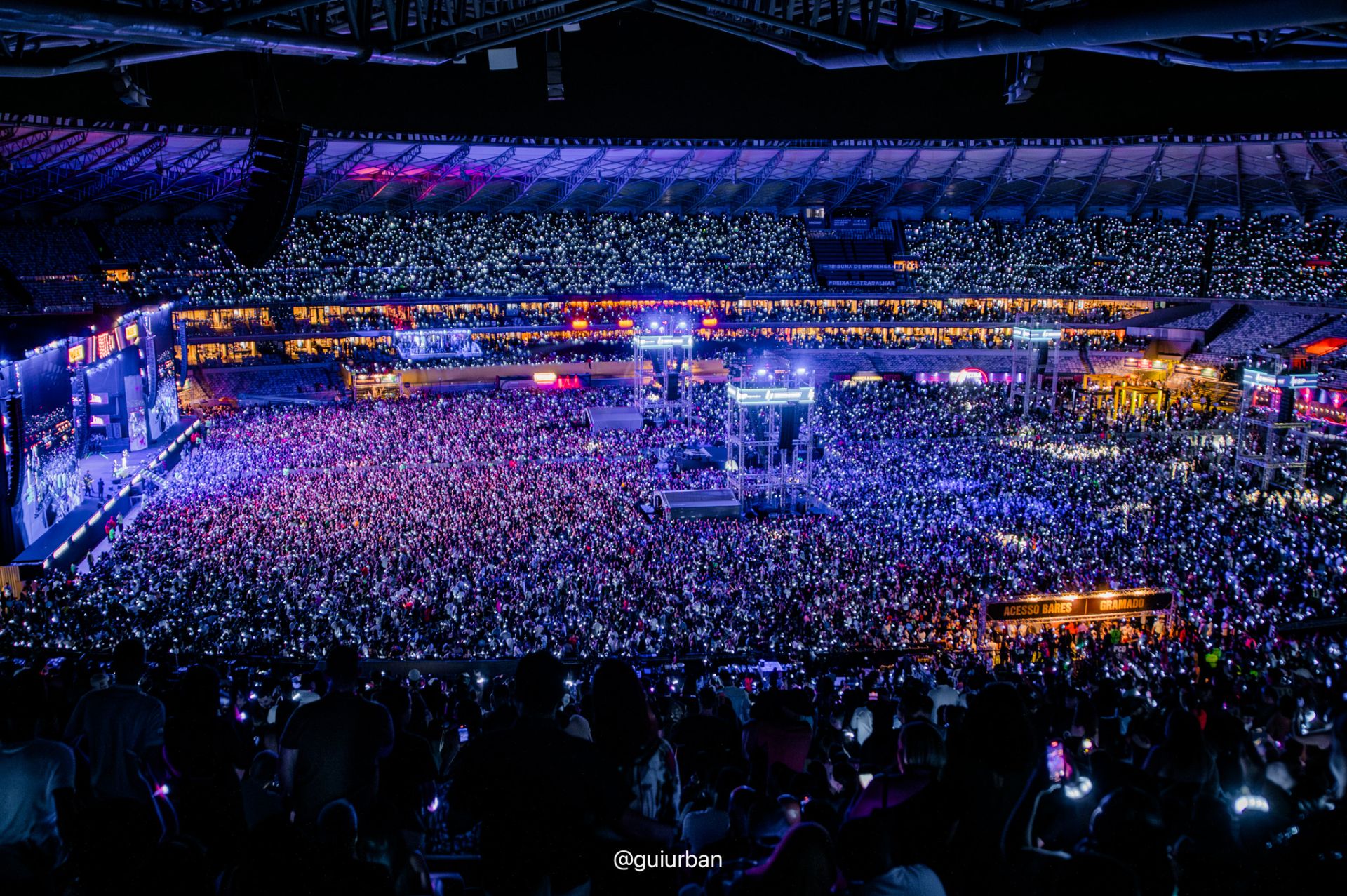
Today, this technology has become a staple for creating LED crowd experiences across every genre of live event. At music festivals like Greece’s PRIMER, festival wristbands unite thousands of fans into a single, pulsing organism. For global broadcast events, such as those for ITV or the Davis Cup, this technology ensures the audience at home feels the same electric energy as those in the venue. For Maluma’s historic homecoming concert in Medellín, concert wristbands helped amplify a landmark cultural moment for a global streaming audience.
The applications have expanded far beyond music. Major sporting events, from the Formula One 75th anniversary to the Rugby World Cup, use custom LED wristbands and LED Lanyards to heighten the drama and energize fans. Corporate events and brand activations have also embraced this tool, creating unforgettable immersive events that make every attendee feel like a central part of the experience.
The technology itself has continued to evolve. The latest systems offer more than just light; they offer data and control. Production teams can now use wristbands to manage crowd flow, enhance safety protocols, and even gather real-time analytics on audience engagement. From wristbands to LED Orbs and other interactive shapes, the palette for creating immersive moments continues to grow.
The Future of Participation: A Connected Experience
The history of audience participation is a story of ever-deepening connection. What began with the human voice has evolved into a sophisticated, technology-driven dialogue between the artist and the audience. We’ve moved from passive observation to active, meaningful participation, where every individual contributes to the collective spectacle.
As we look to the future, this trend is only set to accelerate. The next generation of LED event technology will offer even greater levels of personalization, interactivity, and integration. Yet, the goal remains the same as it was in the amphitheaters of ancient Greece: to create a shared experience so powerful it transcends the individual, forging a temporary community bound by light, sound, and collective joy. The audience is no longer just in attendance; they are the instrument, and they have never sounded, or looked, more brilliant.