The Responsible Spectacle: A New Blueprint for Sustainable Event Production
The End of the Throwaway Experience
For decades, the engine of live events ran on disposability. Tickets, plastic cups, and cheap merchandise were the transient tokens of an unforgettable night, destined for the landfill the next morning. The spectacle was paramount, and its environmental footprint was an inconvenient afterthought. But a seismic shift is underway. Today’s audiences, artists, and brand leaders are demanding more. They are demanding a new model for live experiences — one that marries the spectacular with the sustainable.
This isn't about compromise; it's about innovation. It’s about building a circular economy within the ephemeral world of live events. The challenge is to preserve the magic, the immersive connection, and the sheer scale of modern productions while designing out the waste. This is the new frontier of event design: creating Immersive Events that are not only memorable but also responsible.
Designing for Durability and Reuse
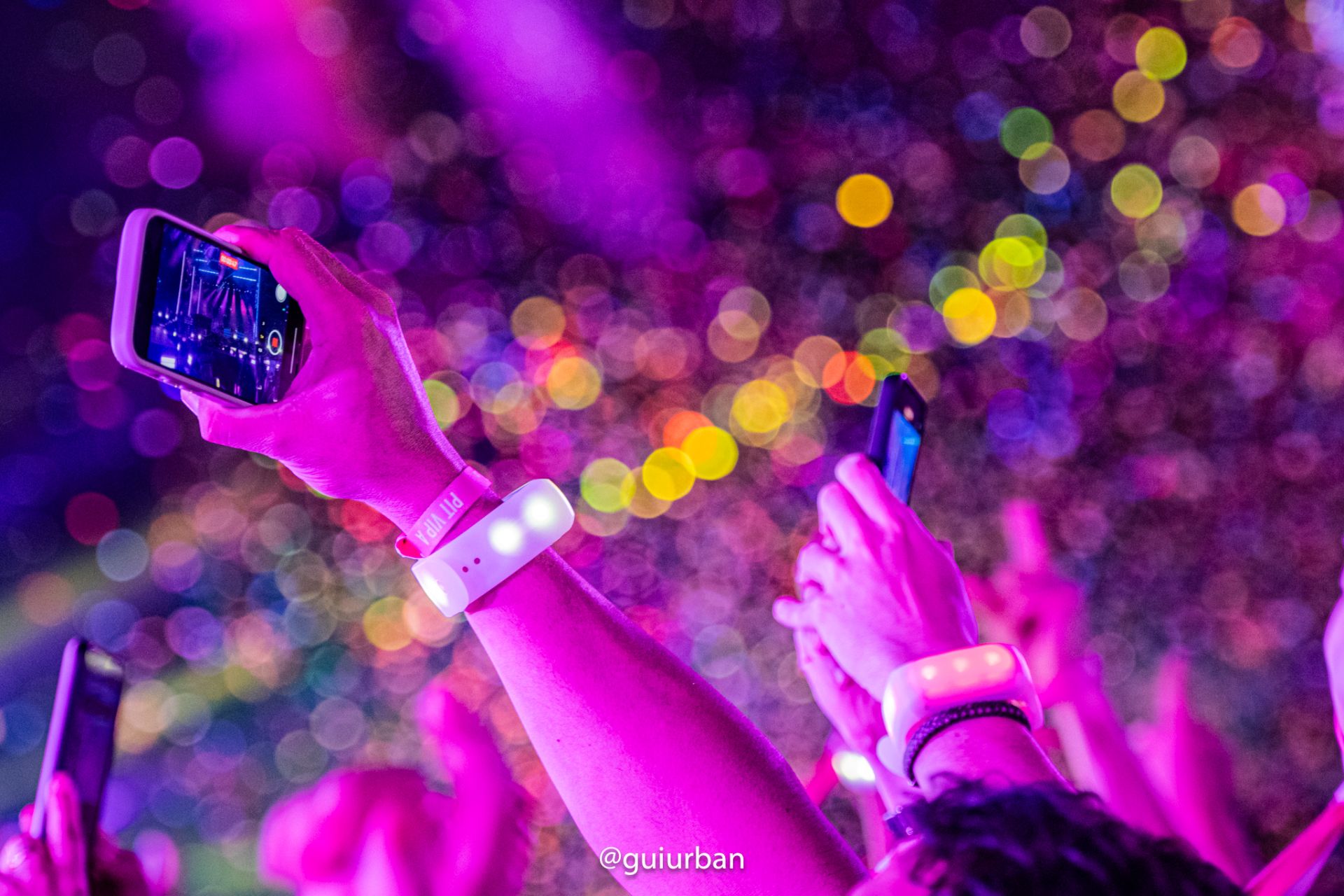
The first step is a fundamental shift in mindset: from disposable to durable. At Xylobands, this principle is woven into our product development and operational logic. Our LED wristbands are engineered for the rigours of global touring and repeated use. This isn't just about robust materials; it's about designing a system where products are returned, refurbished, and redeployed.
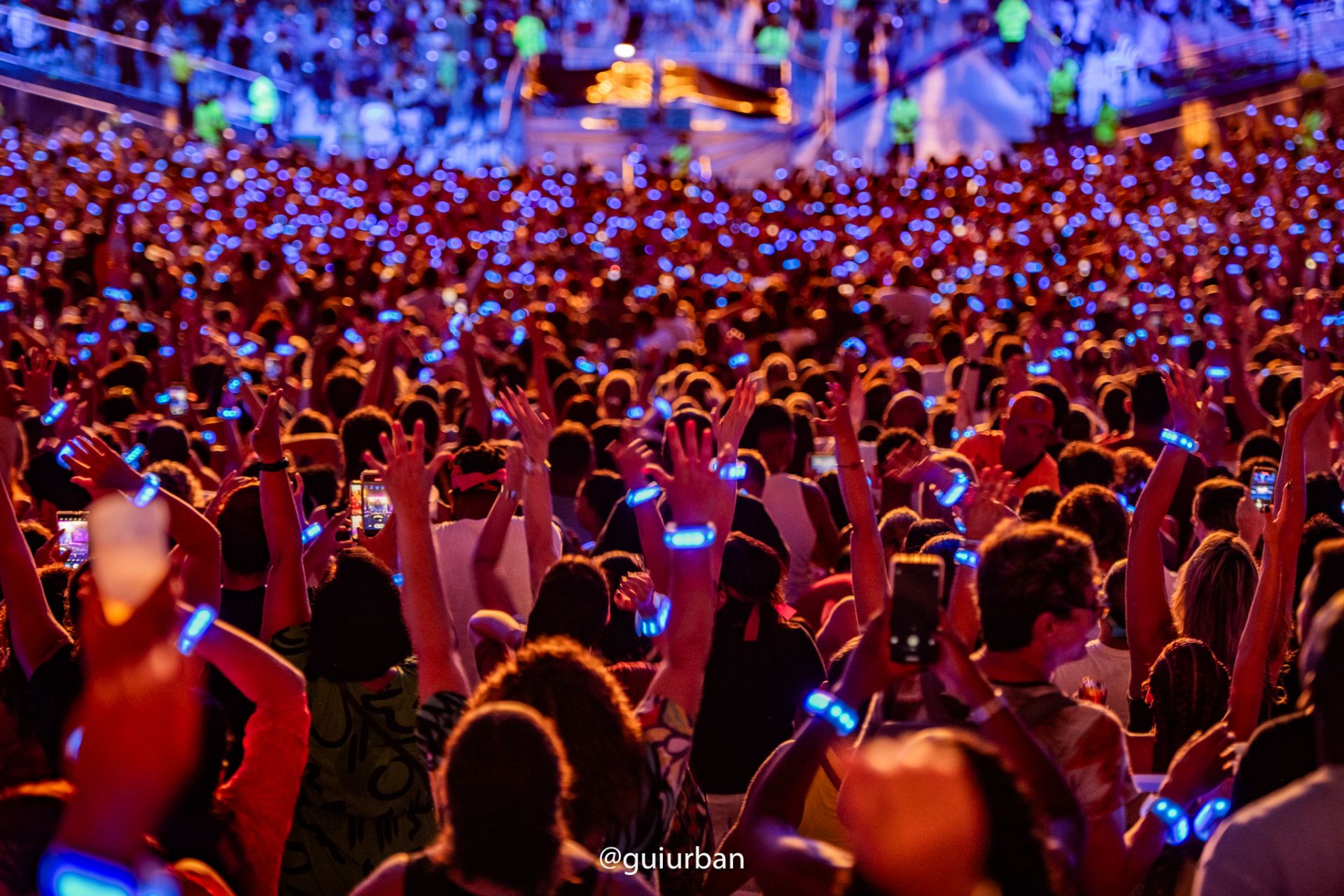
A prime example is our work with Wizkid on his historic, sold-out run at London’s O2 Arena. For three consecutive nights, the same stock of LED Bands was used, topped up as needed, and then collected for future shows. This model of reuse is central to our philosophy. It demonstrates that high-impact LED Crowd Experiences don't have to come with a high environmental cost. By building a robust reverse logistics network, we ensure that our wristbands, lanyards, and orbs spend their lives on the road, not in a landfill.
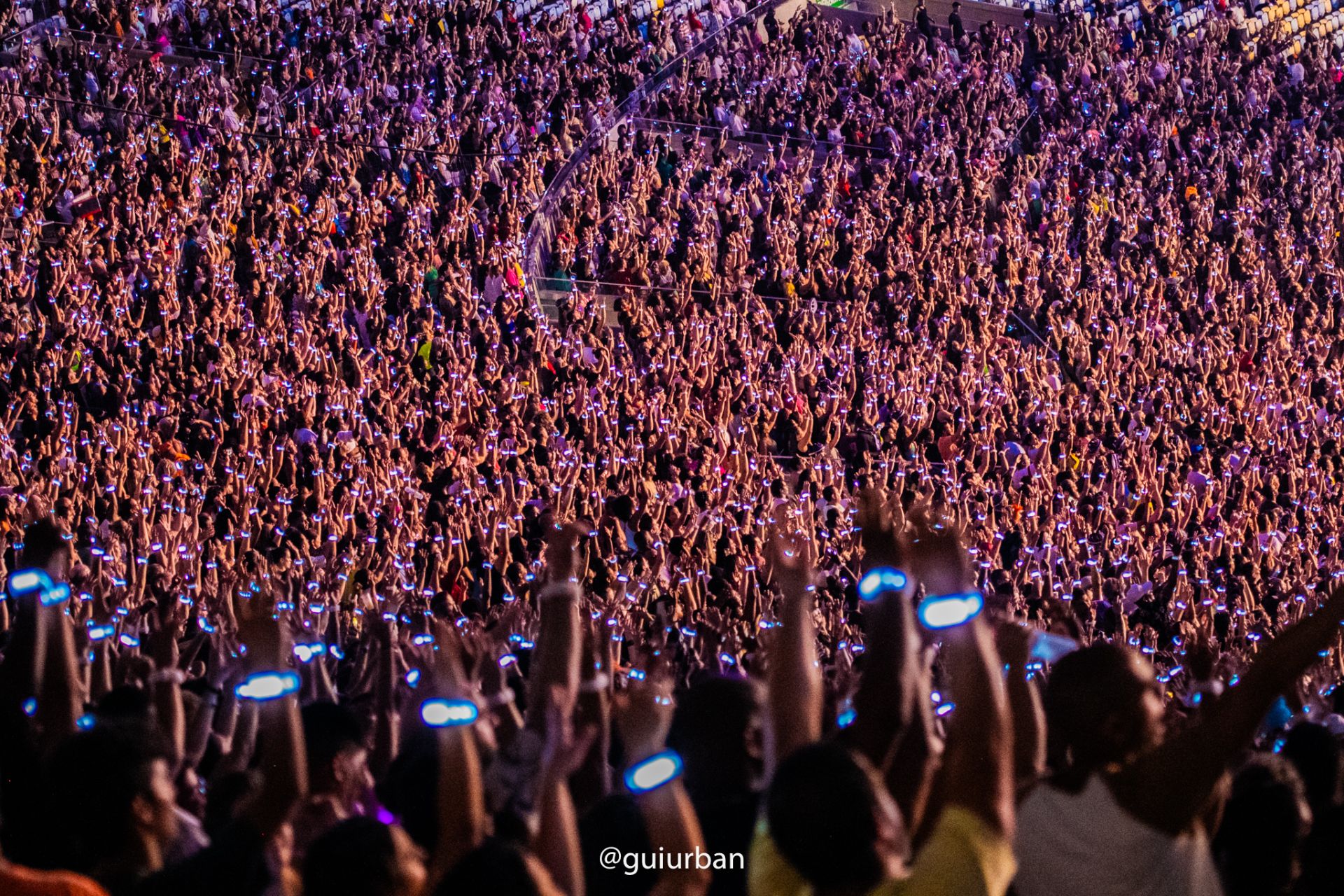
This approach has been adopted across a spectrum of events, from multi-day music festivals like PRIMER in Greece to Corporate Event Activations, where the same set of LED Lanyards might be used for a dozen conferences in a year. The key is a system built on collection, testing, and responsible inventory management.
The Logistics of Responsibility
"The greenest product is the one you already have."
This maxim is a cornerstone of sustainable production. Before manufacturing a single new unit, we look to our existing global inventory. Our logistics are not just about getting wristbands to a venue on time; they are a complex, global chess game optimising for efficiency and minimal carbon footprint. We strategically move assets between continents, ensuring that a set of wristbands used at the Davis Cup in Europe might later illuminate a corporate event in North America.
This global pooling of resources is the unseen architecture of a sustainable event-tech ecosystem. It requires meticulous planning, a deep understanding of international freight, and a commitment to maximising the lifecycle of every product. It transforms a simple Concert Wristband into a reusable asset, a node in a global network of shared experiences.
The Ripple Effect: Influencing the Broader Industry
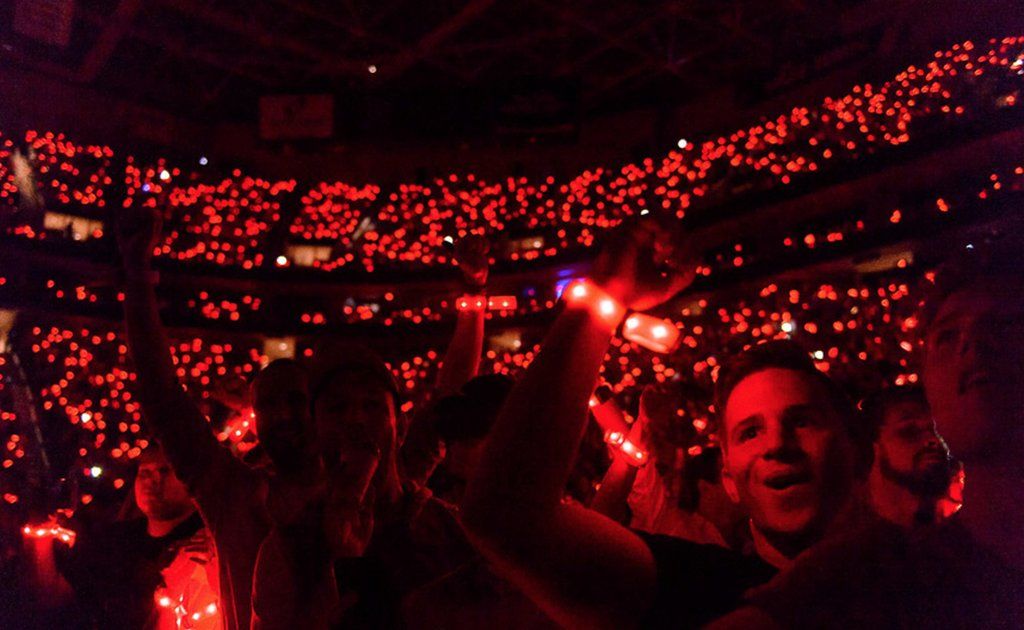
When a technology becomes a central part of a show’s creative DNA, it has the power to influence broader production standards. Our journey began with the Coldplay Xylo Band effect, but it has since expanded to a vast array of global events. When a major tour, festival, or brand like Formula One commits to a reusable technology platform, it sends a powerful message to the entire supply chain.
It signals that sustainability is not a niche concern but a core component of professional excellence. It encourages venues to improve their collection and recycling processes. It prompts artists and producers to ask deeper questions about their own environmental impact. Can we reduce single-use plastics? Can we optimise transport? Can our lighting be more energy-efficient?
Xylobands, as a piece of Wearable LED Technology, often serve as the most direct interface between the audience and the event’s production. By making this touchpoint a symbol of reusability, we can help frame the entire event in a more responsible light. The wristband becomes more than just a light-up novelty; it’s a tangible piece of a larger commitment to doing things better.
The Future is Circular
The ultimate goal is a fully circular economy for live events, where waste is designed out and every element is either reusable or responsibly recyclable. The technology is already here. Radio Controlled LED Wristbands and other forms of LED Event Technology are more robust and energy-efficient than ever before.
The challenge now lies in scaling the operational models and creative frameworks to match. It’s about building partnerships with artists, promoters, and venues who share this vision. It’s about educating audiences on the importance of returning their wristbands and participating in the circular journey. As we’ve seen from the early days of the Coldplay Xylobands to the dazzling displays at Glastonbury Wristbands become part of the show, audiences are eager to be part of something bigger than themselves.
Crafting a sustainable spectacle is the defining challenge of our time for the live events industry. It requires a blend of creative ambition, technical innovation, and logistical mastery. It is a commitment to not just creating unforgettable nights, but to ensuring those memories don’t cost the earth. The responsible encore is not just possible; it’s the future of live experiences.