The Shared Spectrum: A New Standard for Inclusive Live Events
The Unseen Audience: Designing for the Full Spectrum of Experience
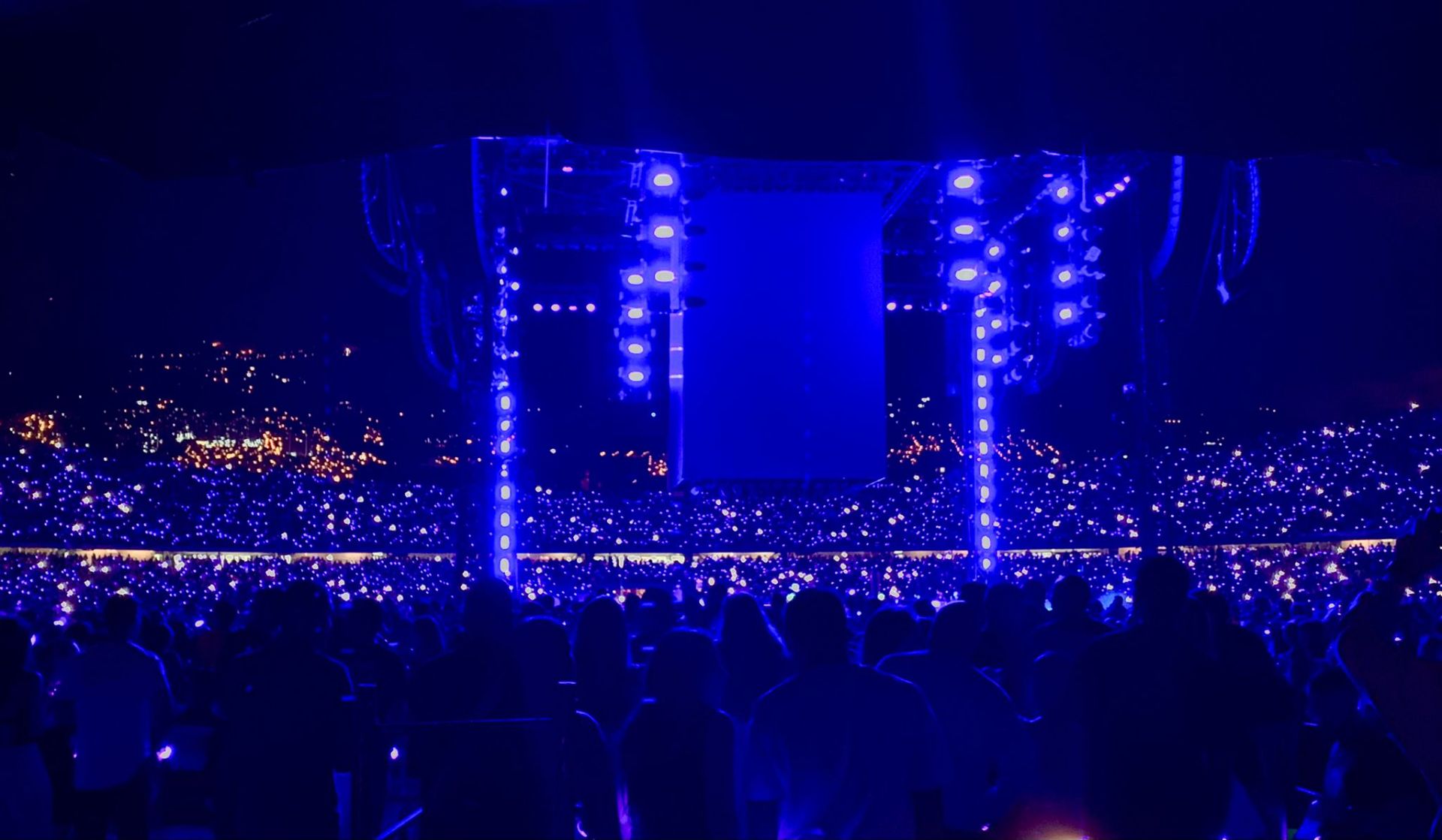
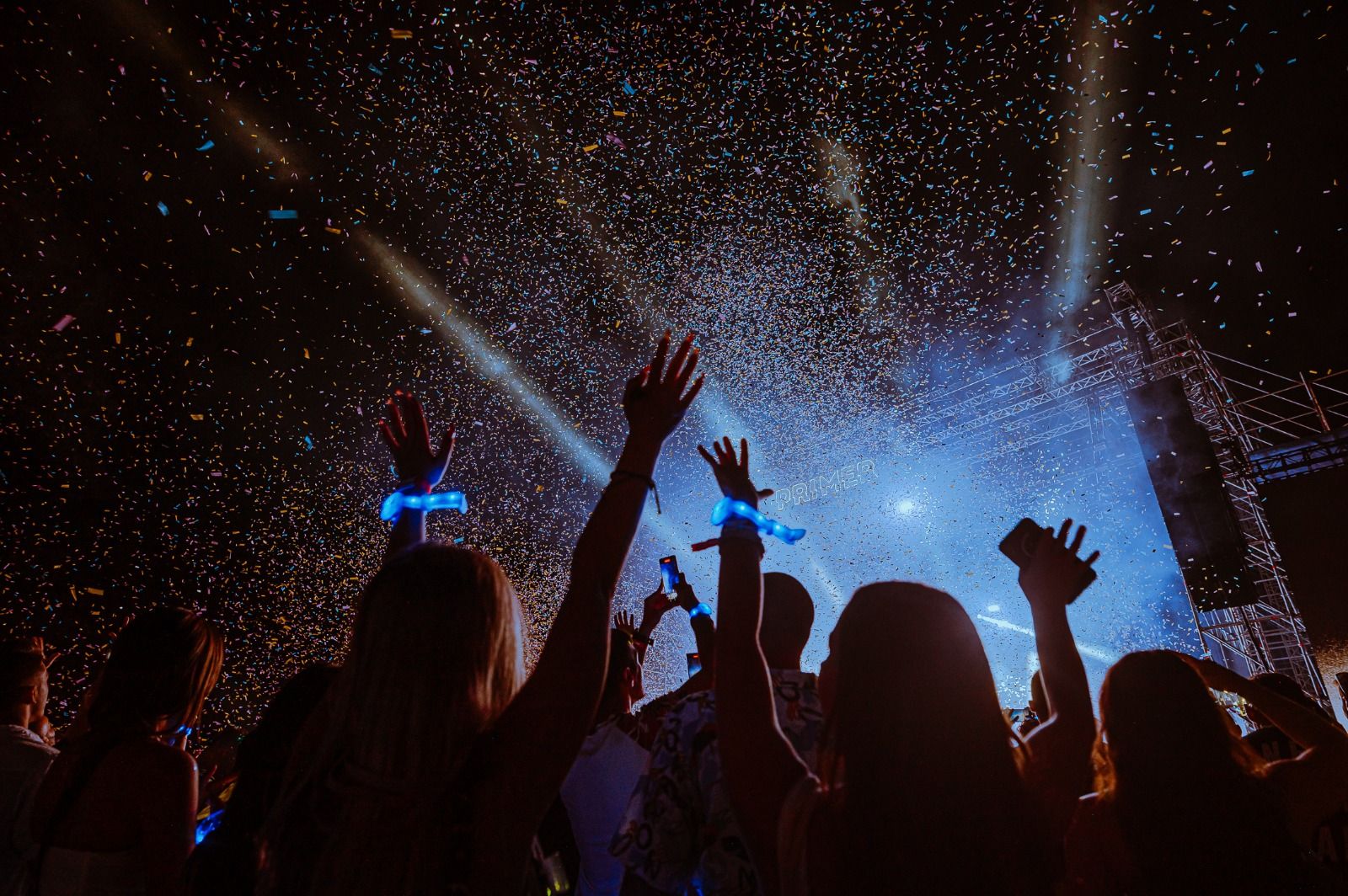
We, as creators of spectacle, are masters of the grand gesture. We paint arenas with light, choreograph sound to stir the soul, and unite thousands of individuals into a single, pulsating entity. From the roar of a stadium at a Formula One Grand Prix to the collective energy of a festival like Primer, our work is to craft moments of profound shared experience. But beyond the visible spectacle, beyond the decibels and the synchronized flashes of LED bands, lies a deeper responsibility: to ensure that the experience is truly shared by everyone present.
The conversation around live events is often dominated by logistics, technology, and artistic vision. We talk about rigging, broadcast feeds, and audience engagement metrics. Yet, a truly successful event is not just measured in numbers, but in the quality of the human experience. And a truly great experience is an inclusive one. This is the new frontier, the defining challenge and opportunity for our industry: designing events that welcome and accommodate the full spectrum of human diversity.
Beyond Ramps: A Deeper Definition of Accessibility
For too long, the concept of “accessibility” in live events has been a shallow one, often limited to physical accommodations like ramps and designated seating areas. While critically important, this is merely the baseline. True inclusive design requires a paradigm shift. It demands we think beyond the purely physical and consider the neurodiverse, the sensory-sensitive, and those with non-visible disabilities.
Consider the sensory input of a modern live show. For most, the explosive pyrotechnics, strobing lights, and enveloping sound are exhilarating. For others, they can be overwhelming, disorienting, or even painful, creating barriers to entry that are just as real as a flight of stairs. An individual with autism, a veteran with PTSD, or someone prone to migraines experiences the same event in a radically different way. Inclusive design asks: how can we engineer the spectacle to be breathtaking without being a barrier?
“True inclusion is not about dilution or compromise. It’s about creative expansion. It’s about providing more pathways to the same shared feeling of wonder and connection.”
This is where Immersive Event Technology offers a powerful toolkit. The same systems used to create stunning LED Crowd Experiences can also be leveraged to create a more controlled and inclusive environment. Imagine designated zones where the intensity of light and sound is modulated, or offering guests wearable technology that provides gentle haptic feedback instead of jarring audio cues. Xylobands, for instance, can be programmed with sophisticated, layered effects. This allows for the creation of calmer, more ambient visual sequences in certain areas, providing a more relaxed sensory experience without sacrificing the collective visual impact. The crowd still shares the light, but the light is tailored to the individual’s needs.
Light as a Language: Guiding, Communicating, and Including
Light is the most powerful, non-verbal tool in our arsenal. We use it to direct attention, evoke emotion, and transform a physical space. In the context of inclusive design, it can also become a vital language of communication and safety. For guests who are deaf or hard of hearing, a vibrating LED Lanyard or a pulsing wristband can signal key moments in a show or convey important safety announcements, a challenge ITV faced and addressed in their productions.
This isn’t just theoretical. At a recent Formula One event, custom LED pendants helped differentiate various groups in a vast arena, guiding them with colour-coded visual cues. In a broadcast setting, like for ITV’s popular ‘Beat The Chasers’, precisely controlled lighting ensures the experience is clear and engaging for millions watching at home, including those with visual impairments who benefit from high-contrast, well-defined visual information. The same Radio Controlled LED Wristbands that unite a crowd in a single moment of euphoria during a Maluma concert can be adapted to serve these diverse needs.
The principle extends to crowd management and flow. In a large, complex venue, navigating the environment can be a source of significant anxiety. Wearable LED Technology can be used for intuitive wayfinding, with wristbands lighting up in a specific colour to guide attendees toward their gate, a quiet room, or an accessible exit, transforming a potentially stressful experience into a seamless one.
The Mandate for an Inclusive Future
Designing for inclusivity is not a niche concern; it is a creative and commercial imperative. It is a commitment to the core principle of live events: that the most powerful moments are those we share together. To exclude a segment of the population, whether intentionally or through oversight, is to diminish the potential of that shared experience for everyone.
It forces us, as producers, designers, and technologists, to be more thoughtful, more creative, and more empathetic. It challenges us to move beyond a one-size-fits-all approach and embrace a model of personalization and choice. The goal is to build environments where every attendee feels not just accommodated, but truly welcomed and catered for.
From Concert Wristbands that pulse in time with a heartbeat to LED Orbs that create calming, ambient zones, the technology is already here. The task now is to apply it with intention, empathy, and a commitment to creating events that are as diverse and multifaceted as the audiences we serve. The future of live entertainment will be measured not just by the scale of the spectacle, but by the breadth of its embrace. It’s time to build a new standard, a shared spectrum where everyone has a place in the light.