The Unseen Atlas: A Masterclass in Global Event Logistics
The Unseen Atlas: A Masterclass in Global Event Logistics
For the audience, the spectacle begins when the house lights dim. But for the artists, producers, and technical teams behind a global tour, the show starts months, sometimes years, earlier. It begins not with a downbeat, but with a logistics plan—a complex, multi-layered strategy for moving hundreds of tonnes of critical equipment across continents, through customs, and into arenas. This is the unseen atlas of global touring, a world where freight forwarders are as crucial as front-of-house engineers, and a customs manifest is as vital as a setlist.
At its core, the logistics of a major international tour or event is a high-stakes ballet of precision and foresight. Consider the challenge: moving delicate, high-value technology—from sound systems and lighting rigs to proprietary tech like our own LED wristbands—across multiple international borders, each with its own unique set of regulations, taxes, and import duties. A single missing document or a miscategorized item in a shipping container can trigger delays that cascade into catastrophic financial and reputational damage. A held container in a port for 24 hours could mean a cancelled show.
The Carnet: Your Golden Ticket
Central to this entire operation is the ATA Carnet, an international customs document that acts as a passport for goods. It allows for the temporary importation of equipment for commercial purposes, tax-free and duty-free, for up to one year. Without a meticulously prepared carnet, a tour’s worth of gear could be subject to crippling import taxes in every country it enters. The detail required is immense; every single item, down to the last cable and connector, must be itemized, valued, and weighed. For a company like Xylobands, a shipment might include thousands of individual LED bands, radio transmitters, and charging units. Each component must be accounted for with surgical accuracy.
This is not simply an administrative task; it’s a foundational element of the tour’s financial viability. The process requires seasoned freight forwarding partners who specialize in live events and understand the unforgiving nature of production schedules. These are the teams who know which ports are notoriously slow, which airlines have the most reliable cargo services, and how to navigate the bureaucratic labyrinth of different customs authorities.
The Cold Chain of Technology
Beyond customs, the physical journey itself presents its own set of challenges. Sophisticated electronics don’t take well to extreme fluctuations in temperature and humidity. Equipment that sits on a sun-baked tarmac in Dubai or in a freezing cargo hold on a transatlantic flight can be compromised. Therefore, logistics planning extends to managing the environmental conditions of the shipment. This might involve refrigerated containers or specialized packing materials to protect sensitive components, ensuring that the immersive event technology that powers the show arrives in perfect working order.
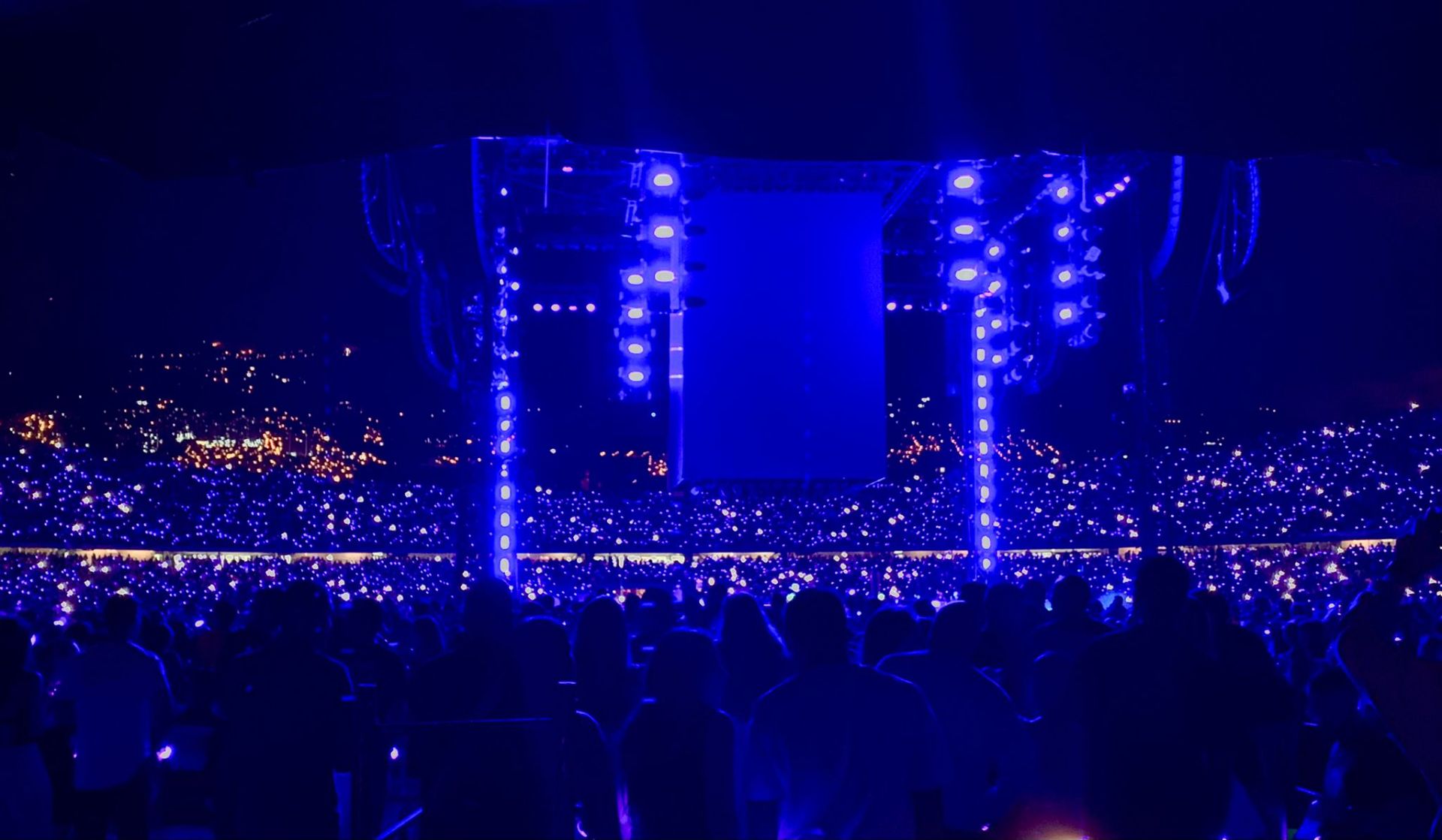
This level of planning was essential for events in diverse climates, from the high energy of PRIMER Music Festival in Greece to the groundbreaking Maluma concert in Medellín, streamed to over 240 countries. In each case, getting the technology to the venue was only half the battle. It had to arrive show-ready.
The Last Mile: Arena and Deployment
The final, and arguably most critical, phase of the logistics chain is the "last mile"—the journey from the local warehouse to the venue itself. Once the equipment clears customs and arrives in the host city, a new set of logistical hurdles emerges. Navigating city-specific traffic patterns, union regulations, and venue load-in schedules requires a deep well of local knowledge.
For a global tour, you cannot simply “ship” something to an arena. You are coordinating a phased arrival of dozens of trucks, each loaded in a specific order for a sequential build. The lighting truss can’t be unloaded before the rigging points are mapped, and the audio system can’t be flown before the stage is built.
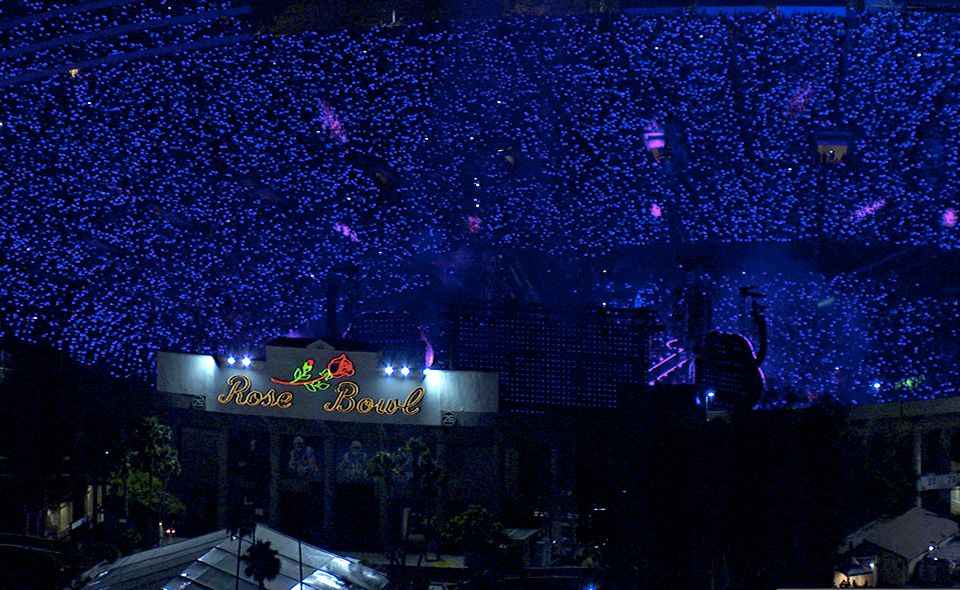
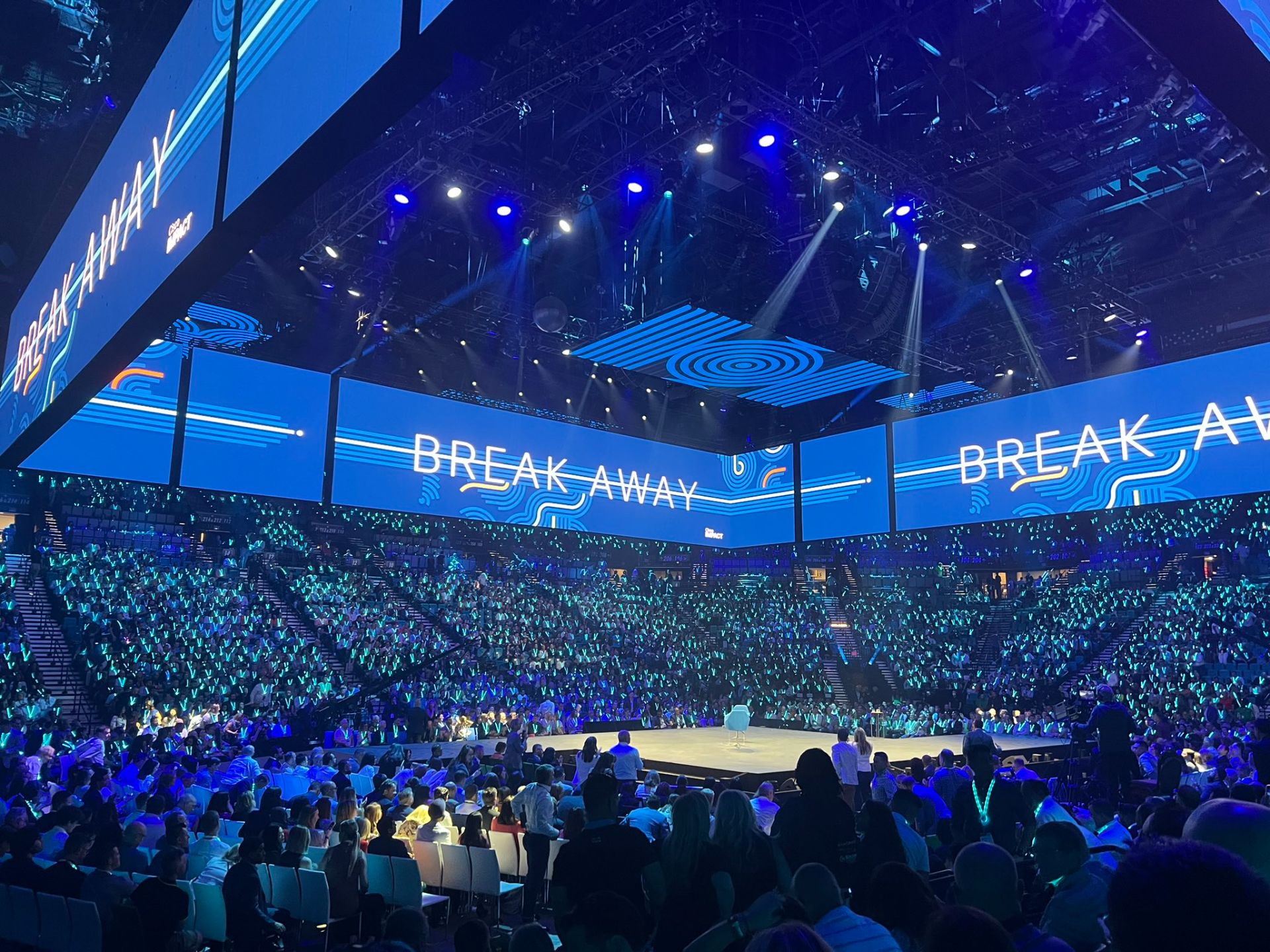
For Xylobands, this extends to the deployment of the product itself. When we deliver 30,000 concert wristbands for a show at The O2 Arena, our work isn’t done when the boxes arrive. Our distro team undertakes the meticulous task of placing those wristbands on every seat, often in specific patterns designed to create complex visual effects across the crowd. It’s the final step in a journey that may have started weeks earlier and crossed thousands of miles, culminating in that shared moment of light and sound. From South American stadiums to European festivals, the principles remain the same: flawless planning, relentless attention to detail, and an unshakeable understanding that in the world of live events, the show must go on. The unseen atlas of logistics is what makes that possible, every single time.