The Unseen Symphony: Deconstructing the Global Logistics of a World Tour
The Overture of Operations
Before the first note is played, before the house lights dim, a complex, high-stakes performance has already been underway for months. It’s a symphony of logistics, played out across time zones, borders, and languages, all to ensure that thousands of pieces of equipment—from the most robust stage structures to the most delicate microchips inside our LED wristbands—arrive at the right place, at the right time, in perfect condition. For the teams behind major world tours and global events, this is the unseen show, a discipline where there is zero margin for error.
Moving a production across continents is one of the most demanding challenges in the live events industry. It involves a deep understanding of freight, customs, and the intricate dance of international regulations. When you add innovative technology like wearable LED technology into the mix, the complexity multiplies. This isn’t just about shipping boxes; it’s about moving the very components of a shared experience, the tools that turn a crowd into a canvas.
The Choreography of Customs and Carnets
Every country has its own rulebook for what can enter its borders, how it must be documented, and what duties are owed. An ATA Carnet, often called a "passport for goods," is a producer’s most critical document, allowing temporary importation of goods without paying duties and taxes. But securing and managing a carnet for a global tour is a monumental task.
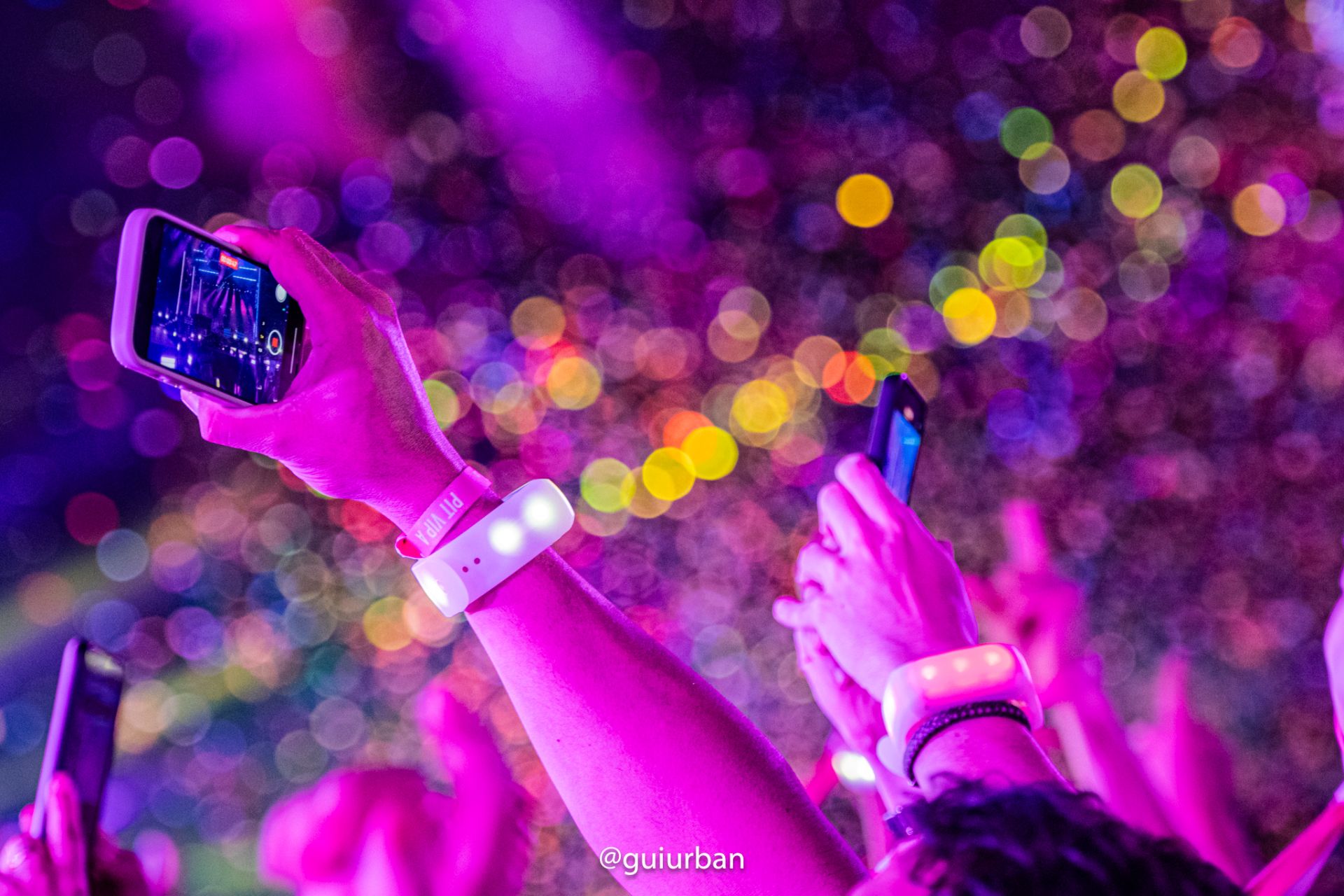
Imagine a manifest that includes everything from mixing consoles and LED screens to thousands of custom LED wristbands, each containing a battery and radio receiver. Every single item must be listed with excruciating detail: serial numbers, weight, value, and country of origin. A single mistake, a misplaced decimal point, or a misclassified item can lead to costly delays, seized equipment, and a show that cannot go on. For technology like our radio controlled LED wristbands, this process requires specialized knowledge. We’re not just shipping plastic and electronics; we’re shipping patented RF technology, and the customs declarations must reflect that accurately to avoid radio frequency licensing issues in each territory.
“We've shipped to over 70 countries. Every single one has a unique challenge. You learn that a deep respect for local bureaucracy is not optional. It’s the foundation of a successful global rollout.”
The Rhythm of the Road and the Air
The choice between air and sea freight is a constant balancing act between speed and cost. Air freight is fast, essential for tight turnarounds between tour dates, but it’s expensive and comes with its own set of restrictions, particularly concerning items with lithium batteries—like our LED bands and LED Lanyards. Sea freight is more economical and can handle larger volumes, but it requires longer lead times and meticulous planning months in advance.
For a stadium tour, a production might use a combination of both. Core infrastructure might travel by sea, while more time-sensitive or supplementary elements, like a fresh stock of wristbands for a new leg of the tour, are flown in. This multi-modal strategy creates a complex supply chain that must be synchronized perfectly. A delay in a sea shipment can have a domino effect, requiring last-minute, exorbitant air charters to keep the tour on schedule.
We saw this complexity firsthand in projects spanning the globe, from lighting up music festivals like PRIMER in Greece to providing custom pendants for a major Formula One celebration in London. Each event, whether a one-off spectacle or a multi-date tour like Maluma’s, requires a bespoke logistics strategy built on experience and foresight.
The Human Element: The Last Mile Team
No amount of planning can replace the need for a skilled team on the ground. The "last mile" of logistics—getting the equipment from the port or airport, through local transport, to the venue, and into position—is where the plan meets reality. This is the work of experienced production managers, freight forwarders, and local crews who know the specific challenges of their city, from navigating narrow streets to understanding the union rules at a particular arena.
When Xylobands are part of a show, our own technical team is part of this final push. They aren’t just delivering a product; they are delivering an experience. Their role involves managing the distribution, activation, and, increasingly, the collection and recycling of the wristbands. This on-the-ground presence provides a crucial layer of quality control and adaptability, ensuring that the immersive event technology performs flawlessly, no matter what logistical hurdles were cleared to get it there.
Crescendo: The Final Delivery
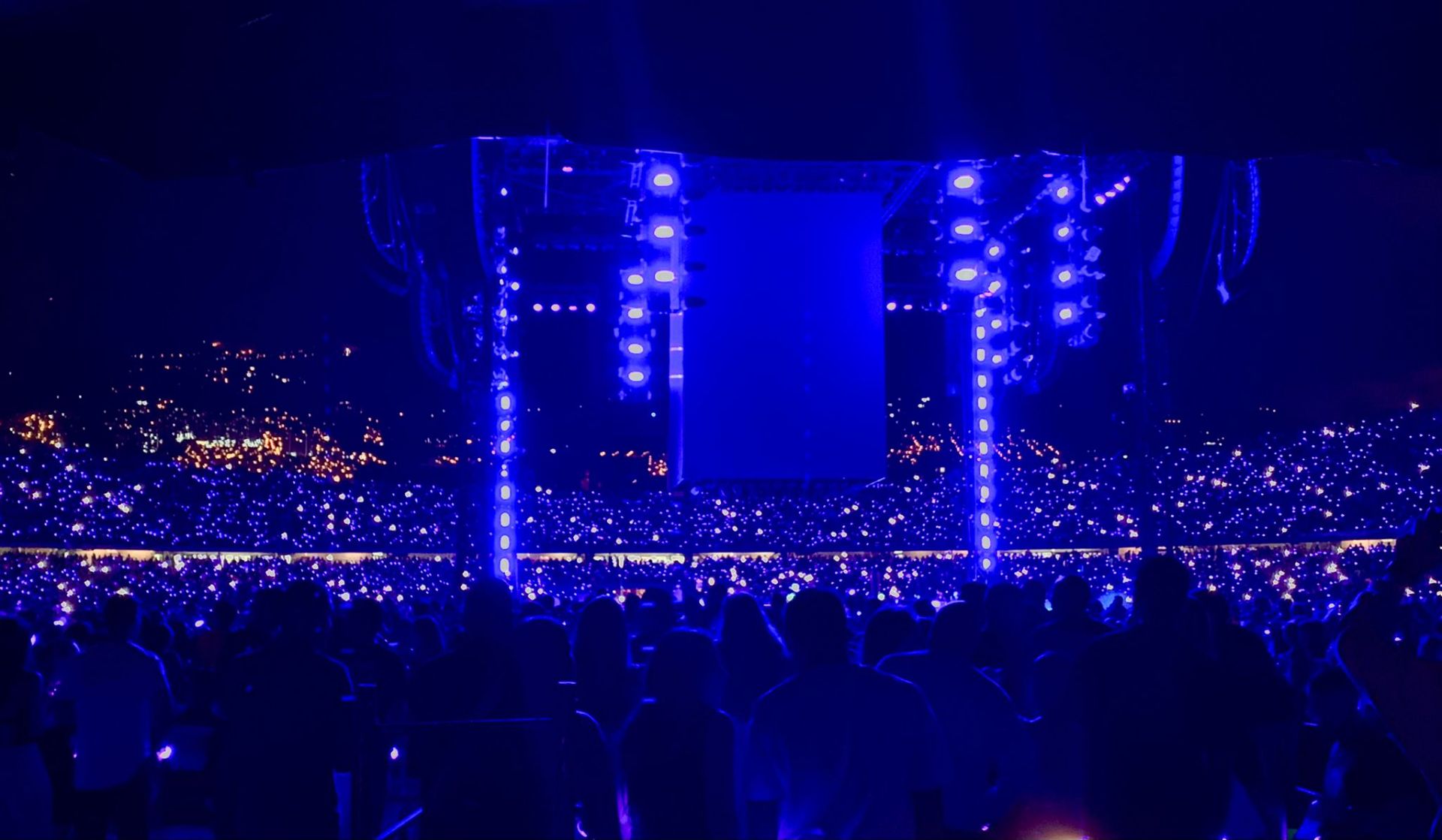
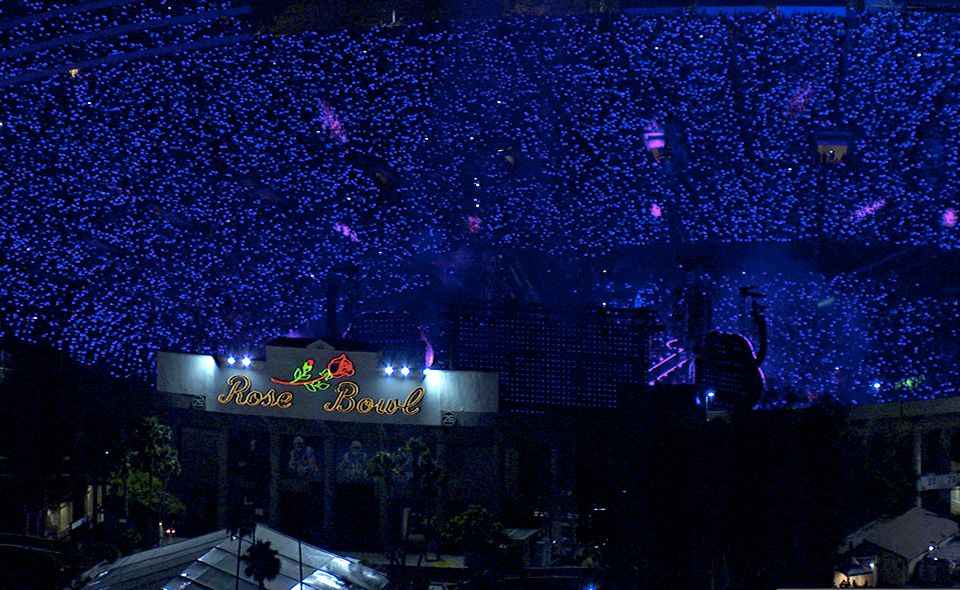
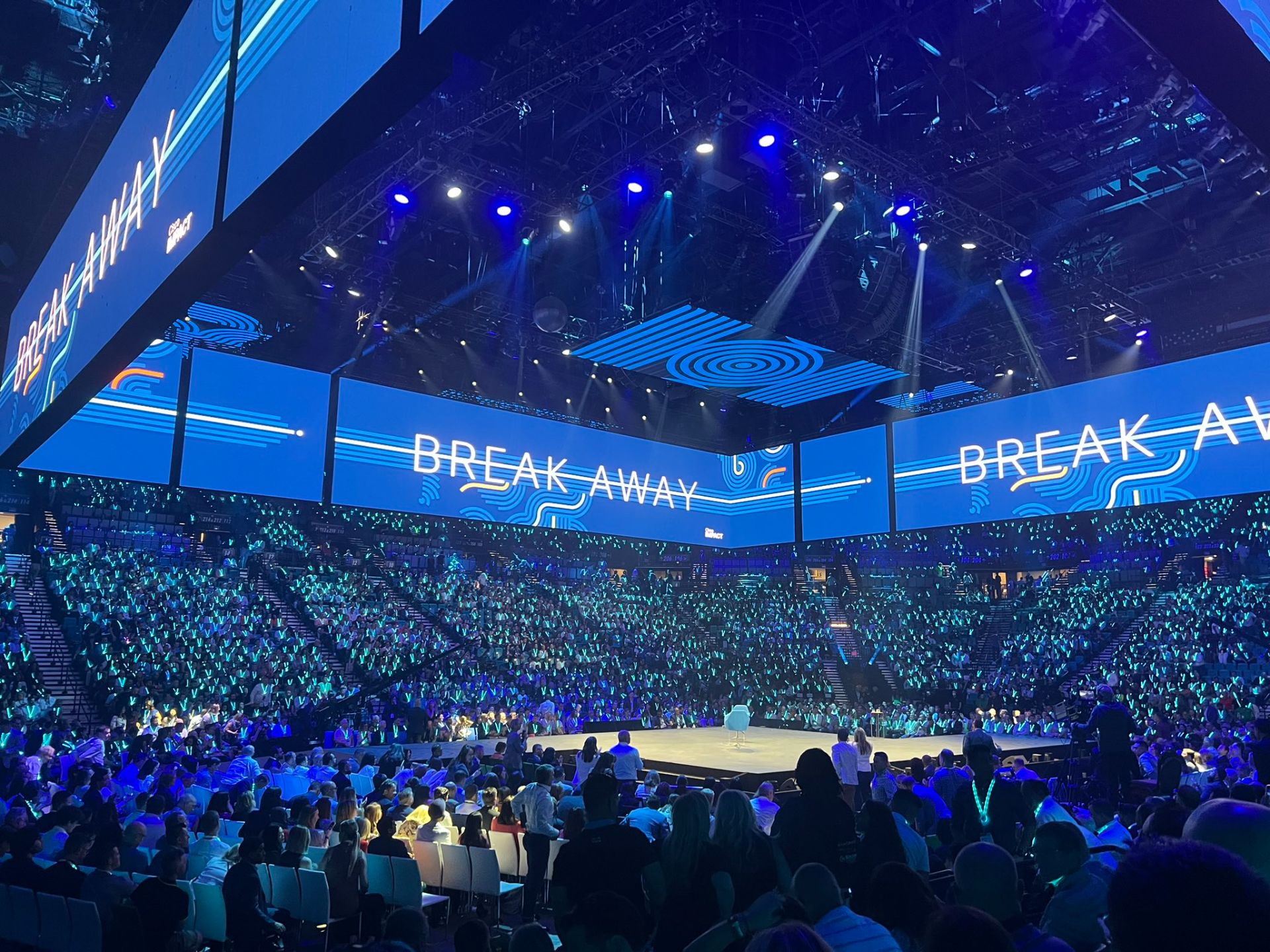
The global logistics of a world tour is a story of navigating immense complexity to deliver a singular, simple outcome: a flawless live experience. It’s an art form that the audience never sees, but one that underpins every moment of collective joy. From the main stage to the Coldplay Xylobands lighting up the highest tier of a stadium, every element has completed a journey. This unseen symphony of movement, planning, and relentless problem-solving is the true foundation of modern LED crowd experiences. It’s a testament to the fact that before you can create magic, you must first master the mundane—one shipping container, one customs form, one flight plan at a time.