The Two-Fold Spectacle: Mastering Light for Both the Arena and the Global Broadcast
The Unseen Audience: Why Broadcast-Ready Lighting is Non-Negotiable
In modern live production, the audience is no longer confined to the arena. For every fan in a seat, there can be thousands, or even millions, watching on screens across the globe. This paradigm shift has fundamentally altered the calculus of event design, especially lighting. An experience crafted for the human eye in a physical space must now also be meticulously engineered for the unblinking lens of a broadcast camera. The roar of the crowd is only half the story; the silent, global audience is just as vital.
This is a world we know intimately. From large-scale sporting events with clients like Formula One and the Davis Cup to televised music competitions for broadcasters like ITV, the challenge remains the same: create a visually stunning experience that translates seamlessly from the venue to the screen. It’s a delicate balancing act. Lighting that feels electric in person can appear as a chaotic, flickering mess on camera. Conversely, lighting designed purely for broadcast can leave the live audience feeling cold and disconnected.
The Camera's Demands: Flicker, Color Temperature, and Dynamic Range
Broadcast cameras are notoriously less forgiving than the human eye. What our brains automatically process and filter, the camera captures with unflinching accuracy. This presents several technical hurdles for lighting designers.
- Flicker Rate: Many LED sources have a refresh rate that, while imperceptible to the naked eye, can create distracting banding or strobing effects on camera, particularly during slow-motion replays. Ensuring all lighting elements, from stage fixtures to wearable technology, are "camera-friendly" with high refresh rates is paramount.
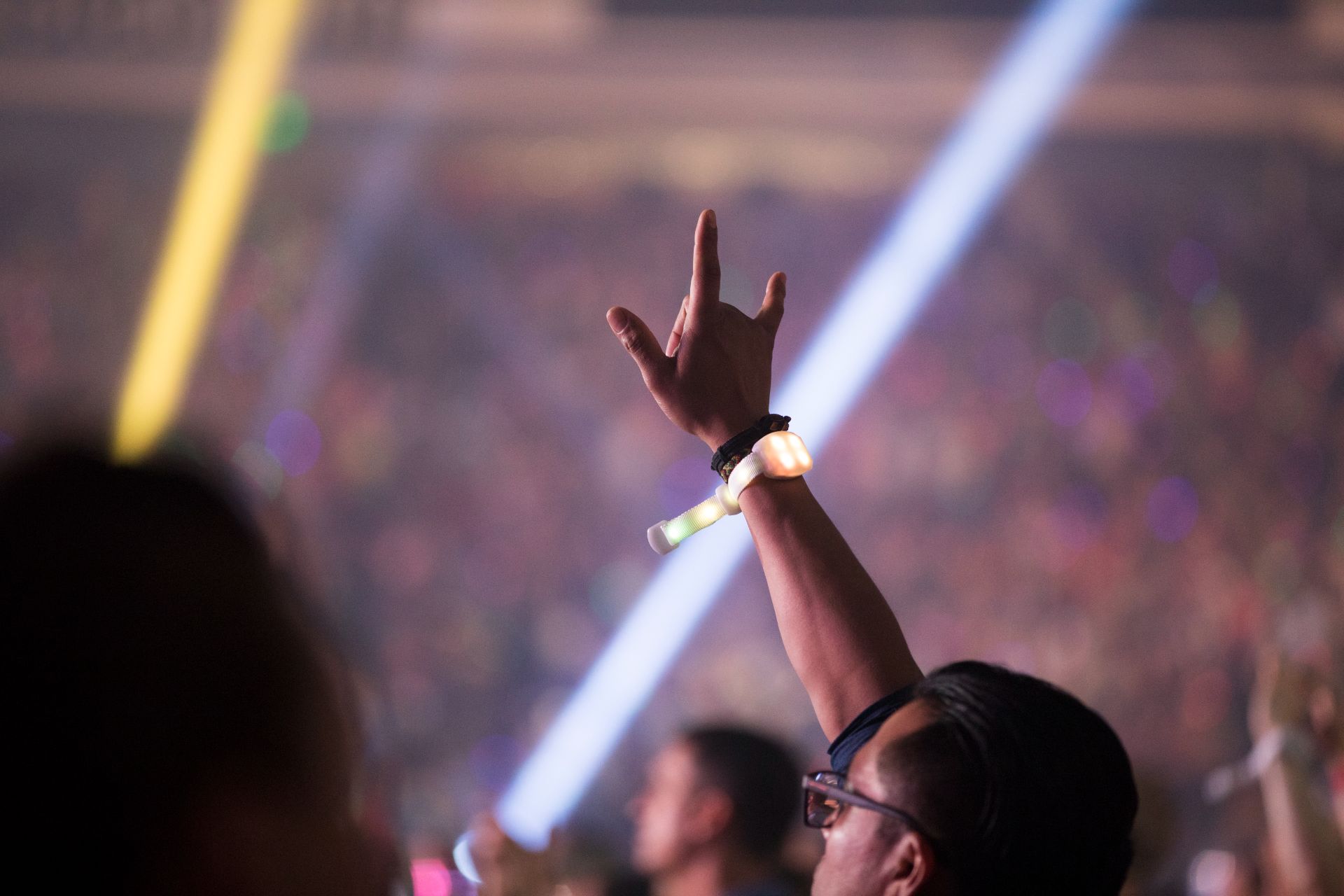
- Color Temperature and Consistency: A camera's sensor requires a consistent white balance to render colors accurately. A mix of lighting sources with varying color temperatures can create a visual palette that is jarring on screen. The goal is a cohesive, cinematic look where colors are true to the creative vision, whether on a performer's face or across an entire stadium of fans wearing LED bracelets.
- Dynamic Range: The gap between the brightest and darkest parts of a scene is the dynamic range. Cameras have a much narrower dynamic range than the human eye. An effect that looks dramatic in person—a single spotlight punching through darkness—can result in crushed blacks or blown-out highlights on screen. Lighting for broadcast means carefully managing this contrast, ensuring detail is preserved in both the shadows and the brightest moments.
Painting with the Crowd: Integrating the Audience into the Broadcast
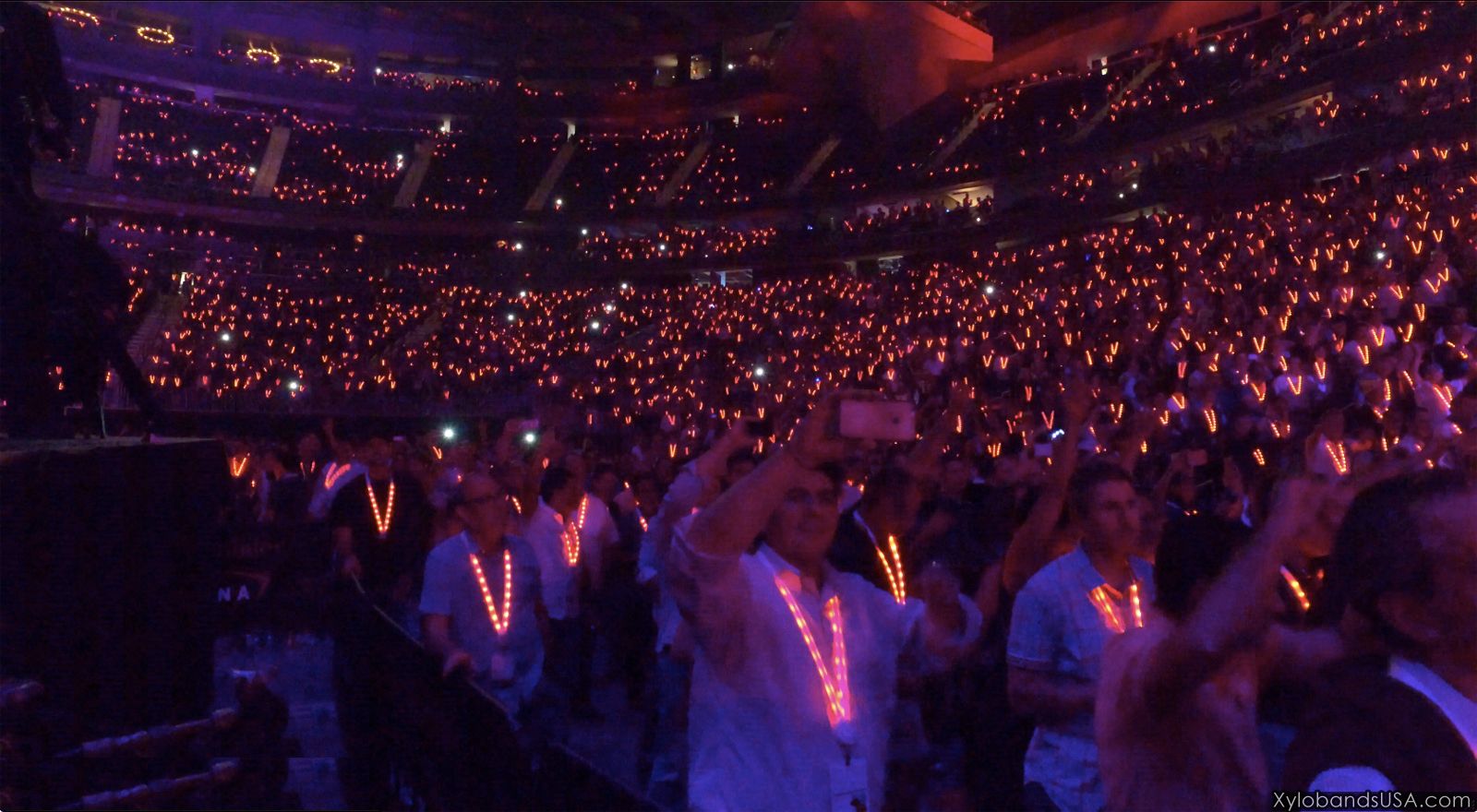
For too long, the live audience has been a passive, often poorly lit backdrop in broadcast events. The modern approach is to transform the crowd from a sea of darkness into a living, breathing canvas of light. This is where wearable LED technology becomes a game-changer for broadcast producers.
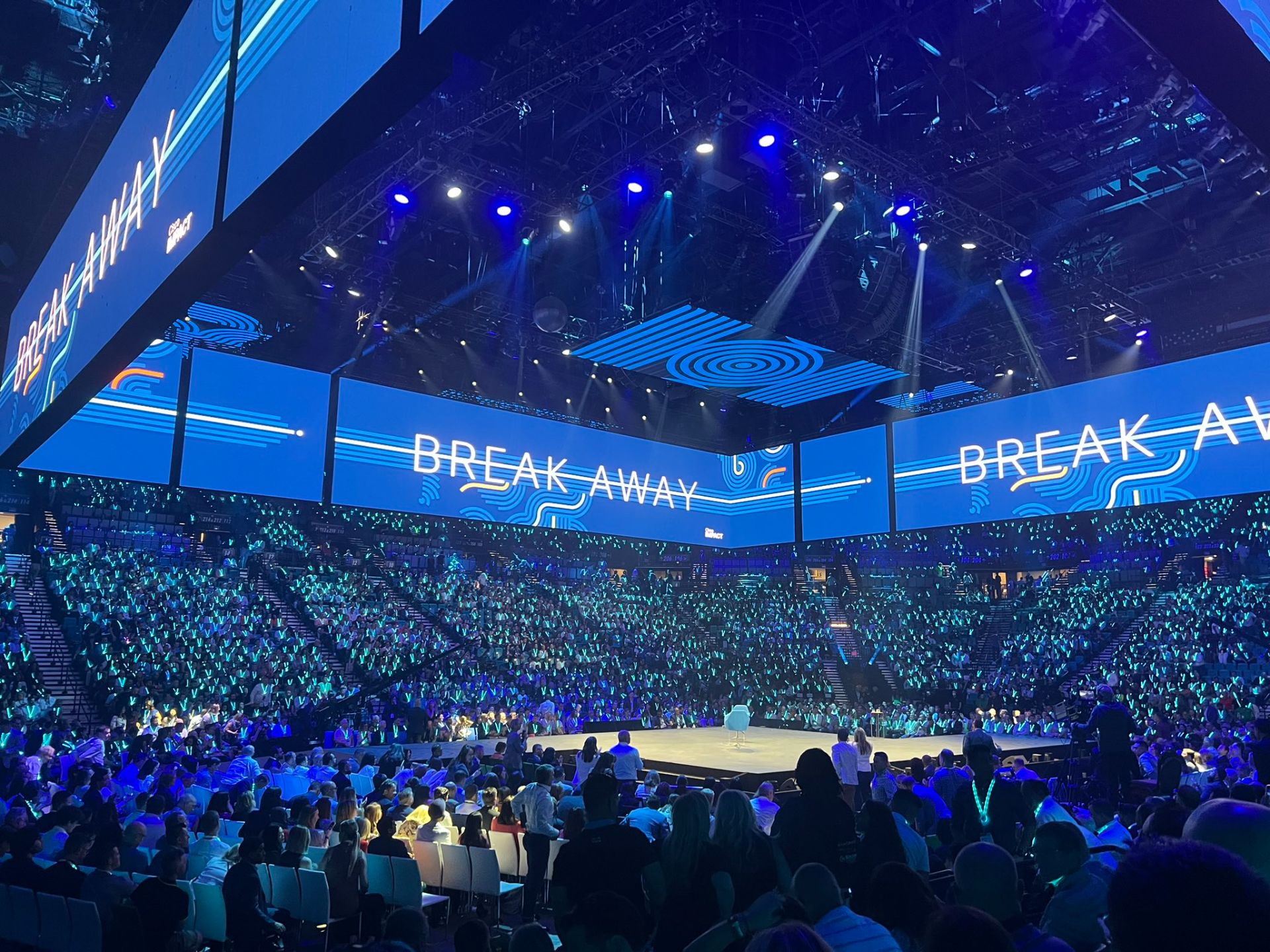
By making the audience part of the show, you create a spectacle that is infinitely more engaging for the viewers at home. Imagine a key moment in a televised song contest or a halftime show. Instead of a static shot of the crowd, the director can cut to a wide angle showing 50,000 points of light pulsing in perfect sync, creating waves of color that wash over the entire arena. This is the power of LED crowd experiences.
This was powerfully demonstrated during Maluma’s 2022 hometown concert in Medellín. The show, streamed live in over 240 countries, used Xylobands to unite the 54,000-strong crowd, turning the entire stadium into a vibrant extension of the stage design. For the global audience on Amazon Prime, it wasn’t just a concert; it was an immersive event, a unified spectacle of light and sound that transcended the physical venue.
From Stage to Screen: A Unified Creative Vision
Achieving a flawless broadcast requires a unified vision from the outset. The lighting designer, broadcast director, and show producer must work in lockstep, making decisions that serve both the live and at-home audiences. This collaboration begins in pre-production, with camera tests, fixture selection, and programming choices all made with the dual audience in mind.
It involves asking critical questions:
- How will this lighting cue look on a wide shot versus a close-up?
- Are the custom LED wristbands programmed to complement the stage lighting for the camera?
- Have we established clear communication protocols for calling cues that affect both the in-venue atmosphere and the broadcast feed?
At Xylobands, our systems are engineered for this new reality. Our radio controlled LED wristbands offer the technical precision—the flicker-free operation, the color accuracy, and the instantaneous response—that broadcast directors demand. We understand that in the world of global live events, you are always producing for two audiences. The fan in the back row and the viewer on their couch both deserve a breathtaking spectacle. With the right technology and a unified creative approach, you can deliver on that promise, creating truly immersive events that captivate everyone, no matter where they are watching.