The Two-Screen Experience: Mastering Light for Broadcast and Live Audiences
The Two-Screen Problem: Engineering for Emotion on Camera and in the Room
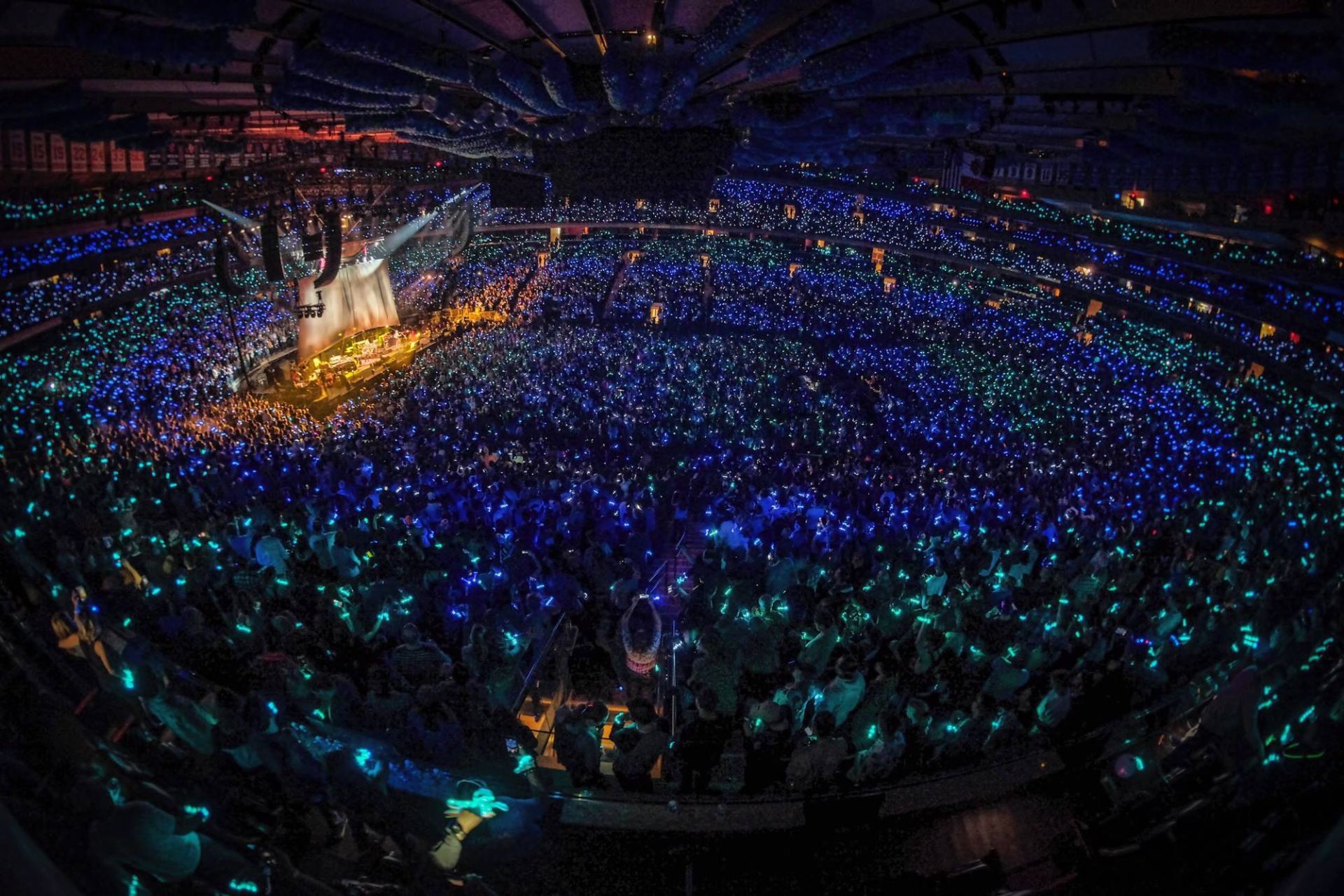
In modern live production, there are two audiences for every event: the thousands in the room, and the millions watching at home. They sit in different spaces, consume the content on different screens, and perceive light, energy, and emotion in fundamentally different ways. For event producers and broadcasters, this creates a unique and complex challenge: how do you design a single lighting experience that feels spectacular to both? This is the two-screen problem.
The live audience craves raw energy, scale, and the visceral feeling of being part of a collective. The broadcast audience, however, sees the event through the unflinching, high-definition eye of a camera. Their experience is framed, focused, and filtered. What looks epic in an arena can appear chaotic or blown-out on a television; what feels intimate on screen can feel underwhelming in person. Mastering the art of lighting for both requires a deep understanding of technology, psychology, and storytelling.
For years, Xylobands has worked at the intersection of these two worlds, engineering Immersive Event Technology that bridges the gap between the live and broadcast experience. Our long-standing partnership with broadcast giants like ITV is a testament to the power of this specialized discipline.
The ITV Partnership: A Laboratory for Broadcast Innovation
ITV isn’t just a client; they are a key creative and technical partner. Together, we’ve spent years refining the science of lighting for the camera. On high-stakes, globally televised events like Beat The Chasers, The Masked Singer, and the Eurovision Song Contest, failure is not an option. The light show has to be flawless, not just for the studio audience, but for the millions of viewers whose perception is entirely shaped by what the camera captures.
"The camera is the most important member of the audience. It never blinks, it never looks away, and it sees everything. You have to design for it."
Our collaboration focuses on creating camera-ready LED Crowd Experiences. This goes far beyond simply handing out wristbands. It involves a meticulous process of pre-visualization, technical calibration, and on-site engineering to ensure that every pulse of light translates perfectly to the screen.
Key Technical Considerations for Broadcast:
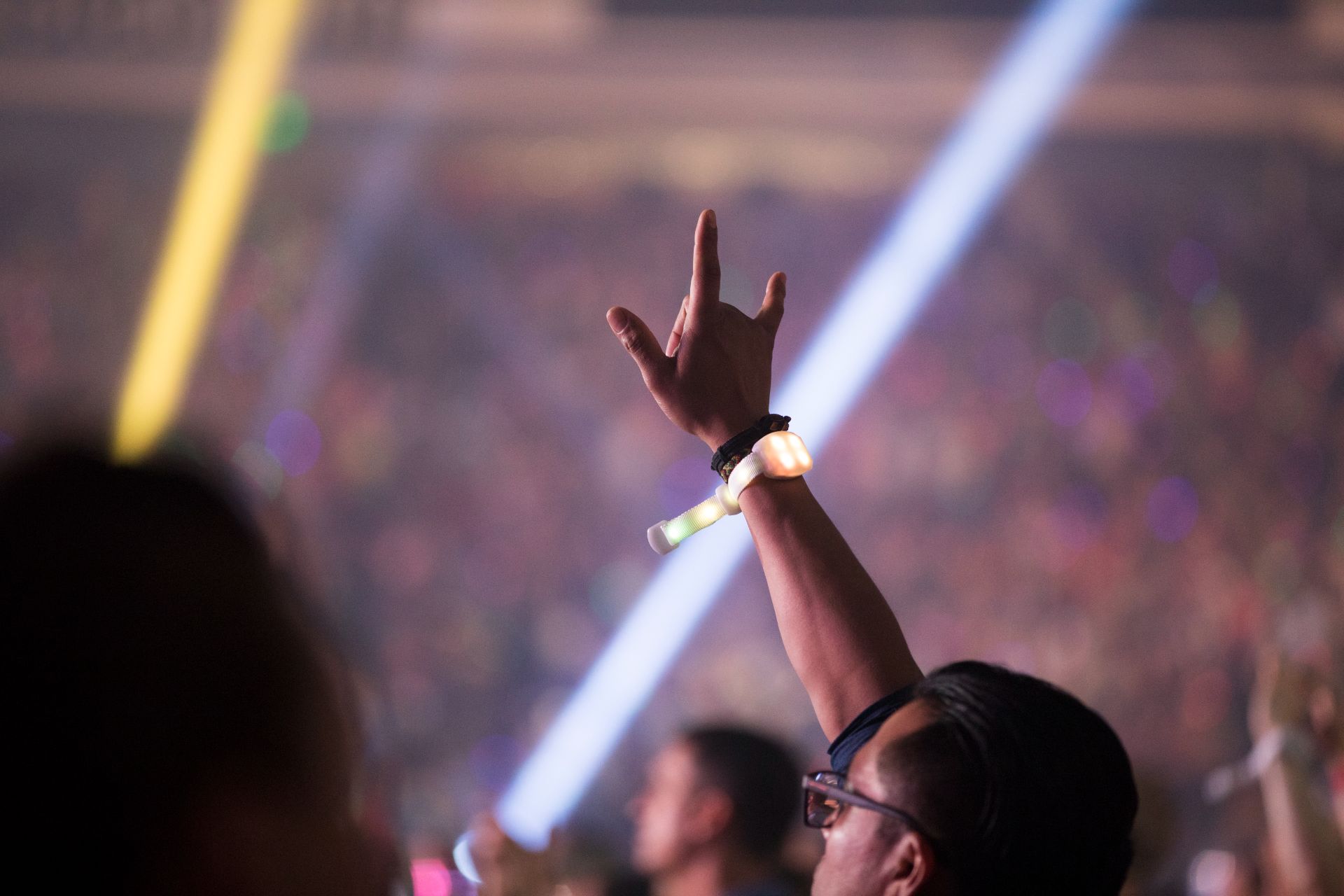
- Color Temperature & Gamut: Modern broadcast cameras are incredibly sensitive. The color palette of our LED Bands is precisely calibrated to match the specific color science of the cameras being used, ensuring true, vibrant, and consistent colors without flicker or banding.
- Brightness & Intensity Control: What feels bright and exciting in a dark arena can cause a camera’s sensor to “clip,” losing all detail in a blaze of white. Our proprietary software allows for granular, real-time control over the brightness of thousands of individual wristbands, letting the lighting director paint with light that is dynamic for the room but perfectly exposed for the lens.
- Pulse Rate & Synchronization: The refresh rate of a camera shutter can clash with the pulse-width modulation (PWM) of an LED, creating an ugly flicker on screen. We engineer our Radio Controlled LED Wristbands to operate at frequencies that eliminate this issue, guaranteeing a clean, stable image.
- Strategic Audience Placement: For shows like Beat The Chasers UK, where we deployed 500 of our Mk5 wristbands, the audience isn’t just a crowd; they are a dynamic, living backdrop. We work with the production team to strategically place participants wearing the wristbands to create specific shapes, patterns, and effects that serve the camera’s composition and the show’s narrative.
Beyond the Wristband: Creating Cohesive Visual Ecosystems
The audience is just one part of the visual puzzle. A truly immersive broadcast event integrates every element of light into a single, cohesive story. In complex productions like the Formula 1 75th Anniversary show at The O2, we expanded our toolkit. We deployed 13,000 custom LED Lanyards (our Xylo Pendants), creating a canvas of light that extended from the front row to the back of the arena. Each pendant was branded and strategically distributed to create dynamic, team-specific visual effects for the live broadcast.
By controlling wristbands, lanyards, and even strategically placed LED Orbs through a single, synchronized system, we give creative teams the power to paint on a massive scale. This unified approach ensures that every pixel of light, whether it’s worn by a fan or placed in the environment, works in service of the same creative vision.
The Human Element: Turning Technology into Emotion
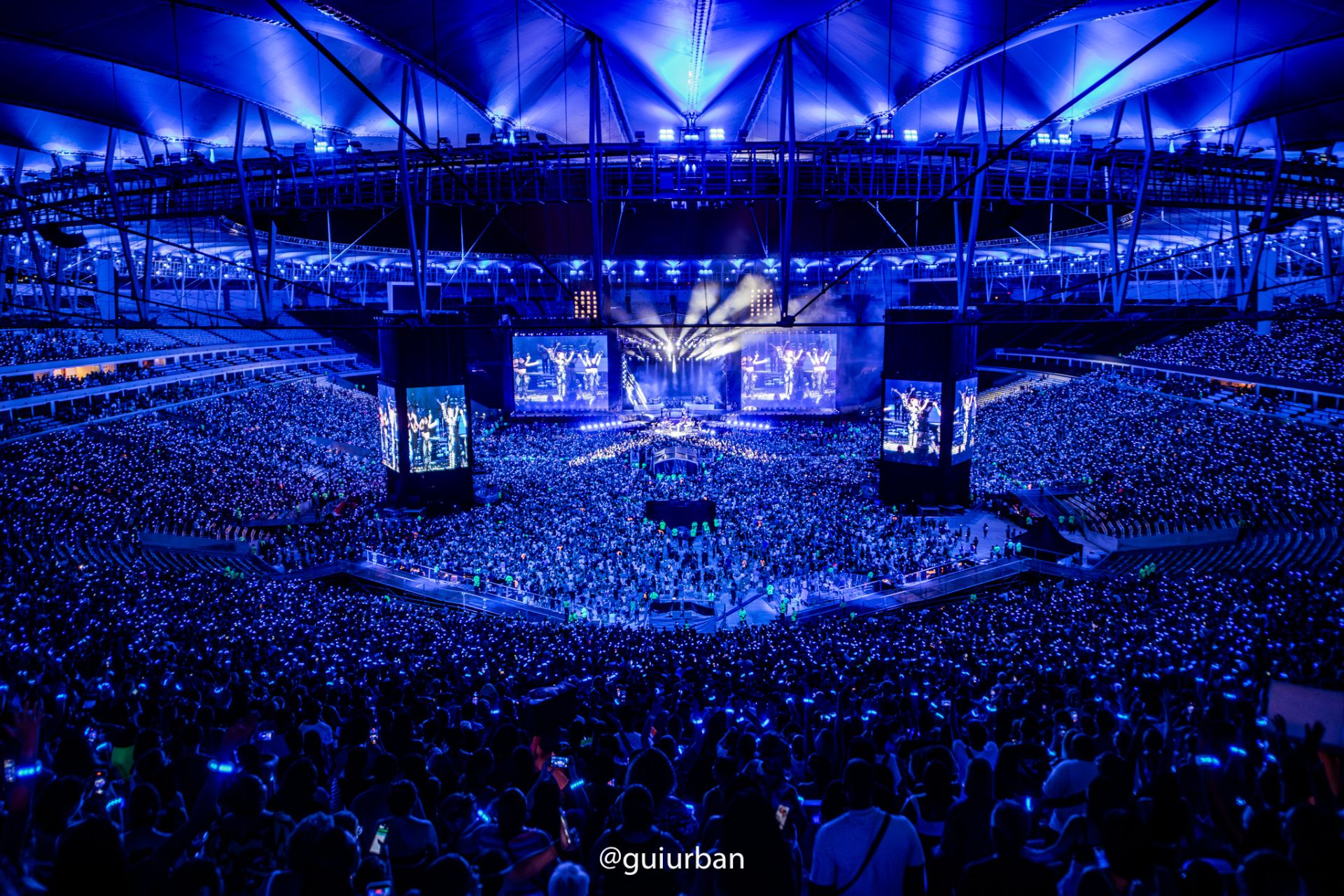
Ultimately, technology is only a tool. The goal is always human connection. When we lit up the crowd for Maluma’s historic hometown concert in Medellín, streamed live to over 240 countries, the technology wasn’t the star—the audience was. The Coldplay Xylobands, as they have become known, became a conduit for the collective energy of 54,000 fans, beaming their excitement to viewers around the globe.
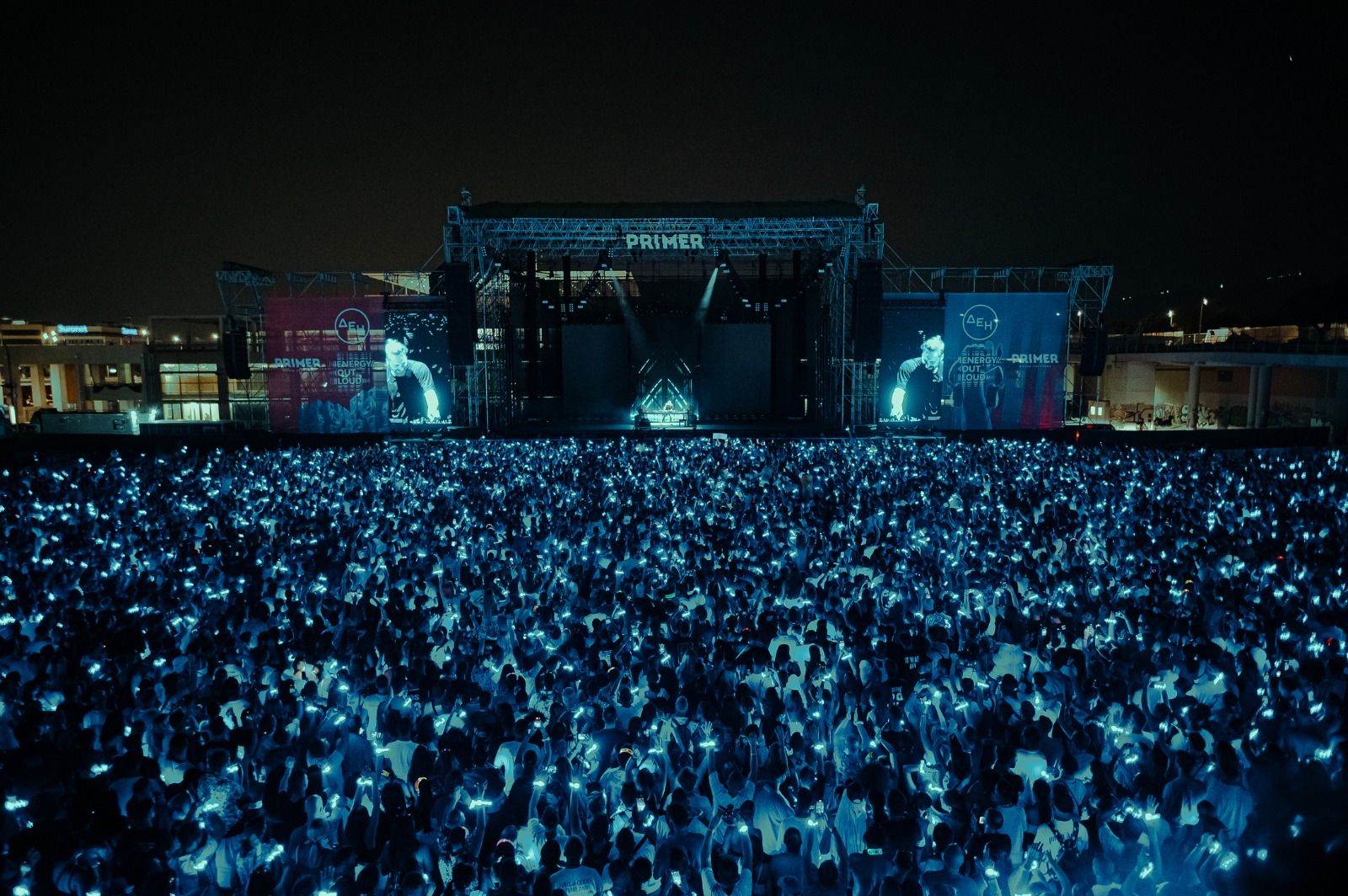
From the high-energy beats of Greece’s PRIMER Music Festival to the historic victory moments at the Davis Cup, our job is to translate the emotion of a live moment through the lens of a camera. It’s a delicate dance between the technical and the emotional, the art of the spectacle and the science of the screen. By mastering this balance, we help our partners create unforgettable moments that resonate equally with the audience in the cheap seats and the viewer on their sofa, thousands of miles away.