The Unseen Command Chain: A Leadership Framework for High-Stakes Live Experiences
The Unseen Command Chain: A Leadership Framework for High-Stakes Live Experiences
In the world of high-stakes live experiences, the final product is a spectacle of seamless execution. For the audience, it’s magic. For the teams behind the curtain, it’s the result of a leadership model built less on traditional hierarchy and more on a deeply ingrained, distributed chain of command. This is not leadership as a top-down directive, but as a shared consciousness—a network of trust, expertise, and accountability that allows for rapid, decisive action in environments where every second counts.
From a stadium tour for an artist like Maluma to the global broadcast of a Formula One anniversary, the stakes are immense. The variables are infinite. Yet, the outcome must be flawless. This demands a unique leadership philosophy, one that empowers specialists at every level while maintaining a unified creative and operational vision. It’s a framework we call the Unseen Command Chain.
Principle 1: Distribute Authority, Centralize Vision
On a major tour or a large-scale corporate event, the sheer volume of specialized tasks makes micromanagement impossible. The lighting director cannot simultaneously oversee the audio mix, and the logistics lead cannot manage the deployment of wearable LED technology on the ground. Effective leadership in this context means entrusting domain experts with the authority to make critical decisions within their sphere of influence.
The role of the central leader—be it the Tour Manager, Production Designer, or Creative Director—is not to dictate every action, but to articulate the vision with such clarity that it becomes the guiding principle for all decentralized decisions. When the creative intent is understood by everyone, from the choreographer to the tech operator, their independent actions naturally align with the overall goal.
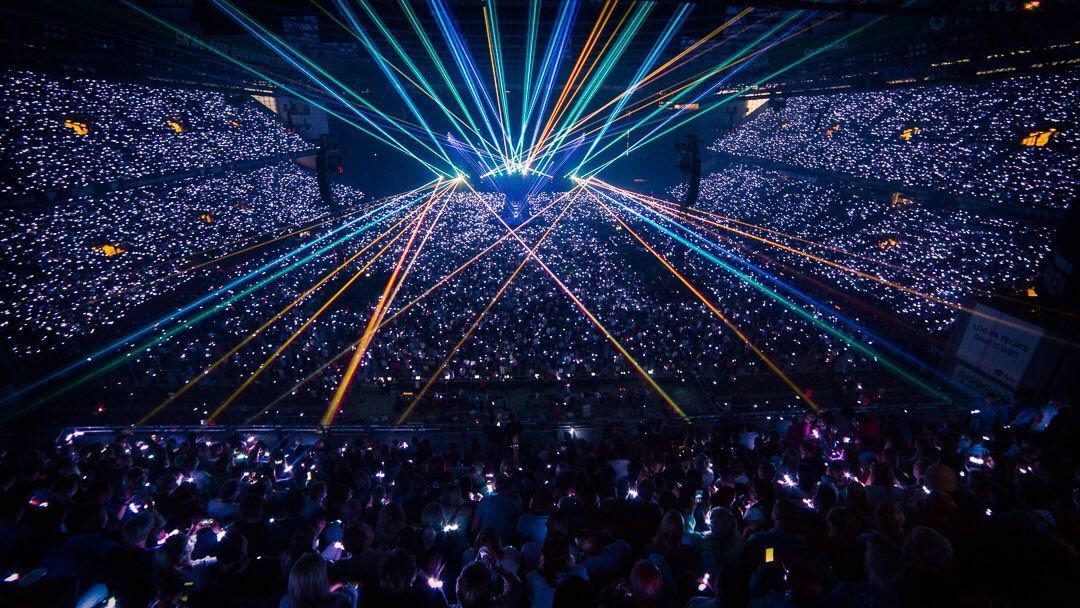
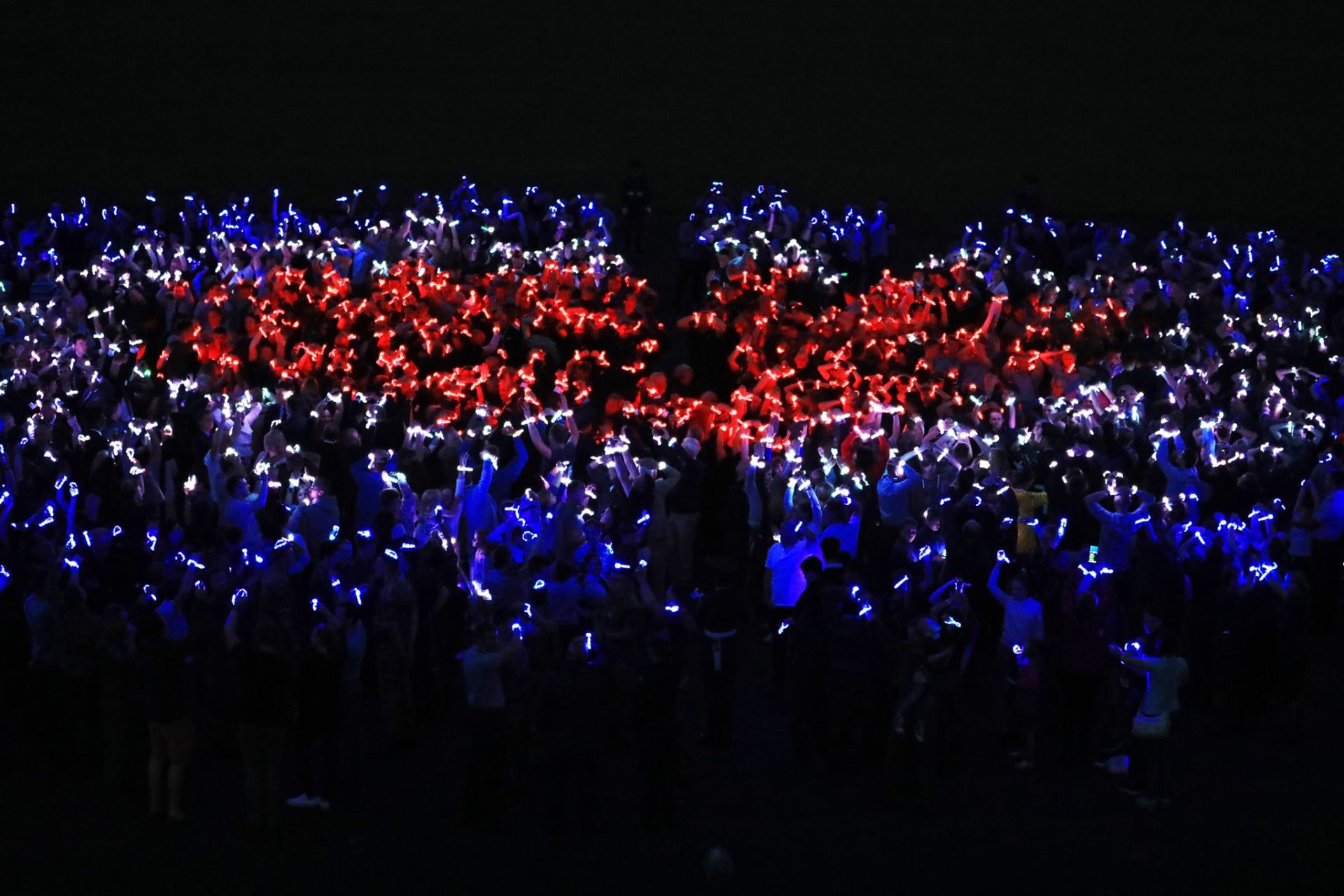
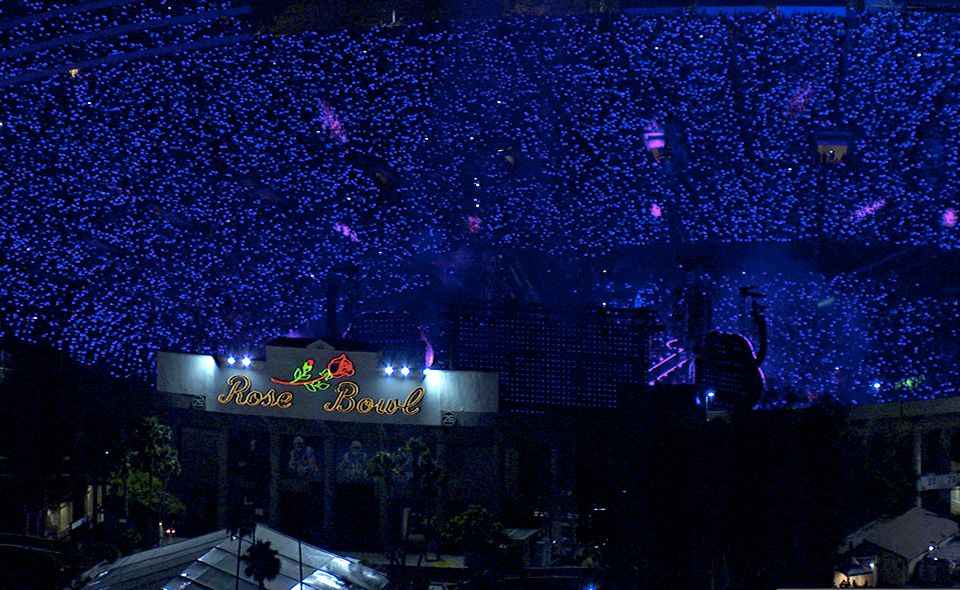
This model thrives on trust. The creative director trusts the lighting designer to translate emotional beats into visual cues. The production manager trusts the tech partner to execute those cues flawlessly across a sea of 50,000 people, turning the audience into an extension of the stage itself with technologies like radio controlled LED wristbands.
Principle 2: The Currency of Trust is Technical Credibility
In a traditional corporate structure, authority is often conferred by title. In live production, it is earned through proven expertise. A leader who doesn't understand the technical and logistical realities of the environment will quickly lose the respect of their team. True leadership in this field is about speaking the language of each department—understanding the constraints of RF technology, the load-in schedules, the power requirements, and the creative capabilities of the tools being used.
This technical fluency builds a crucial bridge between the creative vision and the practical execution. When a production lead from a company like Xylobands is on site for a major festival, their role is not just to supply equipment. It is to act as a trusted partner, integrating their system into the show’s existing technical and creative framework. They become a vital link in the command chain, advising on how to achieve maximum impact and ensuring the technology—whether custom LED wristbands or LED lanyards—serves the story of the show.
This is why partnerships are so critical. When we work with tours, broadcasters like ITV, or major sporting events like the Davis Cup, we are not just vendors; we are extensions of the production team, vested with the trust to execute a specific part of the creative vision.
Principle 3: Plan for Failure, Rehearse for Success
No amount of planning can eliminate every potential point of failure in a live environment. A generator can fail, a key piece of equipment can be held up in customs, or unpredictable weather can derail an outdoor event. The strength of a production’s leadership is not measured when things go right, but when they go wrong.
The Unseen Command Chain is designed for resilience. Because authority is distributed, problems can be solved at the point of impact without needing to escalate through multiple layers of management. The team is drilled not just on the plan, but on the contingency plans. What happens if this lighting fixture fails? What is the backup for this video server? How do we manage battery life on 30,000 LED bands over a three-day festival?
This rigorous preparation creates a culture of proactive problem-solving. Rehearsals are not just for the performers on stage; they are for the entire technical and logistical team. Every cue is run, every transition is practiced, and every potential hiccup is simulated. This relentless repetition builds the muscle memory required for a flawless public delivery, transforming a complex series of technical operations into a single, fluid performance.
The Audience as the Final Link
In modern event production, the audience is no longer a passive observer. They are an active participant, the final link in the chain. Technologies that create LED crowd experiences are a testament to this shift. When tens of thousands of wristbands light up in unison, synchronized to a crescendo in the music, the audience becomes the canvas. They are part of the show’s lighting design, a living, breathing element of the spectacle.
This makes the work of leadership even more critical. The decision to incorporate immersive event technology is a decision to extend the creative vision beyond the stage and into the hands of every attendee. It requires a deep understanding of how to create moments of collective joy and unity. From the historic three-night sellout for Wizkid at The O2 to the vibrant crowds at Greece’s PRIMER Music Festival, the goal is the same: to make every single person feel like they are part of something bigger than themselves.
Ultimately, the Unseen Command Chain is a model of profound collaboration. It’s a testament to the idea that true leadership in the creative industries is not about being the loudest voice in the room, but about building a system of trust so strong that the vision comes to life as if by magic. It’s the invisible framework that supports the world’s most unforgettable moments, turning logistical complexity into shared human experience.