The Unseen Command: A Playbook for Leadership in Live Production
The Ghost in the Machine
It’s a familiar scene: the house lights dim, a roar erupts from the crowd, and a perfectly executed spectacle unfolds. Whether it’s the opening ceremony of a global sporting event, a stadium tour for a superstar artist, or an ambitious brand launch, the audience sees only the seamless final product. They are immersed in a world of light, sound, and emotion. What they don’t see is the invisible architecture of leadership that underpins every single moment.
In the world of touring, production, and creative agencies, leadership isn’t a single, top-down directive. It’s a complex, distributed network of trust, communication, and delegated authority. It’s the tour manager in a remote office, coordinating logistics across continents. It’s the creative director, translating an artist’s vision into technical reality. It’s the production lead on the ground, making split-second decisions as unforeseen challenges arise. This is the unseen command chain, the ghost in the machine of live experiences.
The Distributed Command Structure
A global tour or a major festival isn’t run by one person with a megaphone. It’s managed by a tier of specialists, each a leader in their own domain. This model is built on a foundation of earned trust and proven expertise. The lighting director doesn’t need to tell the audio engineer how to mix the sound; they trust that the engineer is a master of their craft. This is a principle of decentralized command, essential for agile and resilient operations.
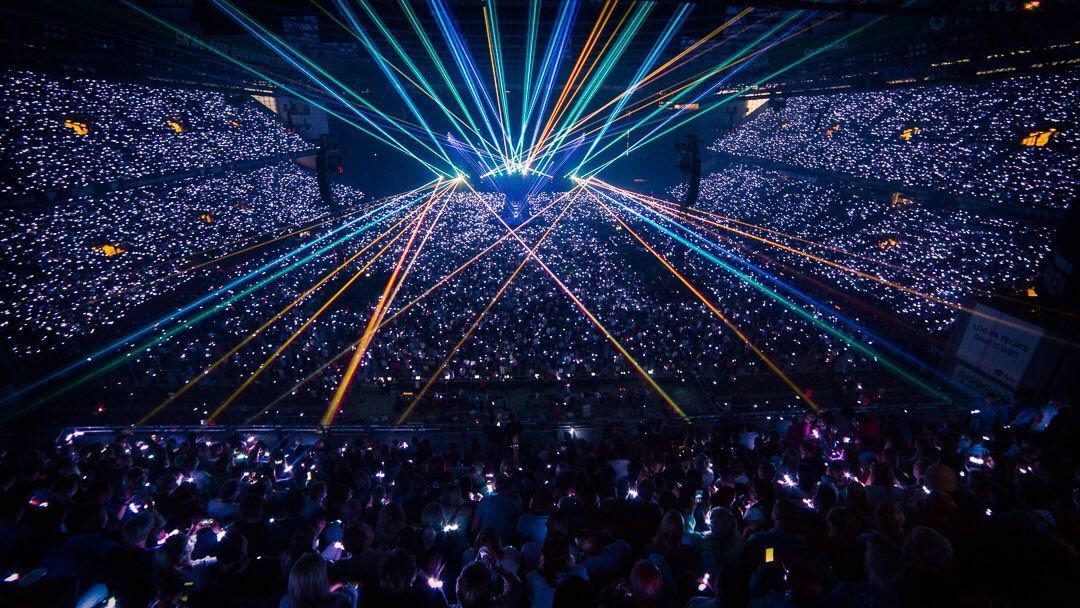
Consider the logistical complexity of a multi-night arena run for an artist like Wizkid or Maluma. Thousands of pieces of equipment must be shipped, deployed, and operated flawlessly. Simultaneously, creative elements, like synchronizing tens of thousands of LED wristbands to the music, must be executed with perfect timing. This requires a leadership framework where every team—from lighting and sound to SFX and audience tech—is empowered to execute their role with autonomy. The overall show director provides the vision, but the heads of each department are the generals on the ground, commanding their specialized troops.
Trust as a Force Multiplier
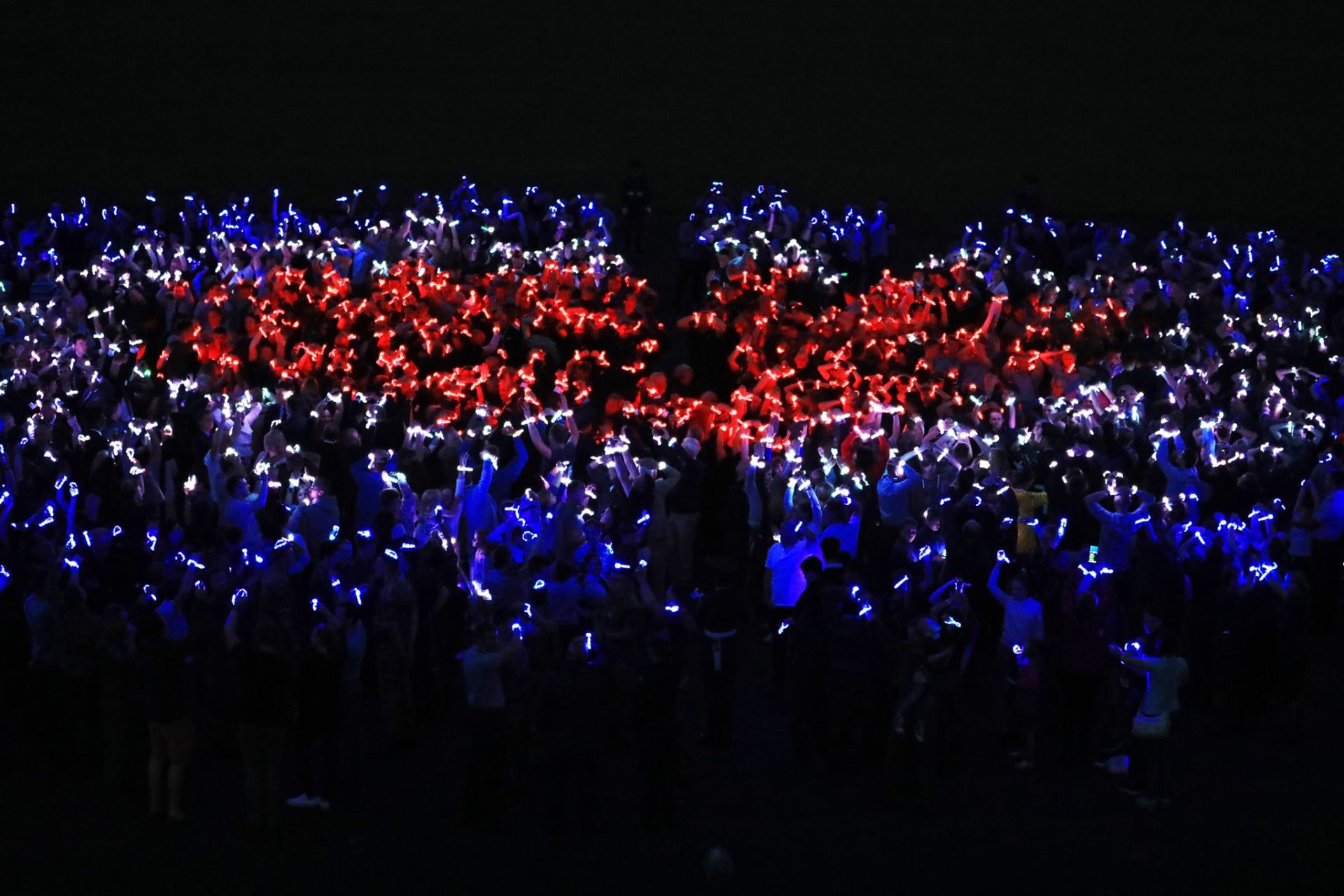
In high-stakes environments, trust is not a soft skill; it’s a core operational asset. When a brand like Formula One decides to celebrate its 75th anniversary with a globally broadcasted live event, the stakes are immense. The creative agency, the production company, and specialist technology partners like Xylobands must operate as a single, cohesive unit. The client trusts the agency’s vision, the agency trusts the production company’s execution, and the production company trusts that the wearable LED technology will perform exactly as planned.
This chain of trust is forged long before the doors open. It’s built in pre-production meetings, in rigorous testing, and in a shared commitment to a singular goal. When our team is tasked with creating dynamic effects across an arena using LED lanyards or wristbands, we are entrusted with a critical part of the show’s visual identity. The show’s creative director trusts that our technology will integrate seamlessly, transforming the audience into a living, breathing part of the spectacle. This is the essence of high-trust creative collaborations, where technology partners become extensions of the core creative team, enabling more ambitious and immersive events.
Leading Through Translation
One of the most underrated skills in live production leadership is translation. A great leader in this space can translate an artist’s abstract emotional goal (“I want it to feel electric”) into a series of precise technical instructions for the lighting, sound, and effects teams. They are the bridge between the "what" and the "how."
This process is part art, part science. It involves understanding the capabilities and limitations of every piece of technology, from the follow spots to the radio controlled LED wristbands that can turn an entire stadium into a canvas of light.
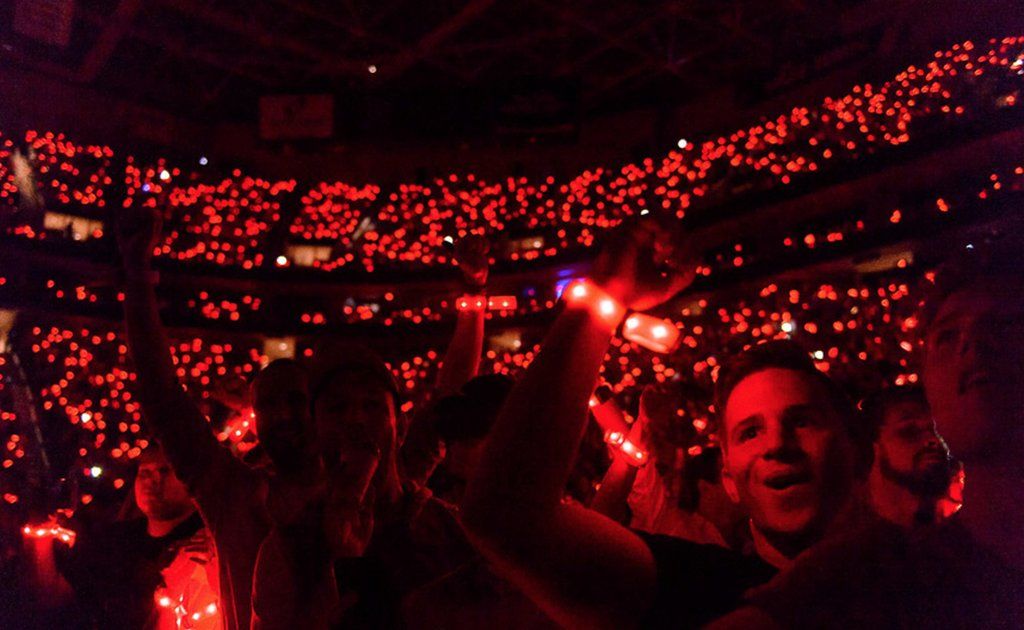
This act of translation is where true innovation occurs. When an artist or brand wants to create a moment of genuine connection, a leader might propose turning the audience itself into the light show. This is no longer just a concert; it becomes one of the ultimate LED crowd experiences, a shared moment of unity powered by technology. It redefines the relationship between the performer and the fan, a principle we’ve seen executed with breathtaking results from the early days of the Coldplay Xyloband on the Mylo Xyloto tour to modern festival wristbands at events like Greece’s PRIMER Music Festival.
The Anatomy of a High-Trust Team
Building a team capable of executing world-class live events is about more than just hiring the best talent. It’s about fostering a specific culture. What does that look like in practice?
- Radical Accountability: Every team member, from the runner to the director, owns their role completely. When something goes wrong, the focus is on the solution, not the blame.
- Clear Communication Protocols: In a live environment, information must flow clearly and quickly. Established comms channels and terminology are non-negotiable.
- Calculated Autonomy: Micromanagement has no place on a show site. Leaders empower their teams to make decisions within their areas of responsibility, fostering a culture of proactive problem-solving.
- Shared Vision: Everyone on the crew should understand the creative and emotional goal of the event. They aren’t just pushing boxes or programming cues; they are contributing to a singular, powerful experience. This shared purpose is the engine that drives excellence.
The Future of Production Leadership
As live events grow more complex and technologically ambitious, the role of leadership will only become more critical. The rise of immersive event technology and the demand for ever-more-engaging corporate event activations require leaders who are not just logistical experts, but also creative visionaries and calm, decisive commanders.
The true measure of great leadership in this industry is not the roar of the crowd or the spectacular effects. It’s the silent, seamless execution that makes those moments possible. It’s the unseen command structure that turns a collection of individuals into a flawless operational unit, ready to create unforgettable experiences, night after night, anywhere in the world.