The Unseen Connection: The Psychology of Audience Engagement in Live Events
The Echo in the Room: Why We Crave Collective Experience
For decades, the live event industry has been built on a fundamental human truth: we are wired for connection. From the roar of a stadium to the shared silence in a theatre, there is a profound psychological pull toward experiencing moments together. This isn't just about being in the same space; it’s about a deeper, often unspoken, sense of unity. In the language of event production, we talk about engagement, but what we’re truly chasing is a state of collective effervescence—a term coined by sociologist Émile Durkheim to describe the shared euphoria and emotional synchrony that can erupt within a group. It’s the feeling that the whole is greater than the sum of its parts, and it's the magic ingredient that transforms a gathering into a memory.
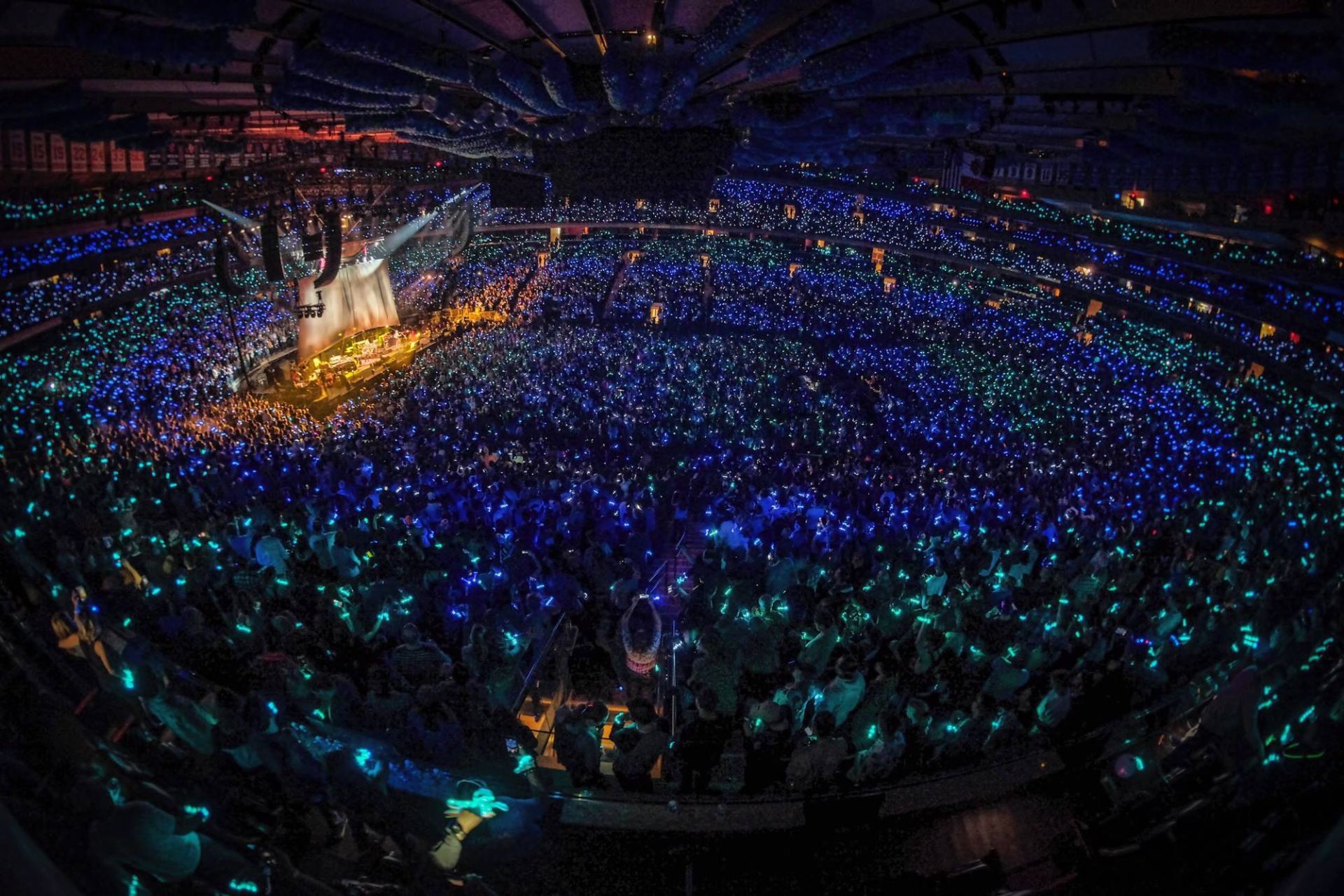
At its core, this phenomenon is driven by basic psychological needs: belonging, validation, and shared identity. When thousands of fans sing the same lyrics in unison, or when an entire arena lights up as one, individual identities momentarily merge into a larger, more powerful collective. This is the unseen current that flows through every successful large-scale event, the force that turns passive viewers into active participants.
The Shift from Spectator to Participant
The traditional model of live entertainment was a one-way street: performers on stage, audience in the dark. That model is obsolete. Today’s audiences don’t just want to watch the show; they expect to be part of it. The rise of social media and interactive technology has fundamentally rewired our expectations. We are no longer passive consumers of culture but active creators and curators of our own experiences.
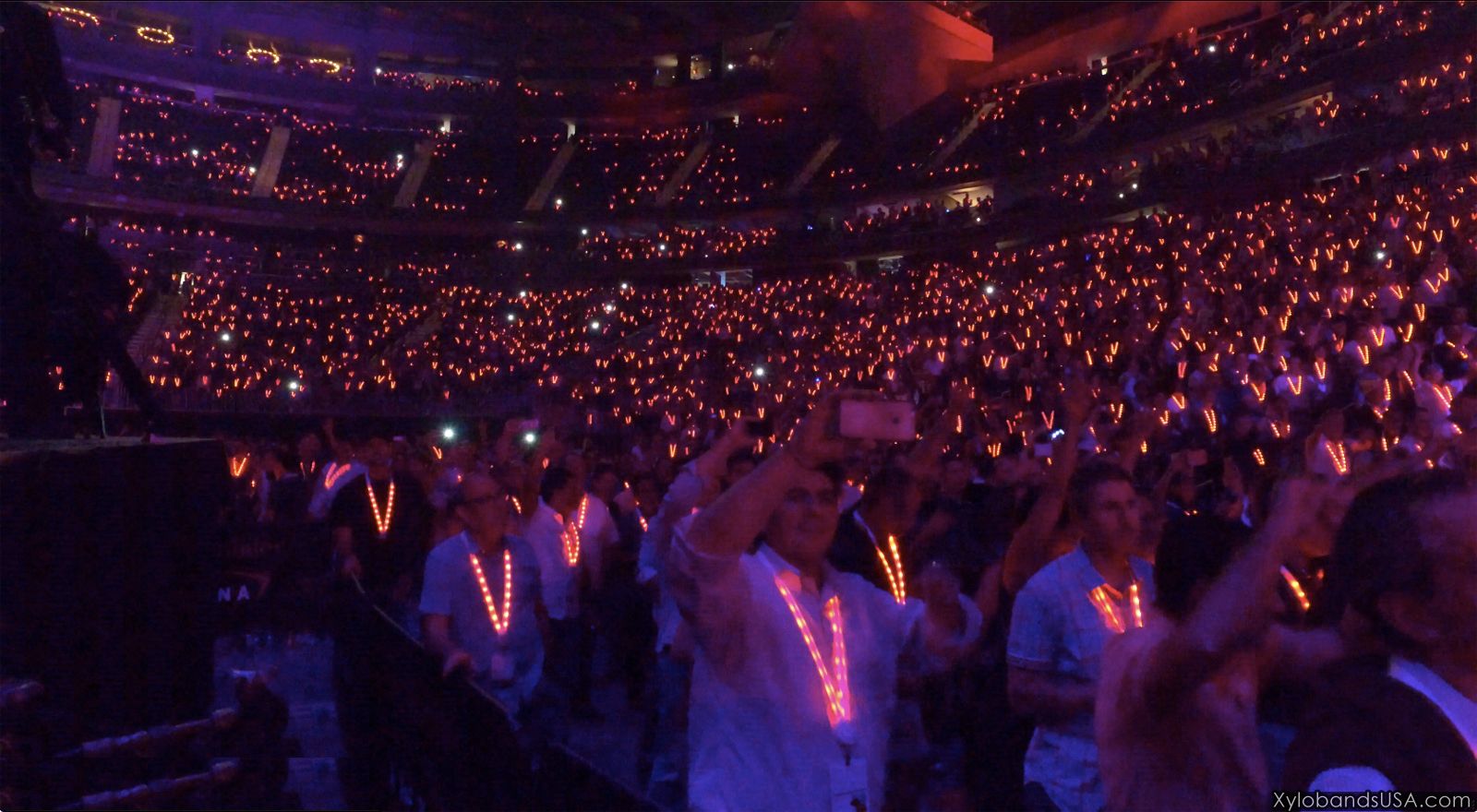
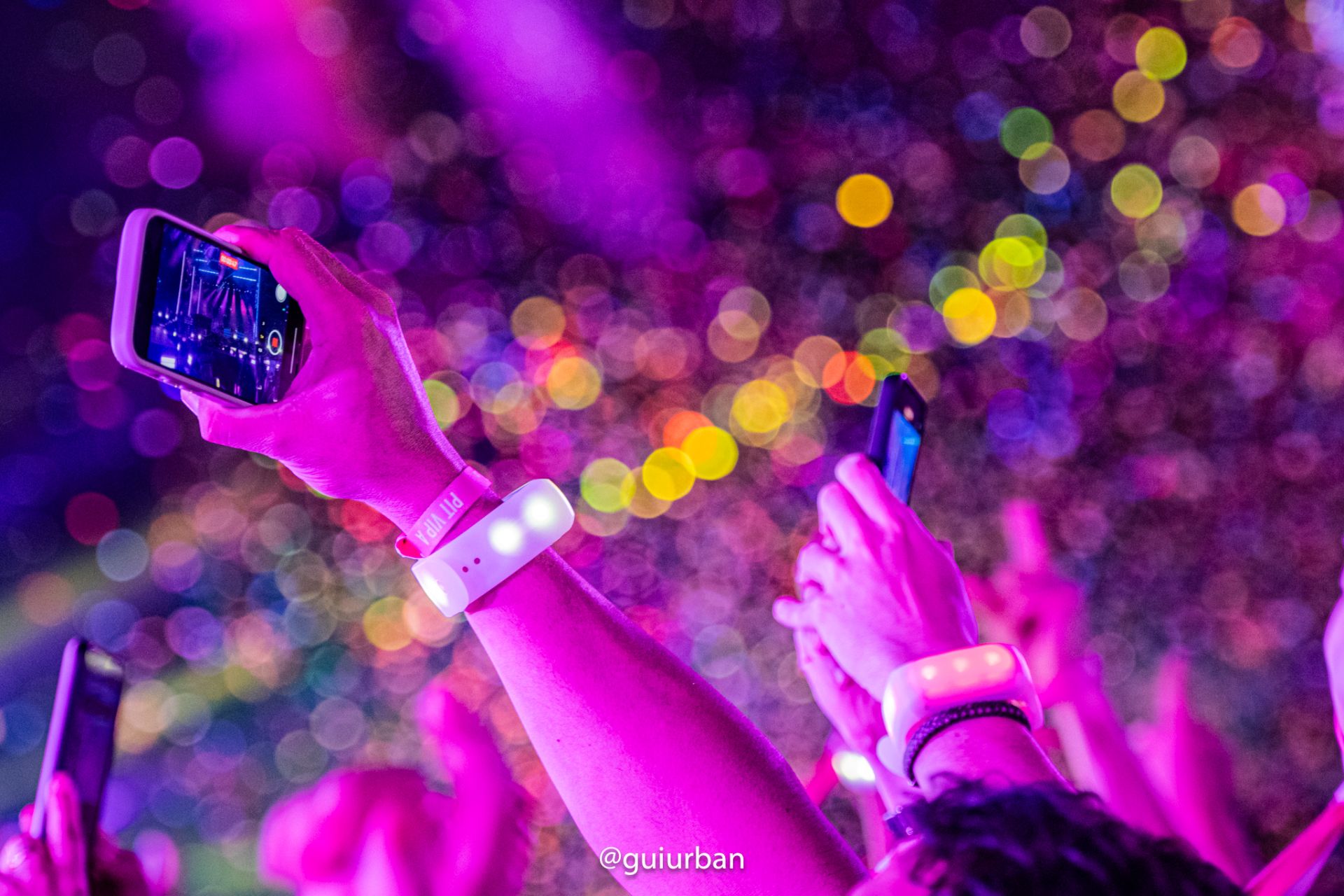
This shift has profound implications for event producers, artists, and brand marketers. The challenge is no longer just to capture attention, but to create a framework for participation. This is where immersive event technology comes in. By providing tools that allow the audience to become part of the spectacle, we can tap directly into the psychological drivers of engagement. When a fan’s wristband lights up in sync with a beat drop, they are no longer just observing the moment—they are contributing to it. Their physical presence has a visible impact on the environment, creating a powerful feedback loop that deepens their sense of involvement and belonging.
"The fourth wall is dissolving. We are moving from a paradigm of presentation to one of participation, where the audience is not just a target but a co-creator of the experience."
The Technology of Togetherness: Lighting the Human Canvas
At Xylobands, we’ve been at the forefront of this shift since the beginning. Our journey started with a simple observation at a Coldplay concert: the audience holding up lighters during "Fix You." It was a spontaneous act of collective participation, a desire to be part of the light. We just gave that impulse a technological upgrade.
Radio-controlled LED wristbands and other wearable LED technology act as a sensory bridge, translating the energy of a performance into a visual language that the entire crowd can understand and embody. The technology itself—whether RF, DMX, or infrared—is simply the syntax. The story is written in light, on a canvas of thousands of individuals. It’s what we saw when Maluma turned his 54,000-strong hometown crowd in Medellín into a pulsing, unified spectacle, or when festival wristbands transformed the audience at Greece’s PRIMER Music Festival into a living, breathing part of the electronic soundscape.
Key Psychological Drivers Activated by Immersive Light:
- Mirror Neurons: When we see the wristbands of those around us light up in unison with our own, our brains' mirror neuron system fires, fostering a powerful sense of empathy and shared emotion. We feel what others are feeling because, visually, we are one.
- Group Identity: Shared experiences are the bedrock of group identity. Whether it’s for a sports team, a brand, or a musical artist, synchronized light creates an instant, visible tribe, reinforcing a sense of belonging and shared purpose. This is particularly potent for corporate event activations, where building a sense of team and shared mission is paramount.
- Agency and Impact: Interactive technology gives attendees a sense of agency. They are no longer passive recipients. This sense of being able to influence the environment, however subtly, dramatically increases engagement and makes the experience feel more personal and memorable.
Beyond the Beat Drop: The Future of Audience Psychology
The application of these principles extends far beyond music concerts. In the world of sports, from the Davis Cup to Formula One, we are using light to amplify moments of peak emotion—the roar of the crowd after a goal, the tension of a final lap. For broadcasters like ITV, this technology helps solve the two-screen problem, creating a visually compelling spectacle for the live audience that also translates into dynamic television for viewers at home.
As we look to the future, the integration of technology and psychology will only deepen. The data generated by LED crowd experiences can offer profound insights into crowd flow, emotional response, and safety, allowing us to design not just more spectacular events, but safer and more comfortable ones. The goal is to create a seamless loop where the audience’s energy shapes the show, and the show, in turn, amplifies the audience’s collective energy.
The ultimate magic of a live event lies in its ability to make tens of thousands of people feel like part of something bigger than themselves. By understanding the deep psychological currents that drive this connection, we can move beyond simply putting on a show and begin to architect moments of genuine human unity. The lights are not just on the stage anymore; they are on every single person in the crowd, and together, they are creating the show.