The Unseen Journey: Mastering Global Touring Logistics
The Unseen Journey: Mastering Global Touring Logistics
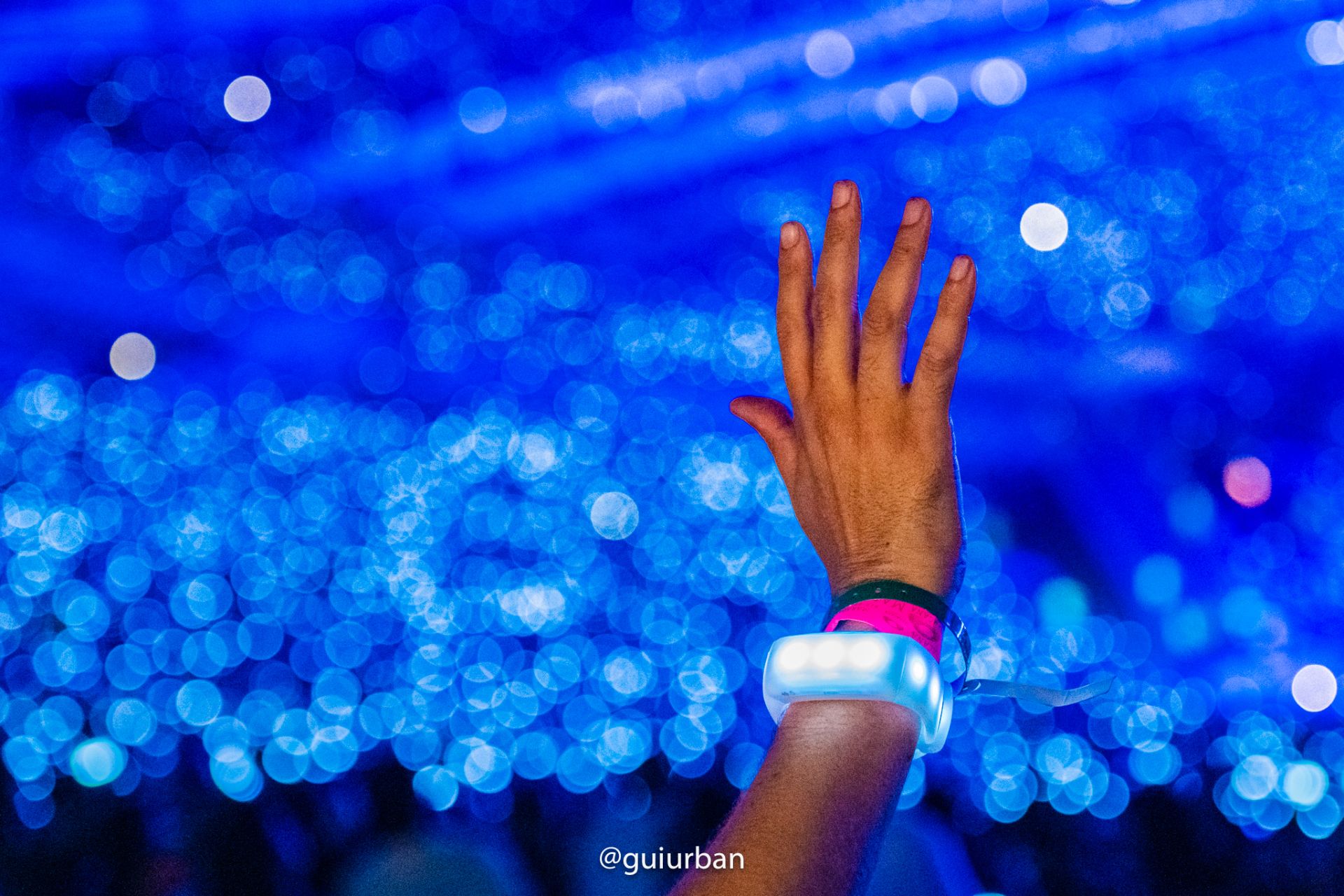
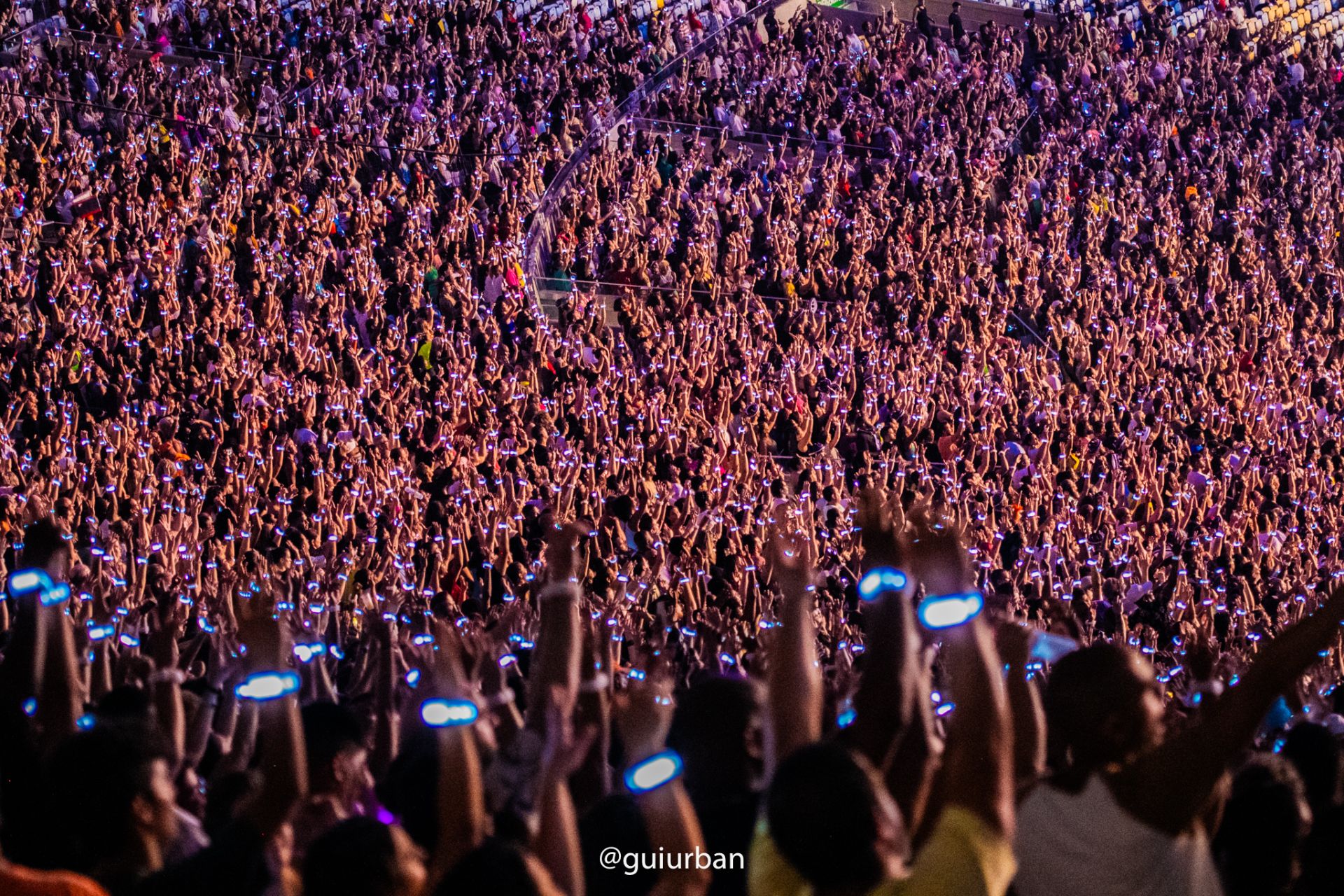
The house lights dim. A roar erupts from 50,000 people. As the first note strikes, the stadium transforms into a pulsing, unified canvas of light. For the audience, it’s a moment of pure magic. For the teams behind the scenes, it’s the triumphant culmination of a months-long, high-stakes logistical ballet. The journey of the technology that powers these immersive events—from warehouse to venue—is an epic in itself, a complex narrative of freight, customs, and meticulous planning.
Moving high-value, proprietary technology across international borders is one of the most challenging aspects of producing a global stadium tour or a multi-country corporate event series. It’s a world of ATA Carnets, harmonized tariff codes, and radio-frequency compliance, where a single misplaced document or an incorrectly declared item can derail a production schedule, costing time, money, and momentum. Delivering flawless LED crowd experiences isn’t just about creative vision; it’s about a mastery of global operations.
The Carnet is King: A Passport for Goods
At the heart of international touring logistics is the ATA Carnet. Often called a "passport for goods," this international customs document is the linchpin that allows for the temporary importation of professional equipment, commercial samples, and promotional materials into a foreign country without paying duties or taxes. For a company like Xylobands, which deploys thousands of radio controlled LED wristbands, transmitters, and charging systems across dozens of countries, the carnet is indispensable.
Managing a carnet is a science. Every piece of equipment, from a single flight case of LED Lanyards to a pallet of control servers, must be meticulously itemized with its description, weight, and value. This list is then presented to customs officials upon entering and exiting each country. Discrepancies can lead to crippling delays, fines, or even the seizure of equipment. The process requires a zero-error mindset, where precision in paperwork is just as critical as precision in programming the light show itself.
“When your entire show depends on proprietary technology arriving on time and in perfect condition, ‘close enough’ isn’t an option. The logistics are an extension of the production itself, demanding the same zero-failure standard.”
The Maze of Compliance: RF, Regulations, and Risk
Beyond the customs paperwork, navigating the diverse regulatory landscape of each territory presents another layer of complexity. Wearable LED technology, especially systems that rely on radio frequency (RF) transmission, must comply with the specific spectrum allocations and power regulations of each country. The RF environment in Japan is different from that in the United States, which is different again from the European Union.
Before a single Xylo Band can be shipped, our technical teams conduct extensive research to ensure our systems will operate flawlessly and legally within the host country’s regulatory framework. This involves securing the necessary permits, licenses, and certifications. It’s an unseen, often arduous process that is fundamental to the reliability of the experience. The spectacular visual synchronicity of a stadium full of Coldplay Xylobands is built on a foundation of painstaking regulatory compliance.
Building the Global Network: Freight, Forwarders, and Fixers
Technology and paperwork are only part of the equation. The human network is what makes it all work. Building a reliable global logistics chain means cultivating strong relationships with a network of trusted freight forwarders, customs brokers, and local "fixers" in key markets around the world.
These partners are the unsung heroes of the global tour. They are the ones who know the nuances of the local port authority, who can anticipate a potential customs backlog, and who have the relationships to solve problems when they inevitably arise. Whether it’s moving 32,000 wristbands for a Wizkid concert in London or coordinating a multi-team deployment for a Formula One celebration, it’s this network that provides the agility and resilience required to operate on a global stage.
Consider the logistical complexity of events like the PRIMER Music Festival in Greece or Maluma’s historic concert in Medellín, Colombia. Each required moving a significant inventory of our immersive event technology across continents, clearing customs under tight deadlines, and ensuring it was delivered to the venue ready for deployment. This is only possible through a seamless collaboration between our internal logistics team and our on-the-ground partners.
The Final Mile: From Tarmac to Tech Booth
The journey doesn’t end when the plane lands. The "final mile"—the process of moving the equipment from the airport to the venue and into the hands of the technical crew—is often the most fraught. It involves coordinating local transport, navigating city traffic, and adhering to strict venue load-in schedules.
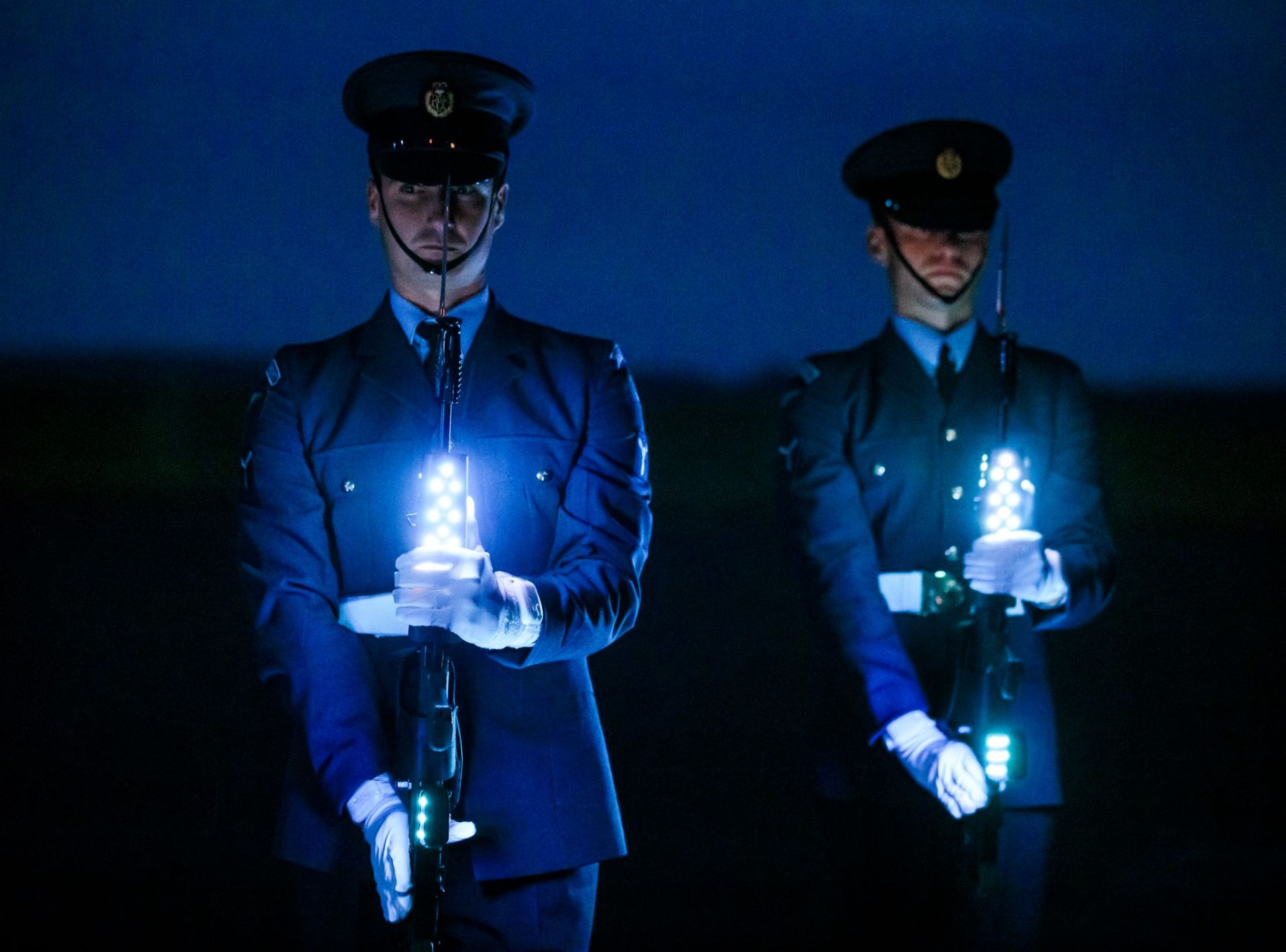
Once on site, our own Distro teams take over, as seen at the Formula One 75th Anniversary event. Here, the strategic placement of different types of custom LED wristbands and pendants around the arena was itself a creative and logistical act, crucial to achieving the dynamic, section-specific lighting effects the show’s designers envisioned. The journey that began in a warehouse months earlier culminates in these final, critical steps.
In the world of global live events, the magic of the light show is inseparable from the rigor of its logistics. The roar of the crowd is the payoff not just for the artist on stage, but for a vast, unseen team of planners, coordinators, and operators who masterfully navigated the complex global journey to make that moment possible. It is a testament to the fact that, in this industry, the greatest spectacle is often the one you never see.