The Unseen Network: Decoding Crowd Dynamics for Safer, Smarter Events
The Living Organism of the Live Event
A crowd at a festival, concert, or sporting event is more than a collection of individuals; it’s a living, breathing organism. It ebbs and flows. It has a collective pulse, a shared mood, and a dynamic that can shift in an instant. For decades, event producers have relied on experience, intuition, and historical data to manage these human systems. But in an era of unprecedented production scales, we need more than intuition. We need insight. We need data.
The challenge has always been how to gather meaningful, real-time information about crowd behaviour without being intrusive. How do you understand density, flow, and potential friction points as they develop? The answer is beginning to emerge from an unexpected source: the very technology designed to create spectacle.
From Spectacle to Safety: The Dual Role of Wearable Tech
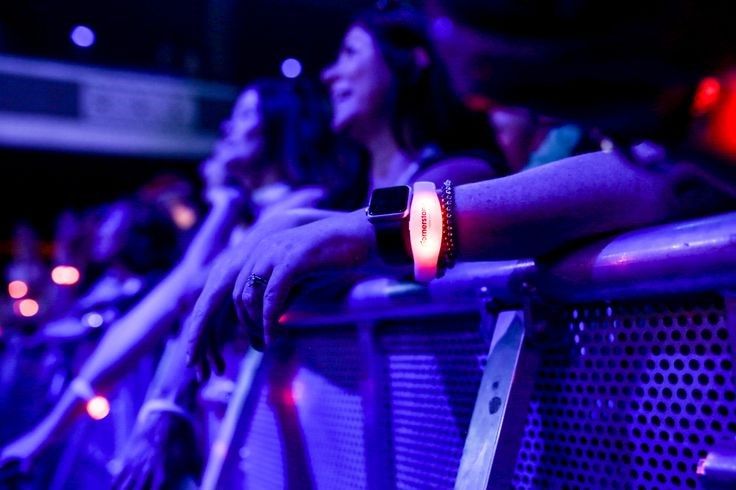
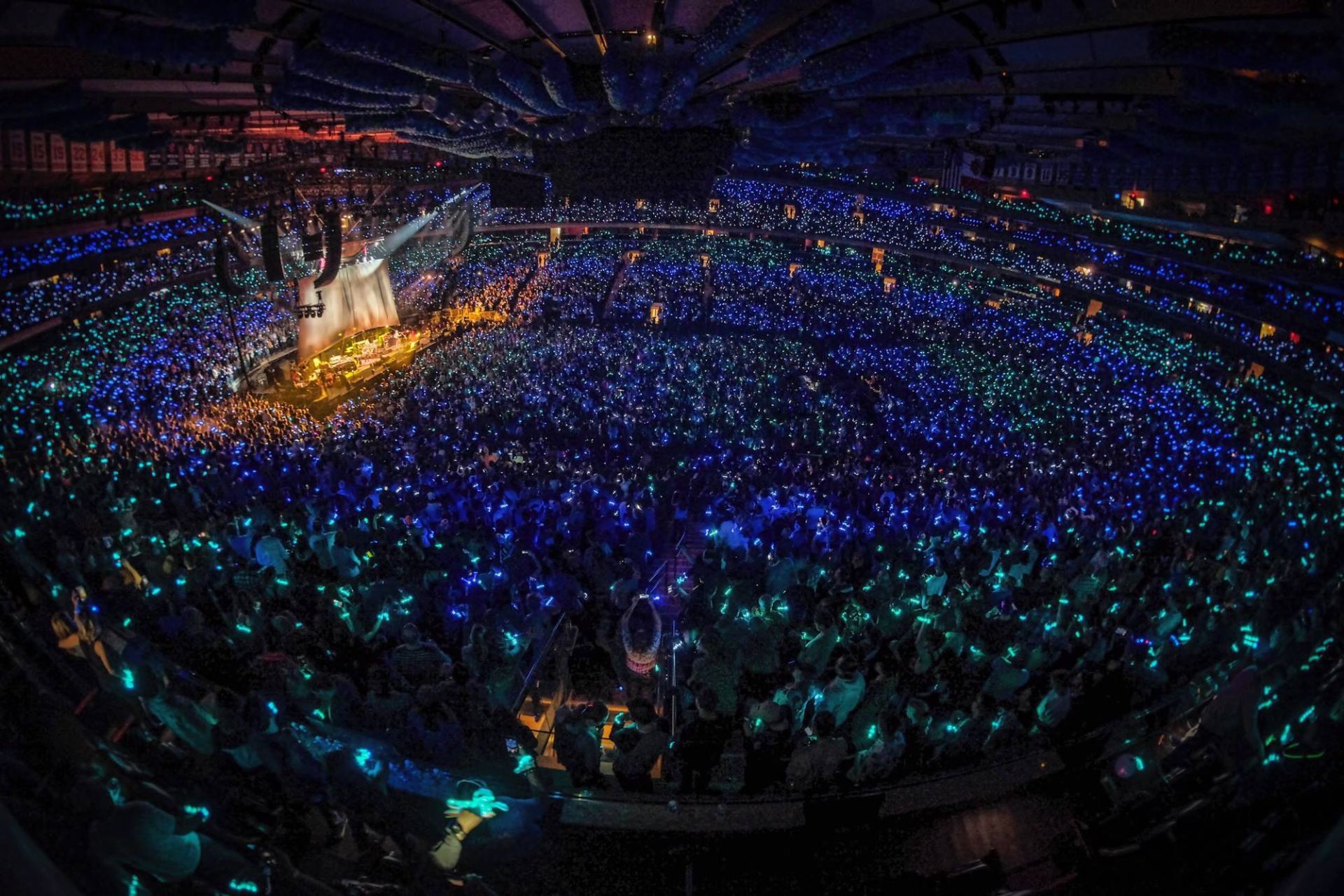
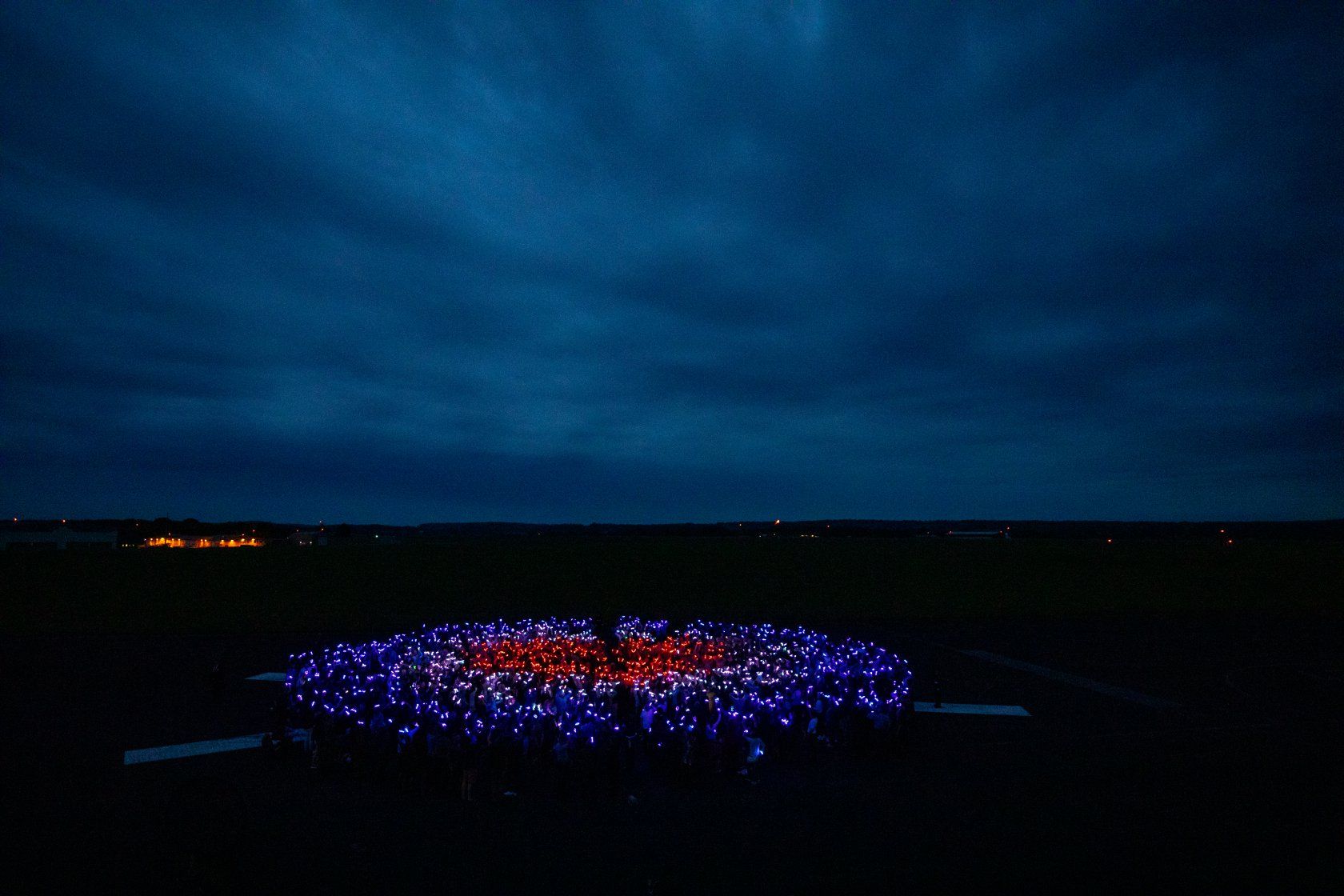
At Xylobands, our journey began with a simple idea: to make the audience part of the show. To turn tens of thousands of passive spectators into active participants in a shared, illuminated experience. Our LED wristbands and other wearable LED technology were conceived as tools of immersion, synchronizing vast audiences like Coldplay’s on the Mylo Xyloto tour or the global fanbase at the Formula One 75th anniversary celebration.
However, the network of devices blanketing a stadium or festival ground does more than just receive signals; it creates a dynamic, real-time map of the audience. Every wristband is a data point. When aggregated and anonymized, this data provides an unparalleled view into the hidden mechanics of the crowd. We call this the sentient grid—a foundational layer of intelligence that can revolutionize event management and safety.
Mapping the Human Topography
Imagine a festival site like PRIMER in Athens. Traditionally, assessing crowd density relies on fixed cameras and security personnel reporting from static positions. It’s a fragmented and often lagging picture. Now, consider the data generated by thousands of festival wristbands:
- Density Mapping: By analyzing the concentration of active wristbands, operators can see in real-time where crowds are dangerously compacting, often before a situation becomes critical. This allows for proactive intervention, like redirecting foot traffic or opening new egress routes.
- Flow Analytics: Understanding how people move is fundamental to safety and experience. Our systems can visualize the speed and direction of audience movement between stages, identifying bottlenecks at concessions, restrooms, or entry and exit points. This insight is invaluable for optimizing site layout and staff deployment.
- Dead-Zone Identification: Conversely, the data can reveal underutilized or completely vacant areas, highlighting potential safety hazards (like poor lighting or unclear signage) or simply inefficient use of space.
The Ethics of Crowd Analytics
The conversation around data and crowds rightly brings up questions of privacy. It is a responsibility we take with the utmost seriousness. The power of this technology lies not in tracking individuals, but in understanding the collective. The data is aggregated and anonymized, focusing on the macro-dynamics of the crowd, not the movements of any single person. It’s not about surveillance; it’s about stewardship.
The goal is to create a digital shepherd, not a digital spy. We are monitoring the flock to ensure its safety, not tracking the movements of any individual sheep.
This ethical framework is crucial. By focusing on collective patterns, we can enhance safety and improve the event experience for everyone without compromising personal privacy. The data serves the operational command, providing a high-level "weather map" of the audience, enabling informed, proactive decisions.
Beyond Safety: Smarter, More Responsive Events
While the safety implications are profound, the benefits of crowd analytics extend into every facet of event production. This unseen network of data can help create smarter, more efficient, and more engaging experiences.
- Responsive Programming: At a multi-stage festival, understanding which artists are drawing the largest, most energetic crowds can inform future scheduling and lineup curation.
- Optimized Sponsorship Activations: For corporate event activations, data on foot traffic and dwell time can provide powerful, quantifiable feedback on the effectiveness of a brand’s presence, moving beyond anecdotal evidence to hard metrics.
- Efficient Resource Allocation: From security to sanitation, staff can be deployed dynamically based on real-time crowd density and flow, ensuring resources are exactly where they are needed most.
For large-scale broadcast events, like those we’ve powered for ITV or the Davis Cup, this data adds another layer of intelligence, ensuring that the in-venue experience is managed with the same precision as the on-screen production.
The Future of Crowd Management is Sentient
The future of live events lies in this fusion of spectacle and data. As producers, designers, and tour managers, our mandate is expanding. We are no longer just creators of moments; we are managers of complex human systems. The tools that help us create awe-inspiring LED crowd experiences are the same tools that can help us build safer, more intelligent environments.
The light show has become more than just a visual element. It is now the nervous system of the event, a sentient grid that provides the insight we need to protect, manage, and understand the audience on a scale never before possible. By embracing this dual role of immersive event technology, we can build a future where the most breathtaking events are also the safest.