The Visionary's Burden: Leadership, Logistics, and Legacy in Live Experiences
The Command Decision
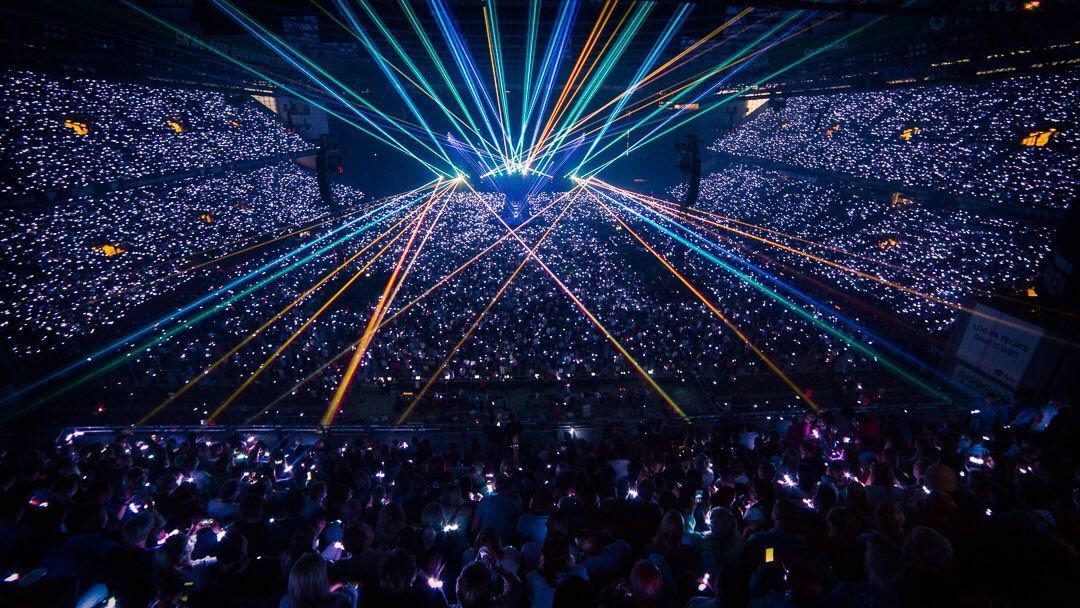
The house lights are down. A signal, silent and invisible, travels over the heads of 50,000 people. In a single, breathtaking moment, the entire stadium becomes a canvas of light, every single person an integral pixel in a moving, living spectacle. For the audience, it’s magic. For the leader who steered the production to this point, it’s the final, validating result of a thousand brutal decisions made under immense pressure. This is the endpoint of leadership in the world of modern, live experiences—a world where art, logistics, and technology collide.
For tour managers, creative agency producers, and technical directors, leadership isn’t a soft skill; it’s the primary tool. It’s the force that transforms an artist’s napkin-sketch idea into a globally touring, technically flawless reality. It’s the unseen architecture holding up the spectacle, from initial concept to the final encore and the load-out that follows. This level of execution requires a new model of leadership, one built on three distinct but interconnected pillars: Vision, Logistics, and Technology.
The First Pillar: The Keeper of the Vision
Every groundbreaking event begins with a creative spark. But an idea without a guardian is just noise. The first role of a production leader is to be the keeper of this vision—the central reference point for the entire project’s creative and experiential goals. This leader asks the foundational question, “What are we making the audience feel?”
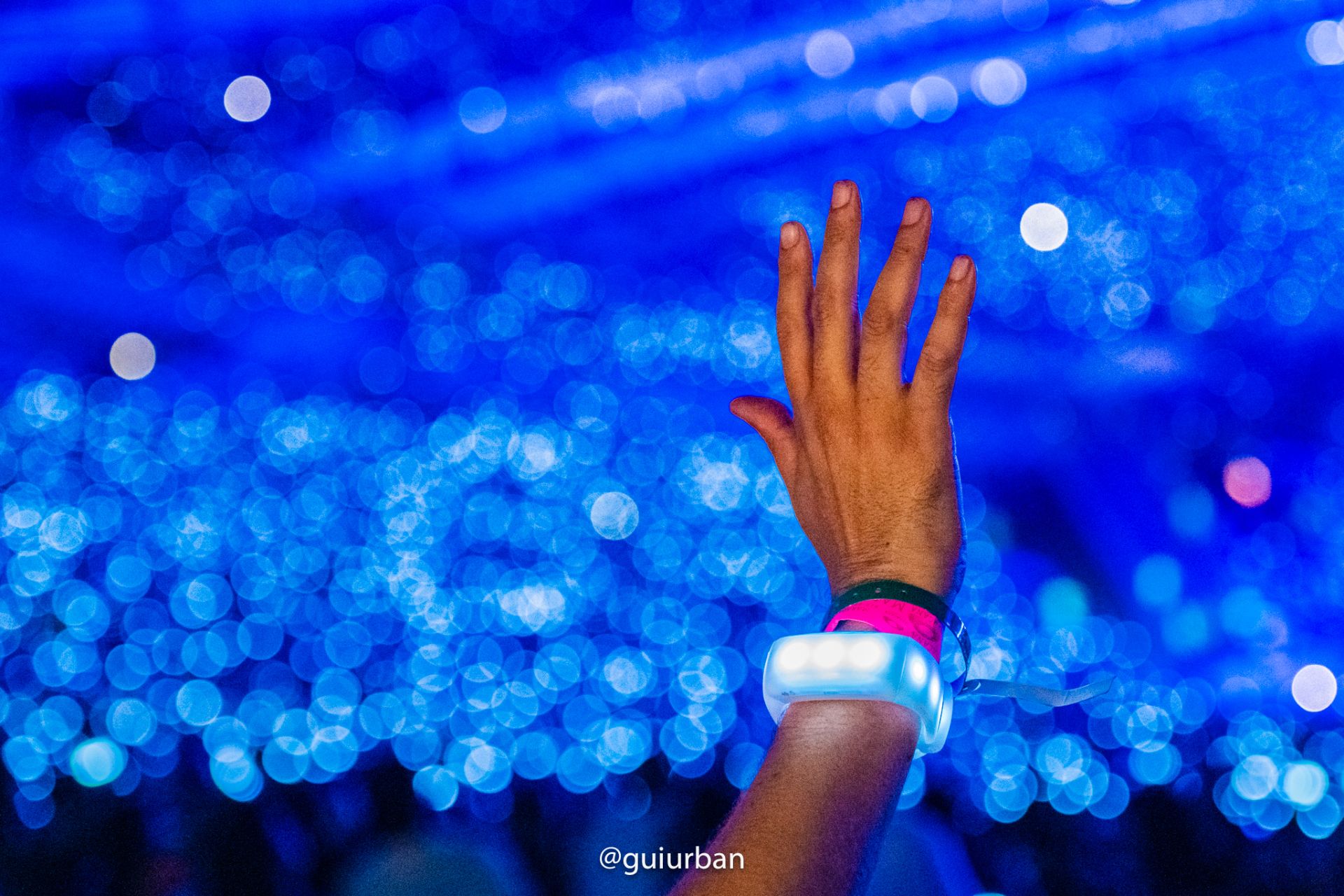
They are the translator, converting the artist’s abstract intent into a concrete brief for lighting designers, video content creators, and technologists. They ensure every choice, from the color palette of an LED wristband flash to the timing of a pyrotechnic cue, serves the central narrative. Without this unwavering focus, the creative vision becomes diluted by logistical constraints or technical compromises. The leader’s mandate is to protect the “why” behind the work, ensuring the final experience is not just a collection of effects, but a cohesive, emotional journey for the audience.
The Second Pillar: The Master of the Chessboard
A brilliant vision is powerless if it can’t reach the stage. The second pillar of leadership is the mastery of logistics—the intricate, global chess game of moving people and equipment across continents on unforgiving deadlines. This is the realm of the tour and production manager, where success is measured by what the audience doesn’t see: the seamless execution of freight forwarding, customs clearance, and personnel management.
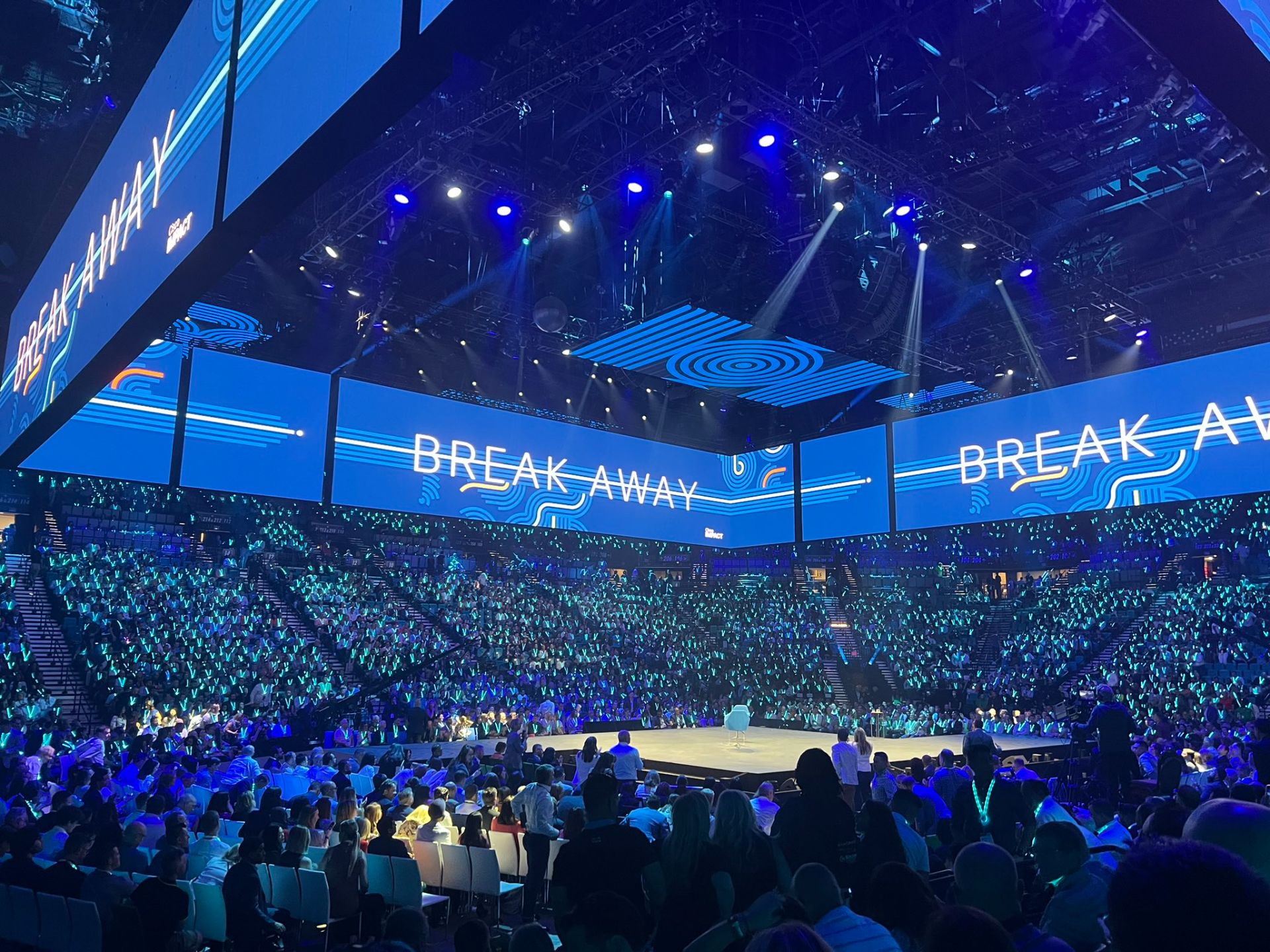
Consider the immense challenge of a major stadium tour for an artist like Maluma, whose 2022 hometown concert in Medellín involved a crowd of 54,000 and a simultaneous live broadcast to over 240 countries. The leadership required to manage the physical production, the broadcast infrastructure, and the on-site wearable LED technology is monumental. Or take a high-profile corporate event activation like the Formula One 75th anniversary celebration, which unites ten F1 teams, twenty drivers, musical acts, and thousands of fans for a live broadcast. For this event, our team created custom LED Lanyards (the Xylo Pendant) and had to precisely position them around the arena to achieve specific, dynamic effects for the broadcast. This is logistics as a creative discipline, where the placement of equipment and the flow of the rollout are as crucial as the lighting design itself.
The Third Pillar: The Bridge to Reality
The third leadership pillar is deep technical credibility. The modern leader doesn’t need to be able to program a lighting console or code a software integration, but they must understand the capabilities and limitations of the tools at their disposal. They are the bridge between the creative vision and the technical reality.
When a creative director asks for “a wave of light that feels like a heartbeat,” the technically fluent leader knows how to translate that into a conversation about RF signal strength, DMX programming, and the capabilities of radio controlled LED wristbands. They foster an environment where the technical teams aren’t just service providers, but creative collaborators. They know which questions to ask and can sniff out potential friction points weeks before they become show-day emergencies. This technical understanding is what allows for true innovation, empowering a team to push the boundaries of immersive event technology and create crowd experiences that have never been seen before.
The Synthesis: The Visionary’s Burden
Excelling in one of these pillars makes you a good manager. But true leadership lies in the synthesis of all three. The most effective leaders in our industry are fluent in the languages of art, logistics, and technology. They create a culture of radical collaboration where the tour manager, creative director, and technical lead are not siloed departments, but a unified command structure.
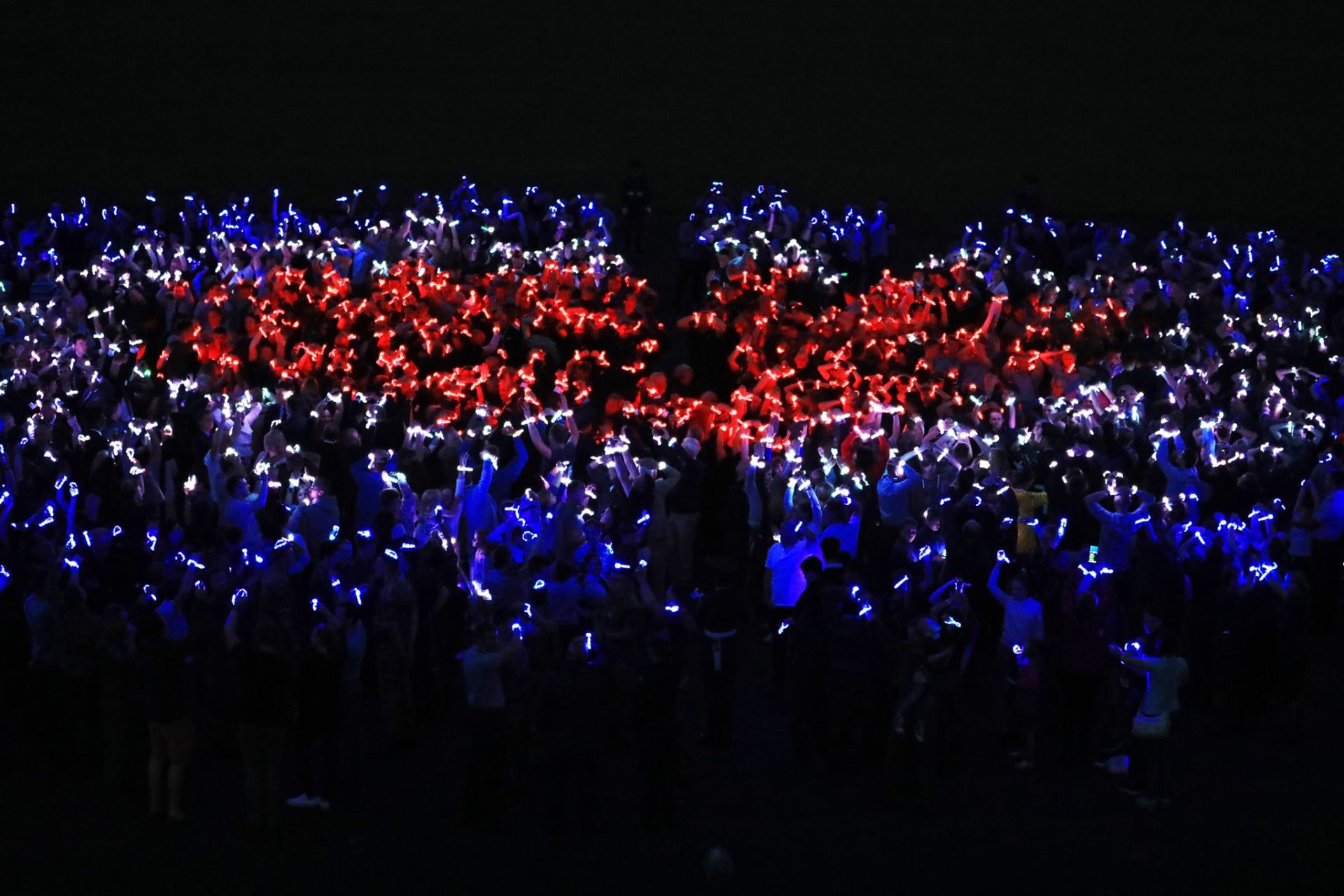
This unified approach is essential for creating the kind of powerful, collective moments that define today’s most ambitious productions. When thousands of Xylobands light up in perfect sync with a musical crescendo, it’s not just a technical achievement; it’s a moment of shared humanity. It’s the vision made real, delivered by logistical precision, and executed with technical excellence. From massive festival wristbands lighting up a field at PRIMER Music Festival to the subtle, camera-aware pulses in a television studio, the goal is the same: to close the distance between the performer and the audience, and between each member of that audience.
Ultimately, the visionary’s burden is to carry the weight of these three pillars simultaneously—to hold the creative dream, navigate the worldly constraints, and empower the technical wizards to build it. It’s a relentless, demanding role, but for those who can bear it, the reward is the roar of the crowd, the glow of a thousand lights, and the creation of a moment that leaves a lasting legacy.