Zero Failure: The Unseen Logistics of a Flawless Global Rollout
The Unseen Ballet: Mastering the High-Stakes World of Global Touring Logistics
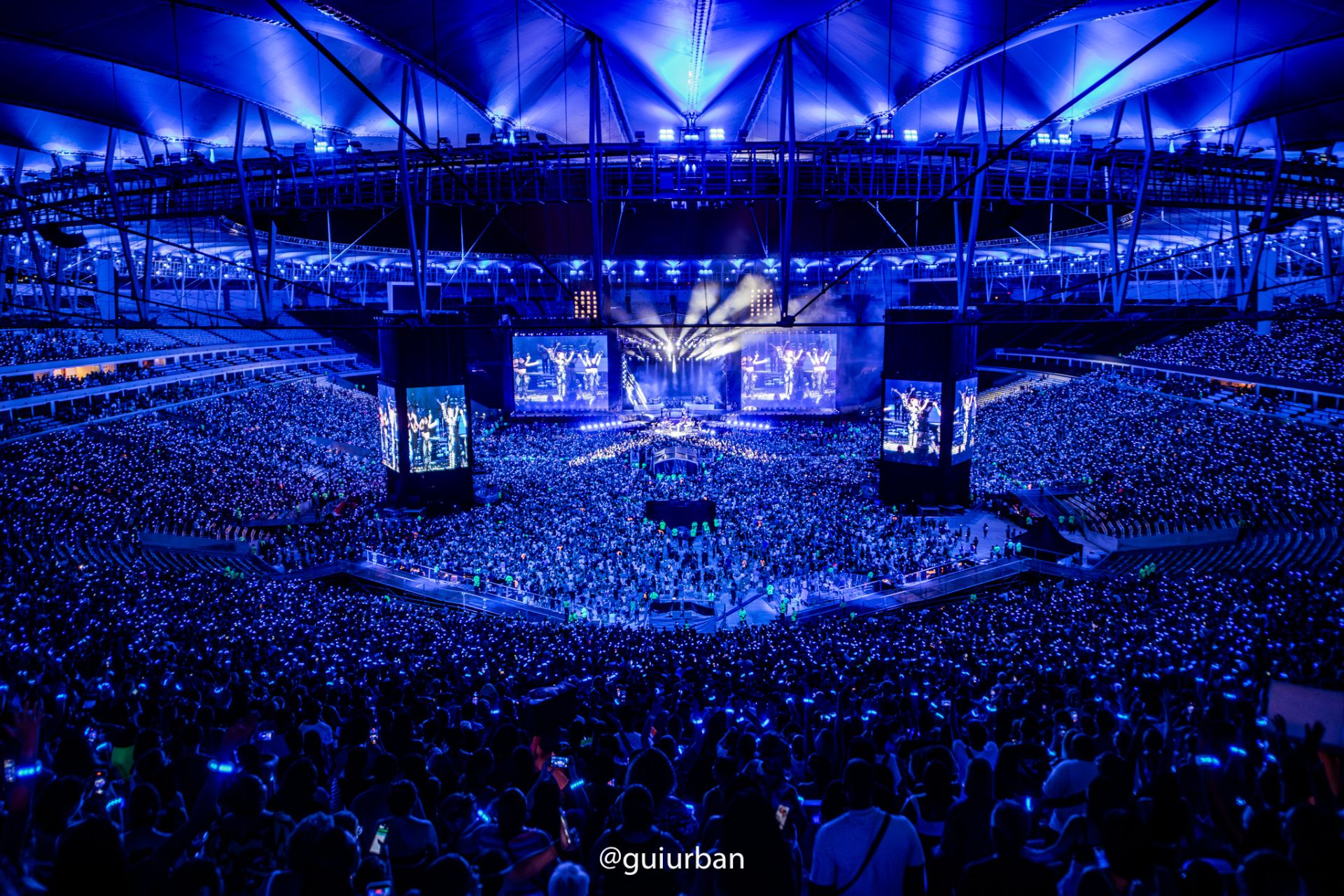
The house lights dim. A roar erupts from 50,000 people. For the audience, the show is just beginning. But for the small army of technicians, planners, and logistics experts behind the scenes, this moment is the culmination of months, sometimes years, of meticulous planning. The real show—the one that makes the main event possible—started long before the trucks arrived at the venue.
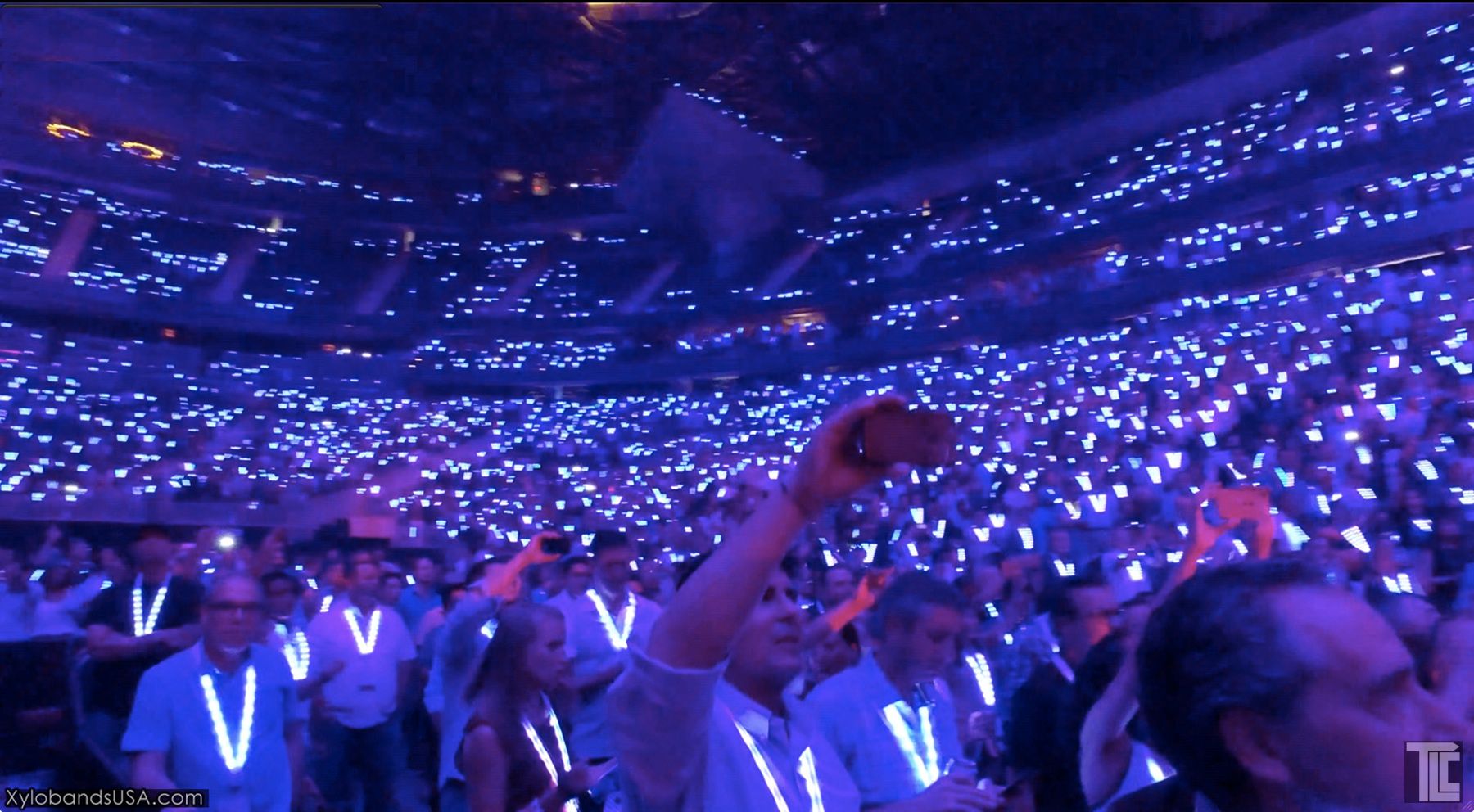
It began in warehouses, on conference calls, and in the complex digital ether of international freight manifests. It’s a world of ATA carnets, customs brokerage, and last-mile coordination—a high-stakes ballet where a single missed step can jeopardise an entire production. For a company like Xylobands, which has deployed over ten million pieces of wearable technology to more than 10,000 events in 70+ countries, mastering this unseen discipline isn’t just part of the job; it’s the foundation upon which every unforgettable LED crowd experience is built.
From a single stadium show in London to a multi-year world tour spanning continents, the core challenge remains the same: how do you get highly specialised, mission-critical equipment from Point A to Point B, on time and in perfect working order, every single time?
The Global Chessboard: Strategy, Scale, and Unseen Complexities
Moving thousands of radio controlled LED wristbands, transmitters, and charging racks across international borders is a fundamentally different challenge than shipping standard merchandise. This isn’t palletised cargo that can afford a delay. It’s the core of the show’s interactive element, as integral to the production as the sound system or the lighting rig.
Consider the logistical fingerprint of a major stadium tour. When Maluma played to a hometown crowd of 54,000 in Medellín, or when Wizkid sold out three consecutive nights at London’s O2 Arena, the concert wristbands that lit up the audience didn’t just magically appear. They undertook a carefully managed journey involving:
- Strategic Pre-Production: The process begins with forecasting. How many units are needed? What are the branding requirements for the custom LED wristbands? What is the technical specification for this particular venue’s RF environment? This initial phase informs the entire supply chain, from manufacturing to final deployment.
- Freight and Carnets: The ATA Carnet is the passport for your gear. This international customs document allows for the temporary importation of goods without duties or taxes. It’s an indispensable tool for any global tour, but it requires painstaking accuracy. Every single piece of equipment, from the master transmitter down to the last power cable, must be itemised with serial numbers and values. A single discrepancy can lead to delays, fines, or, in the worst-case scenario, the seizure of critical equipment.
- The Customs Hurdle: Navigating customs is an art form. Each country has its own nuances, from declared values and commodity codes to specific regulations around radio frequencies and battery technologies. Brazil is not the UAE; Germany is not Japan. Success depends on working with experienced freight forwarders and local customs brokers who understand the specific requirements of each territory and can anticipate potential roadblocks before they become show-stopping problems.
The Last Mile: From Tarmac to Tech Booth
Getting the equipment to the destination country is only half the battle. The "last mile"—the journey from the airport tarmac or seaport to the venue—is where many logistical plans falter. This is where meticulous on-the-ground coordination becomes critical.
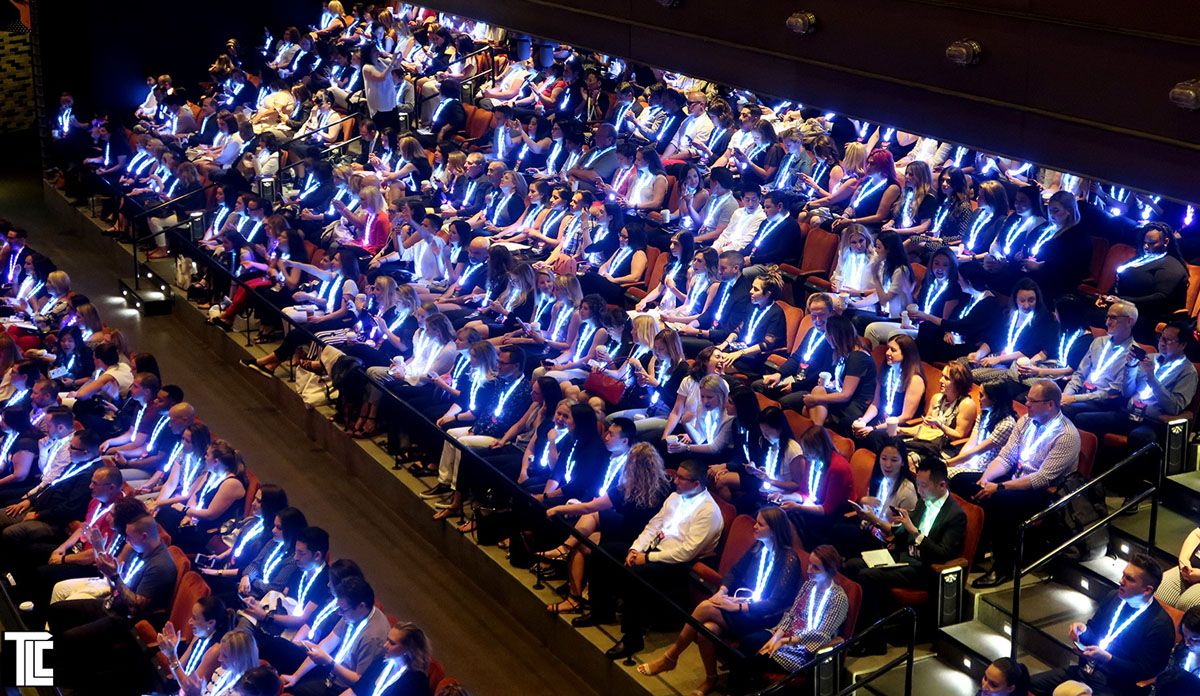
Our teams are often on-site days before a show, long before the first tour bus arrives. They are there to receive the shipment, verify the inventory against the carnet, and begin the technical setup. This involves coordinating with venue management, local crew, and the tour’s production team to ensure a smooth load-in and integration. For an event like the Formula One 75th Anniversary celebration in London, where we deployed 13,000 custom LED Lanyards (our Xylo Pendants), our team was responsible for meticulously placing every device around the arena to achieve the precise lighting effects envisioned by the creative team. This is a level of detail that logistics alone cannot solve; it requires a deep integration of logistics and technical execution.
This is the ‘zero failure’ mindset in practice. There is no room for “we’ll figure it out on the day.” The plan, and its contingencies, must be airtight.
Building a Resilient, Global Operation
So, what does it take to build a logistical machine capable of supporting the world’s biggest artists, brands, and festivals like Primer in Greece or the Davis Cup in Spain? It comes down to a few core principles:
1. Redundancy is Not a Luxury: For every critical piece of equipment, there must be a backup. For every logistical plan, there must be a Plan B and C. What if a flight is cancelled? What if a key transmitter is damaged in transit? We build redundancy into our shipments, often sending duplicate systems via different carriers to mitigate risk.
2. The Power of Partnership: No one does it alone. A robust network of trusted freight forwarders, customs brokers, and local partners is a non-negotiable asset. These are the people on the ground who can navigate local complexities and solve problems in real-time. They are an extension of our own team.
3. Technology and Process: From inventory management systems that track every single Xylo Band to communication protocols that keep global teams in sync, technology is the backbone of the operation. This is paired with standardised, repeatable processes for packing, shipping, and on-site deployment, ensuring consistency and quality control from Glastonbury to Athens.
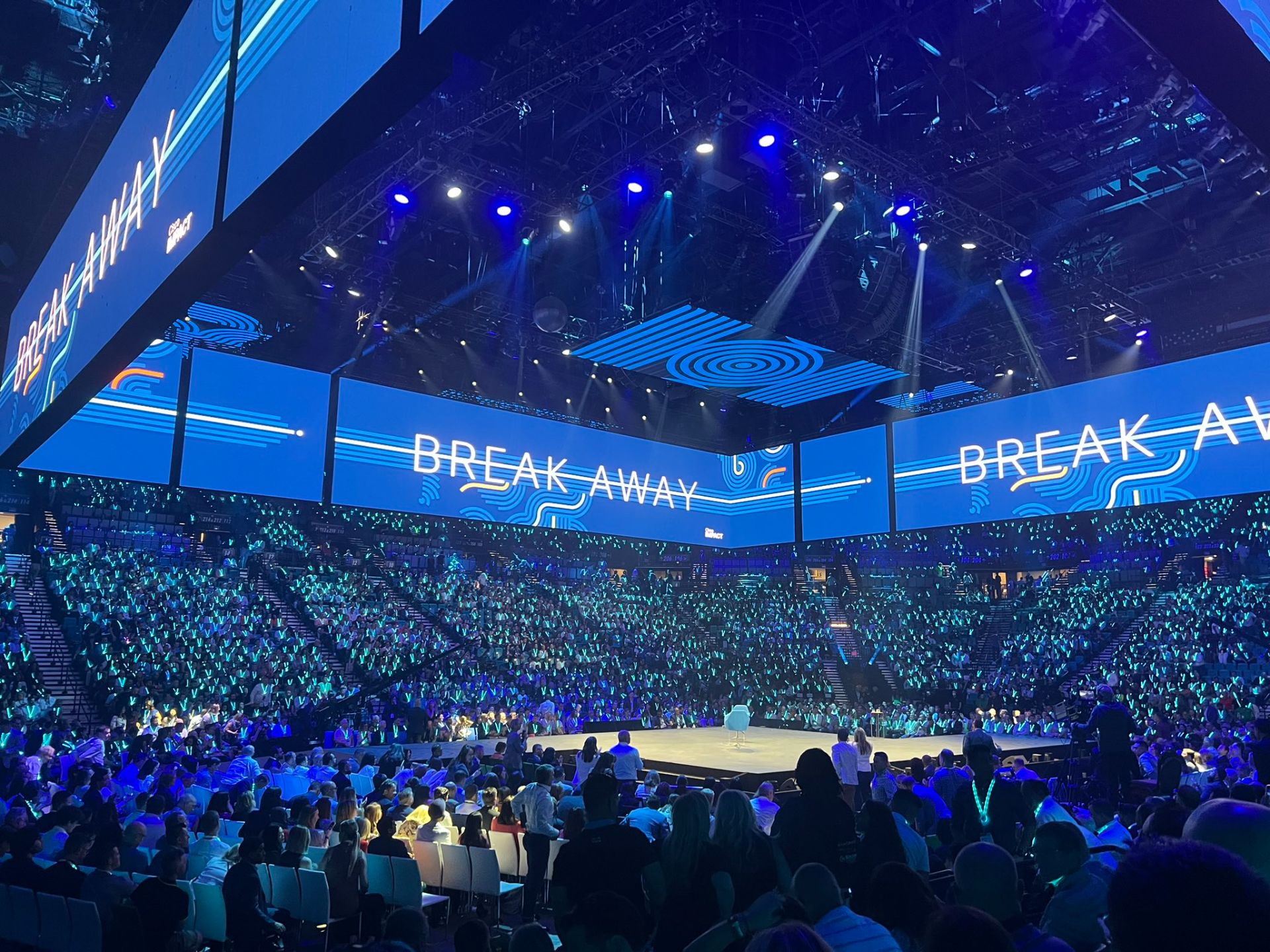
Ultimately, the goal of this entire unseen operation is to become invisible. The complex web of logistics should dissolve away, leaving only the experience itself. When the crowd becomes a canvas of light, when thousands of individuals are united in a single, synchronised moment of collective joy, no one is thinking about the ATA carnet or the customs clearance process. They are simply immersed in the magic of the moment. And for the teams behind the curtain, that is the only metric of success that truly matters. The show, against all odds, has gone on. Flawlessly.