The Atlas and the Artist: A Meditation on Collaborative Leadership
The Triumvirate: A Playbook for Artist, Tour Manager, and Creative Director Synergy
In the architecture of any large-scale tour or live event, there exists a foundational triumvirate: the Artist, the Tour Manager, and the Creative Director. When this alliance is forged in trust and unified by a singular vision, it becomes an unstoppable force, capable of executing monumental productions with grace and precision. When it fractures, even the most brilliant concepts can crumble under the weight of logistical failure and creative misalignment. This is the high-stakes world of modern live production, where leadership is not a title, but a dynamic, collaborative practice.
The traditional model often depicted a rigid hierarchy. The artist provides the vision, the creative director translates it, and the tour manager executes. But in today’s environment—characterised by complex supply chains, razor-thin margins, and audiences with ever-higher expectations for immersive events—that linear approach is obsolete. The new paradigm is a fluid, interconnected network of shared responsibility, where the Tour Manager’s logistical acumen informs the Creative Director’s design, and the Artist’s performance intent guides them both.
The Choreography of Trust
Trust is the invisible currency of this relationship. For a creative director to design a show that relies on untested immersive event technology, they must trust the tour manager to navigate the global freight complexities to get it there. For an artist to step onto a stage surrounded by pyrotechnics, automation, and a sea of LED crowd experiences, they must have absolute faith in the teams that built their world.
This trust is not built in boardrooms; it’s forged in the trenches. It’s built during late-night production meetings, on gruelling multi-city runs, and in the shared pressure of a ten-minute stage changeover. It is a choreography of competence, where each party consistently demonstrates their mastery of their domain. The tour manager isn’t just a logistician; they are a master of foresight, a risk mitigator who anticipates the cascading effects of a single delayed flight or a customs hold-up. They are the Atlas, carrying the operational world on their shoulders so the artist can be the muse.
The Vision: From Sketch to Stadium
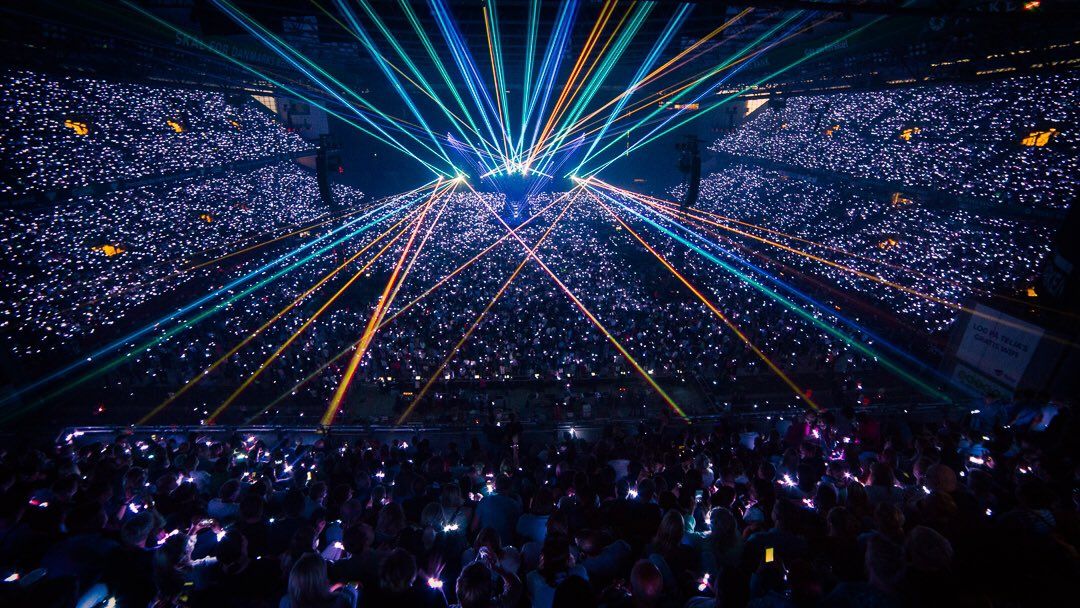
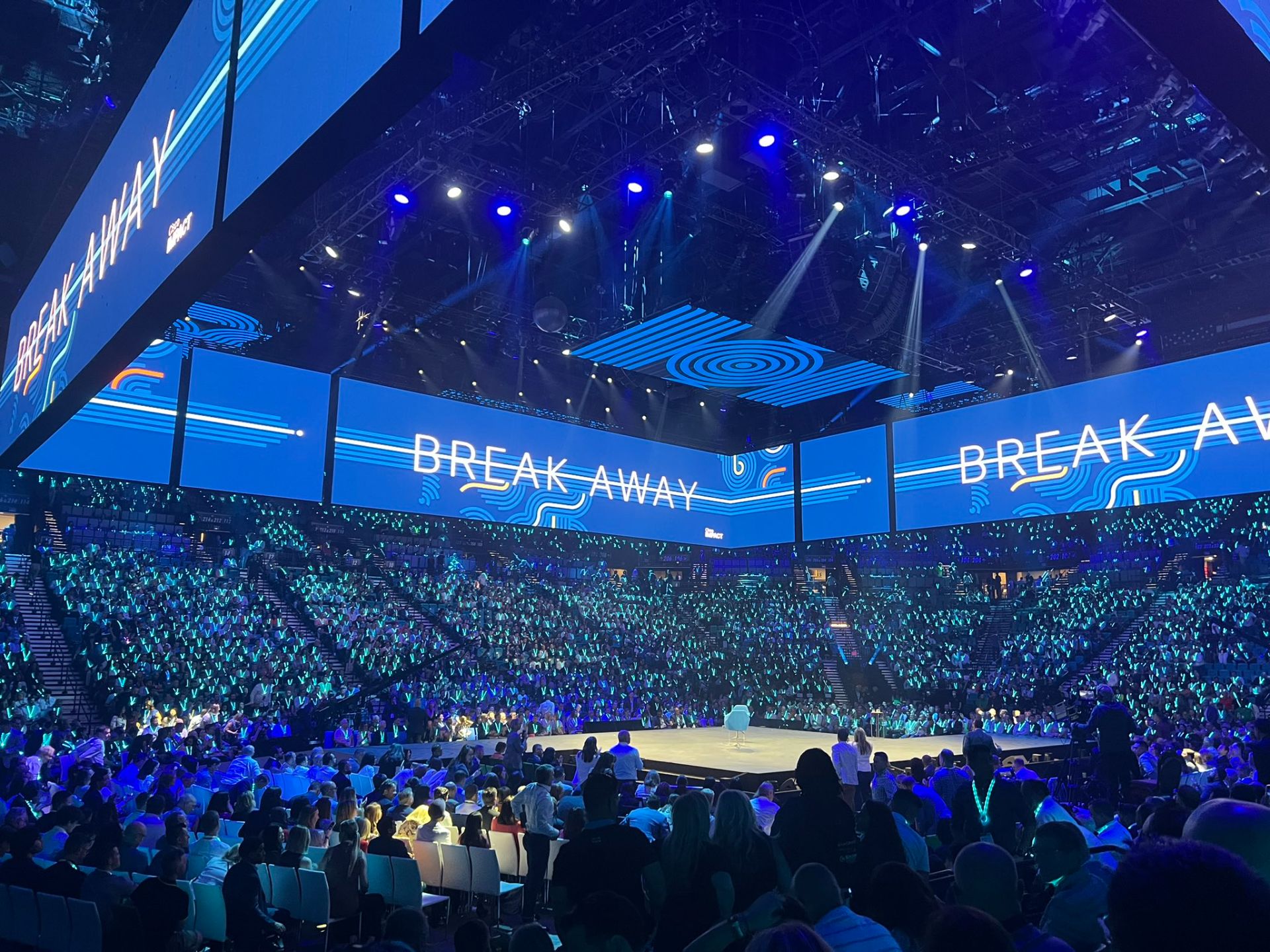
Every legendary show begins as an idea—a sketch, a lyric, a conversation. The Creative Director’s role is to act as the architect of that dream, translating ephemeral concepts into tangible, technical reality. This process is one of both translation and negotiation. The artist might envision an entire stadium transformed into a galaxy of stars. The Creative Director must then ask: How? Do we use lasers? Projection mapping? Or do we turn the audience into the constellation itself with radio controlled LED wristbands?
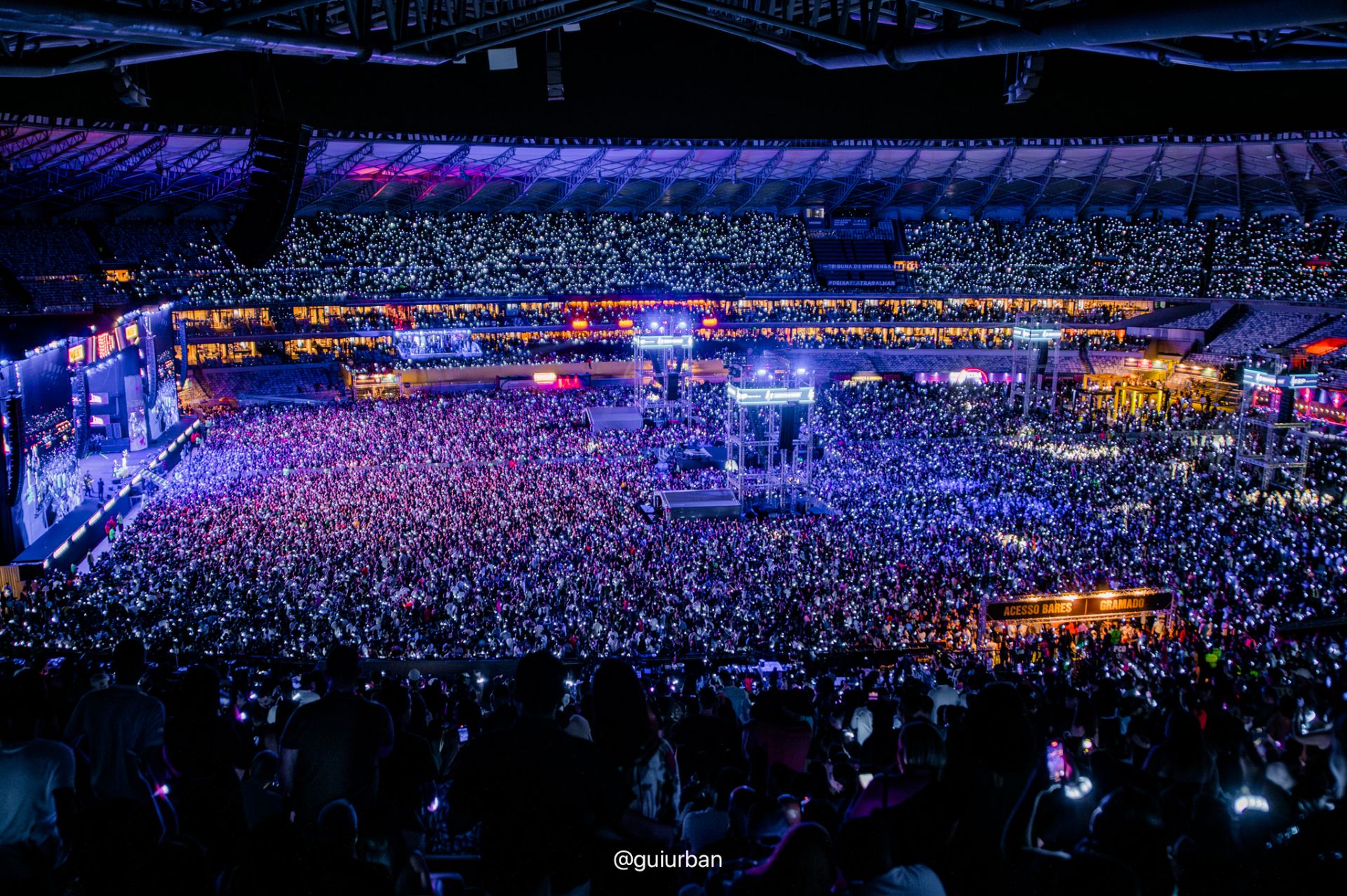
This is where technology becomes a partner in the creative process. Companies like Xylobands have revolutionised the canvas, offering tools that were once the stuff of science fiction. The ability to paint with light across a crowd of 50,000 people, turning each individual into a pixel in a grander design, has fundamentally altered the conversation. It’s no longer just about lighting the stage; it’s about illuminating the entire human landscape of the venue. Suddenly, concepts like those seen at a Maluma concert, with tens of thousands of participants lit in unison, become not just possible, but integral to the show’s emotional arc.
“The logistical and creative arms of a production are not separate entities; they are two sides of the same coin. A brilliant creative idea without a viable execution plan is just a dream. A flawless logistical plan without a compelling creative vision is just an exercise in efficiency.”
The Tour Manager: The Unseen Atlas
While the creative director builds the world, the tour manager moves it. Their domain is one of relentless detail: freight manifests, crew scheduling, venue negotiations, and risk assessment. For a global tour, this is a masterclass in international logistics. They are the unseen heroes who ensure that the custom LED wristbands arrive in Athens for PRIMER Music Festival on time, that the intricate staging for a Formula One celebration is ready for a live broadcast, and that the crew is rested, paid, and prepared for showtime.
This role demands a unique form of leadership—one part military strategist, one part diplomat. They must be able to speak the language of artists, accountants, and engineers with equal fluency. They must have the authority to make difficult decisions under pressure while maintaining the morale and motivation of a road-weary crew. Their success is measured by what the audience *doesn’t* see: the seamless transitions, the absence of delays, the flawless execution of a complex technical production.
The Unity Principle
Ultimately, the power of this triumvirate lies in its unity. The most successful productions are those where the lines between artist, creative, and logistics blur into a single, cohesive unit. The tour manager is in the creative meetings from day one, offering pragmatic feedback on what’s feasible. The creative director is on the ground, understanding the real-world constraints of venues and transport. And the artist is an active participant in the entire process, their vision serving as the consistent north star that guides every decision.
This collaborative leadership is the engine behind the spectacle. It’s what allows an artist like Wizkid to sell out three nights at the O2, supported by a technical and logistical framework that enhances, rather than hinders, the raw energy of the performance. It’s what allows for the creation of truly groundbreaking corporate event activations and immersive fan experiences. It is the quiet, disciplined, and deeply collaborative work that makes the magic of live performance possible, night after night, city after city.