Beyond the Lightbulb Moment: Building a Sustainable Innovation Engine
The Myth of the Solitary Spark
Our industry loves a good origin story. The narrative is seductive in its simplicity: a lone visionary, a flash of insight, and an invention that changes everything. The story of Xylobands begins with such a moment—our director, Jason Regler, watching Coldplay’s 2011 Glastonbury set. The refrain of ‘Fix You,’—“Lights will guide you home”—sparked the idea of a crowd-wide, synchronized light show. It was a powerful, definitive beginning that led to the first-ever Coldplay Xylobands on the Mylo Xyloto Tour.
But that spark, as foundational as it was, is not the whole story. A single breakthrough moment cannot sustain a company at the bleeding edge of immersive event technology. The far more complex, and ultimately more rewarding, challenge is to build a culture that moves beyond the initial lightbulb moment—a culture that systematizes curiosity and institutionalizes ingenuity. This is the work of building a sustainable innovation engine; a perpetual motion machine of research, development, and reinvention.
From Inspiration to Infrastructure
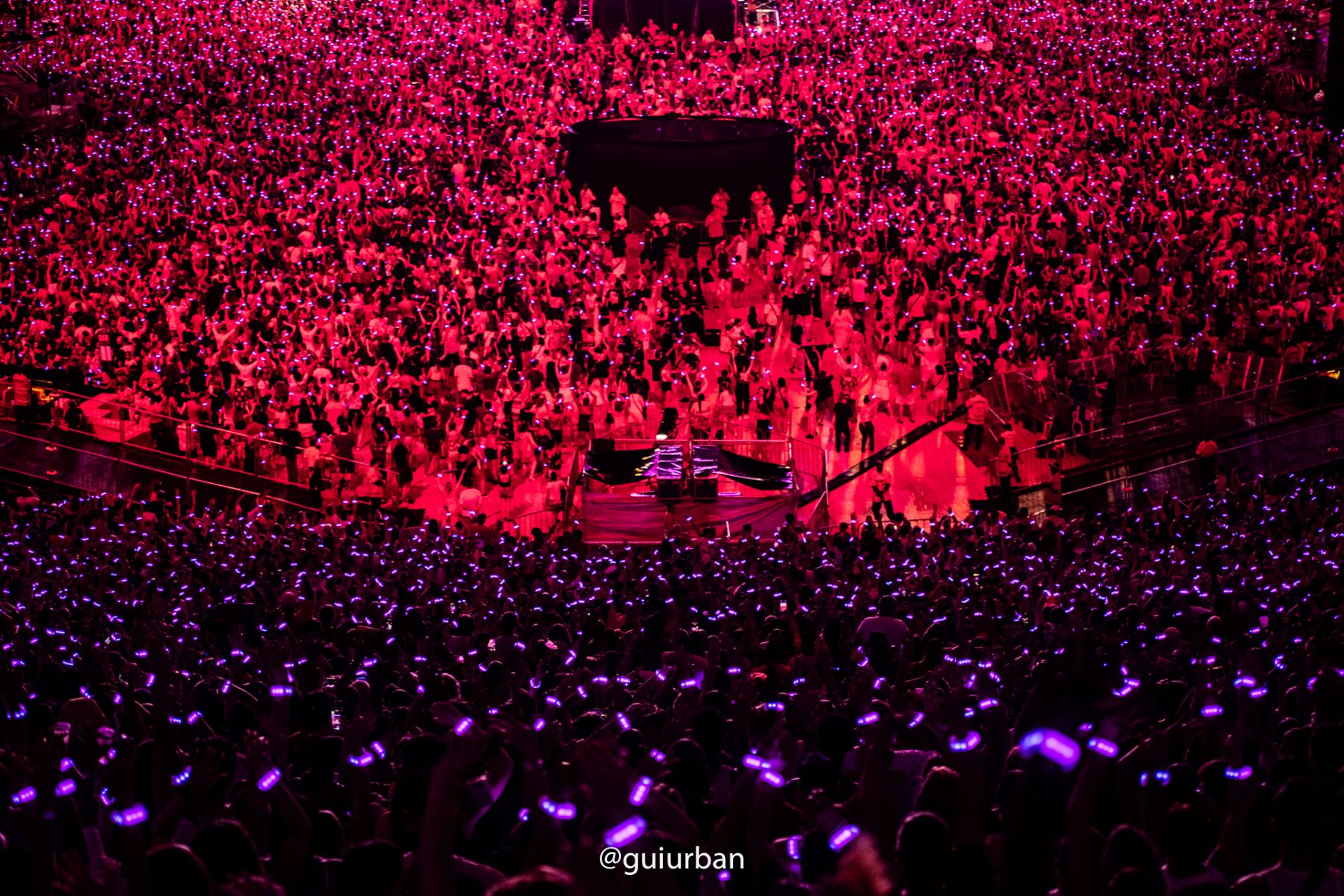
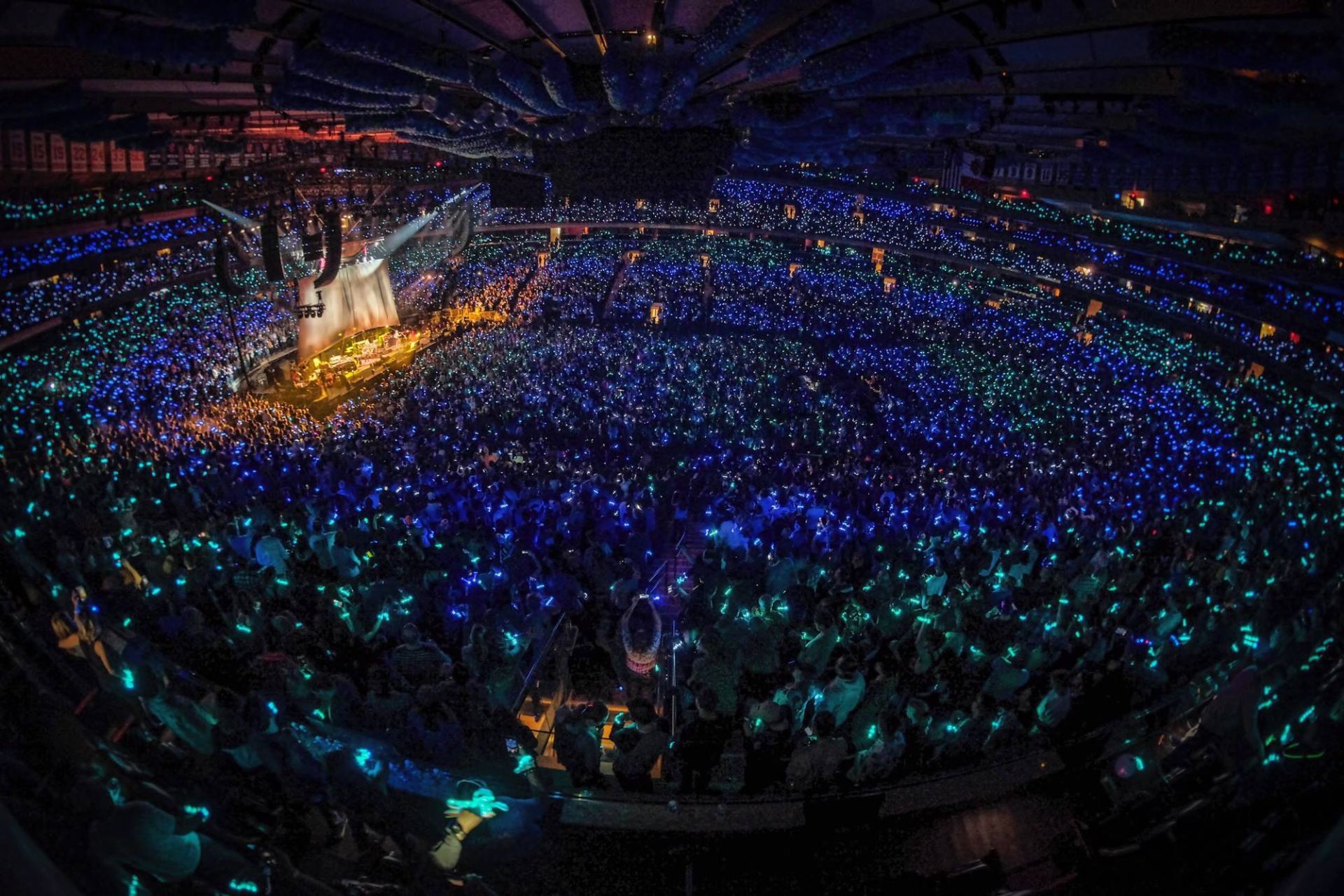
Translating that Glastonbury vision into a tangible reality was a formidable technical challenge. It demanded a deep dive into the world of RF control, power management, and large-scale manufacturing. The first generation of radio controlled LED wristbands was not just a product; it was the creation of a new platform. It was proof that an entire audience could be transformed into a living, breathing canvas of light, an extension of the artist’s own expression.
That initial success, however, was never an endpoint. Instead, it became the infrastructure upon which all future development would be built. The Mylo Xyloto Tour wasn’t a victory lap; it was a real-world laboratory for a million points of data. It stress-tested the technology, revealed its limitations, and, most importantly, illuminated its future possibilities. This is the first principle of our R&D culture: every deployment is a discovery, and every show is a source of new questions. True innovation begins the moment the first version is complete.
The Client-Driven R&D Loop
In the world of live events, innovation cannot happen in a vacuum. The most elegant technological solution is meaningless if it doesn’t solve a real-world creative or logistical problem for a tour manager, broadcast director, or brand marketer. Our R&D process, therefore, is not an isolated department within our walls; it’s a dynamic, collaborative loop with our clients.
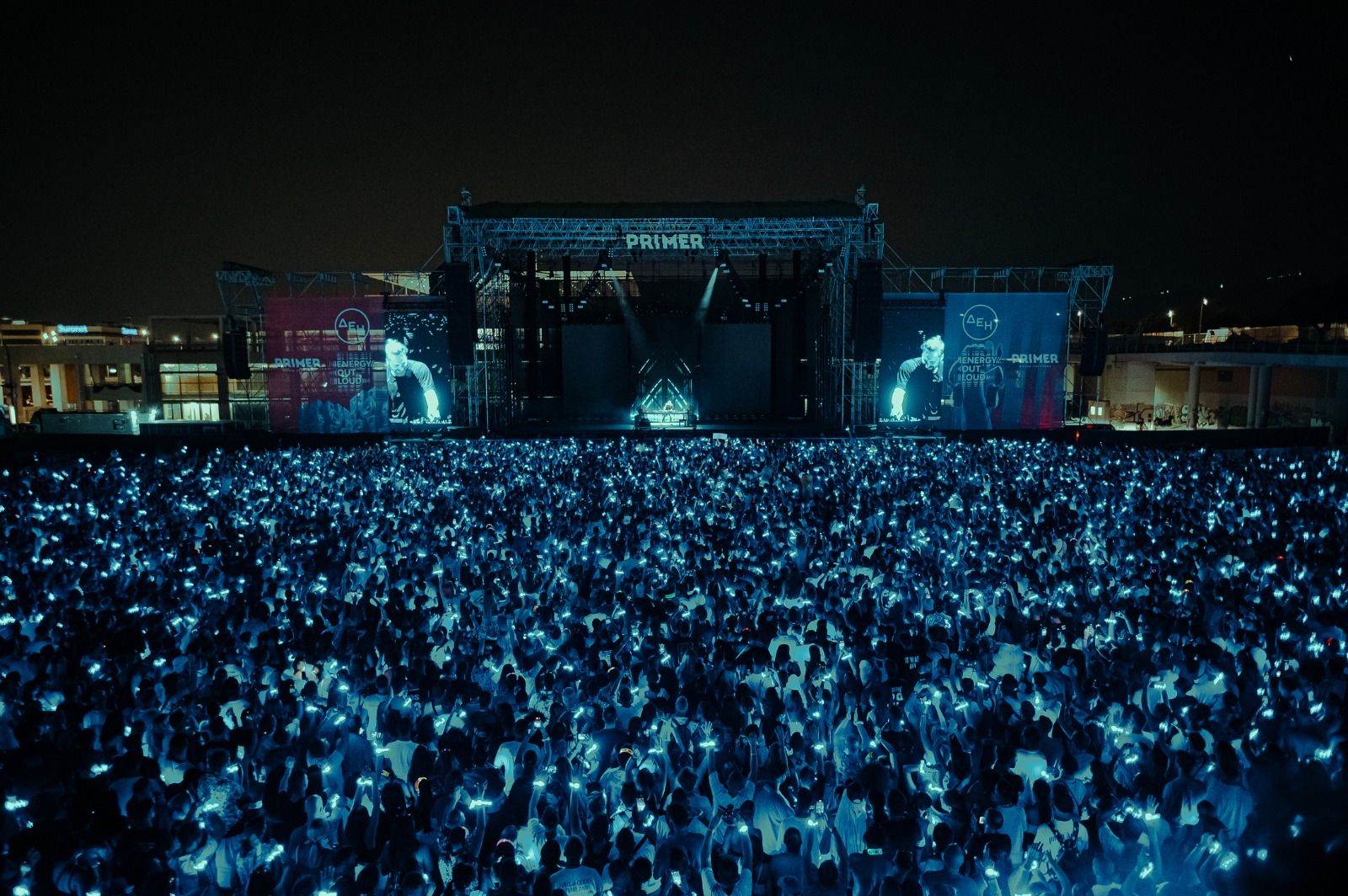
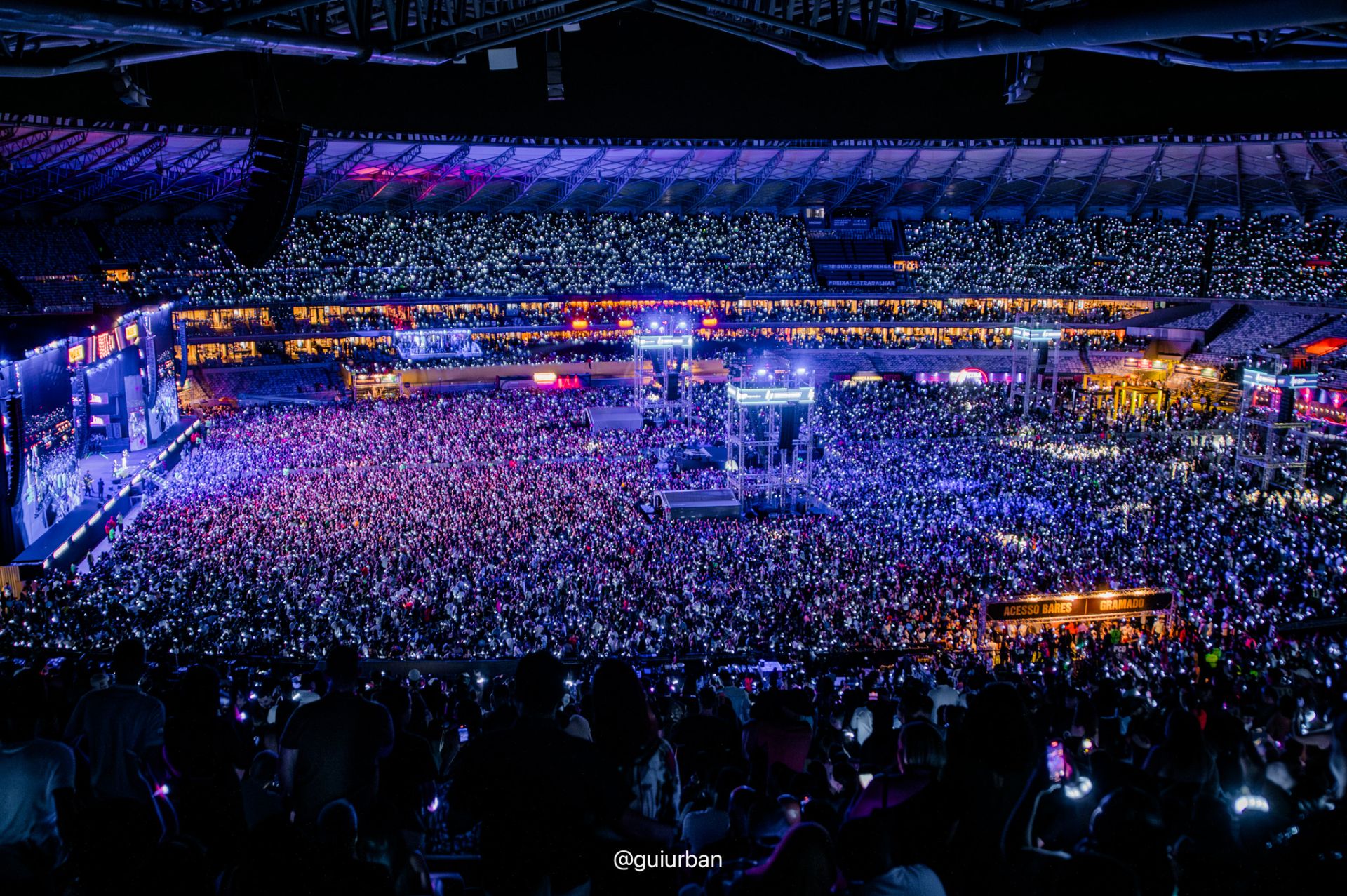
This dialogue is the engine that drives diversification. It’s what led to the development of custom LED wristbands and entirely new form factors. When Formula 1 needed a premium, brandable wearable for its 75th-anniversary celebration, the conversation resulted in the Xylo Pendant. When a corporate client needs to integrate credentials into the experience, the answer becomes our LED Lanyards. The distinct needs of a multi-day electronic music festival like Primer, a landmark stadium concert for an artist like Maluma, a historic sports event like the Davis Cup, or a high-energy arena show for Wizkid each present unique challenges. These challenges—spanning activation, branding, longevity, and crowd dynamics—are not obstacles; they are our R&D roadmap. They push us to refine our core wearable LED technology and expand its creative vocabulary.
Designing for Duality: The Live and Broadcast Challenge
One of the most complex R&D frontiers is engineering light for two profoundly different audiences simultaneously: the human eye and the camera lens. As more events become global broadcasts, from the Eurovision Song Contest to studio productions for ITV like Beat The Chasers, the demands on our technology have multiplied.
Light that feels atmospheric and immersive in person can appear blown-out or cause flicker on a high-definition sensor. Color temperatures that read as vibrant to the eye can look muted or distorted on screen. This requires a level of engineering that goes far beyond simply turning a light on and off. It involves meticulous calibration of brightness, refresh rates, and color science to create LED crowd experiences that are equally spectacular for the screaming fan in the stadium and the global audience watching at home. This dual focus forces a constant refinement of our hardware and software, ensuring the integrity of the creative vision is preserved across every medium. It represents the pinnacle of immersive events—a single moment, shared perfectly in two separate realities.
The Culture of the Perpetual Prototype
Ultimately, a sustainable innovation engine is not about a process or a department. It is about people and philosophy. It is a shared belief that no product is ever truly finished. The Xyloband a fan wears at a show today is the direct descendant of those first prototypes, but it has been shaped by over a decade of relentless iteration. From power efficiency and RF range to durability and the brightness of the LEDs themselves, every component is part of a continuous cycle of improvement.
This is the culture of the perpetual prototype. It’s an understanding that the next great idea might not come from a single, dramatic spark, but from the incremental gains made by our engineers, the challenging questions asked by our clients, and the invaluable feedback from our on-site technicians. It’s how we’ve moved from a single product to a diverse ecosystem of LED wearables, from early Xylo Bands to advanced models like the Xylo Lux. It’s a commitment to pushing the boundaries of what is possible, not for the sake of technology itself, but for the sake of the experience.
The Unfinished Symphony
The journey from that initial spark at Glastonbury to powering thousands of events across the globe is a testament to this philosophy. Building a true innovation engine means accepting that the work is never done. It means trading the myth of the solitary spark for the collaborative reality of a sustained fire.
The future of concert wristbands, festival wristbands, and corporate event activations is not a fixed point on the horizon, but a constantly evolving conversation between artist, audience, and engineer. The light show is an unfinished symphony, and a culture of perpetual innovation is what allows us to write the next movement.