The Collaborative Command: A Modern Leadership Playbook for Live Production
The End of the Autocrat: Why Modern Productions Demand a New Leadership Model
In the intricate world of major tours, large-scale broadcasts, and high-profile brand activations, the myth of the lone genius is just that — a myth. The traditional, top-down command structure, once the bedrock of production management, is proving increasingly fragile in the face of modern complexities. Today’s most ambitious projects are not the product of a single vision, but of a unified command — a collaborative ecosystem of artists, producers, engineers, and technology partners working in near-perfect synchrony.
This shift isn’t about consensus-driven mediocrity or leadership by committee. It’s about building a framework of trust, technical credibility, and shared ownership that empowers every specialist to execute at the highest level. From choreographing LED crowd experiences for a global broadcast to deploying immersive technology across dozens of countries, the sheer scale of modern productions requires a more resilient, adaptable, and collaborative leadership approach.
The Three Pillars of Collaborative Command
Leading a complex creative endeavor is an exercise in managing chaos. It involves harmonizing the artistic vision with technical feasibility, logistical constraints, and budgetary realities. Success hinges on a leadership model built on three core principles:
1. Establishing a Unified Vision, Not a Dictatorship
The leader’s primary role is not to have all the answers, but to articulate the central vision so clearly that it becomes the team's shared compass. This vision acts as the ultimate tie-breaker and the source of truth when decisions get tough. When an artist like Maluma plans a landmark homecoming concert in Medellín, broadcast to over 240 countries, the vision isn’t just to “put on a show.” It’s to capture the energy of a historic moment, celebrate a culture, and deliver an equally powerful experience to the 54,000 fans in the stadium and the millions streaming it at home.
“True leadership in this space is about translating the ‘what’ and the ‘why’ so effectively that the ‘how’ becomes a collaborative discovery. Your job is to protect the integrity of the vision while empowering your technical and creative teams to find the most innovative ways to realize it.”
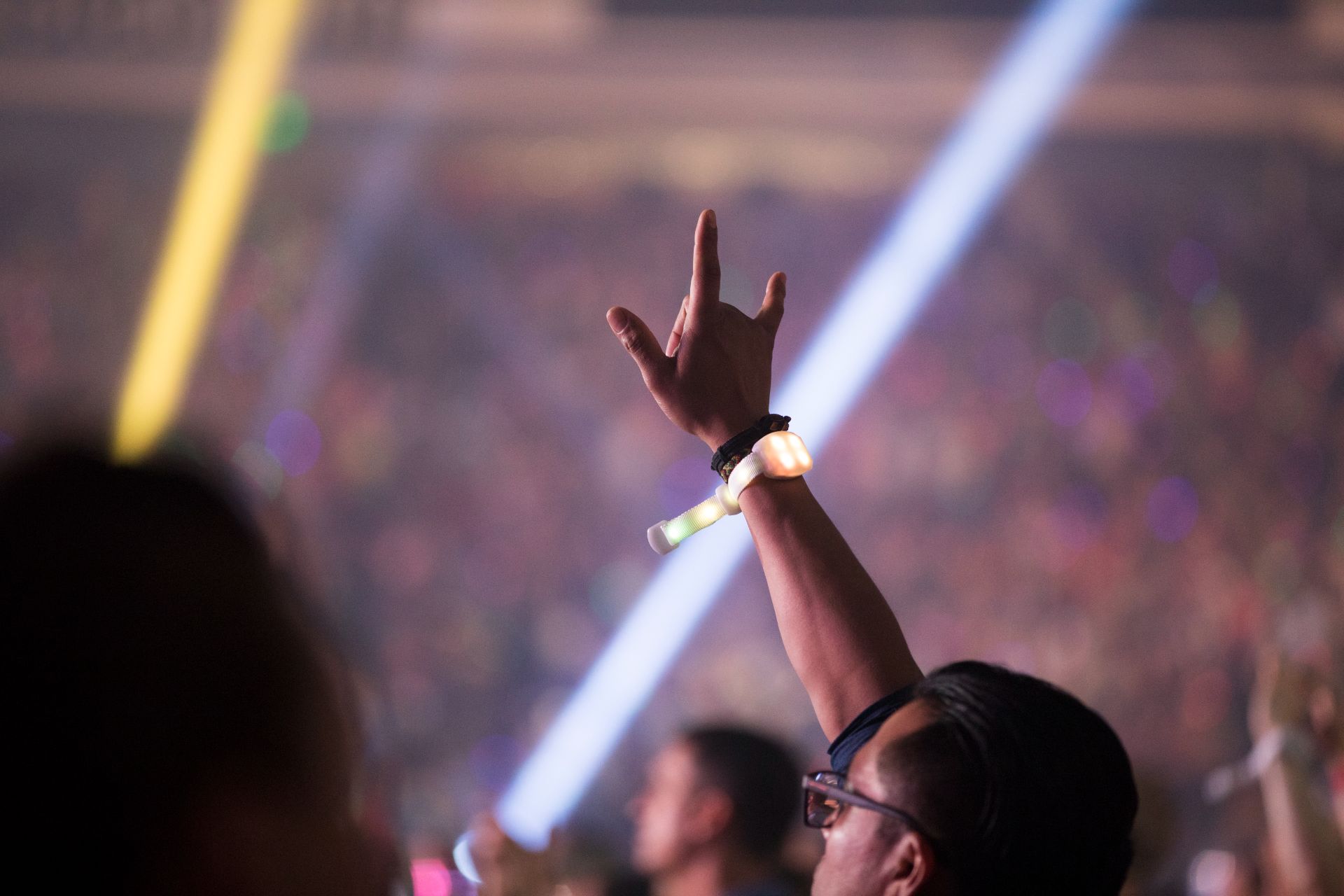
This requires a deep understanding of each discipline. A producer who doesn’t grasp the fundamentals of RF technology cannot effectively lead a team deploying radio controlled LED wristbands. A creative director who ignores the realities of global freight cannot design a viable touring spectacle. The collaborative leader fosters an environment where technical specialists and creative minds can challenge, inform, and elevate one another’s work, all in service of the shared goal.
2. Engineering Trust Through Technical Credibility
In high-stakes environments, trust isn’t a soft skill; it’s a non-negotiable asset. It is earned not through authority, but through demonstrated competence and transparency. When Formula 1 sought to celebrate its 75th anniversary with a live broadcast featuring all 20 drivers and musical guests, the logistical and technical matrix was staggering. The creative team needed to know that the technology partners could deliver, not just with flawless execution but with a deep understanding of the broadcast environment.
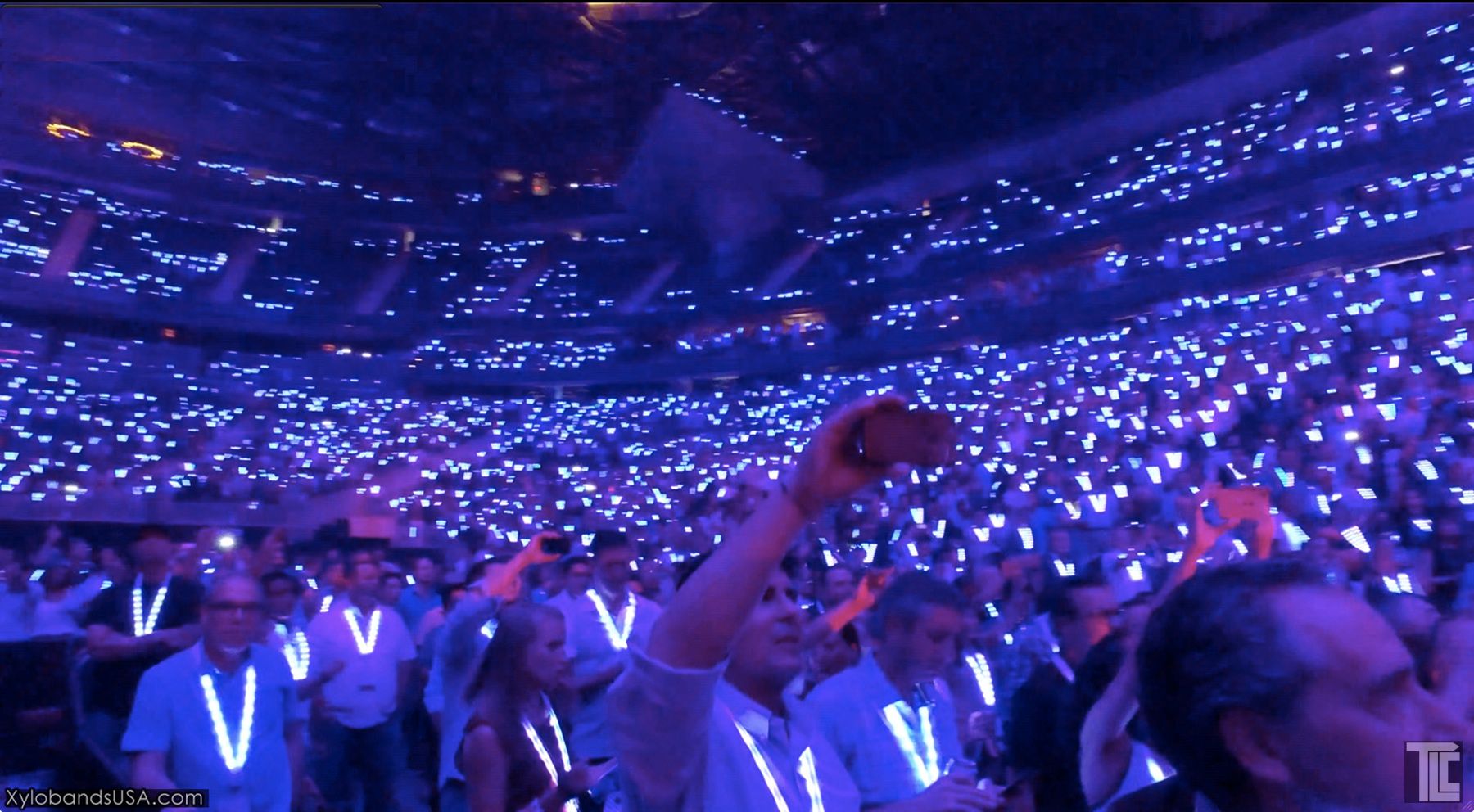
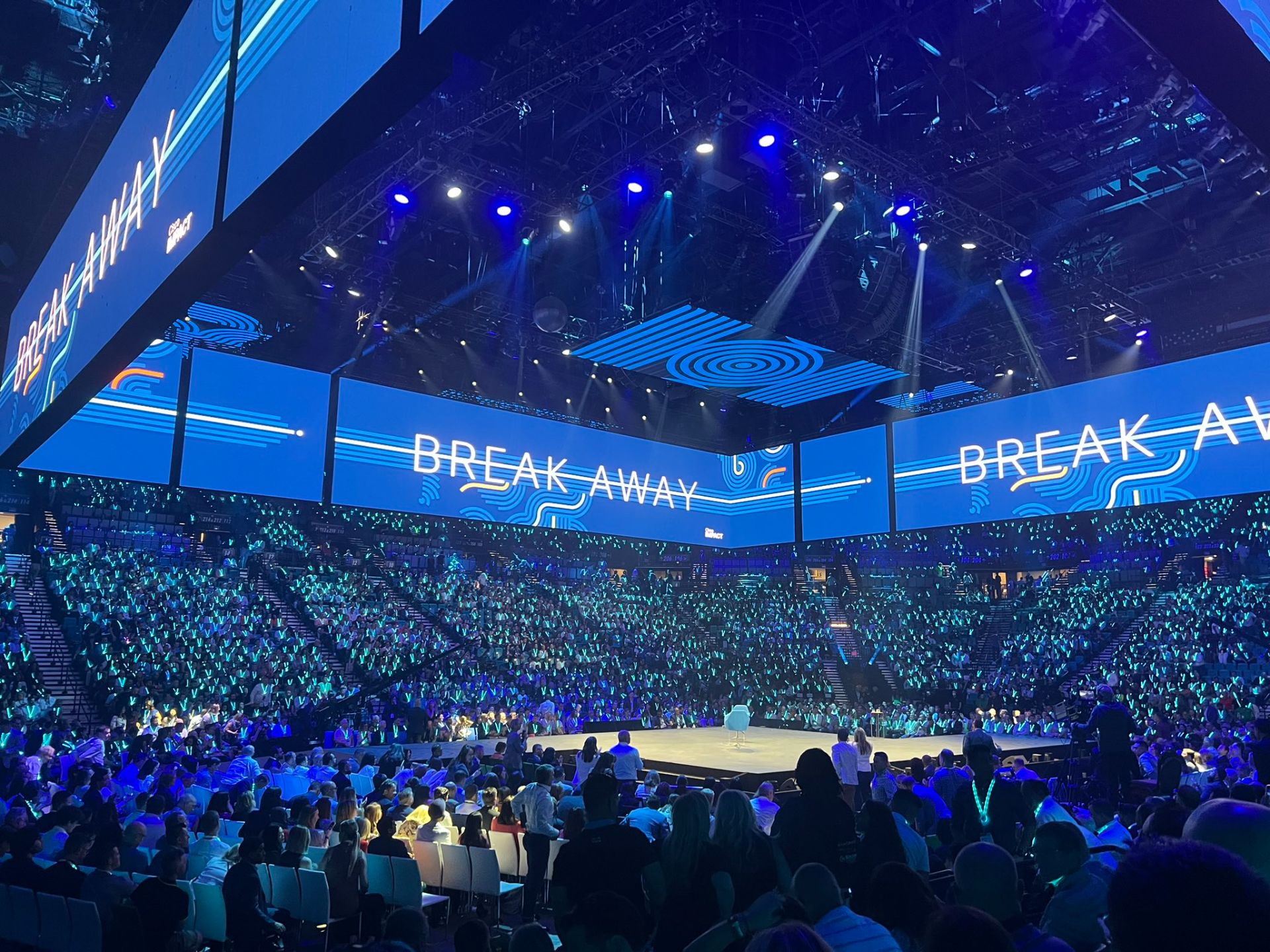
Our role in projects like these extends beyond simply supplying LED Lanyards or wristbands. It involves becoming a trusted technical consultant. We engage in a deep dialogue with the production and creative leads, mapping out the technical choreography — how the placement of thousands of LED wearables can create specific visual effects for both the live audience and the cameras. This level of granular collaboration builds confidence and turns a supplier relationship into a true creative partnership.
This is where the concept of a “zero-failure mandate” becomes critical. For a global tour or a one-off broadcast, there are no second chances. The trust placed in a leader — and by extension, their chosen partners — is absolute. This trust is built on a proven track record and a shared language of technical excellence.
3. Designing for Resilience and Redundancy
Even the most meticulously planned production will encounter unforeseen challenges. A freight shipment gets delayed, a key piece of equipment fails, or the RF environment at a venue is more hostile than anticipated. A dictatorial leader might see these as crises. A collaborative leader sees them as predictable variables and plans for them.
Effective leadership is about building resilient systems — both human and technical. It’s about asking the right “what if” questions long before they become “what now?”
- Technical Redundancy: What is our backup plan if the primary RF transmitter fails? Do we have redundant systems for critical show moments?
- Logistical Contingencies: What is our protocol if a shipment of custom concert wristbands is held up in customs? Do we have a buffer in our production timeline?
- Human Systems: Is the team cross-trained? Can one person step in if another is unavailable? Is communication clear and protocol-driven, especially under pressure?
This proactive, systems-thinking approach is what separates seasoned professionals from aspiring ones. It’s the unseen architecture that allows for improvisation and problem-solving without derailing the entire production. It’s how a three-night, sold-out run at The O2 Arena, like Wizkid’s historic engagement, can appear seamless to the audience, even when the logistics of reusing and recycling tens of thousands of Xylobands between shows demand military precision.
The Leader as Conductor
Ultimately, the modern production leader is less like a general and more like a conductor. They are not playing every instrument, but they have an intimate understanding of how each one contributes to the whole. They set the tempo, cue the transitions, and modulate the dynamics, but they rely on the virtuosity of each musician to bring the composition to life.
From festival fields like PRIMER in Greece to the high-stakes television studios of ITV, the goal is to create a singular, unified experience. Whether it’s through LED bands, immersive lighting, or groundbreaking stagecraft, the technology is a tool. The real work lies in the human system that wields it. By fostering a culture of collaborative command, leaders can navigate the immense pressures of live production, transforming complex logistics and ambitious creative visions into unforgettable moments of shared human connection. It is a leadership model defined not by the force of a single will, but by the focused power of a collective ambition.