The Non-Linear Edge: How Dyslexic Thinking Architects Breakthrough Experiences
The Non-Linear Advantage in Live Experience Design
Modern corporate environments and creative industries frequently praise agility, disruption, and lateral problem-solving. Yet, traditional operational structures remain strictly linear: written reports, sequential spreadsheets, and heavily templated workflows. For decades, neurodivergent minds—and specifically individuals with dyslexia—navigated these standard frameworks as outsiders. Today, a fundamental shift in perception is underway. In fields where spatial awareness, real-time intuition, and macro-level conceptualisation dictate success, dyslexic thinking is no longer treated as a challenge to manage. It has emerged as a distinct competitive advantage.
In high-stakes environments like live entertainment and enterprise technology, linear thinking often fails to anticipate systemic challenges. When you look at large-scale arena productions or intricate corporate event activations, success does not stem from following a checklist step-by-step. It demands an instinct for how thousands of dynamic variables—human emotion, architecture, wireless frequencies, and visual pacing—interact simultaneously in real time. Dyslexic minds excel precisely at this multi-dimensional pattern recognition.
Beyond the Printed Word: Spatial Cognition and Three-Dimensional Systems
Research across cognitive science demonstrates that dyslexia is fundamentally an alternative wiring of the brain, frequently paired with heightened visual-spatial reasoning and superior holistic processing. While conventional education measures aptitude through rapid text comprehension and rote linear syntax, spatial thinkers decode the world in three dimensions.
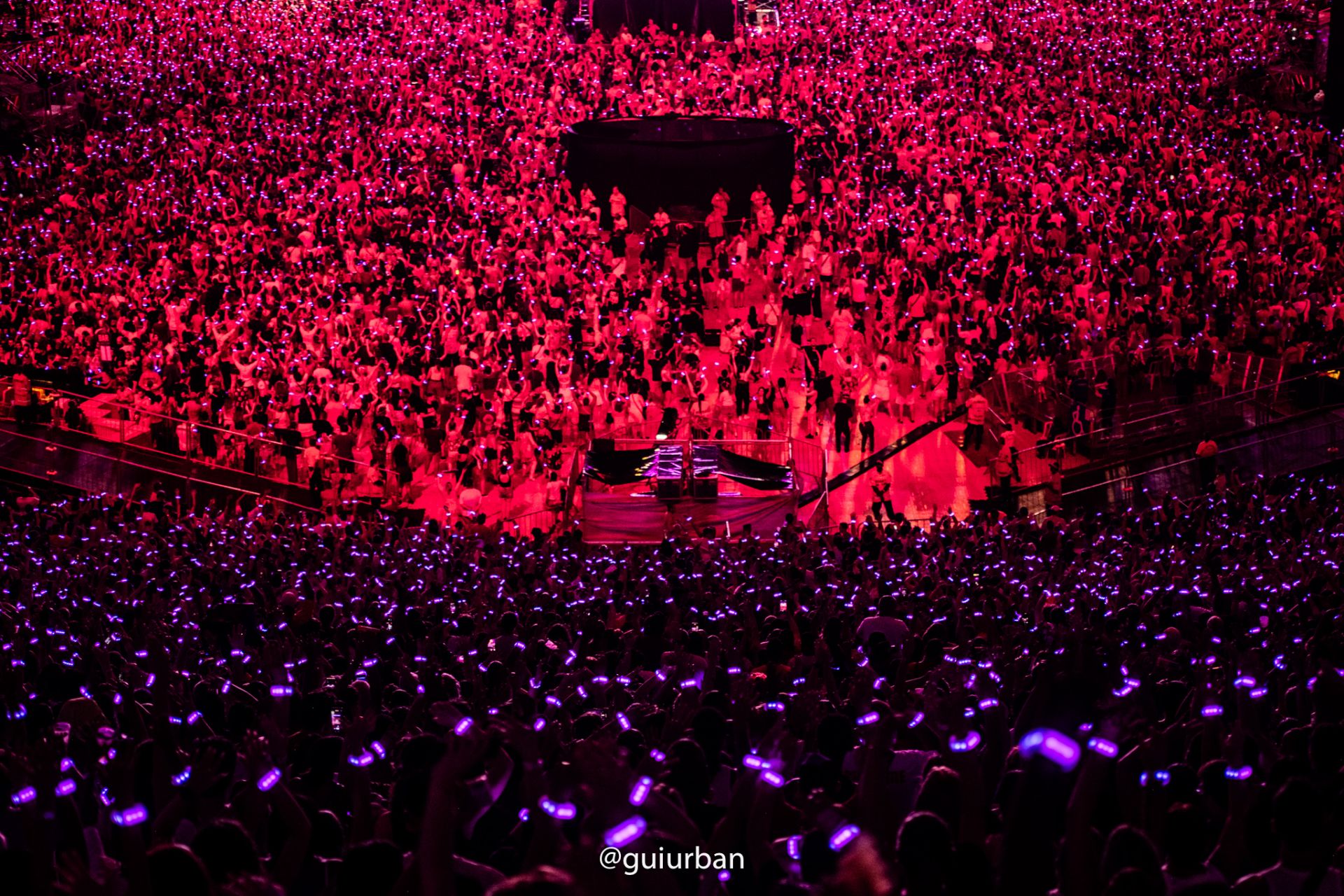
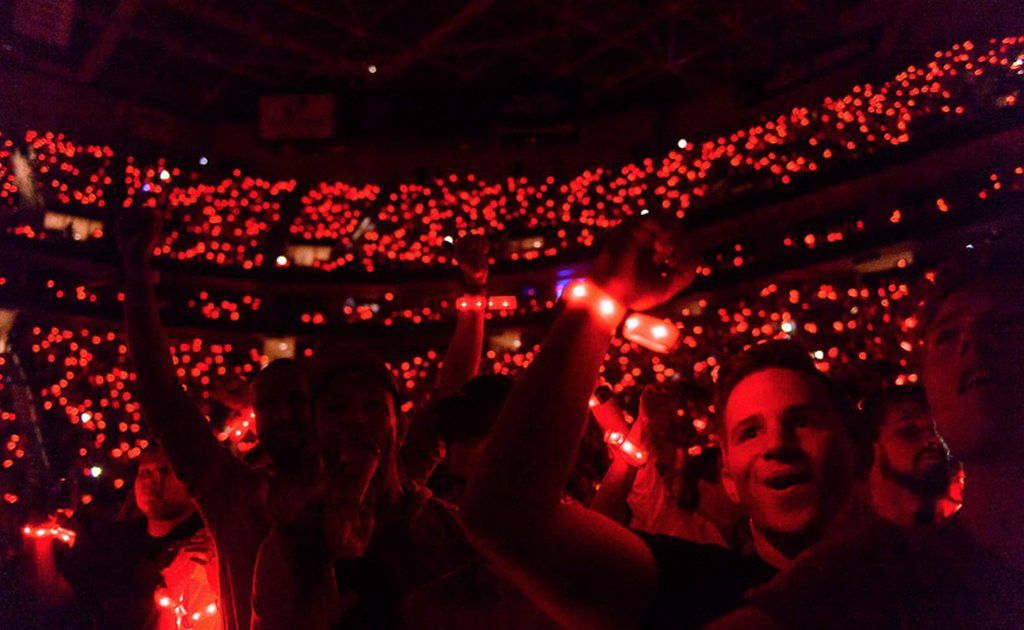
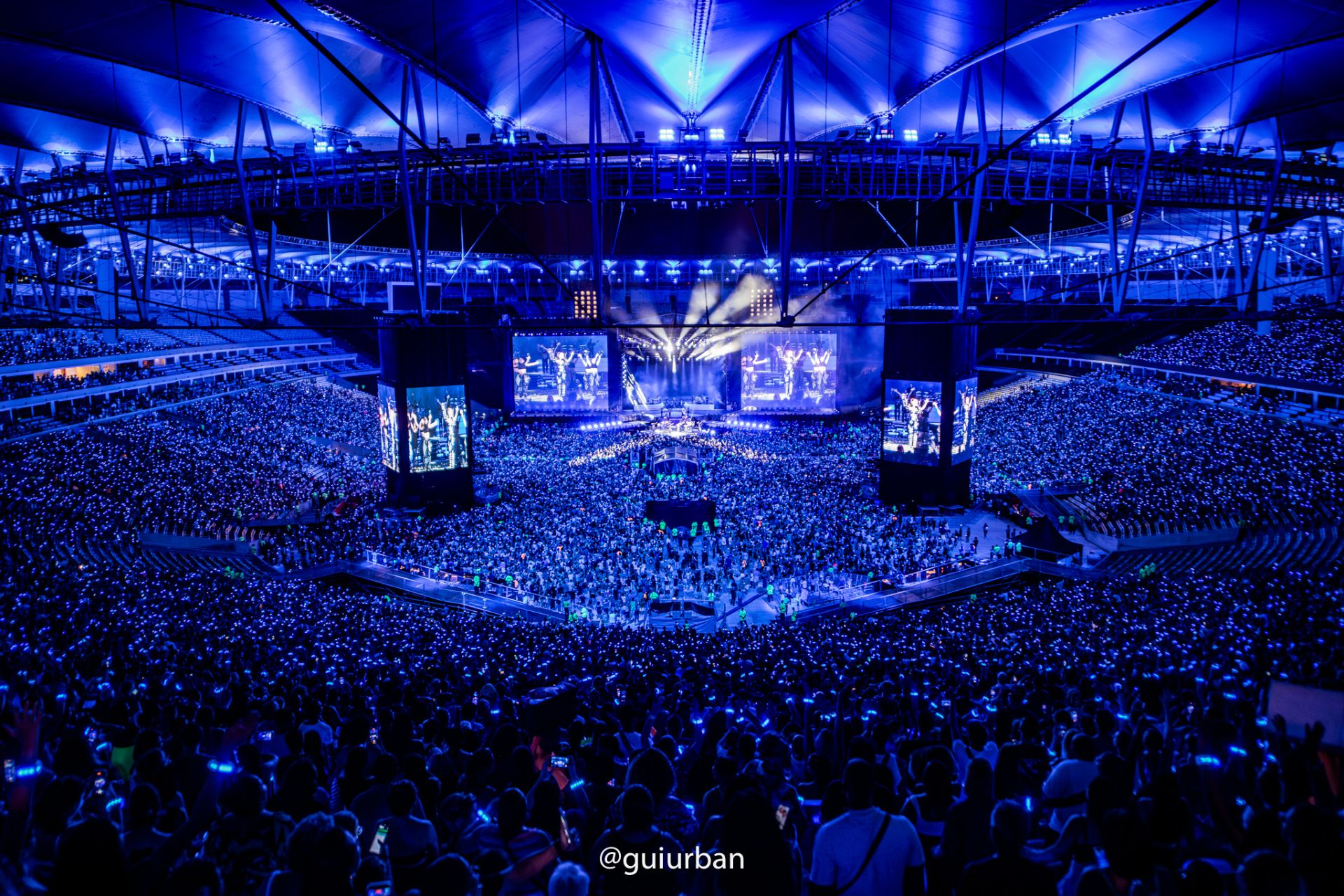
Consider the architecture of modern immersive events. An experience designer cannot simply plan for a stage and a flat seated audience; they must perceive the entire arena volume as an interactive canvas. When Jason Regler envisioned what would become Xylobands while watching Coldplay headline Glastonbury Festival, the insight was not verbal—it was visceral and spatial. Listening to the anthemic refrain of "Fix You," he didn't see an audience holding static flashlights. He visualised a dynamic, living grid where every attendee became a controllable pixel of illumination, transforming passive spectators into an interconnected fabric of light.
"Breakthrough inventions rarely come from optimising an existing linear process; they emerge when a non-linear mind sees an entirely different dimension of connection."
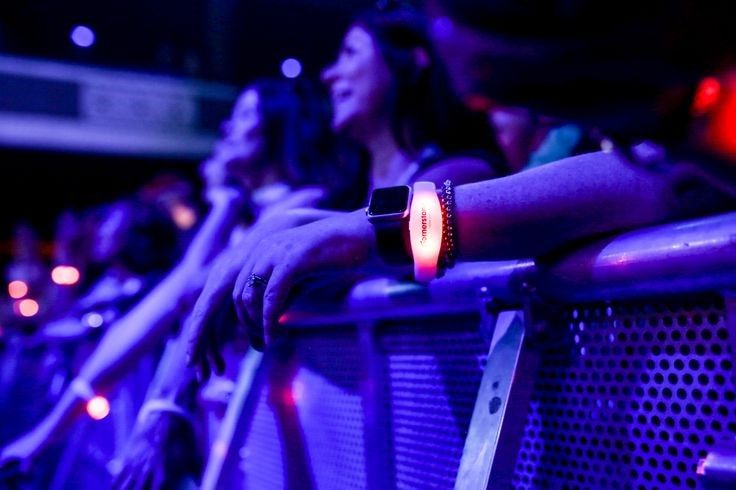
That spark led directly to the creation of wearable LED technology, debuting globally on Coldplay’s 2012 Mylo Xyloto World Tour. The breakthrough required bridging hardware engineering, radio frequency control, and artistic timing—a convergence that standard procedural thinking rarely uncovers spontaneously.
Deconstructing Complexity: Systems Architecture in High-Stakes Production
In business operations and event production, linear minds often get trapped in the minutiae, solving local problems while losing sight of systemic vulnerabilities. In contrast, neurodivergent leaders often demonstrate an instinctive ability to step back and evaluate systems as organic wholes. This macroscopic worldview is essential when executing complex, real-time broadcasts and arena spectacles.
Take live broadcast operations, such as high-profile studio formats for networks like ITV on programmes like Beat The Chasers, or massive global showcases like Formula 1's 75th Anniversary at London's The O2. In these environments, lighting is not an isolated discipline. It directly intersects with camera sensor dynamics, broadcast colorimetry, talent positioning, and live crowd reactions. When deploying radio controlled LED wristbands or custom branded wearables across thousands of attendees, a production leader must simultaneously grasp:
- Radio Frequency Propagation: How sub-GHz signals bounce through steel, concrete, and tens of thousands of bodies without packet loss.
- Broadcast Camera Integration: Preventing flicker and balancing dynamic LED brightness against high-definition studio cameras.
- Audience Psychology: Directing visual energy to punctuate tension, celebrate wins, or unify an arena in shared celebration.
Dyslexic thinkers frequently bypass intermediate analytical steps to land directly on systemic solutions. Where others see disconnected departments—audio, lighting, RF technicians, floor managers—neurodiverse problem-solvers view a unified organism that needs to breathe in sync.
The Creative Edge in Strategic Leadership
Beyond technical orchestration, dyslexia shapes how leaders approach business innovation, team assembly, and creative risk. Because traditional paths often present artificial barriers, individuals with dyslexia frequently cultivate extraordinary resilience, acute empathy, and a reliance on delegating complementary operational tasks to lean into their core creative strengths.
This dynamic manifests in three crucial business capabilities:
1. Interdisciplinary Synthesis
Disruptive concepts almost never originate entirely within a single vertical. They occur at the intersections. Bringing LED event technology into stadiums required borrowing concepts from avionics, telecommunications, mass manufacturing, and theatrical lighting. Neurodiverse leaders possess an innate appetite for cross-pollinating ideas from disparate fields to build novel solutions.
2. High-Tolerance Ambiguity and Rapid Prototyping
The journey from a sketch to deploying tens of thousands of custom LED wristbands at iconic arenas or European music festivals like PRIMER in Athens requires operating comfortably in the unknown. Dyslexic entrepreneurs tend to thrive in ambiguity; because their thought process is naturally exploratory, they view failure not as an administrative error, but as structural data informing the next iteration.
3. Hyper-Focus on Human-Centric Outcomes
When communication isn't anchored strictly to text, emotional resonance and physical experience take centre stage. In live entertainment, the ultimate metric is never the complexity of the code—it is whether an audience member feels a sudden, profound connection to the performance and the crowd around them. Whether engineered through synchronised festival wristbands, responsive LED lanyards, or sweeping stadium waves of colour, the objective is human unity.
Building Neuroinclusive Environments for Future Innovation
Recognising neurodiversity as an asset demands intentional culture design. Organisations that restrict their ideation phases to conventional documentation and rigid hierarchical decks unintentionally filter out their most innovative thinkers. To harness the creative potential that powers breakthrough LED crowd experiences and transformative enterprise strategies, forward-thinking organisations are shifting toward visual roadmaps, rapid physical prototyping, and collaborative storytelling.
Innovation in live experience requires daring to see the spaces between the notes. When business embraces dyslexic thinking not as an operational exception, but as an indispensable lens of creative vision, the entire paradigm shifts—transforming complex technical challenges into unforgettable shared reality.