The Spatial Thinkers: How Neurodiversity Powers Breakthrough Creative Innovation
In traditional corporate orthodoxy, linear thinking has long enjoyed an unearned monopoly. Standard operational frameworks prize sequential reasoning: step A leads predictably to step B, governed by standardized spreadsheets and textual compliance. Yet across creative industries and high-stakes live experience design, some of the most radical technological breakthroughs have emerged not from linear adherence, but from minds wired to perceive the world entirely differently.
For decades, dyslexia was classified almost exclusively through the lens of deficit—a challenge of reading, orthographic processing, and linear notation. In modern business, however, an overdue paradigm shift is taking hold. What was once seen as an obstacle is increasingly recognised as an architectural superpower: spatial reasoning, multidimensional problem-solving, intuitive pattern recognition, and an innate capacity to visualize complex physical systems in real time.
When examined through the lens of hardware engineering, production design, and immersive event technology, dyslexic cognition is not an operational handicap. It is an indispensable creative engine.
Beyond the Written Word: The Power of Spatial Architecture
Neuroscience reveals that dyslexic brains often exhibit enhanced connectivity in regions governing global visual-spatial processing. Where neurotypical cognition tends to process information in serial order, dyslexic thinkers frequently perceive entire structural networks simultaneously. In environments like live touring, television broadcast, and massive crowd activations, this distinction is transformative.
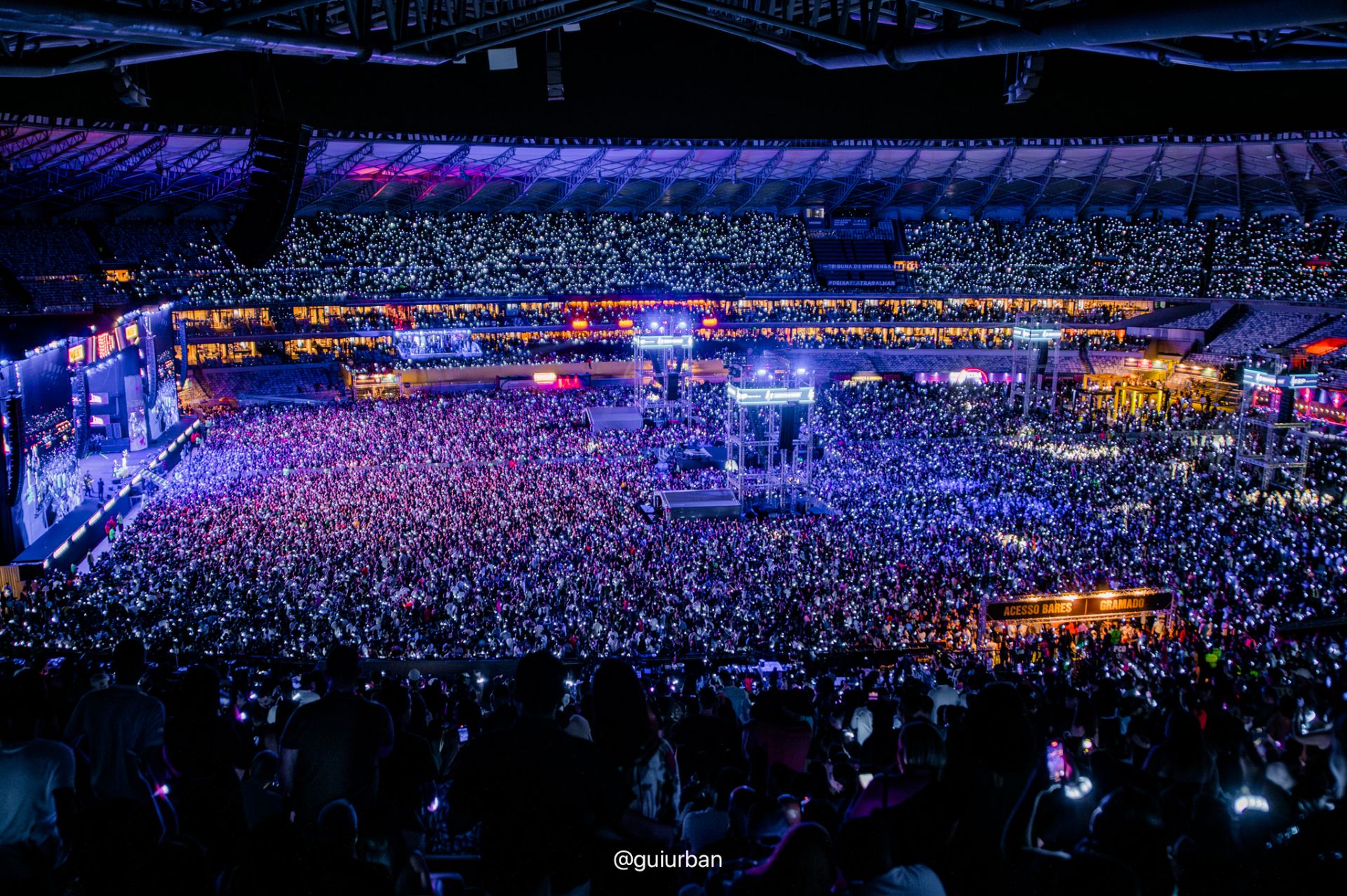
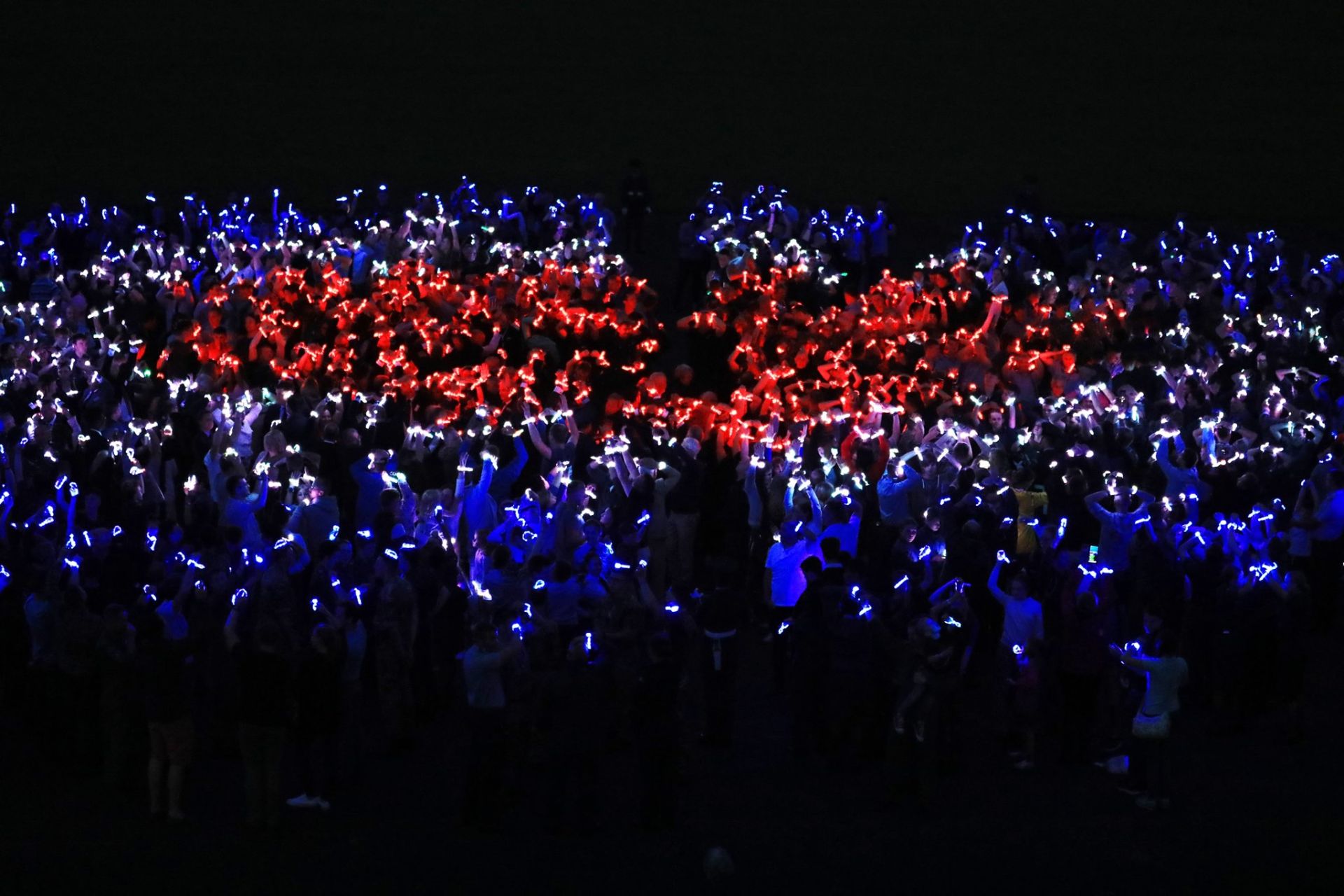
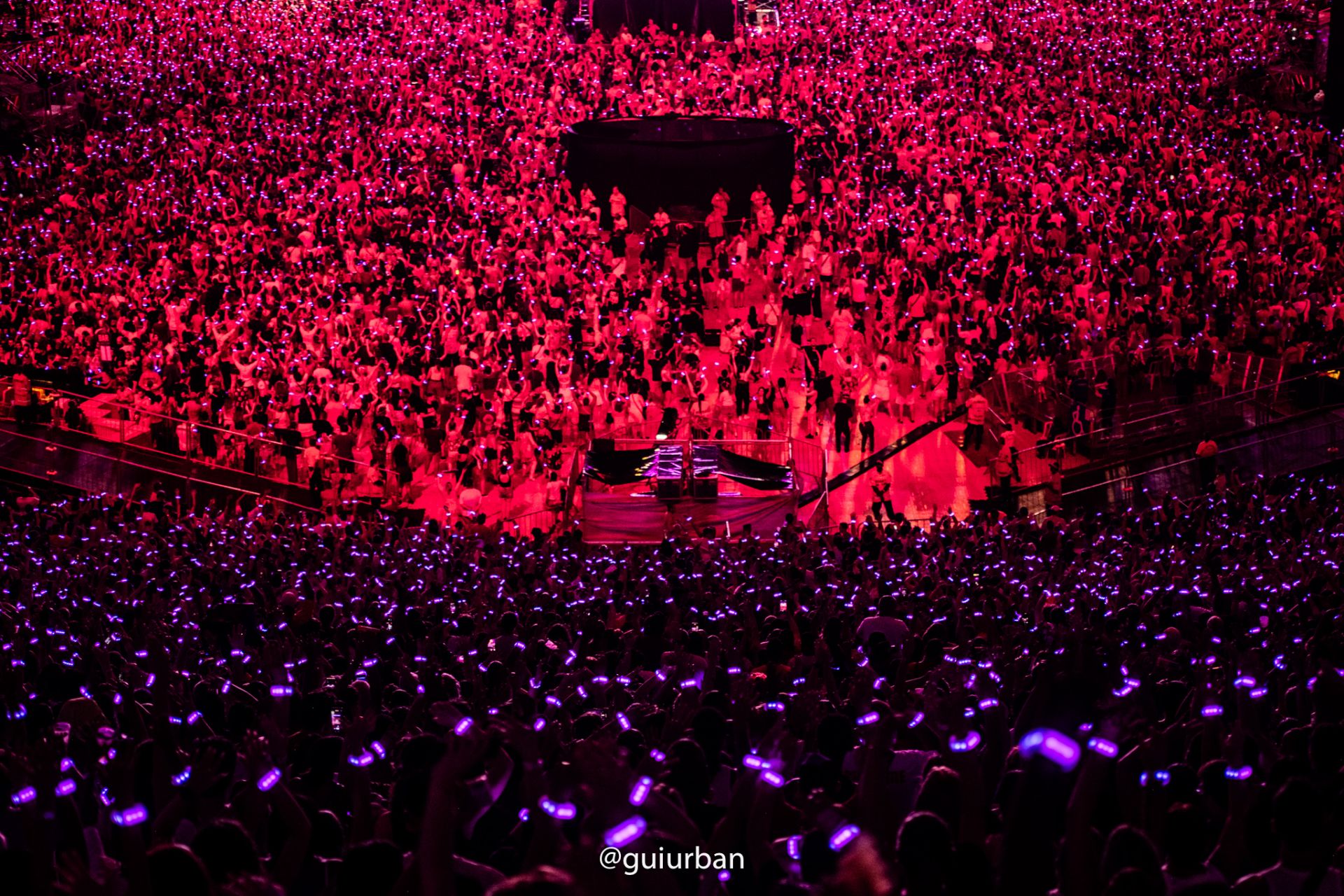
Consider the technical architecture behind large-scale LED crowd experiences. Orchestrating tens of thousands of dynamic light nodes across an arena is not merely a software problem or a linear programming task. It requires an intuitive comprehension of acoustic delay, physical line of sight, RF frequency propagation, and emotional pacing. A creator must visualize how a single RF trigger will cascade across a stadium, how light waves travel through three-dimensional space, and how those photometrics interact with both human emotion and broadcast lenses.
This multidimensional worldview allows neurodiverse entrepreneurs and inventors to solve problems before they materialize physically. Rather than moving sequentially through a list of technical constraints, they manipulate entire systems in their minds—reconfiguring components, testing failure states, and mapping invisible relationships across disparate technologies.
The Genesis of a Revolution: From Glastonbury to the Globe
The story of how modern audience lighting was born provides a textbook study in non-linear, intuitive innovation. When inventor Jason Regler stood in the fields of Somerset watching Coldplay perform "Fix You" at Glastonbury Festival, his mind did not process the moment through standard production logic. As the lyrics "Lights will guide you home" reverberated across the crowd, he did not envision better stage trusses or brighter followspots.
He bypassed conventional stage mechanics entirely, conceiving a radical inversion of live performance: turning the audience itself into the primary light canvas. The crowd would no longer be passive observers in the dark; every attendee would wear a synchronized node of light, uniting stage and spectator into a singular, living organism.
Bringing that flash of insight into reality required bypassing standard technological assumptions. Developing radio controlled LED wristbands that could reliably receive signals through human bodies, metal staging, and radio interference across football stadiums demanded intuitive spatial engineering. When Xylobands made their world tour debut on Coldplay’s Mylo Xyloto tour in 2012, that non-linear spark fundamentally transformed how stadiums, festivals, and major broadcasts approach crowd engagement.
Connecting the Unconnected: Lateral Problem-Solving Under Pressure
In high-stakes live production, unexpected friction is inevitable. RF environments shift dynamically; stadium structures introduce unexpected multipath interference; broadcast lighting directors suddenly need real-time photometric calibration minutes before air.
Dyslexic thinkers are famously adept at lateral thinking—the ability to connect ideas from completely unrelated domains to solve an immediate roadblock. Because their minds are accustomed to finding creative workarounds in an educational and corporate world designed for linear thinkers, resilience and adaptive problem-solving become second nature.
This agility is central when deploying wearable LED technology across high-profile applications:
- Live Television Broadcasts: Working with major networks like ITV on high-intensity shows such as Beat The Chasers requires balancing in-studio participant lighting with tight studio camera gamuts, demanding split-second adjustments to intensity and refresh rates.
- Complex Arena Spectacles: Delivering large-scale immersive environments—such as deploying custom Xylo Pendants across 13,000 seats at London’s O2 Arena for Formula One’s F1 75 launch—requires flawless logistics, zoning multi-team liveries into specific dynamic sectors.
- Multi-Day Festival Marathons: Energizing tens of thousands of fans night after night at events like the Primer Music Festival in Greece calls for robust RF deployment that operates flawlessly through fluctuating weather and dense crowds.
"Neurodiversity in live technology does not replace rigorous technical discipline; it supercharges it by asking questions that linear methodology forgets to pose."
Reframing Neurodiversity in Corporate Event Activations
The value of dyslexic cognition extends far beyond live entertainment touring into the realm of enterprise brand design. As corporate event activations increasingly shift away from static keynote presentations toward multisensory environments, brands are seeking experiences that resonate on an emotional, communal level.
Linear event planning designs an agenda; spatial and neurodiverse thinking designs an emotional journey. By understanding how environmental stimuli—spatial sound, responsive LED bands, dynamic architecture, and collective physical synchrony—impact the human nervous system, neurodiverse creators construct environments that break through attendee fatigue and foster genuine human connection.
Whether deploying custom LED wristbands for a global tech summit or engineering LED lanyards that activate when delegates meet, the modern corporate experience thrives on systems design that feels intuitive, organic, and effortlessly communal.
Building Cultures That Value Cognitive Diversity
If modern enterprises wish to stay ahead of rapid industry transformations, they must deliberately cultivate environments where neurodivergent thinkers can flourish. That means moving past hiring criteria that over-index on rigid procedural adherence and instead championing individuals who excel at synthesis, spatial visualization, and big-picture innovation.
To foster genuine creative advantage, production houses, engineering teams, and experiential agencies should consider three cultural imperatives:
1. Empower Visual and Spatial Collaboration
Shift team planning beyond exhaustive text documents. Incorporate 3D spatial models, interactive simulation software, and physical prototyping early in the design cycle. Allowing visual thinkers to demonstrate solutions through physical dynamics unlocks insights that spreadsheets inherently conceal.
2. Pair Lateral Visionaries with Linear Systems Masters
Breakthrough concepts require rigorous operational architecture to scale safely. Pair non-linear visionaries who can spot novel applications for wearable LED technology with operational directors who excel at systematic delivery, RF frequency coordination, and supply-chain precision. This complementary friction produces industry-defining execution.
3. Celebrate the Non-Obvious Path
When facing a critical engineering or creative barrier, resist the urge to deploy standard industry playbooks. Encourage teams to explore orthogonal solutions. The modern LED crowd experience exists today precisely because someone refused to look at a stadium through the conventional prism of stage lighting.
The Spectrum of Tomorrow
As the boundaries between physical environments, digital interaction, and audience co-creation continue to blur, the demand for holistic, multidimensional thinking will only accelerate. The future of live spectacle will not be scripted solely in lines of sequential code, but in the brave visualization of three-dimensional spaces, emotional resonance, and shared human presence.
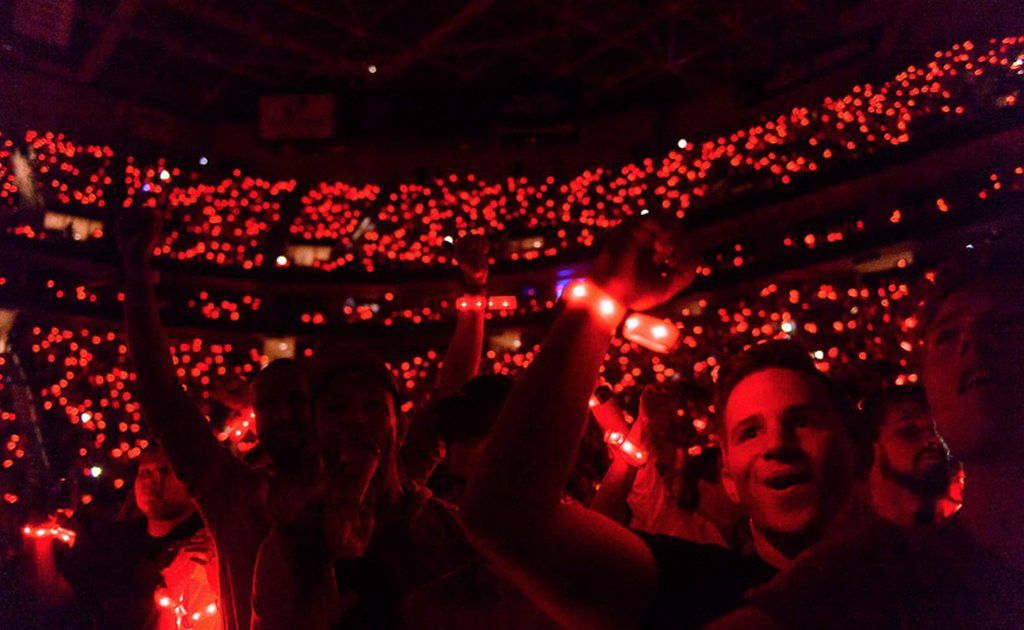
Neurodiversity is not a condition to be accommodated in modern business; it is a competitive differentiator. When creative enterprises embrace the unique architecture of the dyslexic mind, they don't just solve problems faster—they reimagine what is possible, turning dark arenas into unified oceans of light.