Studio as Canvas: How ITV Engineered Audience Light for Broadcast
When the Studio Floor Becomes the Set: Redefining Audience Interaction for Television
In modern television production, the boundary between the set and the audience has collapsed. Traditional studio recording formats once relied on passive studio audiences: clapping on cue, laughing at warm-up prompts, and remaining discreetly tucked away into darkened tiered risers. For major television networks like ITV, producing high-octane entertainment programming—from prime-time quiz showdowns like Beat The Chasers to sweeping weekend spectacles—demanded an evolution in visual storytelling.
Television directors and lighting designers are faced with a consistent technical hurdle: how to translate the raw, sensory atmosphere of a live arena into a controlled multi-camera studio environment. When the camera sweeps back for a wide jib or crane shot, an unlit or static studio gallery creates dead space on screen. By integrating Radio Controlled LED Wristbands and specialised wearable LED technology, ITV turned the studio audience from passive observers into a kinetic, breathing extension of the set design.
Engineering Light for the Multi-Camera Pipeline
Illuminating an audience for a broadcast lens requires an entirely different technical discipline than stadium concert lighting. In arena settings, the human eye easily accommodates extreme dynamic ranges, blending deep shadows with blazing pyrotechnics. In a broadcast studio, camera sensors operate within rigorous parameters of exposure, shutter speed, frame rates, and colour science.
When ITV implemented Xylobands across high-stakes entertainment formats such as Beat The Chasers UK, the engineering brief demanded pinpoint fidelity. Several technical criteria had to be resolved simultaneously:
- Flicker-Free Pulse-Width Modulation (PWM): High-definition and 4K studio cameras running at standard broadcast refresh rates will immediately pick up strobing or banding artefacts if low-frequency LEDs are introduced. Professional broadcast-grade LED bands must utilise high-frequency modulation to ensure clean visual capture across every frame.
- Precise Chromatic Calibration: Studio wash and key lights are meticulously colour-balanced to human skin tones and production palettes. If the audience wristbands clash with the studio’s key lighting or oversaturate the sensor, skin tones blow out. The custom control protocol behind Xylobands allows studio operators to calibrate RGB values to match the exact colour temperature and gamut of the broadcast set.
- Instantaneous Latency and Cue Synchronization: Television game formats hinge on immediate visual cues—sudden alarms, clock countdowns, instant victories, or dramatic eliminations. Radio-frequency systems must trigger light states across hundreds of attendees in sub-frame milliseconds, aligning the visual pulse precisely with the live sonic and lighting cues triggered by the production switcher.
The Studio as a Living Storytelling Engine
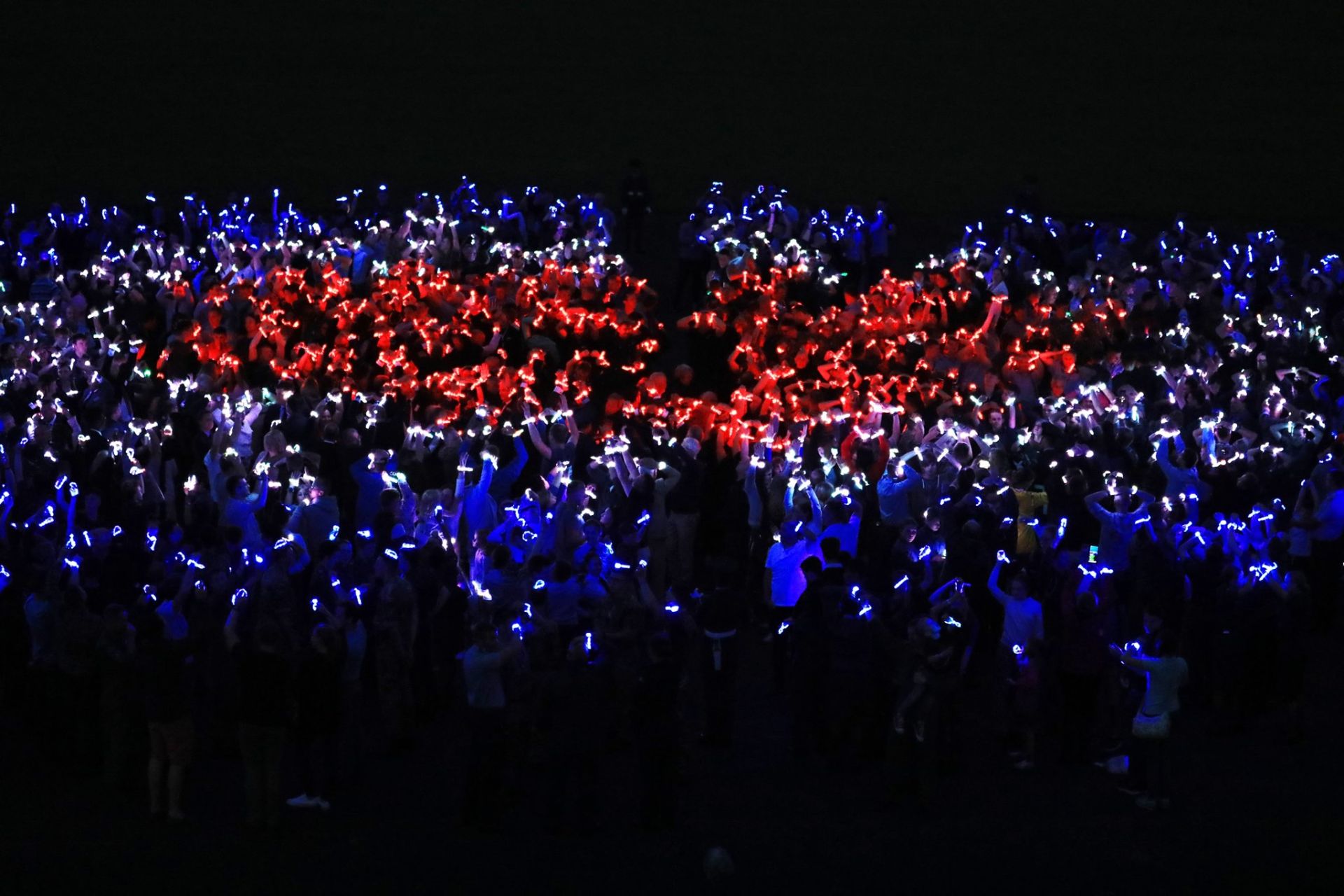
Broadcast narrative thrives on tension and release. In programmes like Beat The Chasers, tension is the primary currency. By equipping 500 audience members with custom-controlled Xylobands hardware, the creative department could transform the entire room into a visual barometer of the game's stakes.
When the clock ticks down, the gallery does not merely watch the tension unfold on screen; they embody it. Rapid, synchronized red flashes amplify cardiac urgency. A triumphant sweep of gold or deep corporate blue instantly mirrors a critical play or a game-winning reveal. For the director at the vision mixer, every wide crane sweep across the studio bleeds into an electrifying field of colour, pulling the at-home viewer directly into the physical velocity of the room.
"In broadcast entertainment, the audience isn't background dressing; they are the emotional mirror of the viewer at home. When their energy is synchronized with the mechanics of the game, the television screen ceases to be a barrier."
From Stadium Anthems to the Intimate Soundstage
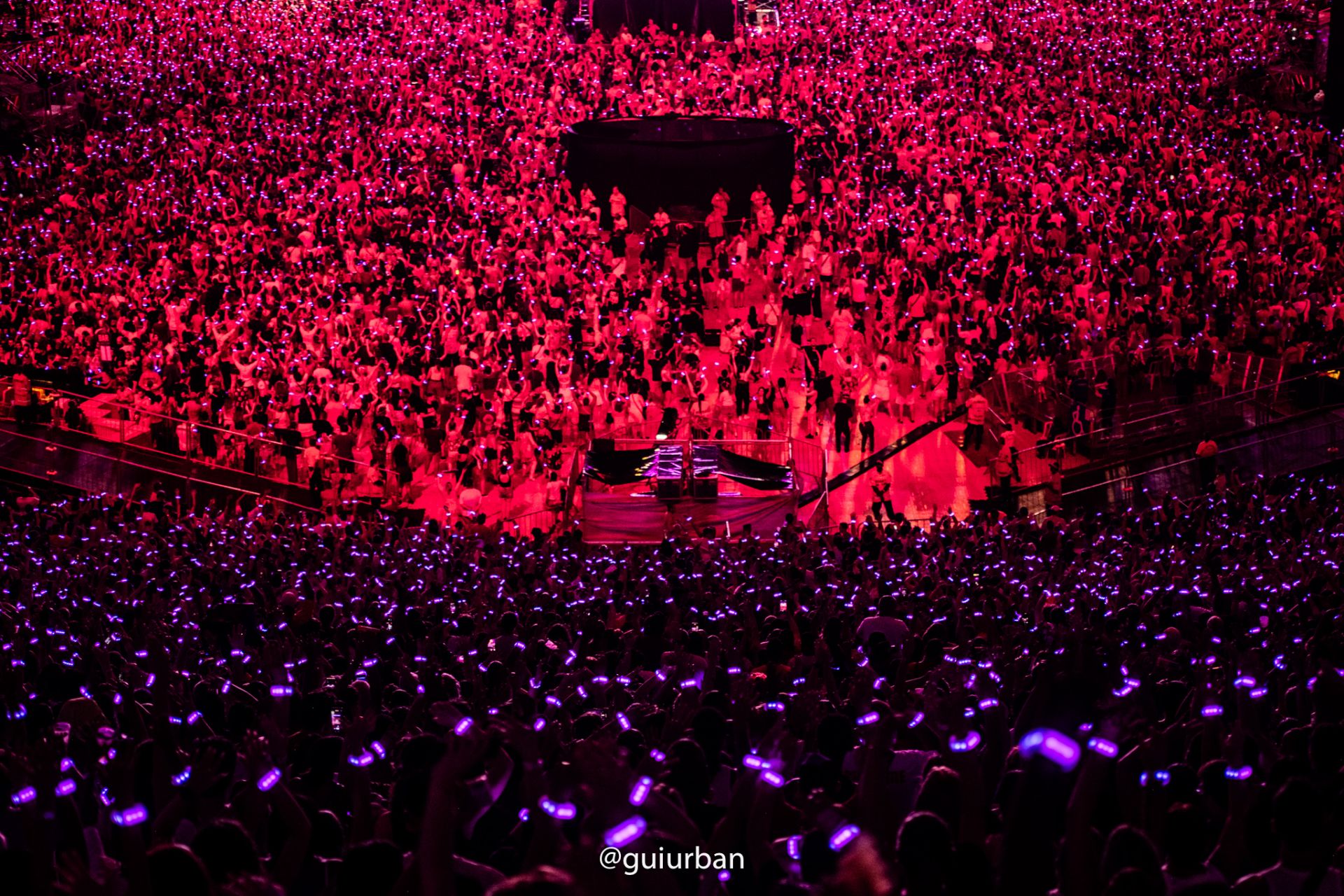
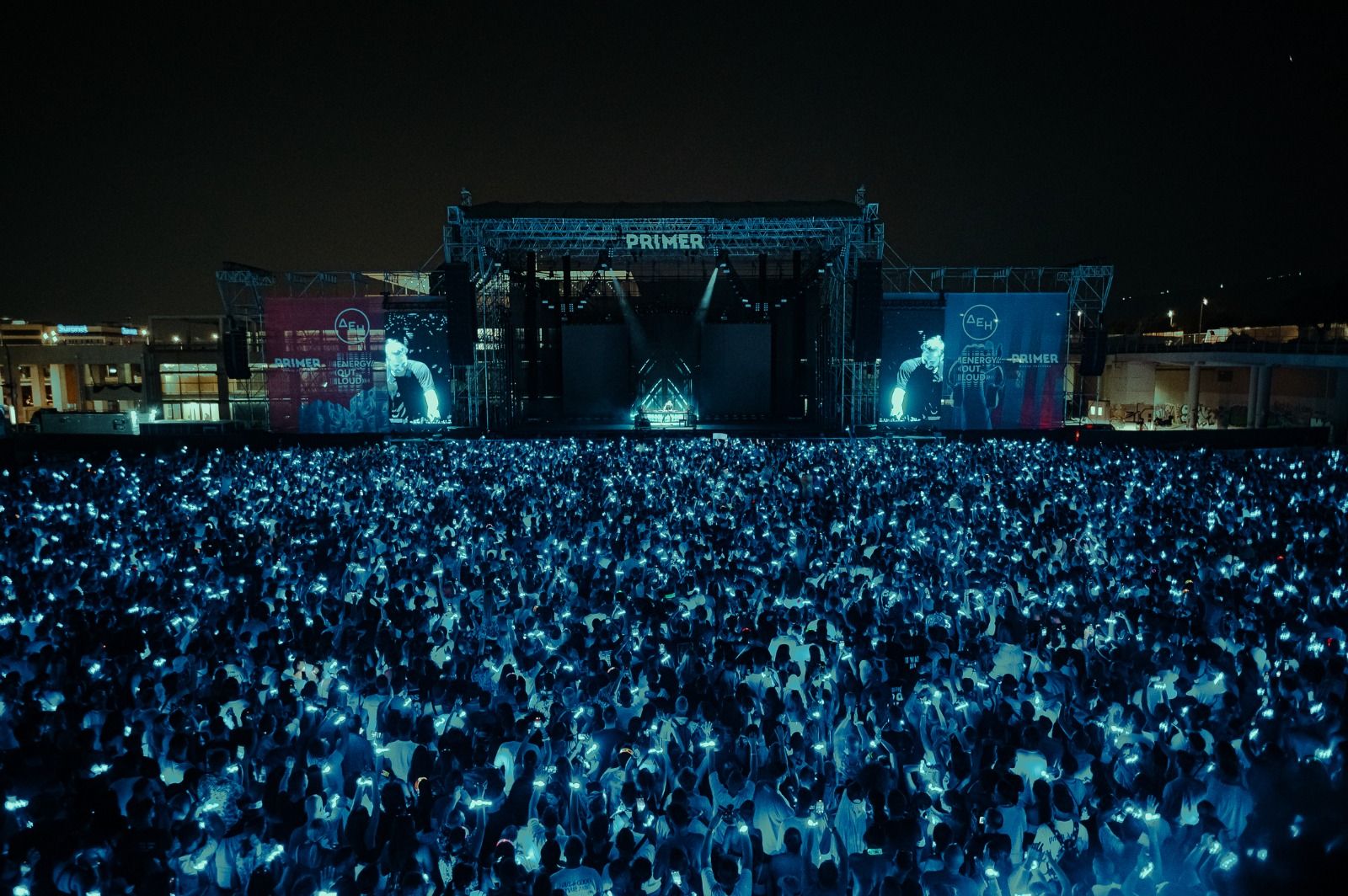
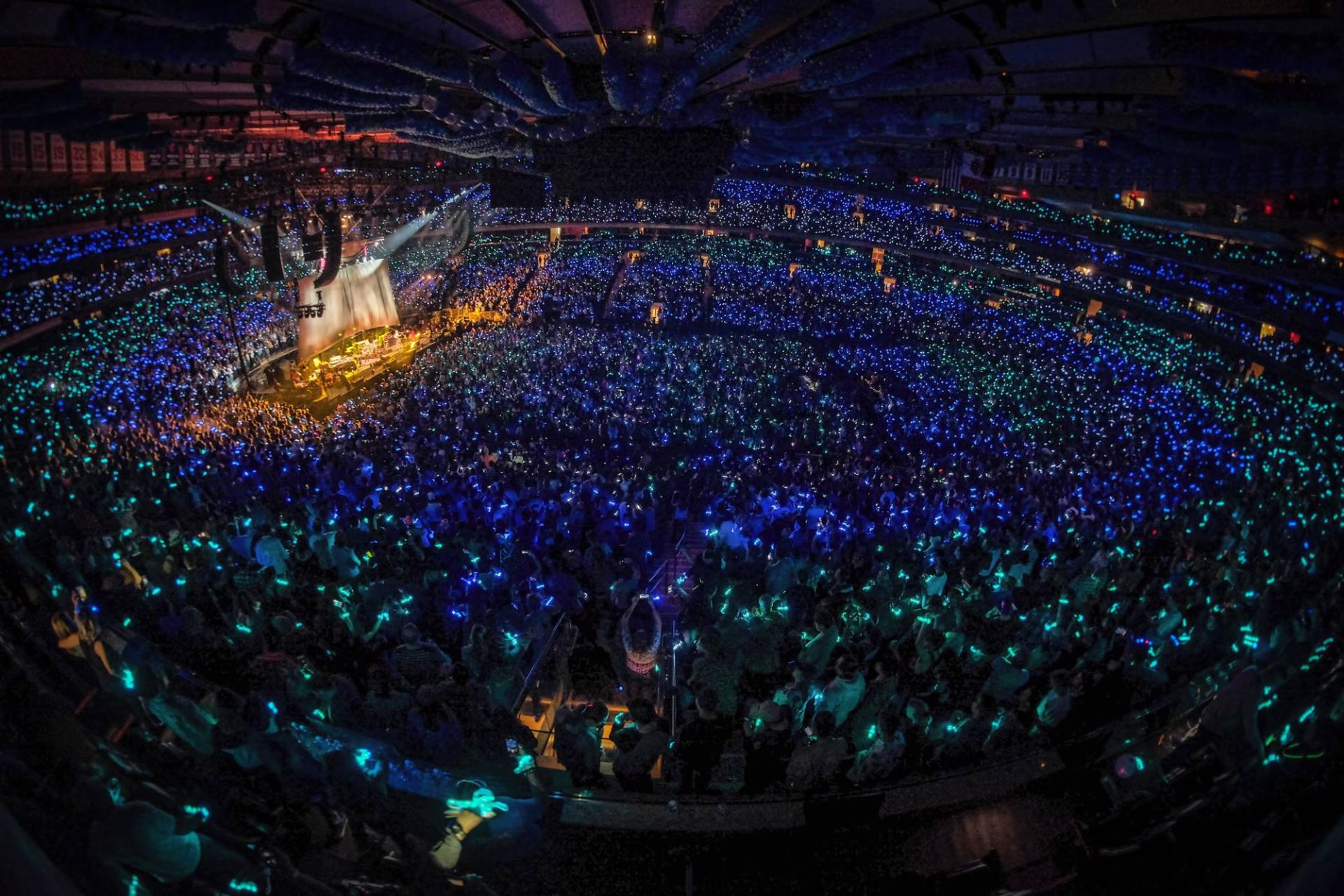
The journey of synchronized audience lighting began under the open skies of Somerset. In 2011, Jason Regler conceived the original idea for Xylobands while watching Coldplay perform "Fix You" at Glastonbury Festival. That vision—transforming hundreds of thousands of people into a unified sea of light—reshaped live touring, from Coldplay Xylobands on the Mylo Xyloto World Tour to historic international stadium stops featuring icons like Maluma in Medellín and Wizkid at The O2 Arena.
Yet, the core psychological principle that powered Glastonbury wristbands translates with equal potency into an enclosed broadcast soundstage. Whether deployed across 54,000 fans at a stadium spectacle or 500 studio guests on an ITV stage, immersive event technology harnesses the identical human dynamic: shared resonance. When people wear light that responds to the collective narrative around them, their physiological engagement surges. They sit taller, applaud harder, and invest deeper.
Operational Precision Behind the Scenes
Studio environments operate on unforgiving production timetables. Unlike touring productions with days of load-in and tech rehearsals, broadcast shoots often record multiple episodes in a single day, cycling different studio audiences through rigid security, seating, and briefing protocols. Deploying LED wristbands in this high-cadence workflow requires frictionless operational discipline:
- Turnaround and Rapid Activation: Hardware must be completely intuitive. Audience members receive their wristbands during the studio intake process. The devices require no local pairing, app downloads, or complex user interaction—they are ready to trigger the moment the recording studio goes live.
- RF Spectrum Reliability: Broadcast studios are dense RF environments, packed with wireless microphones, in-ear monitors, camera comms, and studio telemetry. Xylobands operates on dedicated, highly reliable radio-frequency protocols designed to cut through dense electronic noise without causing interference to production-critical broadcast audio and video frequencies.
- Spatial and Zonal Mapping: Advanced DMX integration allows the broadcast lighting console to map the studio floor into independent zones. Specific tiers, blocks, or seating sections can pulse sequentially, ripple in waves, or isolate specific contestants and panels, giving the lighting director total programmatic control over the room's geometry.
The Future of Broadcast Immersion
As television continues to compete with interactive media, linear viewing demands cinematic immediacy. Formats cannot rely solely on two-dimensional set backdrops. By incorporating wearable LED technology, LED lanyards, and programmable LED crowd experiences, forward-thinking broadcasters like ITV bridge the gap between traditional entertainment and participatory spectacle.
When the live audience becomes an active part of the production canvas, the resulting broadcast doesn't just display a show—it broadcasts an electric communal event.