The Hidden Blueprint: How Dyslexic Thinking is Engineering the Future of Business
The Architect of a Different Idea
In the structured world of business, we’re often taught to think in straight lines. We build frameworks, follow processes, and measure success with linear metrics. But some of the most disruptive ideas haven’t come from linear thinking. They’ve been born from a different kind of mind—one that sees the world not as a sequence of steps, but as a web of interconnected patterns.
This is often the world of the dyslexic thinker. Long misunderstood and filed under the label of a “disability,” dyslexia is increasingly being recognized for what it truly is: a different, and often advantageous, way of processing information. It’s a cognitive profile that can produce exceptional creativity, problem-solving, and big-picture thinking. For our founder, Jason Regler, it was the very blueprint for a technology that would redefine immersive events.
Seeing the Whole Picture, Not Just the Pixels
Dyslexic minds tend to excel at spotting connections that others miss. Where a non-dyslexic brain might process information sequentially (A to B to C), the dyslexic brain often takes a more holistic approach, absorbing a vast, complex dataset and instinctively seeing the overarching system. It’s less about reading the words and more about understanding the story.
This ability to synthesize disparate information into a coherent whole is a superpower in business. It’s the skill that allows an entrepreneur to spot a gap in the market, a creative director to envision a multi-sensory experience, or a tour manager to foresee logistical challenges halfway around the world. It’s about seeing the forest, not just the individual trees.
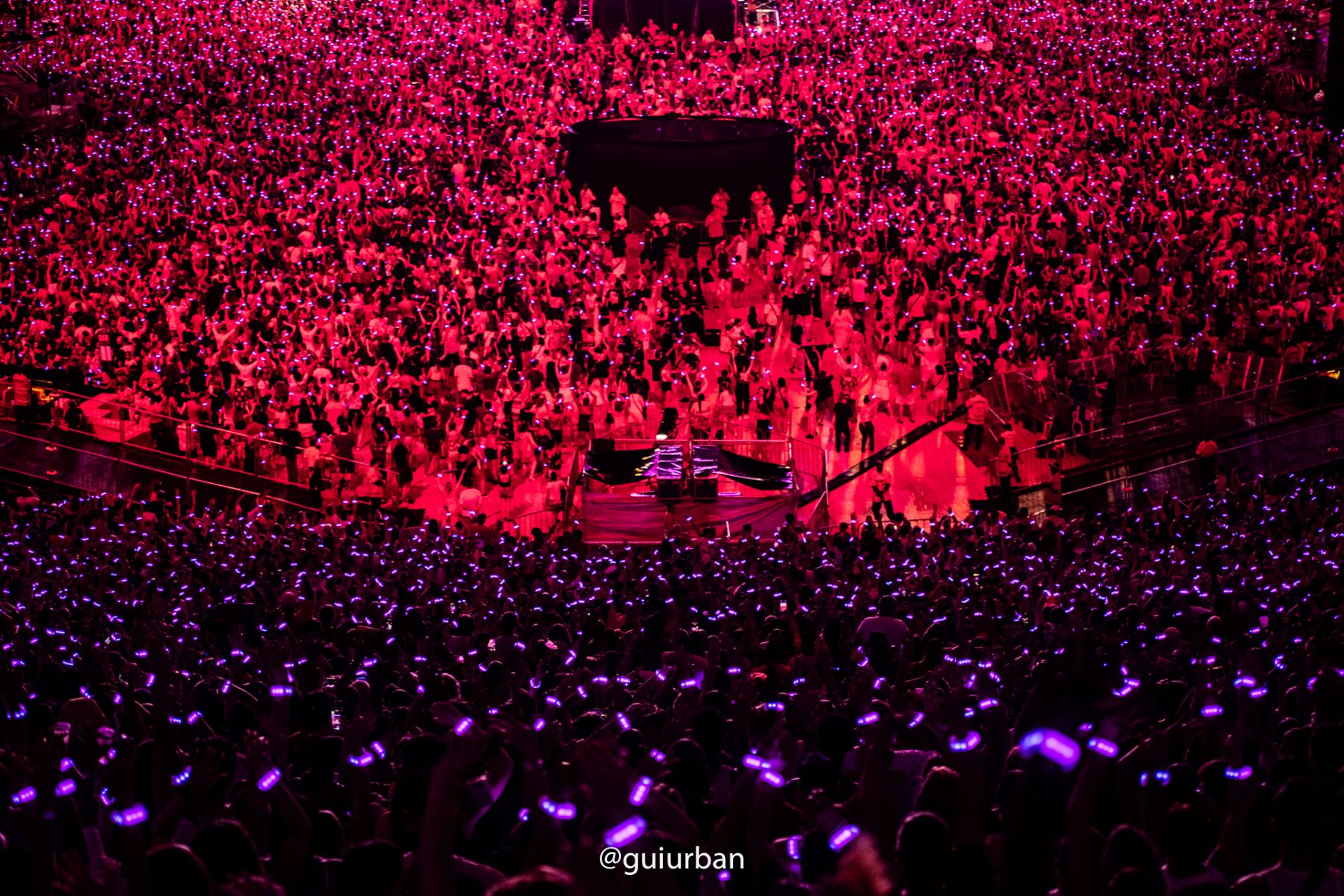
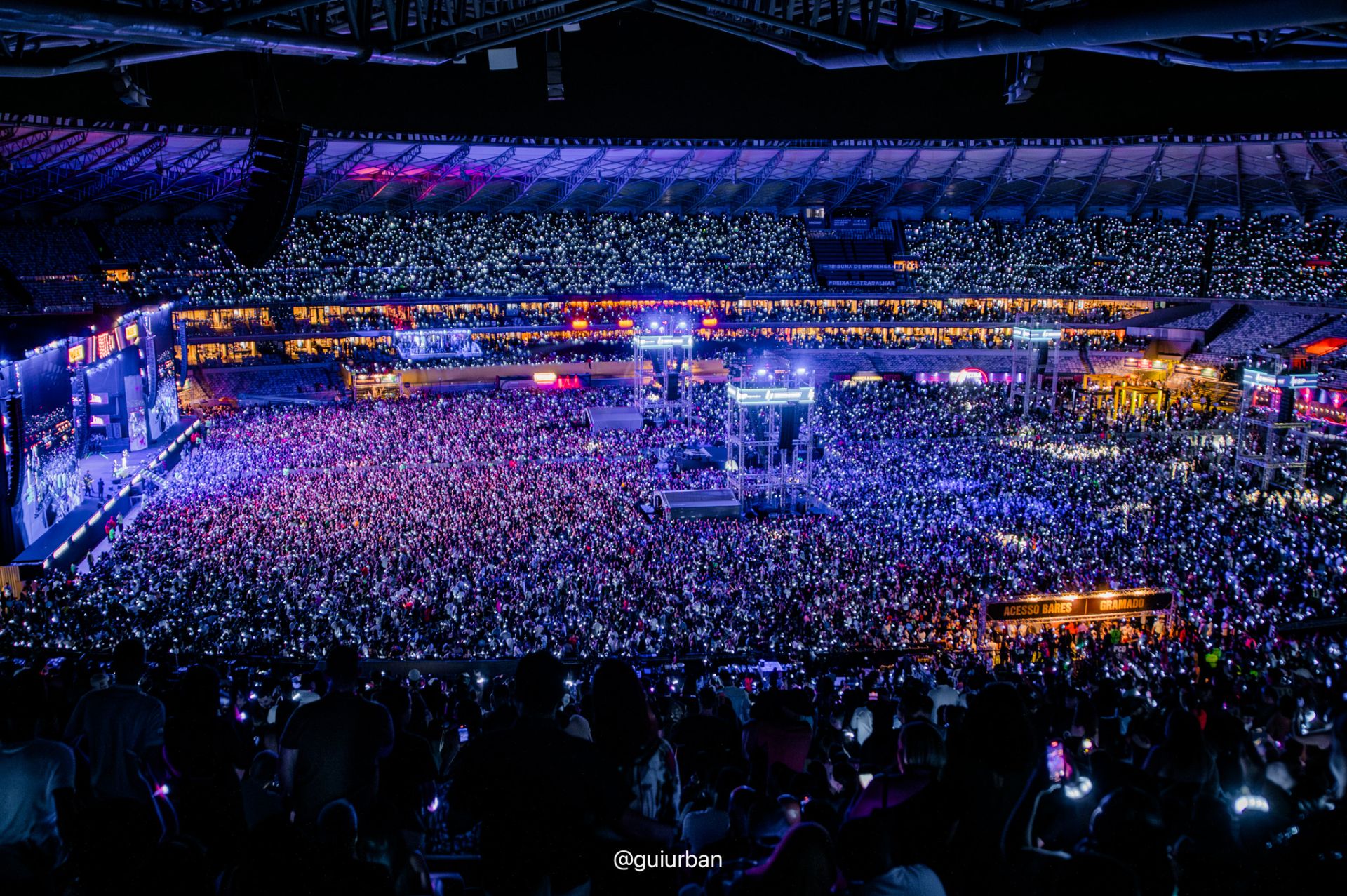
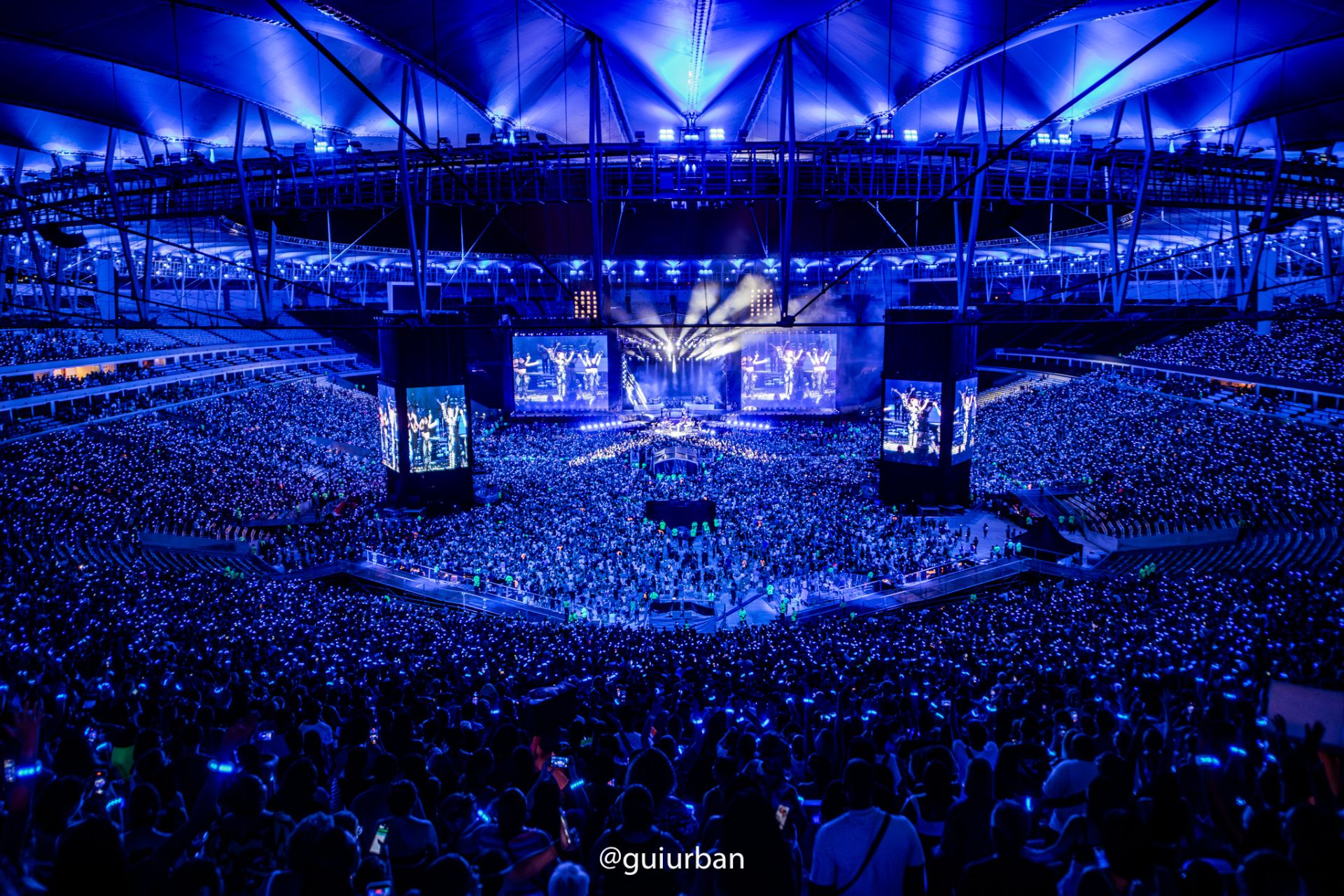
This big-picture perspective was fundamental to the invention of Xylobands. The idea wasn’t just about a flashing wristband; it was about transforming a crowd from a collection of individuals into a unified, living canvas. It was about seeing an audience not as passive spectators, but as an integral part of the performance itself. That conceptual leap—from individual lights to a collective experience—is a hallmark of dyslexic, systems-level thinking.
The Advantage of a Different Processing System
Studies have shown that dyslexic individuals often demonstrate superior abilities in specific areas of spatial reasoning, 3D visualization, and creative problem-solving. While the linear, text-based world of traditional education can be a struggle, the dynamic, multi-dimensional world of business and innovation becomes a natural playground.
Key advantages often associated with dyslexic thinking include:
- Enhanced Pattern Recognition: The ability to identify trends, anomalies, and opportunities in complex data sets, long before they become obvious.
- Creative Problem-Solving: A tendency to approach challenges from unconventional angles, leading to innovative solutions that linear thinking might miss.
- Strong Narrative and Experiential Reasoning: A knack for understanding how a story will unfold or how an experience will feel, which is invaluable in fields like marketing, design, and creating LED crowd experiences.
- Exceptional Visualization Skills: The capacity to mentally picture complex systems, products, or experiences in vivid detail, a critical skill for any inventor or event producer.
"While others were focused on the stage, I saw the audience. I saw the potential in every single person, in the space between them, and in the collective emotion. The idea was to connect all of that energy with light." - A perspective inspired by the Xylobands origin.
From a Festival Field to a Global Phenomenon
The story of Xylobands began at Glastonbury Festival, not far from our Somerset headquarters. Watching Coldplay perform, our founder wasn’t just listening to the music; he was processing the entire spectacle. The sound, the crowd, the energy, the lyrics "Lights will guide you home"—it all converged into a single, powerful vision: a crowd illuminated from within, pulsing in unison.
This wasn’t a business plan developed on a spreadsheet. It was an intuitive, experiential insight. The challenge was then to reverse-engineer that vision into a tangible product: the radio-controlled LED wristband. This required bridging the gap between a big-picture, creative idea and the detailed, technical execution—a process where dyslexic visionaries often thrive by collaborating with detail-oriented implementers.
Since that moment, that initial spark has powered over 10,000 events in more than 70 countries. From lighting up massive crowds for artists like Coldplay and Maluma to creating intricate, broadcast-ready atmospheres for global brands like Formula One and ITV, the core idea remains the same: using light to forge a connection. Our wearable LED technology, including custom LED wristbands and LED lanyards, has become a staple for creating unforgettable moments at festivals, corporate events, and global tours.
Cultivating Neurodiversity as a Business Strategy
The lesson here extends far beyond live events. In any industry, a monoculture of thinking is a liability. The companies that will lead the future are those that actively cultivate cognitive diversity. They understand that hiring people who think differently isn’t just about inclusivity; it’s a strategic imperative.
Creating an environment where neurodiverse individuals can thrive means valuing different approaches to work. It means focusing on outcomes, not just processes. It might mean swapping a lengthy written report for a verbal presentation, using mind maps instead of linear outlines, or allowing for flexible, non-traditional career paths. It’s about recognizing that the person who struggles with spelling might be the same person who can visualize your next million-dollar product.
As business becomes more complex, more global, and more reliant on innovation, the ability to see the world differently is no longer a soft skill—it’s the ultimate competitive advantage. The future isn’t being built by those who follow the existing blueprint; it’s being engineered by those who can see a hidden one that no one else has noticed yet.