From Clapping to Connectivity: The Evolution of Audience Participation
The Unspoken Contract: A History of Audience Agreement
Since the first storyteller gathered a crowd around a fire, a silent agreement has existed between performer and audience. The performer offers a spectacle; the audience offers its attention, its energy, its applause. For centuries, the tools of participation were analog and instinctual: the synchronized clap, the unified chant, the roar of a stadium, the holding aloft of a flickering flame. These were the first forms of audience feedback, raw and powerful indicators of a shared emotional state.
In ancient Greek amphitheaters, the architecture itself was a technology designed to unify the audience, carrying sound and focusing attention. In the grand opera houses of the 18th century, the "bravo" was a tool for expressing approval. But these methods, while effective, were one-way and largely monolithic. The audience could respond, but it couldn't truly interact. It was a chorus, not a conversation.
The First Sparks of Change: Lighters, Glow Sticks, and Mobile Phones
The 20th century introduced the first significant technological shifts in this dynamic. The iconic image of a sea of lighters held aloft during a rock ballad—a tradition largely born in the late 1960s—was a pivotal moment. For the first time, individuals within the crowd could contribute a personal point of light to a collective spectacle. It was a visual representation of shared emotion, a primitive but beautiful form of analog lighting design created by the audience itself.
The glow stick, a staple of rave culture in the 80s and 90s, was the next iteration. It added color and movement, allowing for a more dynamic, if still uncoordinated, visual expression. Then came the mobile phone, its screen a brighter, more versatile, and ubiquitous successor to the lighter. Yet, all these innovations shared a common limitation: they were uncontrolled. They were individual actions, coalescing into a collective phenomenon but lacking any central synchronization or creative direction. They were a sign of the audience's desire to participate, but the technology to truly harness that desire was yet to come.
The Xylobands Revolution: Unifying the Crowd with Light
The inflection point arrived in 2011. While watching Coldplay perform "Fix You" at Glastonbury Festival, our founder, Jason Regler, had a vision. As the lyrics “Lights will guide you home” washed over the massive crowd, he imagined turning every single person into a pixel in a vast, moving canvas of light. This wasn’t just about giving the audience something to hold; it was about connecting them to the performance and to each other through technology.
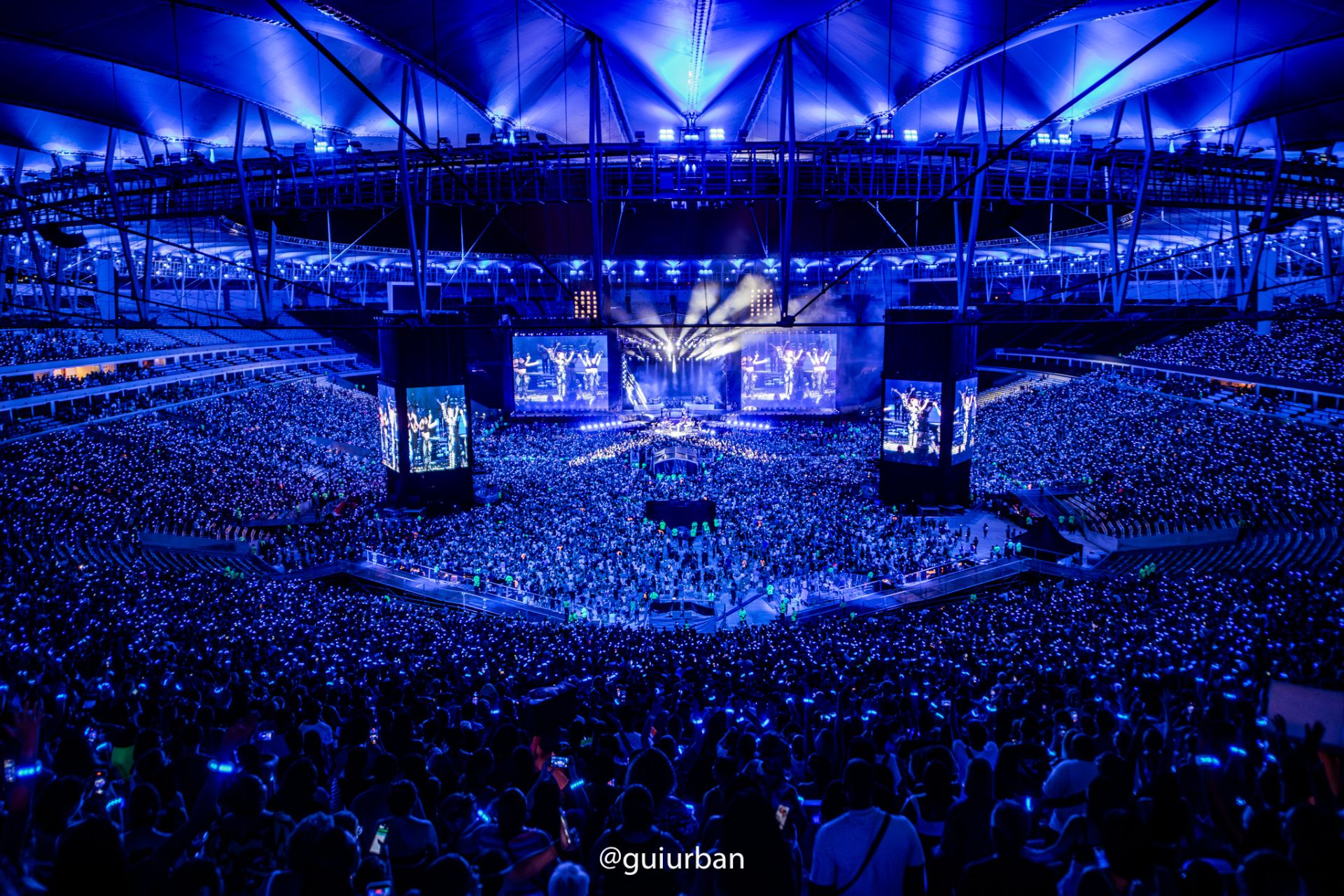
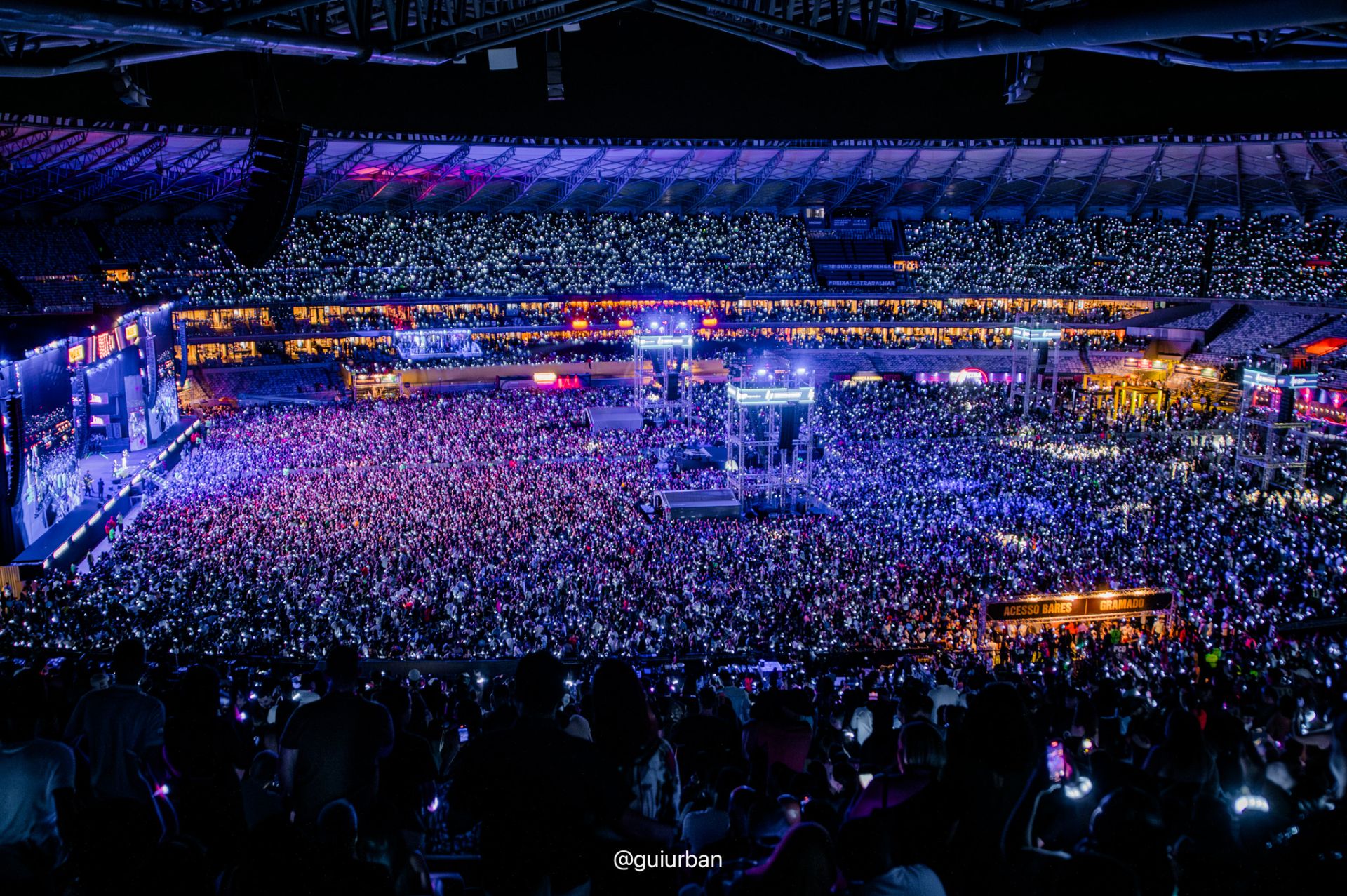
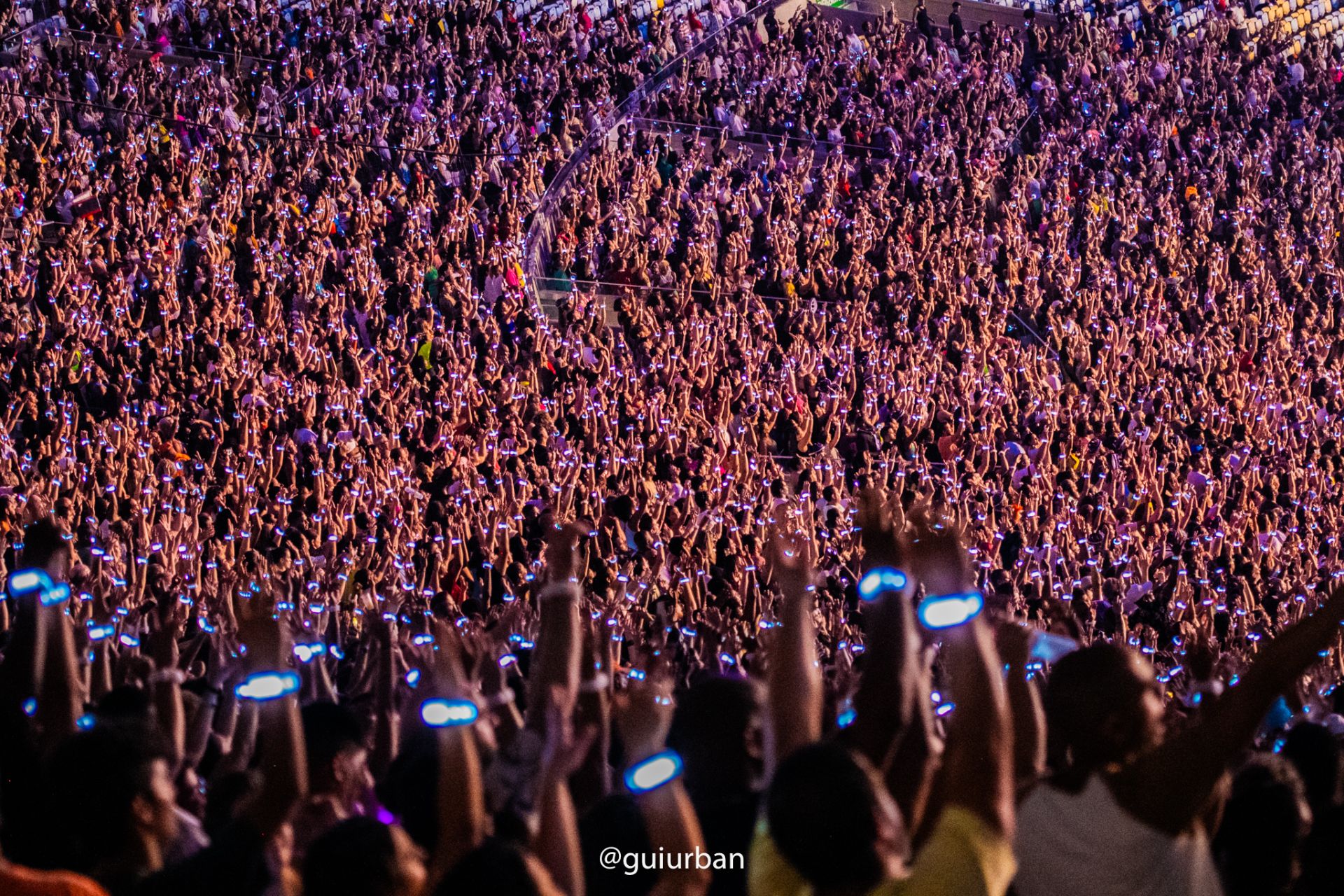
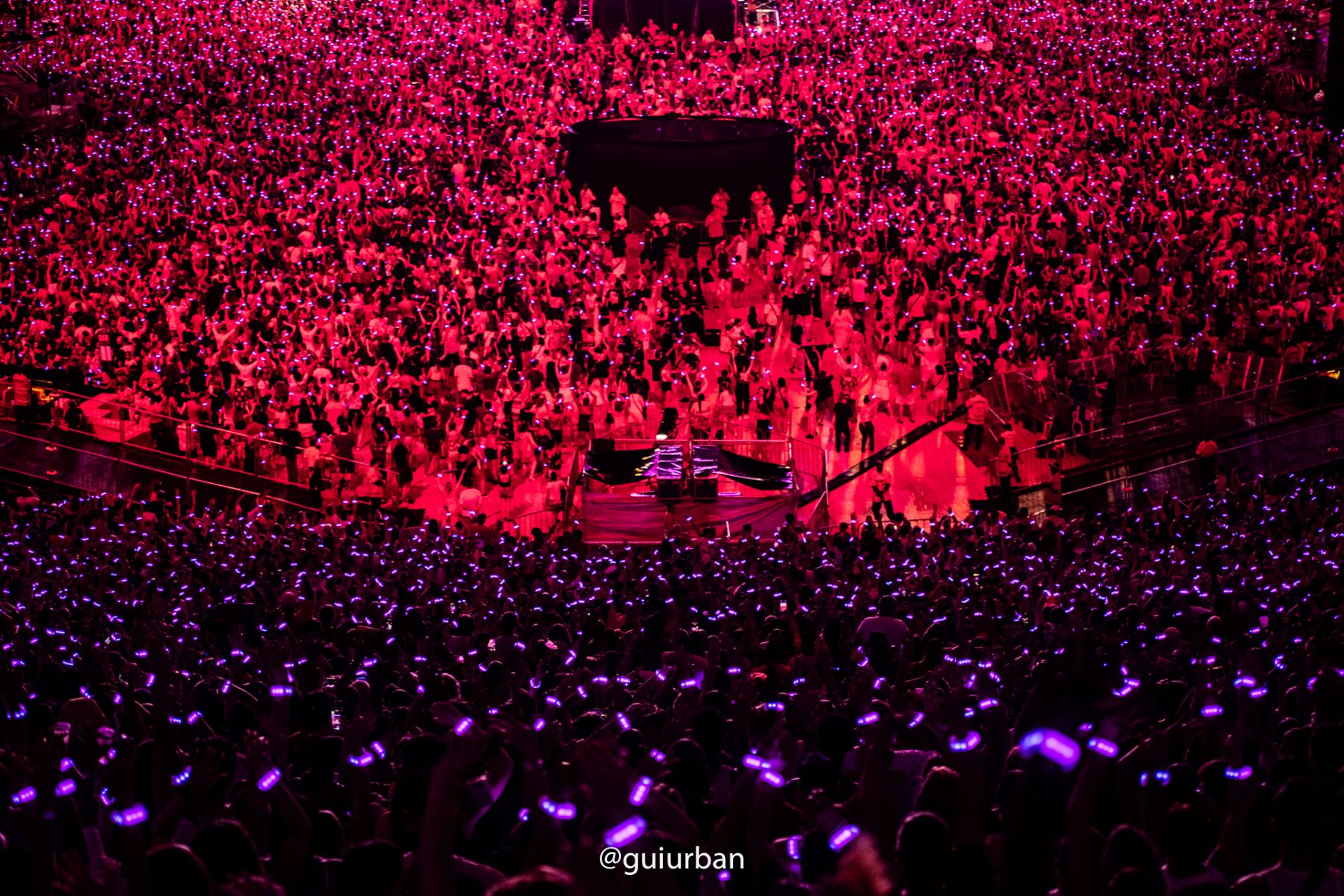
This idea led to the invention of Xylobands and the dawn of radio-controlled LED wristbands. First deployed on Coldplay’s Mylo Xyloto tour in 2012, this wearable LED technology was a paradigm shift. Suddenly, the lighting designer’s palette extended beyond the stage and into every corner of the arena. The crowd was no longer just illuminated by the show; they were the show. This technology enabled, for the first time, the perfect synchronization of light across tens of thousands of people, creating breathtaking moments of unity and immersion.
“The entire audience could become one living light show, perfectly synchronised with the music. It would create moments of unity where artists and fans shared the same experience.”
Beyond the Wristband: The New Ecosystem of Immersive Events
The invention of the Coldplay Xylo Band opened the floodgates for a new era of immersive event technology. The core principle—centrally controlled, audience-worn devices—has been adapted and expanded into a diverse ecosystem of tools for creating LED crowd experiences.
- Custom LED Wristbands: The foundational technology has evolved. Today’s LED bands are smarter, brighter, and more versatile, capable of complex color changes and dynamic effects that can segment a crowd by seating block, respond to musical cues, or create waves of light across a stadium. They have become a staple, from massive festival wristbands at events like Greece’s PRIMER Music Festival to high-energy sports spectacles like the Davis Cup.
- LED Lanyards and Pendants: The technology has moved beyond the wrist. For Formula One’s 75th-anniversary celebration, custom LED Lanyards (The Xylo Pendant) were created, allowing for branding and segmentation among different hospitality tiers, turning a corporate event into a deeply immersive fan experience.
- LED Orbs and Other Shapes: The concept of a crowd-held light source has also evolved. Controllable LED Orbs and other objects can be introduced into the audience, creating large-scale visual effects and turning the crowd space into a three-dimensional interactive installation.
The Future of Participation: Data, Interactivity, and Personalization
We are now entering the next phase in the evolution of audience participation. The technology is no longer just about creating a unified visual spectacle; it’s about enabling two-way interaction. The same radio-frequency infrastructure that controls the lights can also be used to gather data, creating a real-time map of crowd energy and movement.
Imagine a scenario where the intensity of the light on your wristband is driven by the volume of your section’s cheering. Or a corporate event where attendees can vote on content using their lanyards, with the results displayed instantly in waves of color across the room. This is the new frontier of corporate event activations and live shows—a move from choreographed moments to genuine, real-time interaction.
From the simple act of clapping together to being part of a synchronized, intelligent light show, the journey of audience participation has always been about the search for connection. Technology has not changed that fundamental human need; it has only provided a more powerful and expressive set of tools to fulfill it. The modern live event, powered by immersive events technology like Xylobands, is the culmination of this journey—a place where the boundary between performer and audience finally dissolves, creating a single, shared heartbeat of light and sound.