The End of the Throwaway Model: A New Mandate for Reusable Event Technology
The End of the Throwaway Model: A New Mandate for Reusable Event Technology
The roar of the crowd, the wash of light, the shared pulse of a thousand people synced to a single beat — these are the moments that define the live experience. But what happens when the lights come up and the crowds go home? In an industry built on grand, ephemeral moments, the question of waste and environmental responsibility is becoming increasingly urgent. For too long, the default has been a single-use model, where the spectacular elements that create an immersive event are destined for the landfill. It's a linear path from production to spectacle to refuse.
This throwaway culture is not just an environmental issue; it’s a missed opportunity. Every discarded piece of technology represents a failure of imagination — a failure to design for a second act, a third, and a fourth. As producers, designers, and technologists, we have a mandate to think beyond the individual show and consider the entire lifecycle of the products we create. The future of live events lies not just in creating breathtaking experiences, but in creating them responsibly, with an eye toward a circular economy.
From Linear to Circular: Rethinking the Event Tech Lifecycle
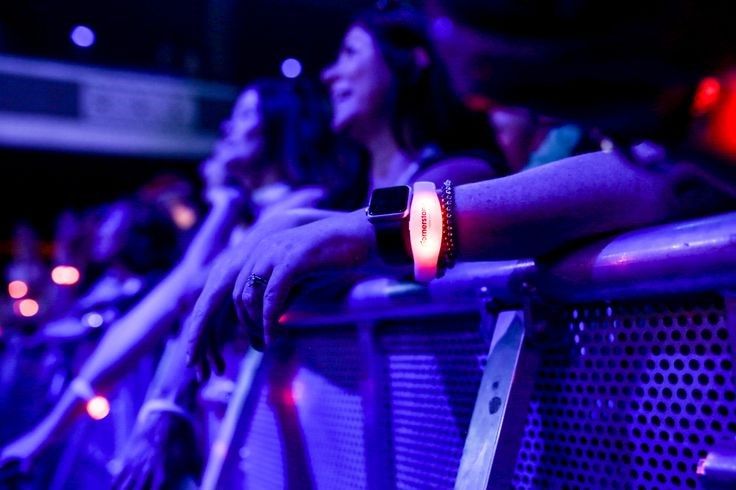
The shift from a linear to a circular model requires a fundamental change in mindset. It means designing products for durability, reparability, and reusability from the very beginning. At Xylobands, this philosophy is embedded in our operational DNA. While our LED wristbands are often seen as the ephemeral spark that lights up a concert or festival, the unseen story is one of meticulous planning for reuse and responsible management.
Consider our work with Wizkid for his historic, three-night, sold-out run at London's O2 Arena. The 32,000 wristbands used on the first night were not discarded. Instead, they were collected, refurbished, and redeployed for the second and third nights, with new units added only as needed to account for attrition. This simple but powerful act of reuse prevented tens of thousands of items from becoming waste, proving that LED crowd experiences can be both spectacular and sustainable.
This model extends beyond a single artist's multi-night run. We’ve implemented the same system for large-scale events like the PRIMER Music Festival in Greece, where wristbands are collected and serviced for use year after year. It transforms a single-use product into a long-term asset, capable of creating immersive events for multiple audiences over an extended lifecycle.
The Logistics of Reuse: A New Operational Blueprint
Implementing a reusable model for wearable LED technology is not without its challenges. It requires a sophisticated logistical operation that encompasses collection, sanitation, battery replacement, and reprogramming. It’s a behind-the-scenes ballet of reverse logistics that is just as critical as the initial deployment.
For us, the show doesn't end when the encore finishes. It ends when every possible wristband is collected, accounted for, and ready for its next deployment. That is the new benchmark for excellence in event production.
This process demands a different kind of creative thinking. It involves designing efficient collection points, incentivizing audience participation in the return process, and establishing regional hubs for refurbishment to minimize the carbon footprint associated with shipping. It’s a complex operational puzzle, but the payoff is immense: a dramatic reduction in waste and a more sustainable framework for the entire industry.
Expanding the Vision: The Future of Sustainable Spectacles
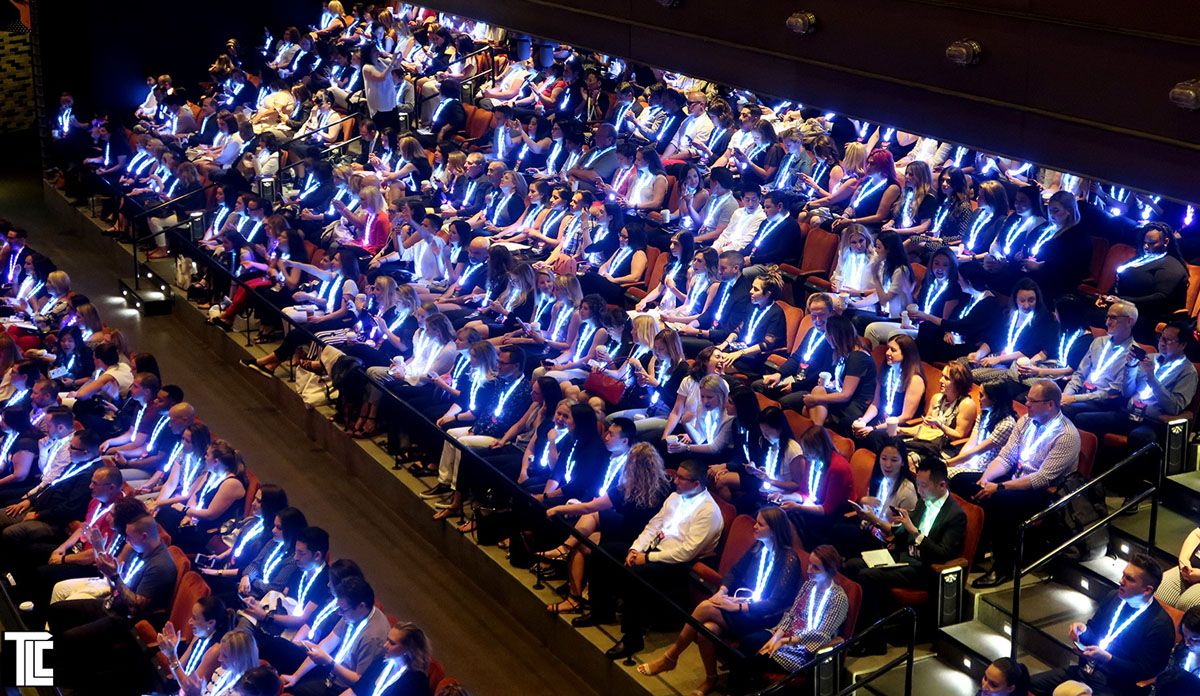
The principles of reuse and circularity are not limited to concert wristbands. They can be applied to a wide range of LED event technology, from the LED lanyards used in corporate event activations to the illuminated LED orbs that can transform a venue. The core idea is the same: design for longevity, plan for recovery, and build a system that turns waste into a resource.
As an industry, we are at a crossroads. We can continue down the path of single-use spectacle, or we can embrace a new mandate for sustainability. This isn’t about diminishing the magic of the live experience. It’s about ensuring that magic can be recreated again and again, responsibly and with respect for the world we all share.
By prioritizing durability, embracing reverse logistics, and championing a circular economy, we can build a future where the most breathtaking immersive events are also the most responsible. The light from a show should create a lasting memory, not a lasting footprint. It’s time to end the throwaway model and build a new legacy of sustainable spectacle.