The Living Blueprint: Engineering Safer and Smarter Crowds with Wearable Tech
The Unpredictable Sea
Stand on the stage of an arena, a festival field, or a stadium, and look out. The view is one of the most powerful in human experience: a vast, undulating sea of people. For a performer, it’s a source of energy. For an event producer, it’s the realisation of a vision. But for a production manager or safety officer, it is also a complex, unpredictable system with immense kinetic potential. Managing the safety, flow, and experience of 50,000 individuals is one of the most critical and enduring challenges in the live event industry.
For decades, the tools have been largely analog: security personnel observing from fixed points, CCTV cameras offering a bird’s-eye view, and layered communication networks attempting to coordinate a response to real-time events. While essential, these methods have inherent limitations. They are reactive, dependent on human interpretation, and often struggle to capture the subtle but crucial shifts in crowd density and sentiment that precede a major issue.
The Crowd as a Sensor Network
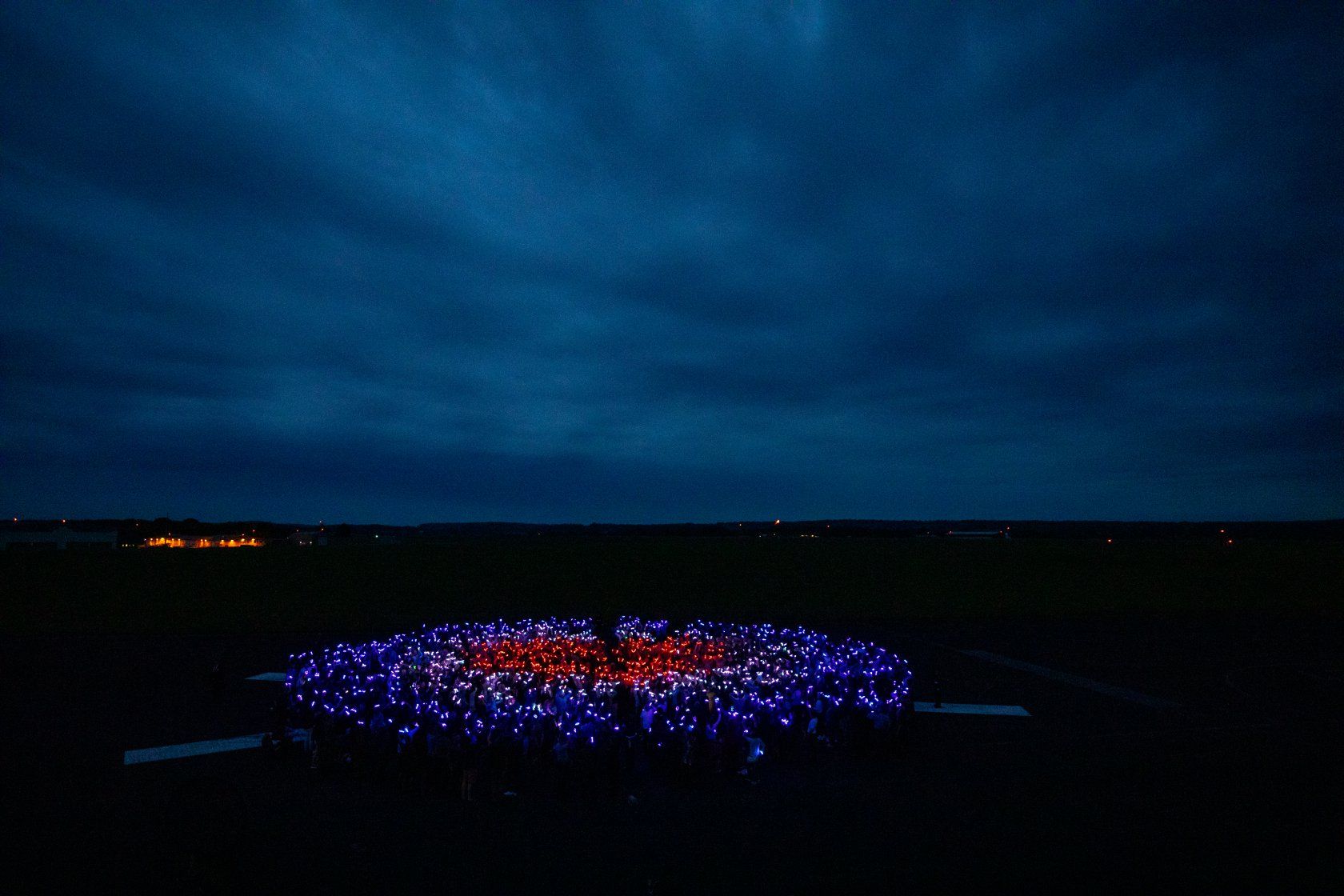
What if the crowd itself could become a living, breathing sensor network? What if every point of light within it could serve not only as a pixel in a grand artistic canvas but also as a data point in a dynamic safety blueprint? This is the paradigm shift being introduced by the sophisticated application of Wearable LED Technology.
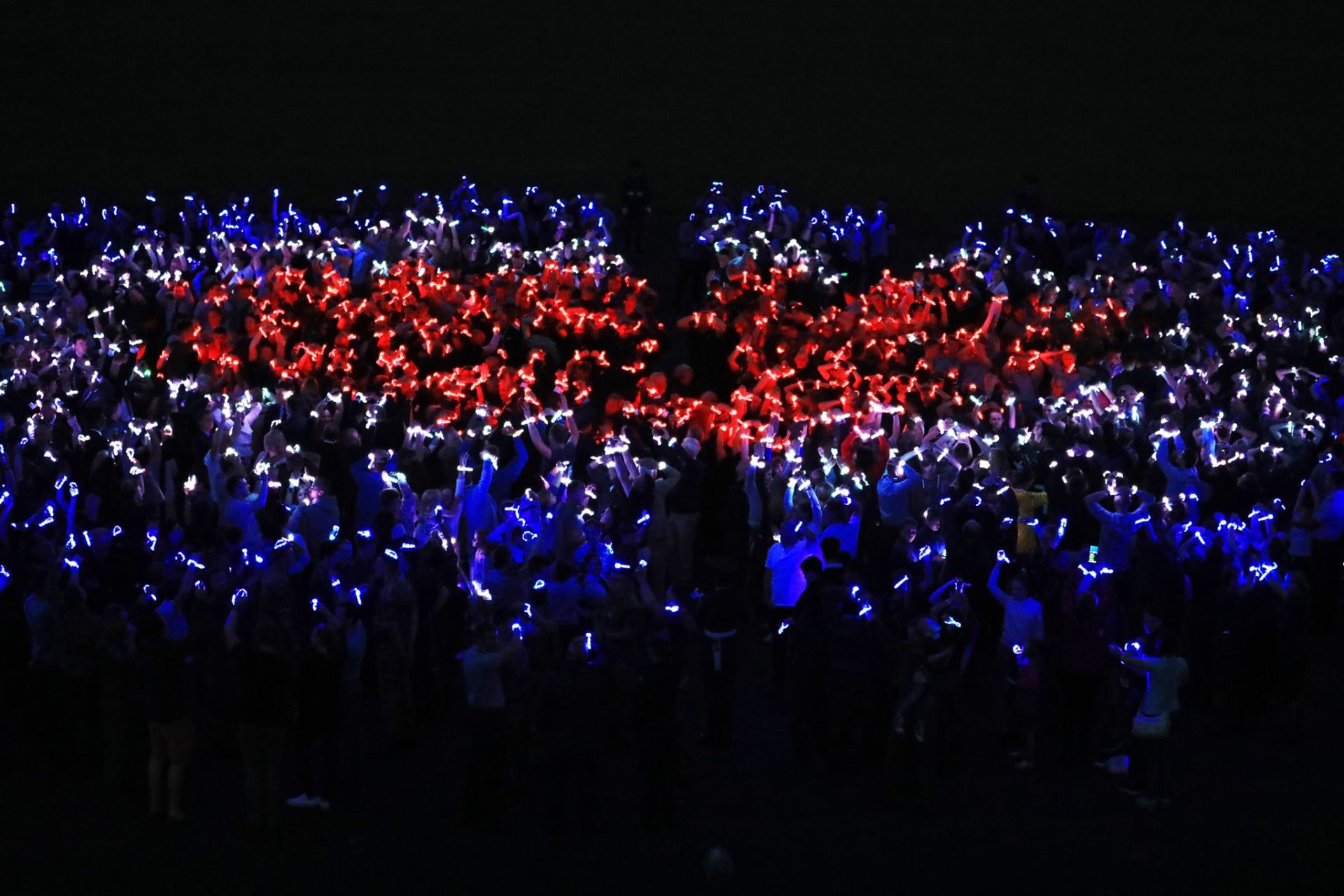
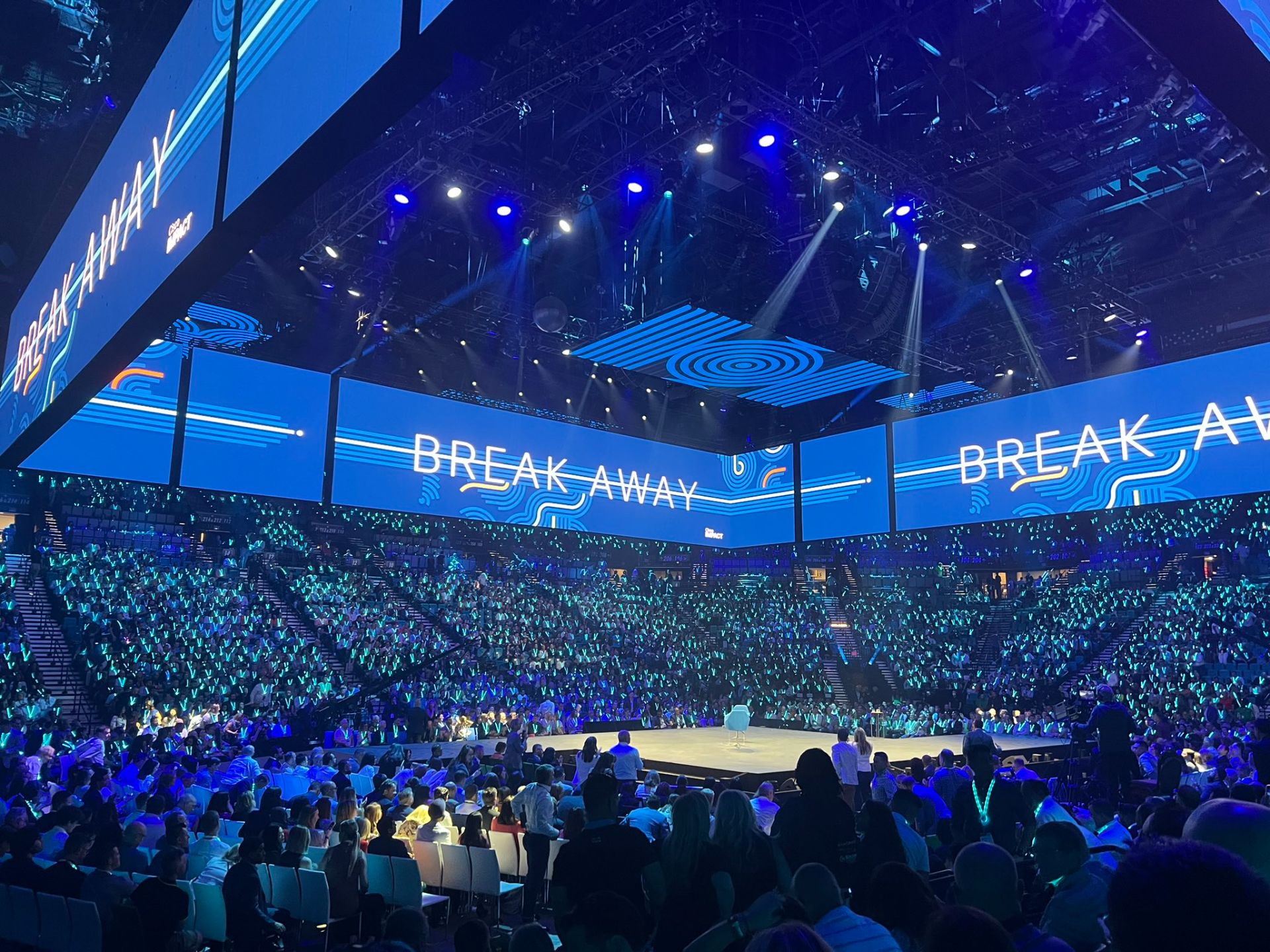
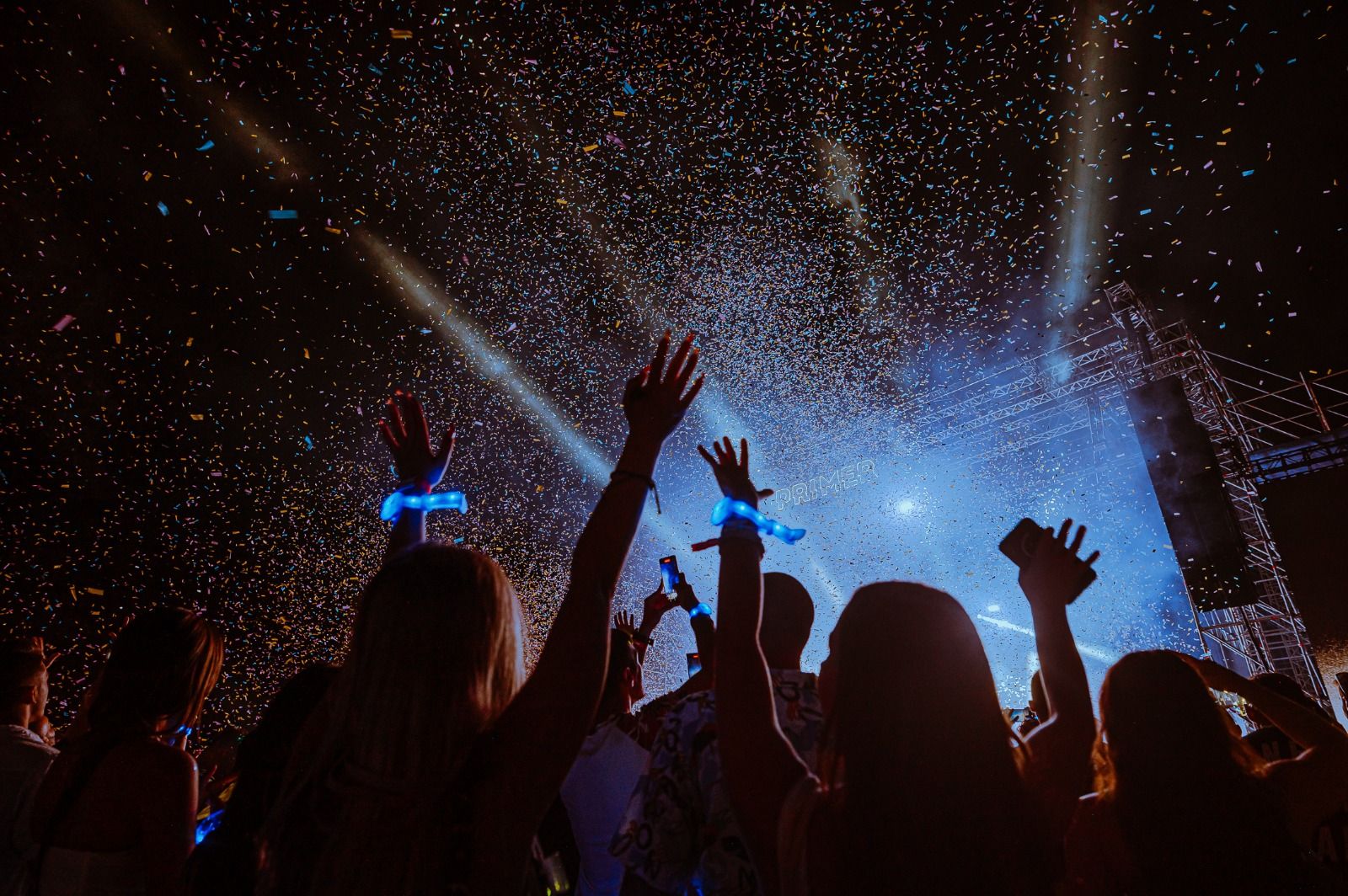
Systems like Xylobands are renowned for creating stunning LED Crowd Experiences, uniting audiences in a shared visual spectacle. The Radio Controlled LED Wristbands that illuminated Maluma’s 54,000-strong homecoming concert or turned festival-goers at Primer Music Festival into a pulsing light show are powerful creative tools. However, the same RF (Radio Frequency) infrastructure that commands them to flash, fade, and change colour can also be engineered to listen.
By analysing signal strength, response times, and the density of devices in a given area, the system can generate a real-time, anonymised map of the audience. This isn’t about tracking individuals; it’s about understanding the organism of the crowd itself. It transforms thousands of Concert Wristbands or LED Lanyards into a dynamic data layer, revealing insights that were previously invisible.
From Spectacle to Safety Signal
The implications for event safety and logistics are profound. Traditional methods might spot a problem as it’s happening; this approach can help predict it. By monitoring the data blueprint, production teams can:
- Identify Density Hotspots: See in real-time where crowd density is approaching critical levels, long before it becomes visually apparent to a security guard. This allows for proactive intervention, such as deploying stewards to encourage dispersal or opening new channels for flow.
- Map Crowd Movement and Flow: Analyse how the audience moves during ingress, egress, and key moments in the show. This data is invaluable for optimising venue layouts, identifying unforeseen bottlenecks, and planning more efficient entry and exit strategies for future events.
- Enhance Emergency Response: In a crisis scenario, the ability to guide a crowd is paramount. With a responsive lighting system, you can do more than make an announcement. Imagine using the wristbands themselves as a directional tool, pulsing a calming green light in the direction of the safest exits, providing a clear, language-agnostic signal amidst the confusion.
The Experiential Payoff: Smarter Crowds, Deeper Immersion
This pursuit of a safer event environment does not come at the expense of the creative vision. In fact, it enhances it. The same data that informs safety protocols can be used to create more nuanced and responsive Immersive Events. When a lighting designer knows that a certain section of the audience is highly engaged, they can trigger location-specific effects, making that group feel seen and rewarded. This turns a monolithic crowd into a collection of communities, all participating in a shared experience.
This is the next evolution of Immersive Event Technology. It’s no longer just about broadcasting a light show to the masses. It’s about entering into a dialogue with the audience, using technology to understand their collective behaviour and using that understanding to create an environment that is not only breathtakingly beautiful but also intelligent, responsive, and fundamentally safer.
An Ethical, Intelligent Blueprint
It’s crucial to underscore the anonymous nature of this data. The power is not in tracking a person, but in understanding the pulse of the collective. It’s about aggregated patterns and systemic flows. The system sees zones of density, not faces; it tracks the movement of the audience as a whole, not the path of an individual.
As events grow in scale and ambition, from massive Festival Wristbands deployments to high-stakes corporate activations, the tools we use to manage them must evolve. The invisible network that powers an LED spectacle is becoming an indispensable layer of intelligence, giving producers a living blueprint of their event. By embracing this fusion of data and creative technology, we are not just building more spectacular shows; we are building smarter, safer, and more deeply connected human experiences.