The Responsive Environment: Enhancing Crowd Safety with Immersive Event Technology
The Unseen Conversation Between a Crowd and its Environment
A large crowd is a living entity. It has a pulse, a rhythm, a collective mood that can shift in an instant. For event producers and tour managers, understanding and managing this entity is the highest priority. Traditionally, this has been a reactive process, relying on security personnel, barricade placement, and well-trodden exit strategies. But what if the environment itself could become an active participant in ensuring crowd safety? What if light, data, and wearable technology could create a safer, more responsive space for immersive events?
This is not a conversation about surveillance. It’s about building a sensory feedback loop between the audience and the production team. By leveraging real-time data from interactive elements like LED wristbands, we can gain invaluable, anonymised insights into crowd density, movement patterns, and overall engagement. This information, when ethically applied, allows us to move from reactive crowd control to proactive crowd care.
From Passive Analytics to Active Response
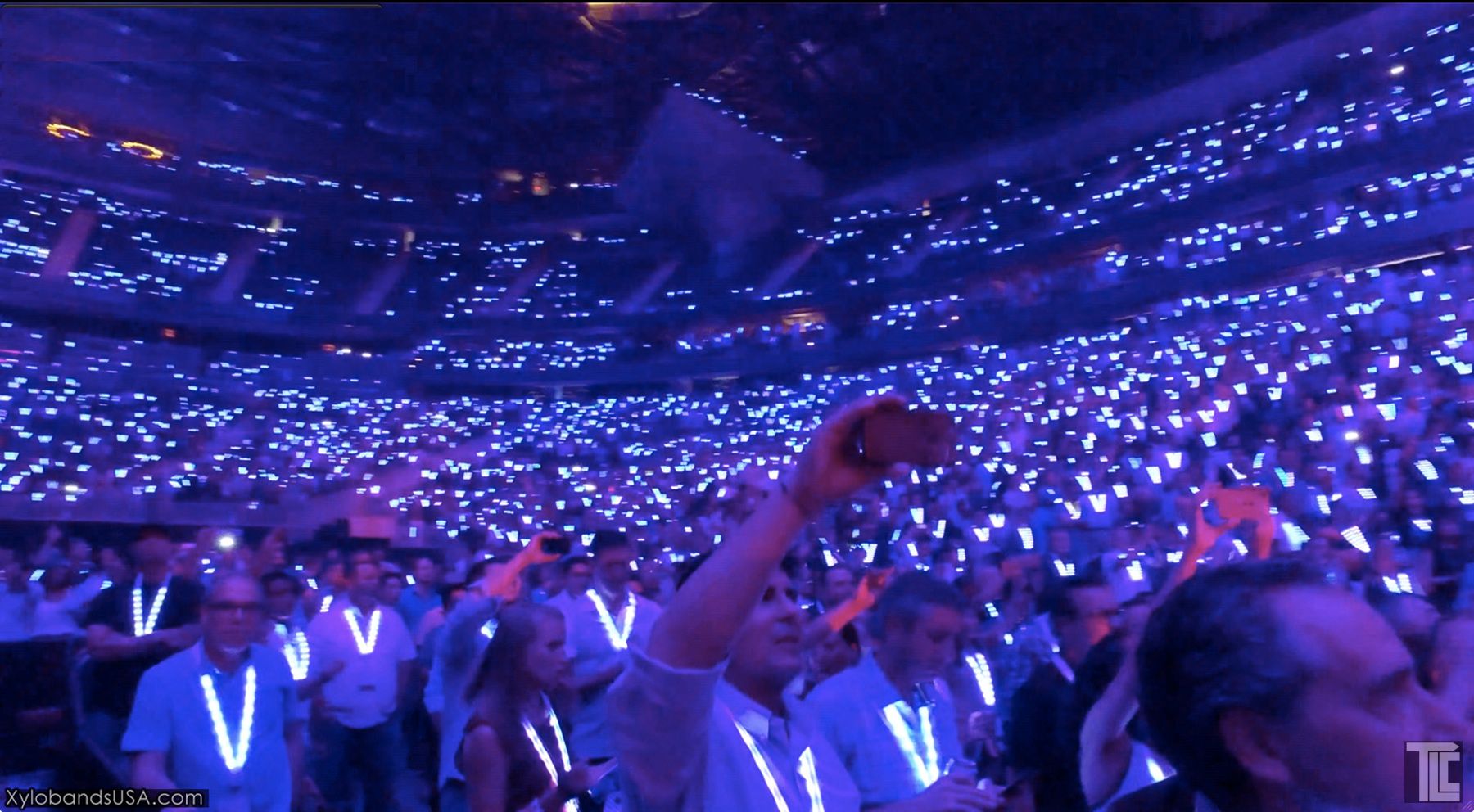
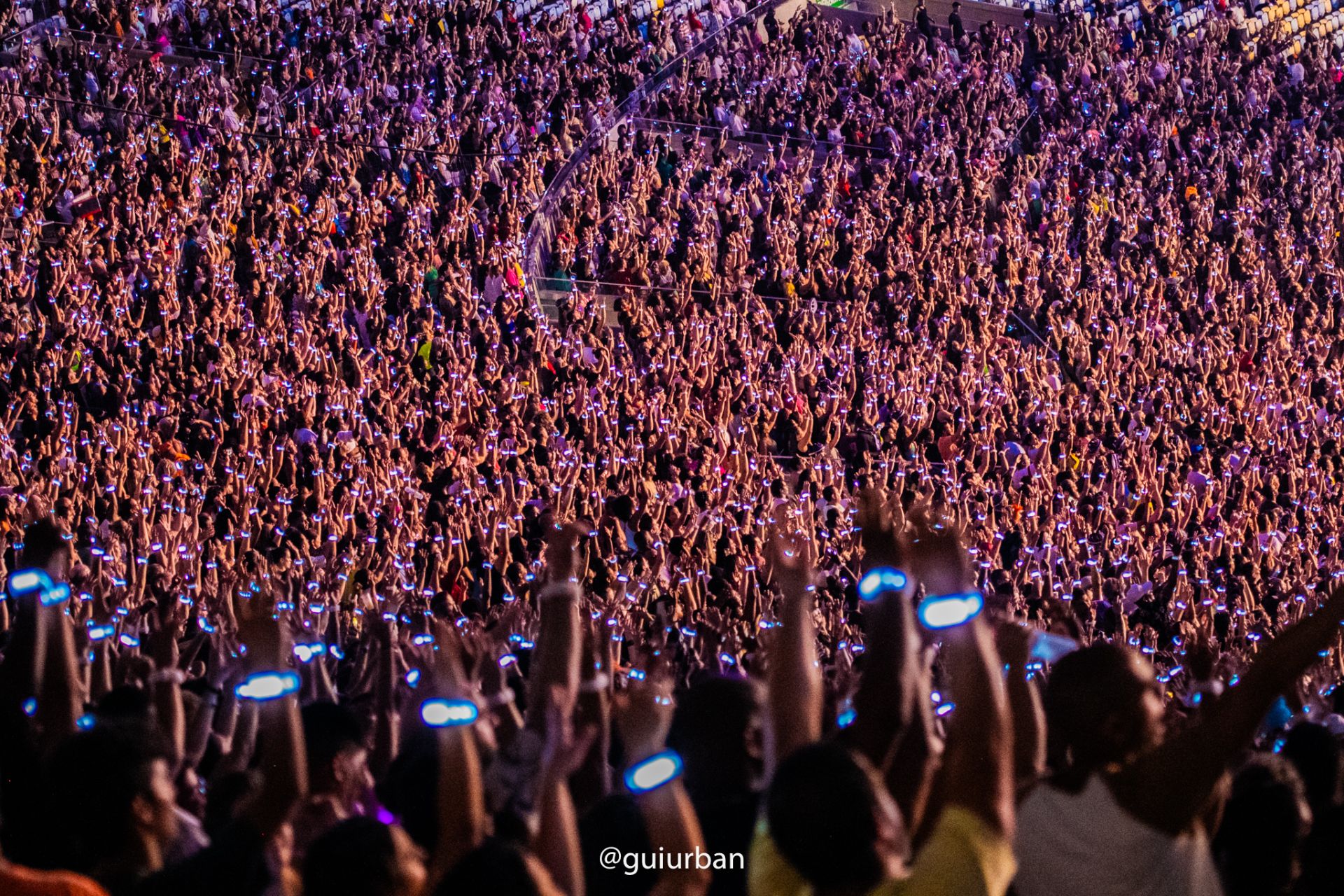
The term ‘crowd analytics’ often conjures images of CCTV and facial recognition. Our approach is fundamentally different. It is rooted in the very technology designed to create spectacular moments of unity. Radio controlled LED wristbands, like the ones that have become synonymous with Coldplay’s world tours, are more than just tools for visual spectacle; they are nodes in a temporary, anonymised network that blankets the entire event space.
Each wristband contains a receiver. The system that controls the lights knows the location of each signal pulse. By aggregating this data, we can build a dynamic, real-time map of the audience. We’re not tracking individuals; we’re observing the organism of the crowd as a whole.
- Density Mapping: Instantly identify areas where crowd density is approaching potentially unsafe levels. This allows for the pre-emptive dispatch of staff to encourage movement or the subtle use of lighting cues to draw attention elsewhere.
- Flow and Egress Monitoring: Analyse the speed and direction of crowd movement, particularly during entry and exit. This data is critical for optimising venue layouts, signage, and staffing for future events, identifying bottlenecks before they become critical issues.
- Zone-Based Communication: In a complex emergency, the ability to communicate with specific sections of a crowd is invaluable. Imagine being able to flash a specific colour in one zone to guide people toward a clear exit, while using a different pattern to hold another section in place, preventing cross-traffic and panic.
The Psychology of Light in Crowd Management
Beyond the raw data, there is a powerful psychological component to using light as a safety tool. Humans have an instinctual response to light. It directs our focus, influences our mood, and can guide our movement. This is a principle we’ve applied for years in creating immersive LED crowd experiences, but its application in safety is just as profound.
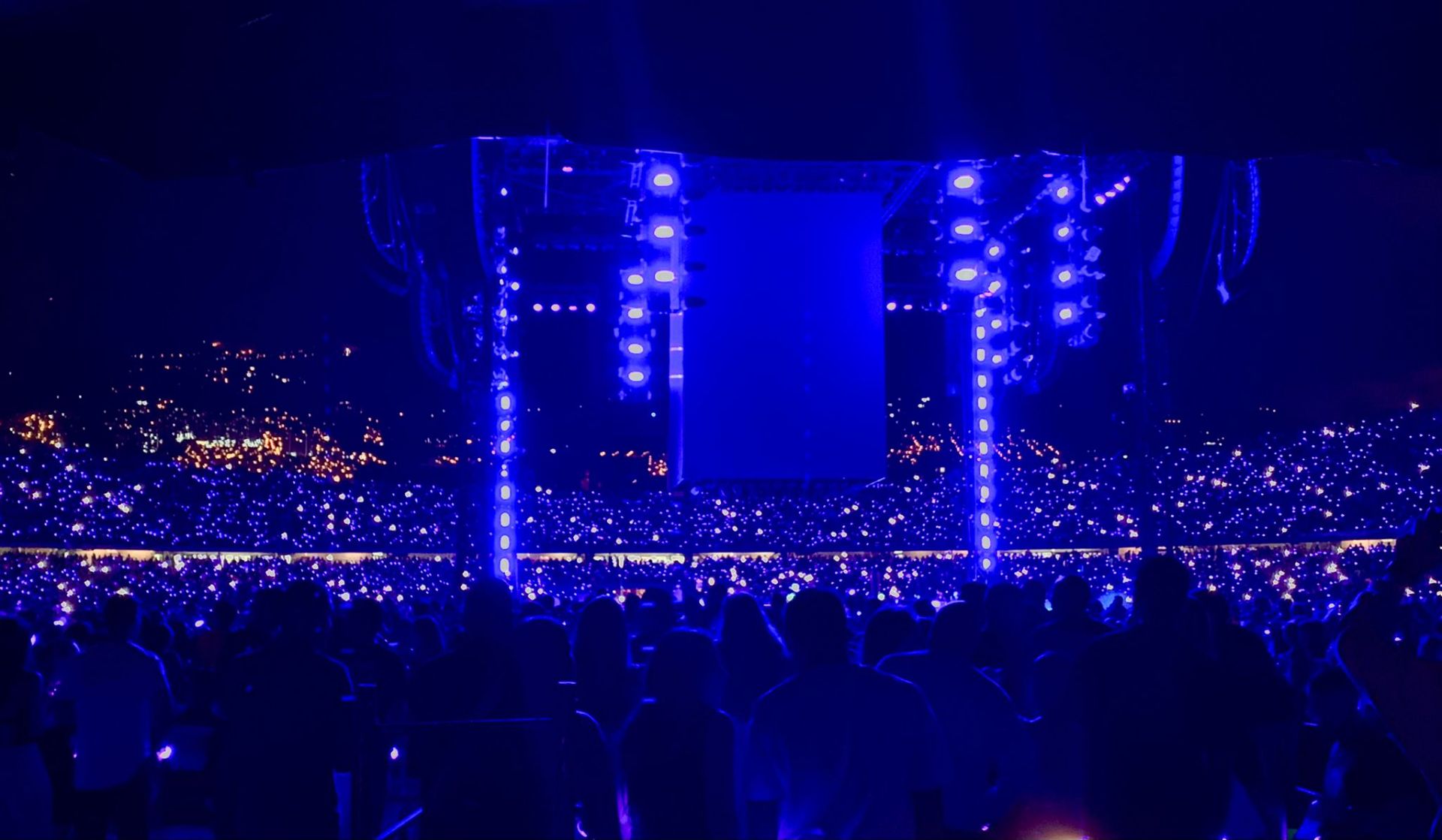
A sudden, uniform pulse of blue light across a stadium can be calming. A slow, directional-flow of warm light toward an exit can be an intuitive, non-verbal instruction that guides people without inducing alarm. This is crowd management through atmosphere and instinct, not orders shouted through a megaphone.
This approach was fundamental to our work at large-scale, globally broadcast events like the Formula One 75th-anniversary show. While the primary goal was creating a stunning visual for the 13,000 attendees and millions watching at home, the underlying technology provided a constant stream of spatial data that the production team could, if needed, use to understand the dynamics of the arena floor.
Case Study: The Festival Environment
Festivals like PRIMER in Greece present a complex safety challenge. With multiple stages, fluid crowds, and high-energy performances, maintaining oversight is a monumental task. By deploying festival wristbands that are part of a connected system, organizers gain an unparalleled overview of the entire site. They can see where the energy is highest, but also where foot traffic is becoming congested between stages. This allows for the intelligent deployment of resources, from water stations to security personnel, based on real-time need rather than a static plan.
It transforms the wristband from a simple ticket or a visual gimmick into a piece of intelligent, wearable LED technology that contributes to the safety and wellbeing of every single attendee.
The Future of Safer Gatherings
The core of this philosophy is a shift in perspective. We must see the crowd not as a potential problem to be controlled, but as a responsive partner in creating a safe and unforgettable experience. The technology—whether it’s Xylobands, LED Lanyards, or even illuminated LED Orbs—is simply the medium for a more intelligent, humane, and effective conversation between the event and its audience.
As event producers, designers, and brand marketers, our duty of care extends beyond simply delivering a spectacular show. It involves creating an environment where tens of thousands of people can feel safe enough to lose themselves in a collective moment of joy. By embracing the potential of immersive event technology to provide actionable, anonymised data, we are not just making our events smarter; we are making them fundamentally safer for everyone.