The Stadium as Canvas: A New Era in Half-Time Show Choreography
From Marching Bands to Immersive Light Shows
For decades, the half-time show was a familiar, almost quaint, intermission. It was the domain of marching bands, cheerleaders, and the occasional local celebrity. The spectacle was confined to the field, a performance to be watched from a distance. Today, that model has been completely reinvented. The modern half-time show is a multi-million-dollar production, a high-stakes, technologically infused performance where the stadium itself becomes the stage and the audience becomes a living, breathing part of the show.
This shift has been driven by advancements in immersive event technology, from high-definition broadcast capabilities to sophisticated lighting systems. For choreographers and show designers, this has opened up an entirely new creative language. It’s no longer just about coordinating dancers on a field; it’s about choreographing light, sound, and human energy across a space the size of a city block, all while serving two distinct audiences: the fans in the seats and the millions watching at home.
The Dual-Audience Dilemma: Choreographing for the Lens and the Eye
One of the greatest challenges in modern sports entertainment is designing for both the live and broadcast experiences. A lighting effect that looks spectacular on a 4K television screen might feel underwhelming to a fan in the upper deck. Conversely, a grand, sweeping gesture designed to energize the live crowd can appear chaotic or disjointed on camera.
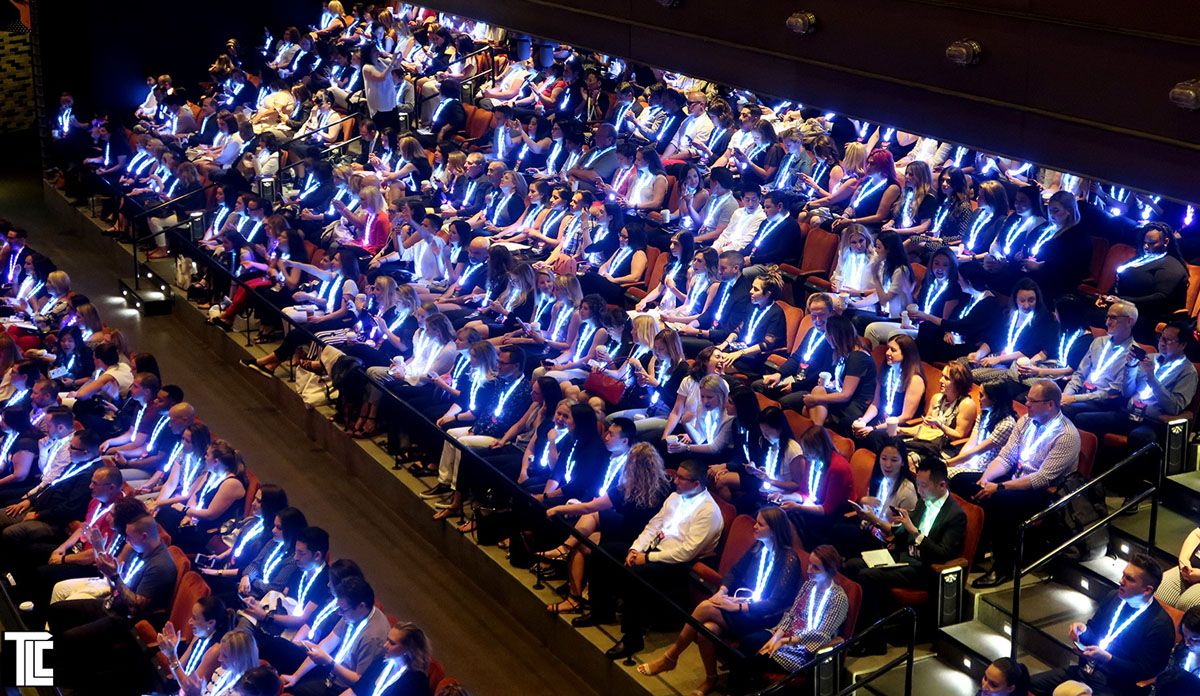
Show designers must think like filmmakers and architects simultaneously. They use pre-visualization software to map out camera angles and lighting cues with surgical precision. But the true breakthrough comes from technologies that bridge the gap between the live and broadcast mediums. This is where tools like LED wearables have become indispensable. By turning each member of the audience into a pixel in a larger canvas, choreographers can paint with light on a massive scale. This creates stunning visual tableaus that translate powerfully both in person and on screen, ensuring every viewer feels like they have the best seat in the house. This was a key consideration in our work with ITV, balancing the needs of the live studio audience with the broadcast experience for millions at home.
The Choreography of Light
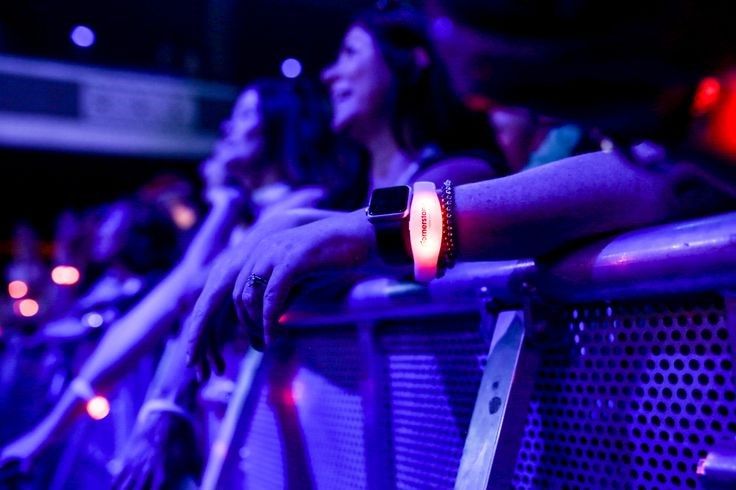
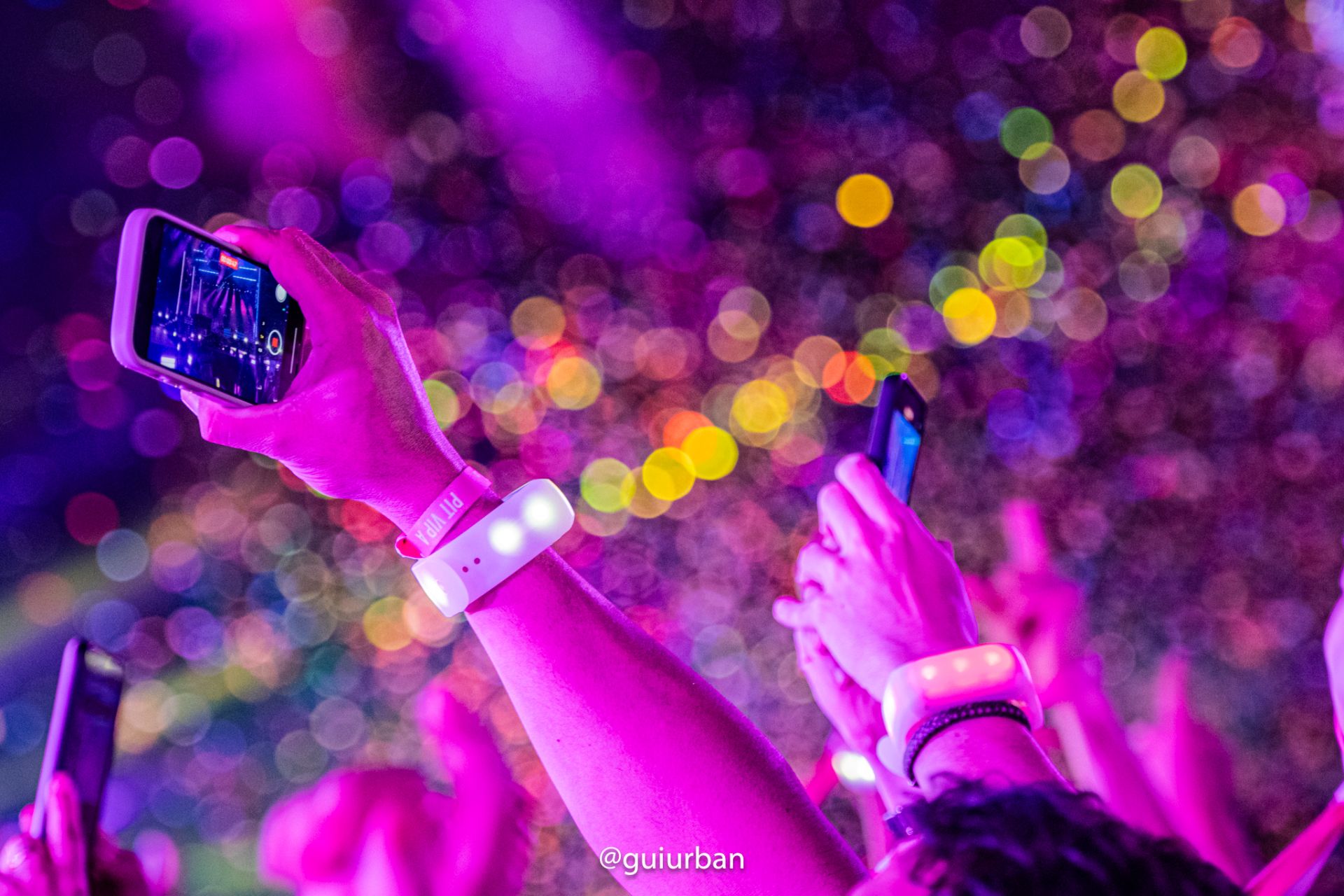
The introduction of radio-controlled LED wristbands, pioneered by Xylobands during Coldplay’s Mylo Xyloto tour, marked a turning point. Suddenly, the crowd was not a passive observer but an active element of the design. Choreographers could now command waves of color to sweep across the stands, pulse in time with a drumbeat, or isolate specific sections to create dramatic, visually arresting moments.
This allows for a level of narrative storytelling previously impossible. During a team’s dramatic entrance at a Davis Cup match or a product launch for a major brand like Formula One, the entire stadium can erupt in specific colors. It transforms tens of thousands of individuals into a single, unified entity, amplifying the emotional peaks of the performance. This is the essence of creating powerful LED crowd experiences.
Integrating Artists, Athletes, and Technology
The modern half-time show is a complex logistical ballet. It requires seamless synergy between the musical artist, their creative team, the sports league’s production crew, and technology partners. The choreography is no longer just for the dancers; it extends to the technical operators who control the lighting, pyro, and immersive elements.
The most successful productions weave these elements together into a cohesive narrative. The lighting doesn’t just illuminate the artist; it extends their performance into the crowd. The movements of the dancers on the field are mirrored by patterns of light in the stands. It’s a holistic approach that makes the technology feel like an organic extension of the artistic vision.
"The goal is to dissolve the boundary between the performer and the audience. When the entire stadium is lit up in unison, sharing a single moment of light and sound, you create a powerful sense of connection and collective energy."
The Future of Stadium Choreography
As technology continues to evolve, so will the art of the half-time show. We are moving towards even more interactive and personalized experiences. Imagine a future where custom LED wristbands not only light up but also react to crowd noise levels, or where augmented reality overlays add another layer of visual information for fans viewing through their smartphones.
What remains constant is the human element. Technology is a powerful tool, but it is most effective when it serves to amplify human emotion and connection. The future of stadium choreography lies in using these tools to create more intimate, more powerful, and more memorable shared experiences. From the Super Bowl to the World Cup, the stadium has become a canvas, and light has become the new language of spectacle. The half-time show is no longer an intermission; it is the main event.