The Circular Spectacle: Rethinking Durability and Waste in Event Production
The Unseen Cost of the Unforgettable
In the world of live events, our currency is memory. We are architects of the unforgettable, crafting moments that resonate long after the lights come up. From the thunderous energy of a music festival to the focused engagement of a corporate launch, the goal is impact. Yet, for decades, that impact has come with a hidden cost: a linear production model of create, use, and discard. Staging, signage, credentials, and even the technology that dazzles us have often been designed for a single night, contributing to a culture of disposability that is becoming increasingly untenable.
The challenge for the modern event producer is no longer just about creating a spectacular experience. It’s about creating a responsible one. As audiences and stakeholders become more environmentally conscious, the pressure mounts to move beyond the single-use spectacle. This requires a fundamental shift in design philosophy, moving from a linear path toward a circular one — a system where durability, reusability, and intelligent logistics are not afterthoughts, but core principles of the design process.
Designing for a Second Act: The Reusability Mandate
The transition to a sustainable event model begins long before the doors open. It begins on the drawing board, with a commitment to engineering products for a long and useful life. For technologies that define LED crowd experiences, this means prioritizing robustness and modularity over disposability.
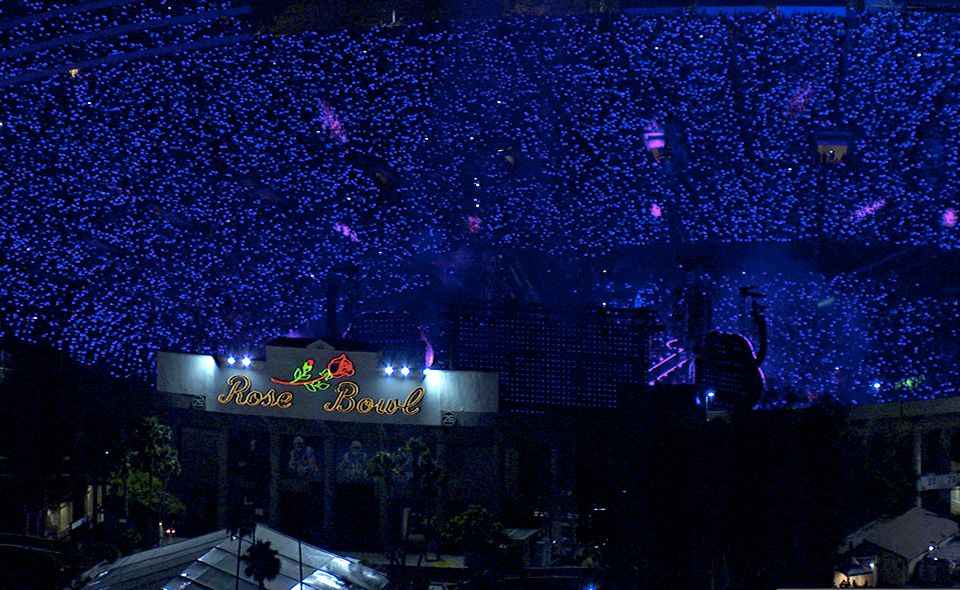
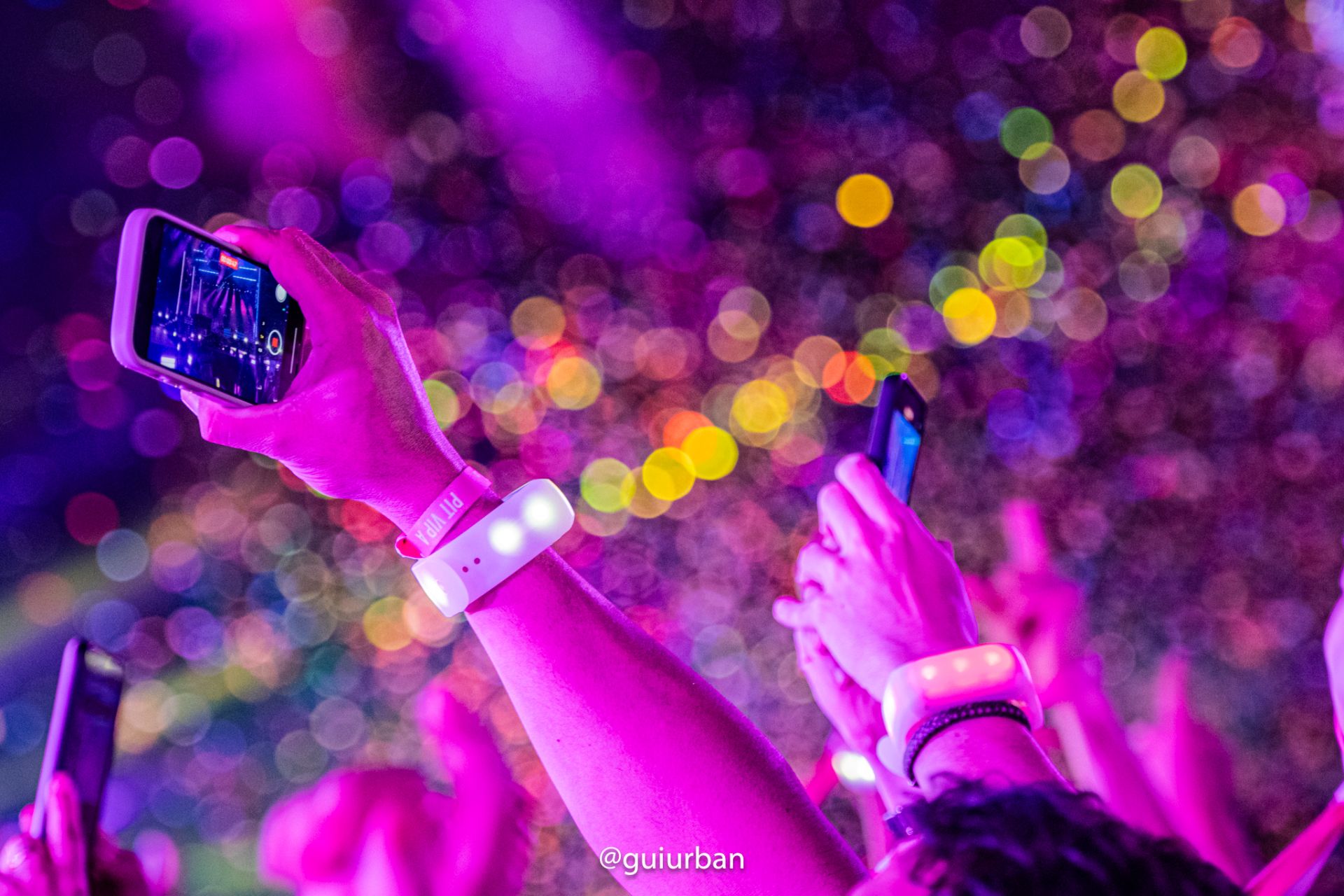
At Xylobands, we recognized this early on. Our system was never about creating a disposable trinket. It was about building a durable piece of LED event technology that could withstand the rigors of a global tour and still perform flawlessly night after night. Our radio controlled LED wristbands are designed for a lifecycle that extends far beyond a single event. They are built to be collected, refurbished, and redeployed. This “product-as-a-service” model represents a critical pivot in how we think about event assets. It’s not a consumable good; it’s a reusable service that delivers immersion and excitement, responsibly.
“The most sustainable product is the one you don’t have to make again. By engineering for durability from day one, we can drastically reduce the material footprint of an event without compromising the quality of the experience.”
Case Study: The Wizkid Trifecta at The O2
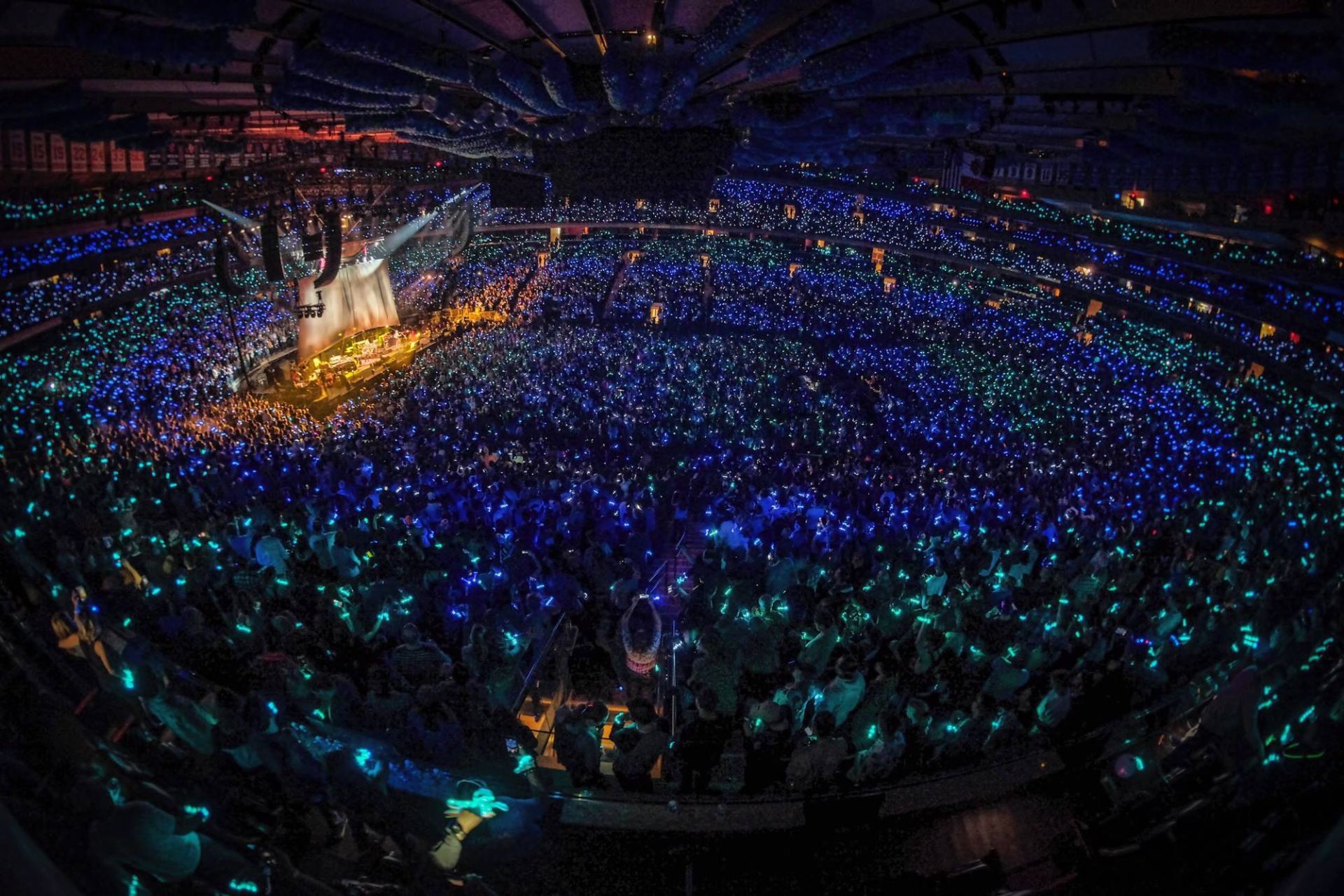
This philosophy was put to the test during Wizkid’s historic three-night, sold-out run at London’s O2 Arena. The challenge was to deliver the same high-impact, immersive light show for each of the 20,000-strong audiences. A disposable model would have meant producing and discarding over 60,000 wristbands.
Instead, we implemented our circular model. After the first night’s electrifying performance, our teams collected the Xylo Bands, preparing them for the next show. For all three nights, the core inventory of wristbands was reused, topped up as needed, and meticulously managed. This not only represented a significant reduction in potential waste but also a masterclass in logistical efficiency. The debut of our Xyloband Lite, branded with the artist’s logo, became a reusable emblem of a tour that was as smart and efficient as it was spectacular. It proved that large-scale concert wristbands could be a sustainable part of the show, not just a piece of merchandise.
Expanding the Ecosystem of Reusability
This circular mindset is not limited to LED bracelets. It applies to a growing ecosystem of immersive event technology designed for longevity. At the F1 75 anniversary event at The O2, we created custom LED Lanyards—or Xylo Pendants—which were distributed to 13,000 fans. These weren’t generic items; they were custom-branded for different teams and hospitality tiers, yet the underlying technology was the same durable, reusable hardware. The same principle applies to products like our LED Orbs, which can be used to transform venues for everything from sporting events to corporate event activations.
The key is a system-wide approach. It encompasses:
- Intelligent Inventory Management: Knowing where every unit is, what condition it’s in, and how it can be deployed for the next event.
- Efficient Reverse Logistics: Mastering the art of collection and refurbishment is just as critical as deployment. It requires clear communication with venue staff and buy-in from the audience.
- Audience Partnership: Framing the return of a wristband or lanyard not as a chore, but as a contribution. Fans become active participants in the event’s sustainability efforts, deepening their connection to the experience.
The Future is Circular
The live event industry is at a crossroads. The demand for breathtaking, immersive events is only growing, but it must now be balanced with a mandate for environmental stewardship. The path forward is not about diminishing the spectacle but about making it smarter, leaner, and more responsible.
Moving toward a circular economy of event production—where wearable LED technology and other key components are designed for durability and reuse—is the next great innovation. It’s a testament to the fact that the most memorable moments can also be the most mindful ones. After the final encore, the roar of the crowd fades and the lights go down, but the legacy of a well-run, sustainable event endures. It’s a legacy of respect for the audience, the artist, and the planet. And that is an impact that truly lasts.