The Responsive Festival: How Crowd Participation Became the Main Event
From Lighters to Light Shows: The Evolution of the Audience
For decades, the currency of crowd participation was simple and analog. A sea of lighters held aloft during a ballad, a unified chant, a wave rolling through a stadium—these were the raw, unmediated expressions of a collective experience. They were powerful, iconic, and entirely audience-driven. But they were also limited, representing a one-way signal from the crowd to the stage. The performance remained a separate entity, a spectacle to be observed rather than a world to be inhabited.
The arrival of the smartphone introduced a new, albeit distracting, dimension. Suddenly, every audience member had a camera and a screen, creating a galaxy of personal broadcasts. While this allowed for mass sharing, it also fragmented the collective focus, pulling individuals out of the shared moment and into their own digital bubbles. The challenge for festival producers and artists became clear: how to harness the crowd's energy without sacrificing the communal experience? How to turn thousands of individuals back into a unified, sentient whole?
The Birth of Immersive Event Technology
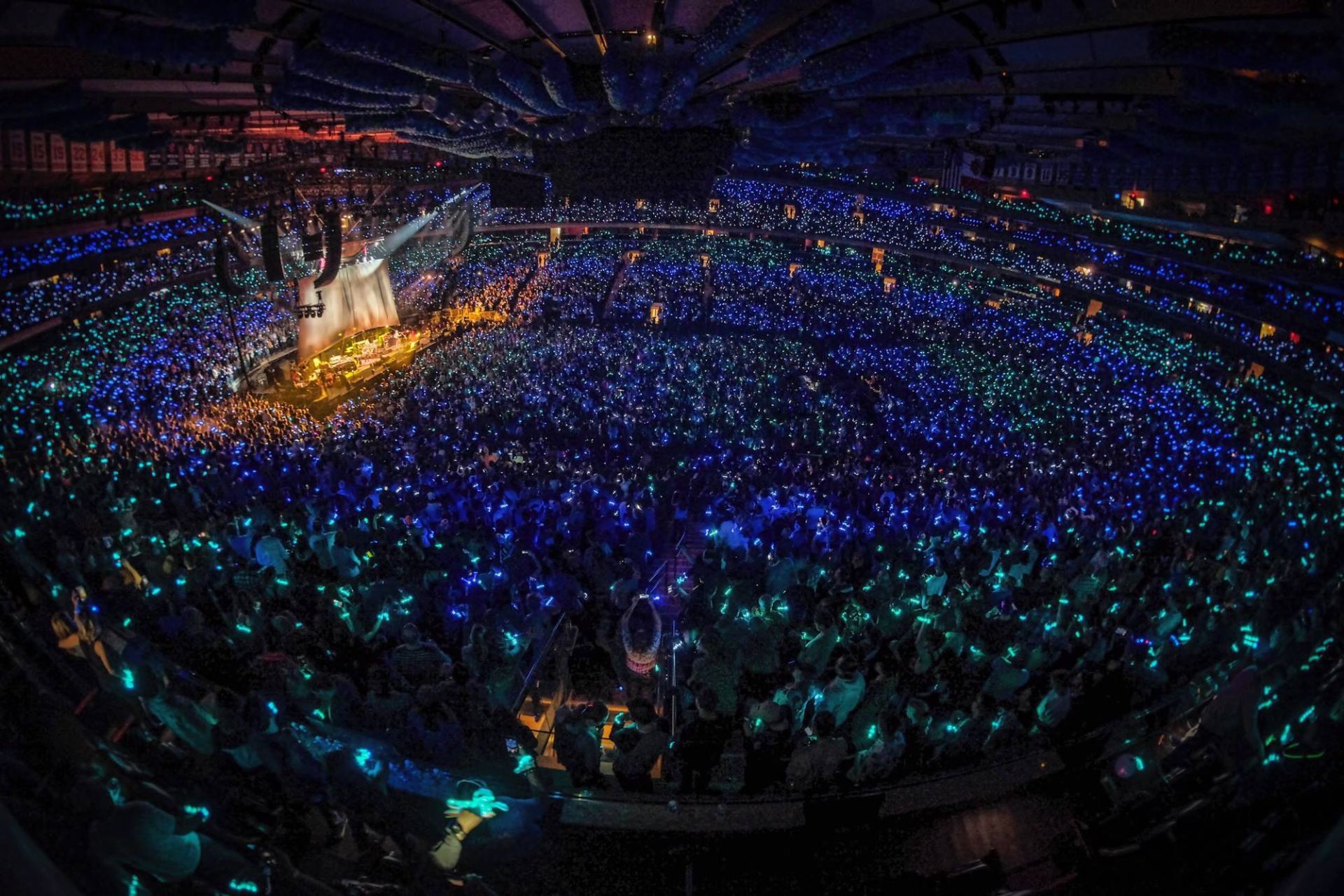
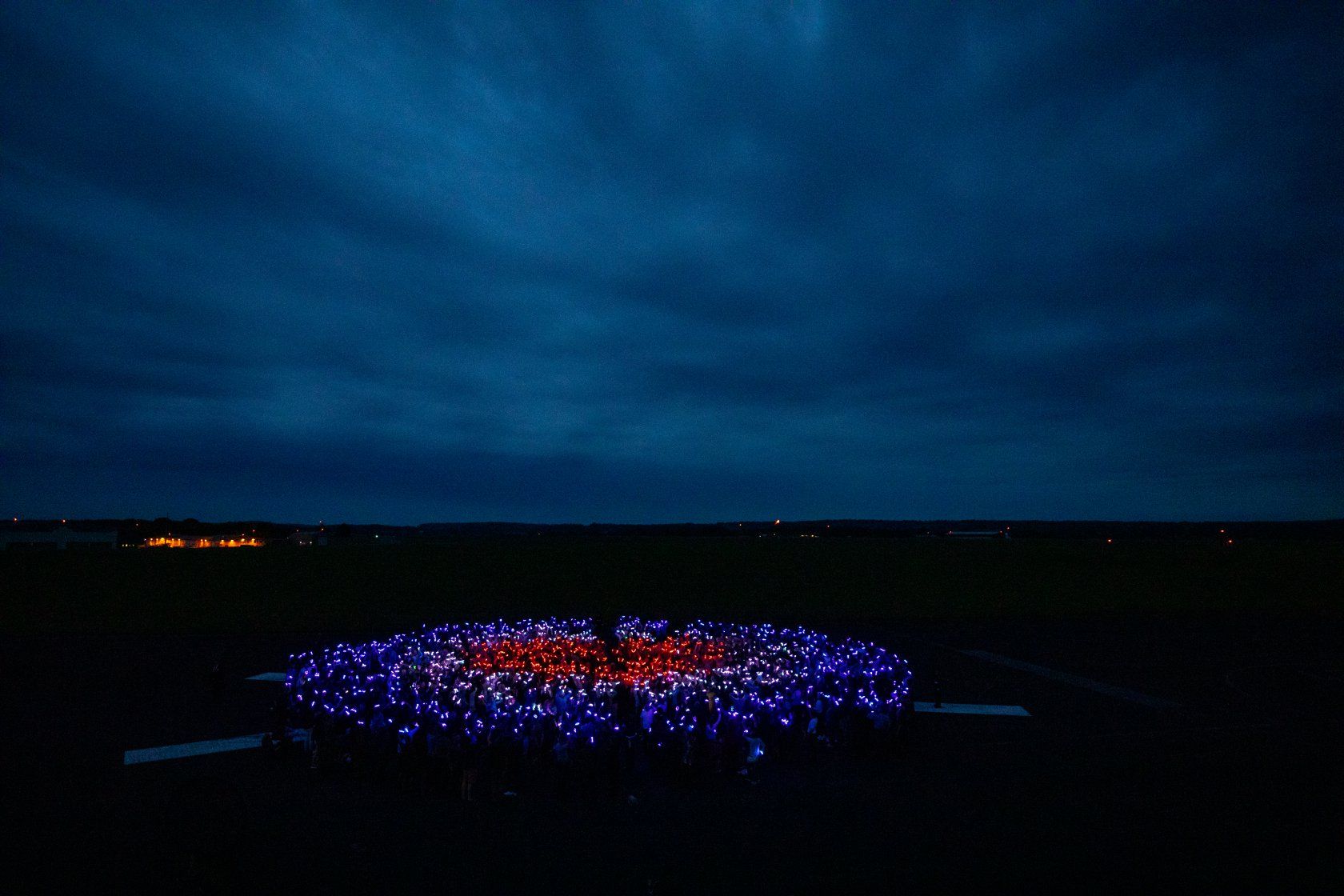
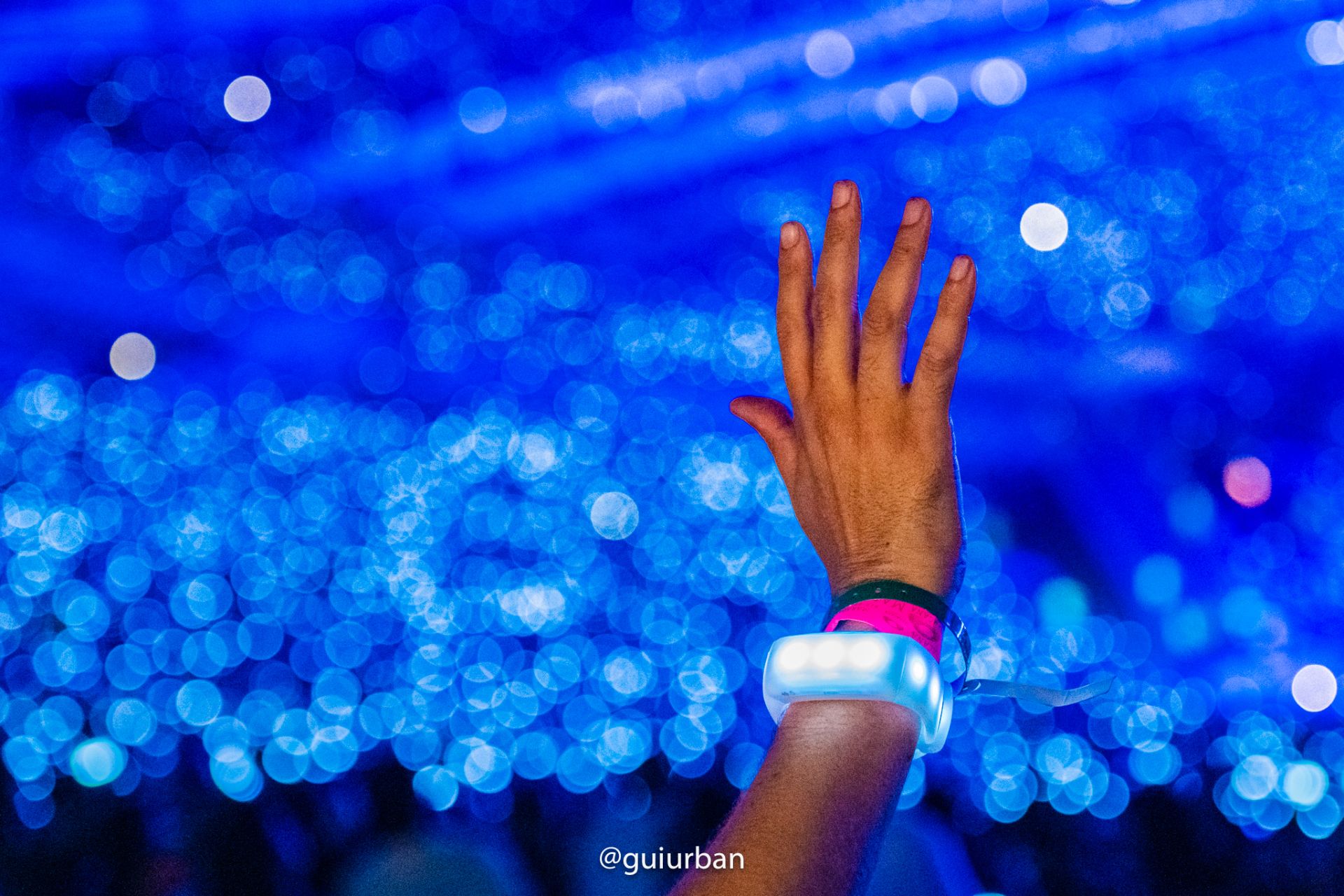
The turning point came not from a smartphone app, but from a simple, elegant idea: what if the audience itself could become the light show? This was the vision that led to the creation of Xylobands, first famously used on Coldplay’s Mylo Xyloto tour. By equipping each person with a radio-controlled LED wristband, the creative team could choreograph the crowd, painting with light across a canvas of thousands. Suddenly, the audience wasn’t just watching the show; they were the show. This was a pivotal shift, moving from passive observation to active, guided participation.
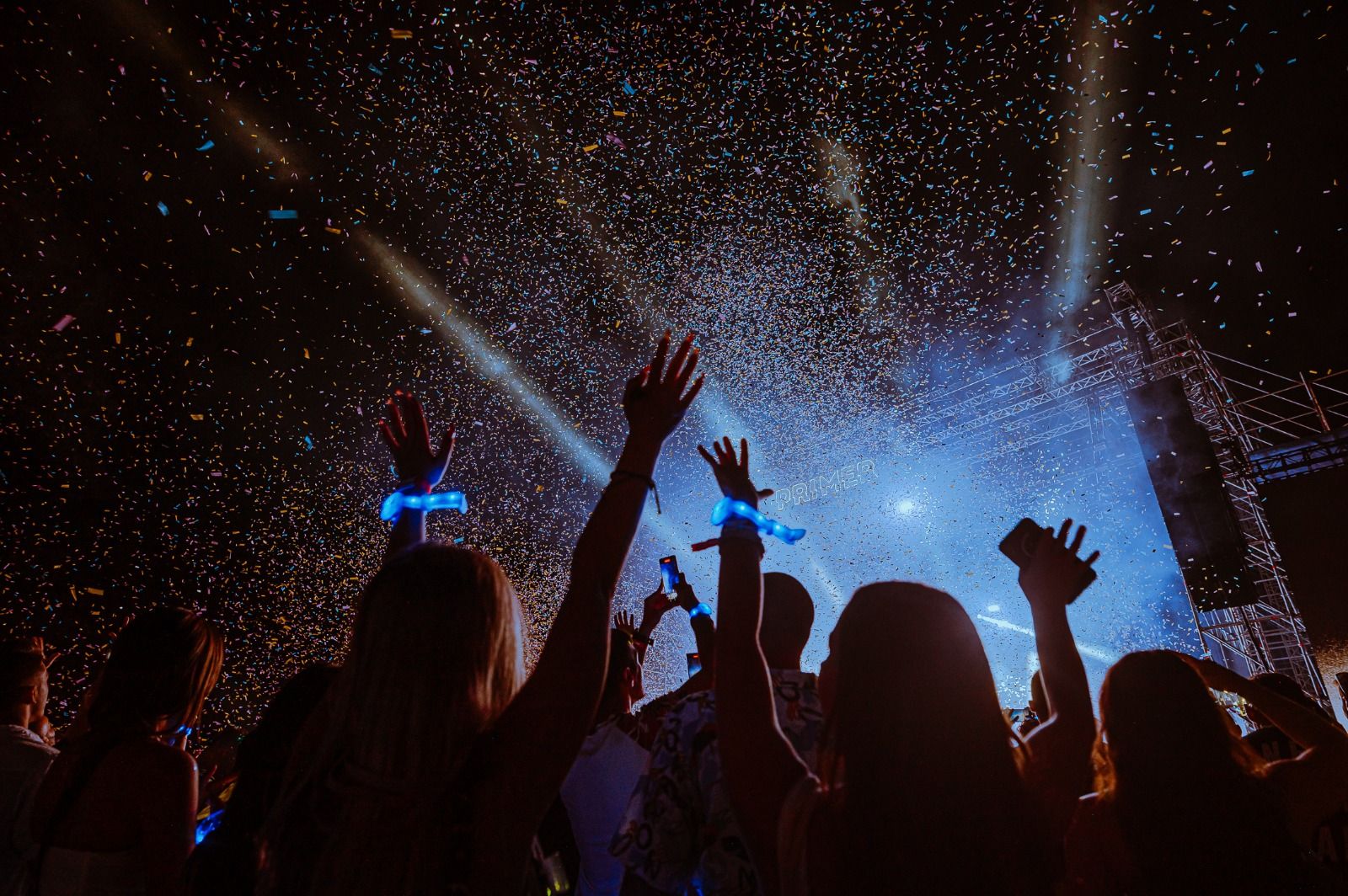
This innovation opened up a new frontier for immersive event technology. The ability to sync every single person to a central creative command allowed for unprecedented moments of unity. It transformed vast, anonymous festival fields into intimate, connected spaces. We’ve seen this power deployed at major gatherings like Greece’s PRIMER Music Festival, where our festival wristbands helped unify tens of thousands of electronic music fans into a single, pulsing organism of light and sound, perfectly synchronized with the beats of international DJs.
The Modern Festival: A Co-Created Spectacle
Today, the trend is moving beyond simple, centralized control and into a new era of co-creation. The modern festival is becoming a responsive environment, a place where the crowd’s energy, movement, and even biometrics can influence the sonic and visual landscape. Wearable LED technology is no longer just a receiver; it’s becoming a transmitter, a tool that allows attendees to become part of a dynamic feedback loop.
Imagine a scenario: the intensity of the light show is directly linked to the collective heart rate of the audience. The color palette shifts based on which section of the crowd is making the most noise. The tempo of the strobes accelerates as the energy on the dance floor reaches a crescendo. This is the future of LED crowd experiences—a truly interactive and sentient environment where the boundary between artist and audience dissolves completely.
“The fourth wall is gone. The crowd is no longer a passive recipient of the art; they are a fundamental component of its creation, moment by moment.”
Technology as a Unifier, Not a Distraction
The key to successful implementation lies in the seamlessness of the technology. Unlike a phone, which demands attention and pulls the user out of the moment, technologies like Xylobands and LED lanyards are designed to be forgotten. Once on, they become a natural extension of the experience, an ambient layer that enhances reality without distracting from it. This is the crucial difference: technology should serve the human experience, not dominate it.
From massive sporting events like the Davis Cup to corporate event activations, the goal is the same: to foster a deeper sense of connection and belonging. It’s about creating a shared story, a memory etched in light and sound that every single person in the room can claim as their own. Whether it’s concert wristbands for a global superstar like Maluma or custom pendants for a brand celebration like Formula One’s 75th anniversary, the technology serves a profoundly human purpose.
The Future is a Shared Canvas
The evolution of crowd participation is a story about the democratization of spectacle. It’s a move away from the static, top-down model of performance and toward a dynamic, collaborative one. As event producers, artists, and technologists, our role is no longer just to build a stage, but to create a world—a world that invites the audience in, empowers them to contribute, and allows them to see themselves reflected in the grandeur of the show.
The lighters of yesterday have given way to the intelligent, responsive LED bands of today. The silent, observant crowd has become a living, breathing canvas of light. The festival is no longer just a place you go to; it’s an experience you help create. And in this new era of immersive events, every single attendee is part of the main event.