The Shared Spectrum: Designing Truly Inclusive Live Events
The Shared Spectrum: Designing Truly Inclusive Live Events
Live events — from stadium concerts to brand showcases — are built on a foundation of collective experience. It’s the feeling of thousands of individual heartbeats syncing to one rhythm, of voices joining in a single chorus, of strangers becoming a community for a night. But what does it truly mean to create a space where everyone, regardless of their sensory needs, physical abilities, or neurological differences, feels they belong? The answer lies in a deeper, more intentional focus on inclusive design.
"Inclusivity isn’t a line item on a budget; it’s a design philosophy. It’s about anticipating the needs of the many, not just the median."
Traditionally, accessibility in event production has often been a matter of compliance — ensuring wheelchair ramps are in place, providing sign language interpreters, and designating specific seating areas. While these measures are critically important, they represent the starting line, not the finish. True inclusivity is about moving beyond retrofitting solutions and embedding accessibility into the very creative and technical DNA of an event. It’s about creating a multisensory environment that offers a rich and engaging experience for every single person in attendance.
Light as a Language of Inclusion
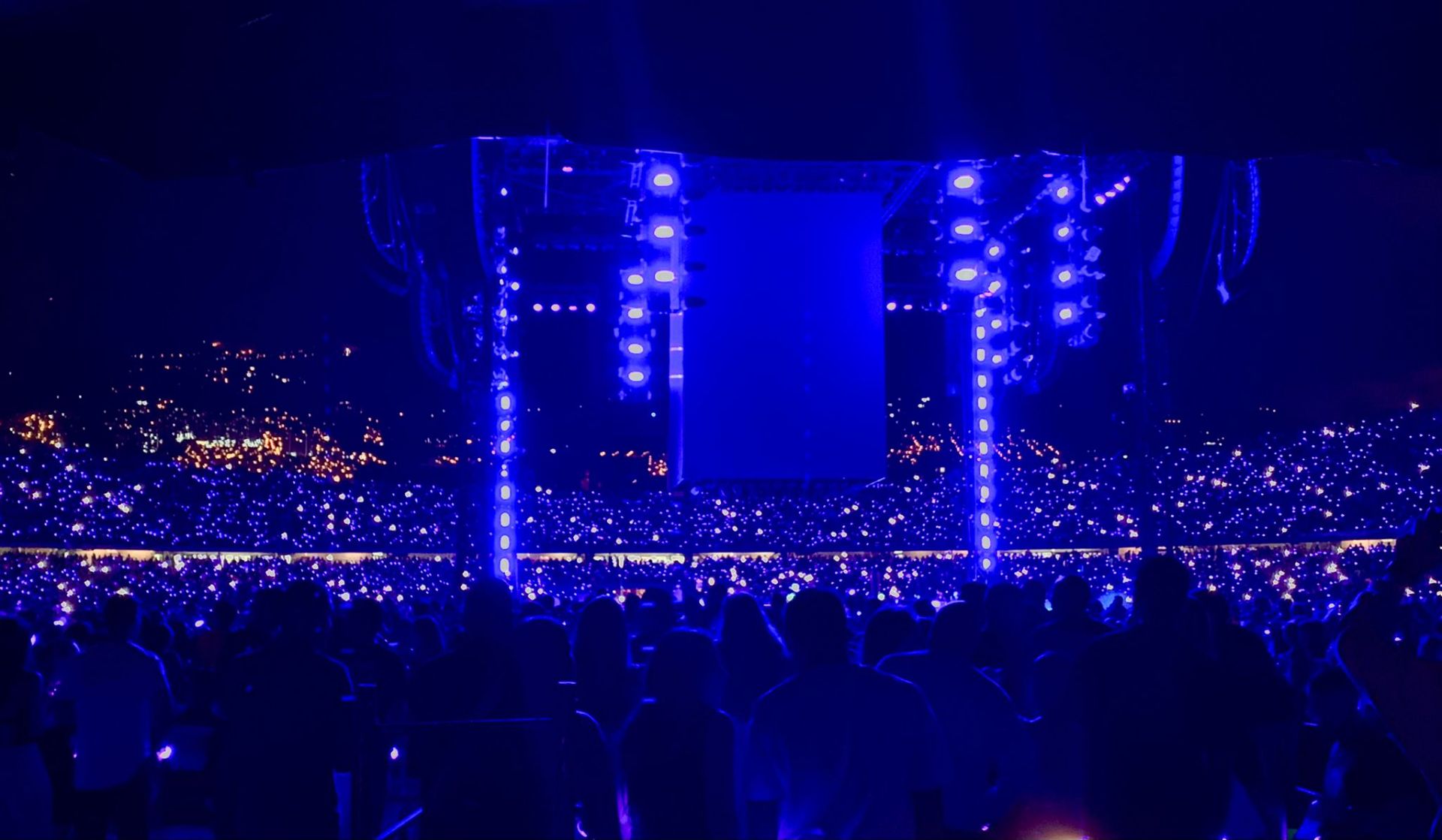
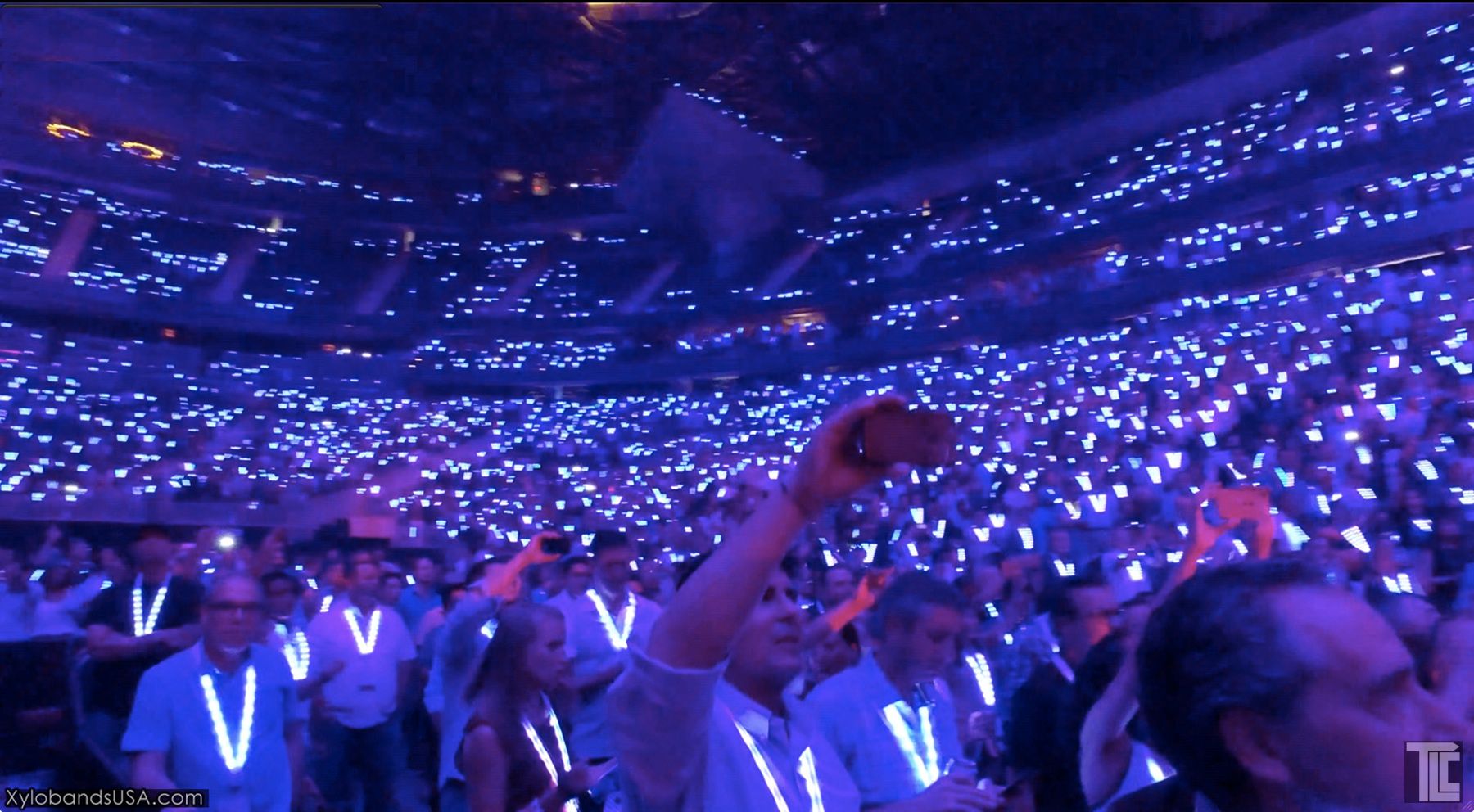
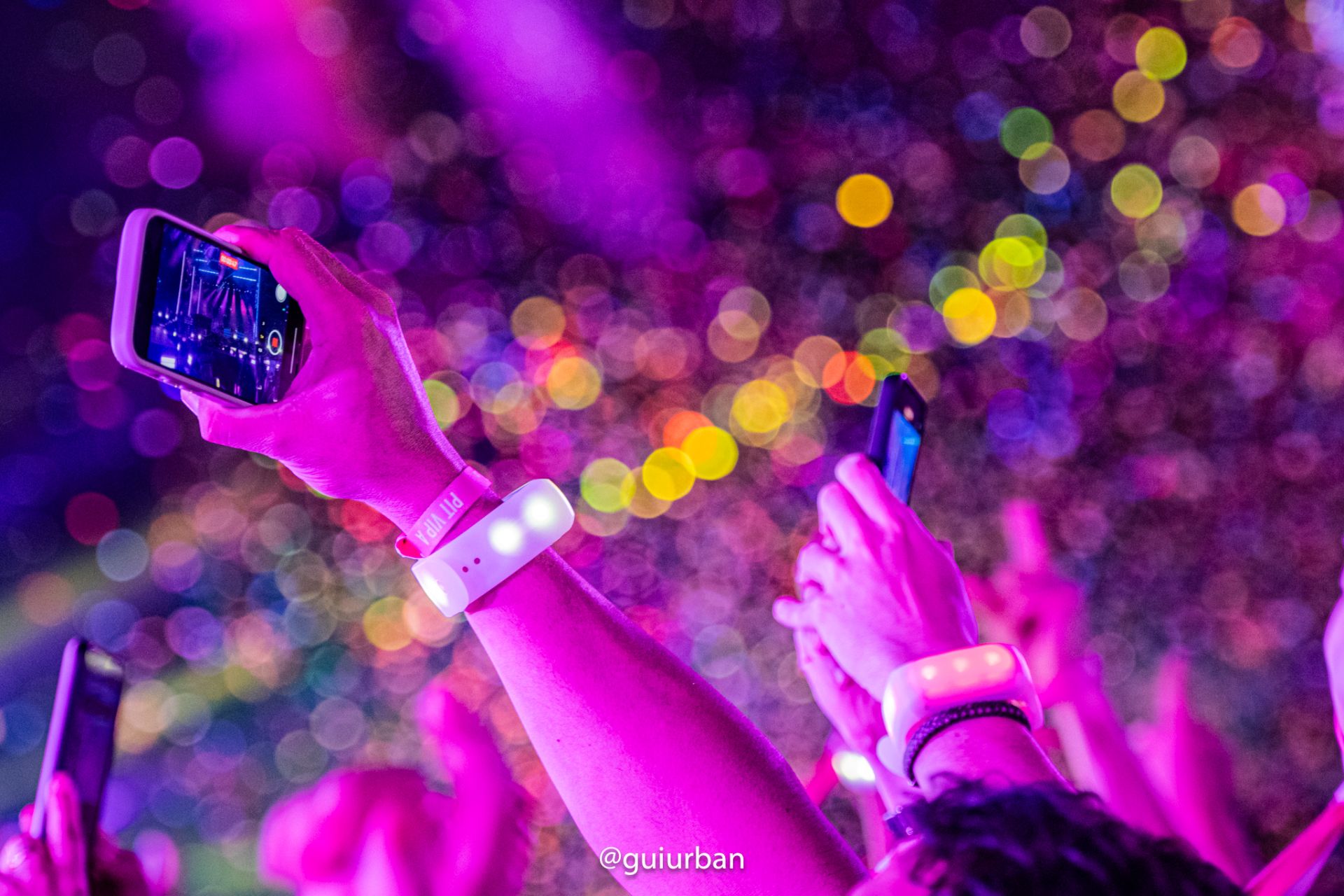
Light is one of the most powerful tools in a creative director’s arsenal. It paints the stage, directs focus, and transforms a physical space into an emotional landscape. When that light extends into the audience, it becomes a new language of connection. At Xylobands, we’ve seen this firsthand. Our journey began with a simple idea: turning every member of the audience into a part of the show with LED wristbands. This concept, first realised on Coldplay’s Mylo Xyloto tour, has since evolved into a sophisticated platform for creating immersive event technology.
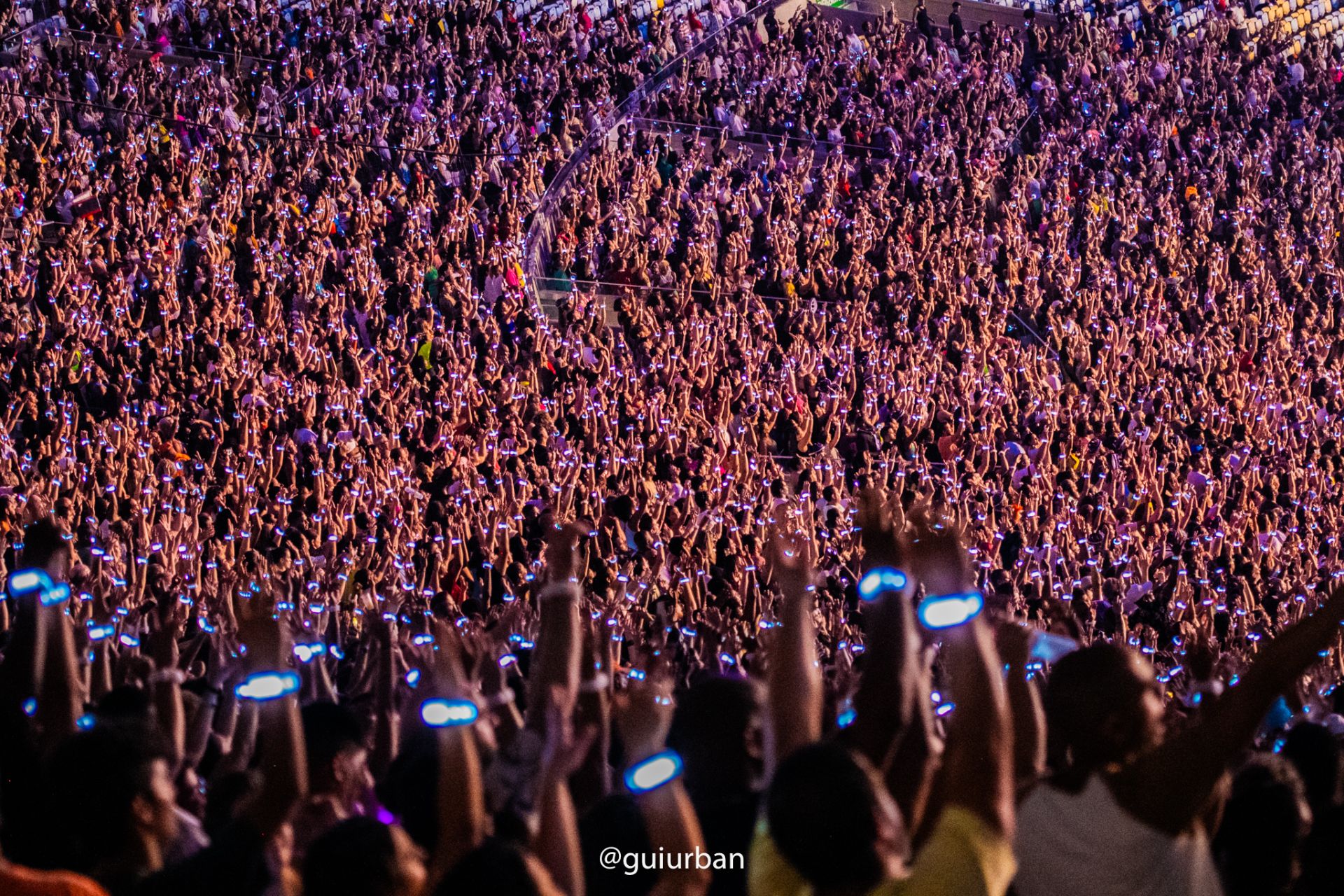
For individuals who may experience a concert differently, this shared visual language can be profoundly impactful. For audience members who are deaf or hard of hearing, the synchronised pulses of light on tens of thousands of wrists can offer a powerful, tangible connection to the music’s rhythm and energy, translating auditory cues into a stunning visual spectacle. The music becomes something that can be not just heard, but seen and felt. The entire venue throbs with a unified visual heartbeat, ensuring no one is left out of the core experience.
Designing for Sensory Diversity
The modern live event is a sensory feast. It’s loud, it’s bright, it’s kinetic. For many, that’s the appeal. But for individuals with sensory processing disorders, autism, or other forms of neurodivergence, this overload can be a significant barrier to entry. Inclusive design seeks to find a balance, offering attendees more control over their sensory environment.
This is where intelligent, controllable technology can play a transformative role. Imagine a festival environment where designated quiet zones aren’t just silent, but are complemented by softer, calming light patterns emitted from wearable tech. The same radio controlled LED wristbands that create explosive, high-energy moments during a headline set could be programmed to pulse gently in cooler, more soothing colours in other areas. This isn’t about diminishing the main spectacle but about creating a more thoughtful and accommodating overall experience.
- Personalised Experiences: Wearable tech can open doors to more personalised sensory journeys. What if an attendee could use a mobile app to slightly dim their personal device or shift its colour palette to one they find less overwhelming?
- Navigational Cues: Light can be a powerful tool for wayfinding. For large, complex venues like those used for Formula One or the Davis Cup, LED lanyards or wristbands could be used to guide attendees with colour-coded directions, reducing anxiety and confusion for those who find navigating crowded spaces challenging.
- Safety and Communication: In an emergency, using a crowd-wide lighting system to communicate clear, simple instructions (e.g., "all lights turn red") can cut through noise and confusion, offering a universal signal that transcends language and auditory barriers.
The Technology of Togetherness
Ultimately, the goal of inclusive design is to remove barriers that prevent people from connecting — with the artist, with the brand, and with each other. It’s about fostering a sense of universal participation. When everyone in the crowd at a Maluma concert or a PRIMER Music Festival is illuminated, wearing the same device, it creates a powerful visual metaphor for unity. The light doesn’t discriminate; it washes over everyone equally, reinforcing the idea that every person is a vital part of the whole.
This principle extends beyond music and into the world of corporate event activations. Brands looking to create genuinely memorable moments are realising that true engagement comes from making every stakeholder, from the front row to the back, feel seen and valued. Technology like Xylobands provides a democratic tool for participation, turning a passive audience into an active, unified canvas.
A More Radiant Future
Building truly inclusive live events is an ongoing process of learning, listening, and innovating. It requires collaboration between artists, producers, and technology partners to put human experience at the centre of every creative decision. It challenges us to think beyond the "average" attendee and design for the full, beautiful spectrum of humanity.
As we continue to push the boundaries of LED event technology, we are guided by this principle. The future of live entertainment is not just about being bigger, louder, or brighter. It’s about being more thoughtful, more intentional, and more welcoming. It’s about building a shared spectrum where every colour has its place, and every light shines as part of a magnificent, unified whole.