Universal Signals: Lighting the Way to More Inclusive Live Events
The Unspoken Contract of the Live Event
At its core, every concert, festival, or corporate keynote is built on an unspoken contract: a group of strangers agrees to share a single space and a single experience. We build stadiums as secular cathedrals and conference halls as forums for innovation, all dedicated to the power of collective presence. The magic, however, relies on that experience being truly shared. When we design overwhelmingly visual shows for the seeing and intensely auditory experiences for the hearing, we risk leaving a significant portion of the audience behind.
True inclusivity in event production goes far beyond physical accommodations like ramps and designated seating. It demands a deeper look at the very sensory language we use to tell our stories. It requires us to ask: how can we design an experience that resonates across the entire spectrum of human perception, creating a welcoming environment for guests with vision or hearing impairments, neurodivergent sensitivities, and other accessibility needs?
Light as a Universal Language
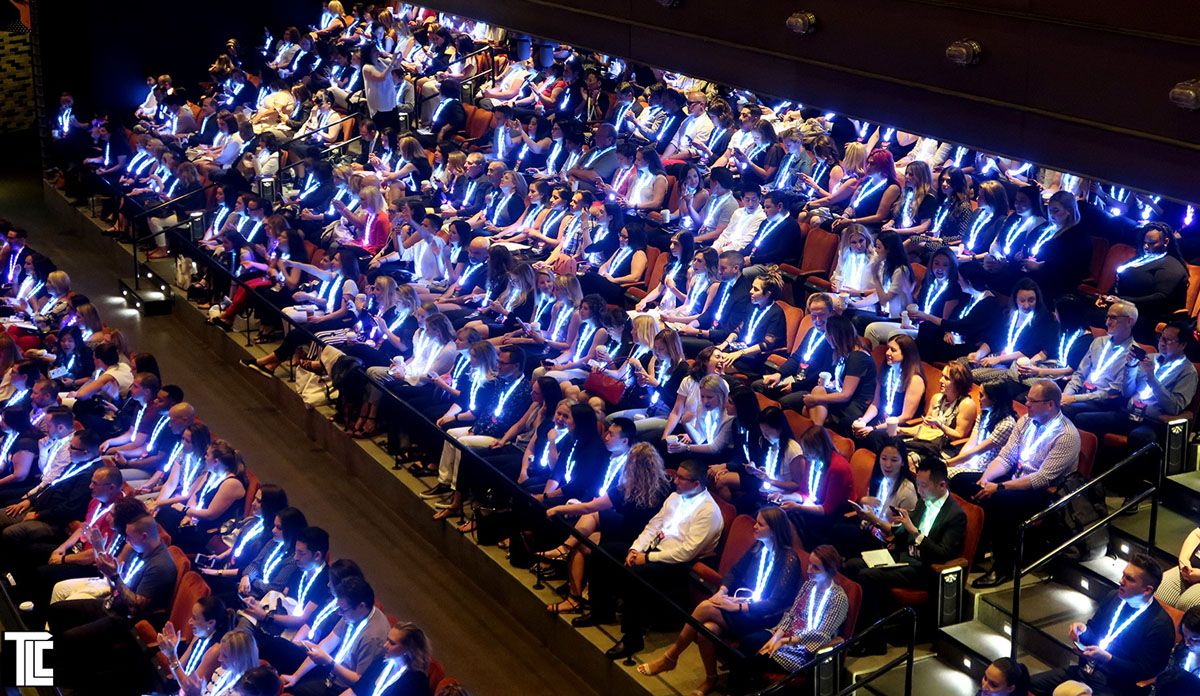
In a world saturated with noise, light offers a powerful, alternative medium. It’s a language that can be both seen and felt, translating the core emotional beats of an event into a universal signal. Modern Immersive Event Technology, particularly Wearable LED Technology, provides the tools to move beyond one-dimensional design and create a truly multi-sensory tapestry.
For an audience member with a hearing impairment, the rhythm of a song is no longer a distant vibration. It becomes a pulse of light on their wrist, a visual heartbeat perfectly synchronized with the music. The soaring crescendo of a guitar solo transforms into a wave of brilliant color washing over the arena. This isn’t merely a substitute for sound; it’s a new layer of sensory information, providing a direct, visceral connection to the performance’s energy and tempo. Suddenly, the entire crowd becomes a living light show, and everyone, regardless of auditory ability, is part of the same visual symphony.
Designing for Sensory Diversity
The applications of controlled light extend far beyond the stage. For many neurodivergent individuals, the unpredictable, chaotic, and intensely loud environment of a large-scale event can be a significant barrier to entry. The sensory overload can be overwhelming, leading to anxiety and a feeling of alienation amidst the celebration.
This is where intelligent, programmable LED Experiences become a profound tool for inclusive design. Imagine an arena where the lighting isn't just a spectacle, but a functional element of the environment's architecture:
- Wayfinding and Safety: Different colors or pulsing patterns on LED Lanyards or wristbands can guide attendees, subtly indicating exits, amenities, or low-sensory zones without adding to the cognitive load of navigating a complex venue.
- Predictable Transitions: For individuals who thrive on predictability, a slow-fade of color across the venue can signal an upcoming loud moment or pyrotechnic effect, giving them time to prepare and reducing a potential source of anxiety.
- Creating Calm: Event producers can designate specific sections as "calm zones" and use lighting to create a visually distinct, softer atmosphere. The radio-controlled LED wristbands in that area could be programmed to a gentle, slowly pulsing blue, while the rest of the arena flashes with high-energy reds and whites.
This level of granular control turns the audience from a monolithic entity into a mosaic of individual experiences, all managed from a single console. It allows designers to cater to different needs simultaneously, making the seemingly impossible task of mass-personalization a reality.
The Proof in the Spectacle
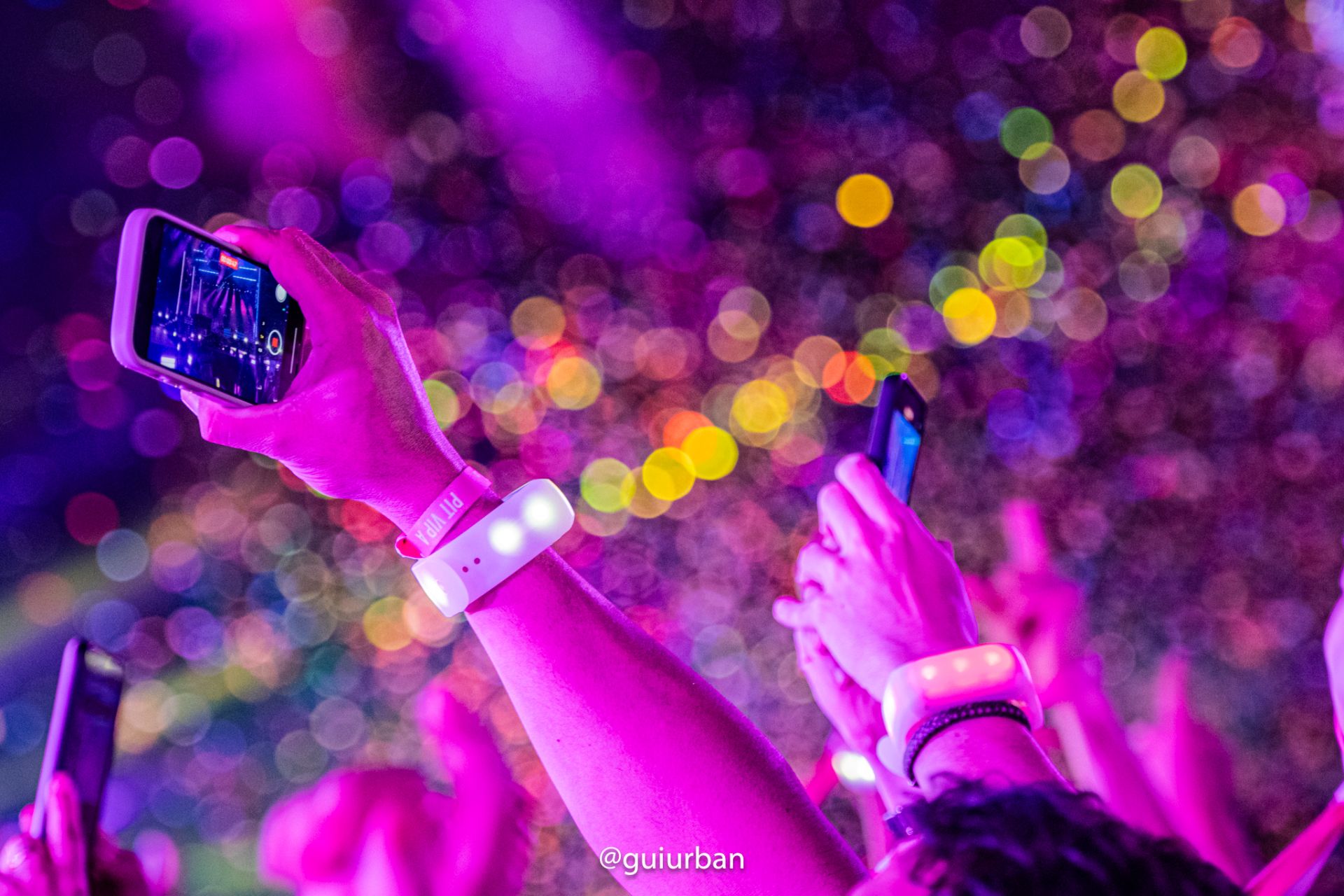
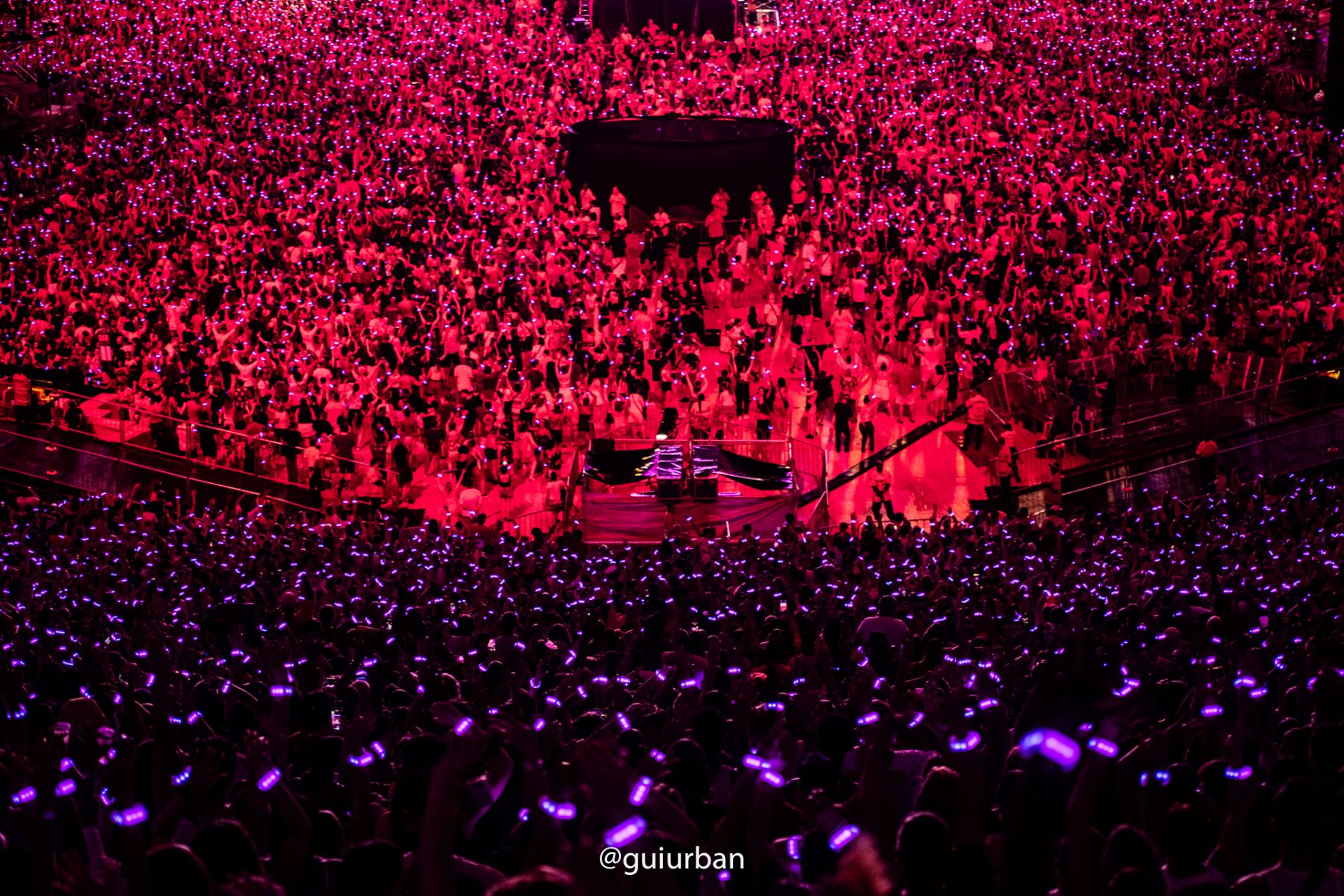
The power of this unified visual language is most evident at the largest scales. At global sporting events like the Davis Cup or landmark celebrations like Formula One’s 75th anniversary, audiences are a complex mix of nationalities, ages, and abilities. Handing each fan a programmable LED device — whether a classic Xyloband or a custom pendant — instantly creates a common denominator. It transforms tens of thousands of individuals into a single, cohesive canvas.
When every fan, regardless of the team they support or the language they speak, is illuminated in the same victory color, it fosters a powerful sense of unity. This was the vision that sparked the very first Coldplay Xylobands: turning a crowd of spectators into an integral part of the performance. This same principle allows massive Festival Wristbands to transform weekend gatherings like Greece’s PRIMER Music Festival into truly immersive events, where the boundary between artist and audience dissolves into a sea of synchronized light.
Beyond the Show: Building a More Accessible Future
Rethinking our reliance on traditional sensory cues doesn’t diminish the power of live events; it amplifies it. By embracing technologies that allow for a more nuanced and layered approach to experience design, we can break down barriers that have long excluded people from these formative cultural moments.
The future of LED Crowd Experiences is not just about creating bigger and brighter spectacles. It’s about creating smarter, more empathetic, and more human-centric ones. It’s about acknowledging that every single person in the audience experiences the world differently and using our tools not to flatten those differences, but to celebrate them. By designing with intention and leveraging the universal language of light, we can ensure that when the house lights go down, we are truly leaving no one in the dark.