The Unseen Symphony: Mastering the Technical Production of a Global Event
The Zero-Failure Mandate
In the world of large-scale live events, there is no room for error. When the house lights go down, tens of thousands of people—whether in a stadium, an arena, or a festival field—expect a flawless spectacle. For the artists, brands, and producers we work with, the show must simply work. This zero-failure mandate is the foundation of our entire operational philosophy, a principle that governs every step of a global technical rollout, from initial creative conversations to the final pulse of light in a sold-out venue.
Executing these LED crowd experiences is an undertaking of immense complexity, a ballet of logistics, technology, and human expertise. It’s a process that begins months, sometimes years, before the first truck arrives on site, and it involves a chain of custody that is as robust as the technology itself.
From Blueprint to Reality: The Logistical Chain
Every project, whether for a multi-night arena run with an artist like Wizkid, a high-octane celebration for Formula One, or a broadcast-critical production for ITV, begins with a single point of truth: the creative vision. But turning that vision into a tangible, synchronized experience for a crowd of 50,000 requires a military-grade logistical operation.
1. Inventory & Preparation
The journey starts at our headquarters. Here, our inventory of millions of LED wristbands, LED lanyards, and other wearable LED technology is meticulously managed. Before a single unit is packed, it undergoes rigorous testing and programming. Each device is flashed with the correct firmware and prepared for the specific radio-frequency (RF) or infrared (IR) environment of the destination venue. For a multi-team event like the Formula One 75th-anniversary show, this meant creating custom Xylo Pendants with unique branding for ten different teams and various hospitality tiers—a complex matrix of design and technology that had to be perfect long before the event.
2. The Art of the Carnet: Navigating Global Customs
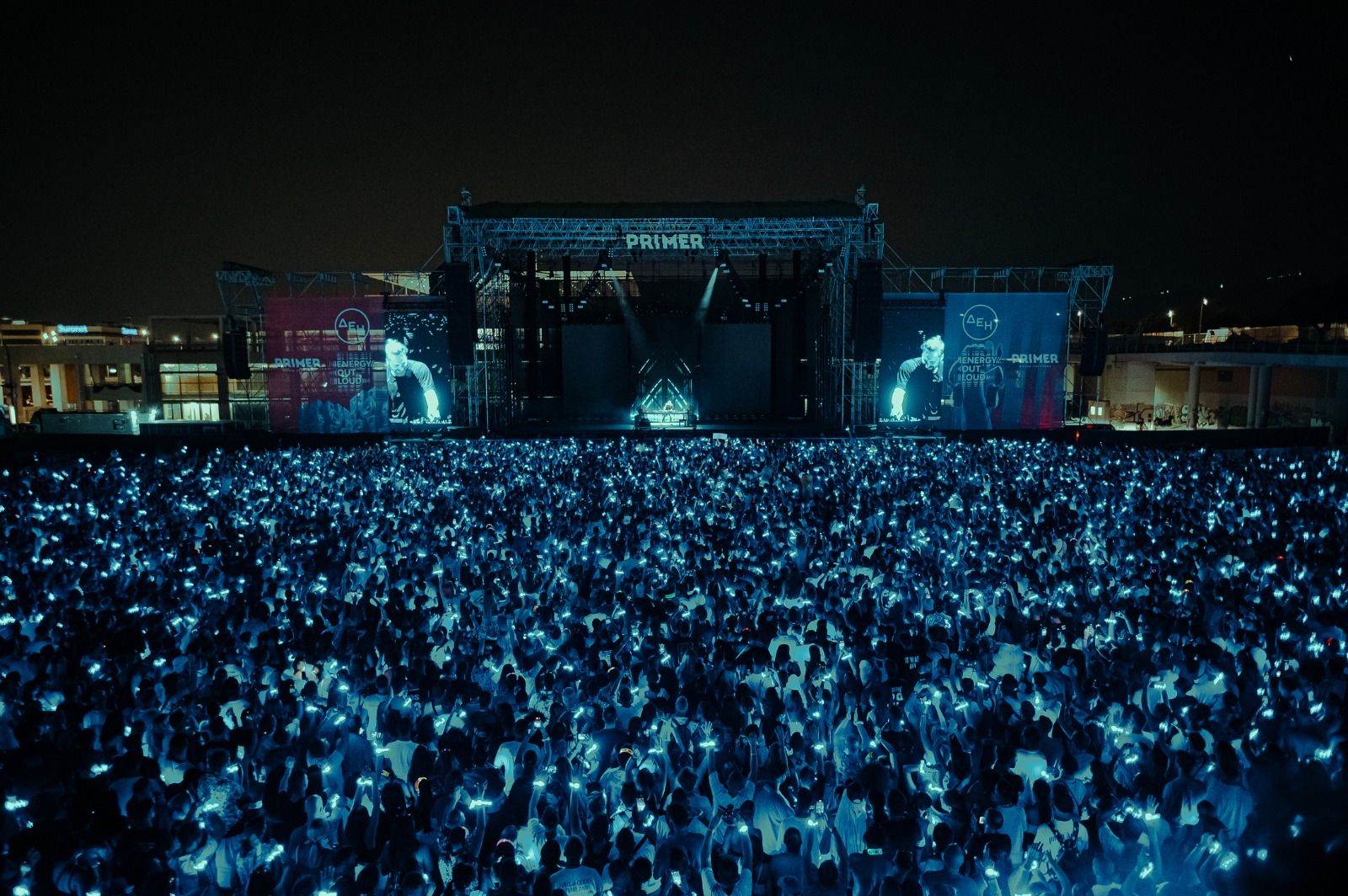
Shipping hundreds of flight cases packed with high-tech electronics across international borders is a specialized discipline. Our logistics teams are masters of the ATA Carnet, the "passport for goods" that allows temporary importation of equipment without duties or taxes. This process is unforgiving. A single miscategorized item or incorrect serial number can leave an entire production stranded in customs for days, jeopardizing the whole event. We manage this process with painstaking precision, ensuring our gear moves seamlessly from our UK base to locations as diverse as Medellín for Maluma’s homecoming concert or Athens for PRIMER Music Festival.
Deployment: The On-Site Execution
Once the equipment arrives, the on-site operation begins. This is where months of planning meet the unforgiving reality of a live production environment. Our deployment is broken into two key phases: distribution and technical setup.
Distribution (Distro): The Human Element
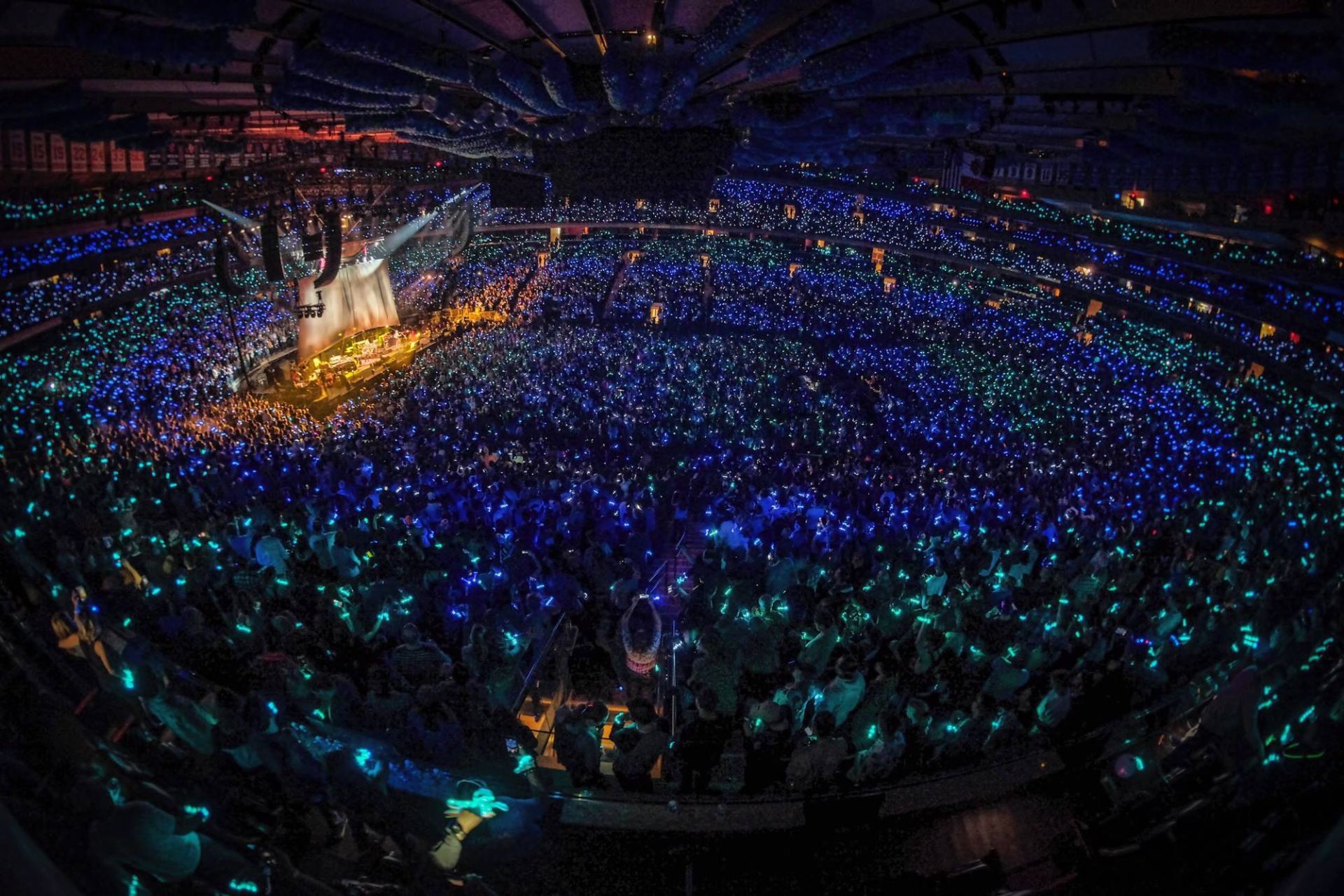
For many shows, the creative design depends on specific wristbands being in specific seats to create complex visuals—what we call "seat-mapping." This requires a highly organized distribution team. For the F1 75 event at The O2 Arena, our distro team strategically placed 13,000 pendants based on a precise plan from the creative team. This "human algorithm" ensures that when the lighting director triggers a cue, the intended ripple of light across a specific seating block happens exactly as designed. The process is a race against time, completed in the hours between the venue being cleared from the previous night and doors opening to the public.
Technical Setup & Programming
Parallel to the physical distribution, our technical specialists are integrating our systems with the main event production. This involves:
- RF Environment Analysis: Every venue is a storm of radio signals from broadcast cameras, security radios, and Wi-Fi networks. Our first step is to conduct a spectrum analysis to find a clean, reliable frequency for our transmitters, ensuring our signal cuts through the noise.
- Transmitter Placement: We strategically place our network of transmitters to ensure 100% coverage of the audience area, from the front row to the highest seats in the rafters. The goal is total signal saturation, leaving no dead spots.
- Cue-Stacking & Integration: Our lighting operator works hand-in-glove with the show’s overall lighting director. We program our cues into a console (often a GrandMA or similar), allowing the LD to trigger our LED experiences as a seamless part of their broader design. This could mean a massive, venue-wide colour wash for one song, or a rapid-fire chase effect synchronised to a specific drum fill. This is the heart of the artist-tech collaboration.
The Moment of Truth: Show Time
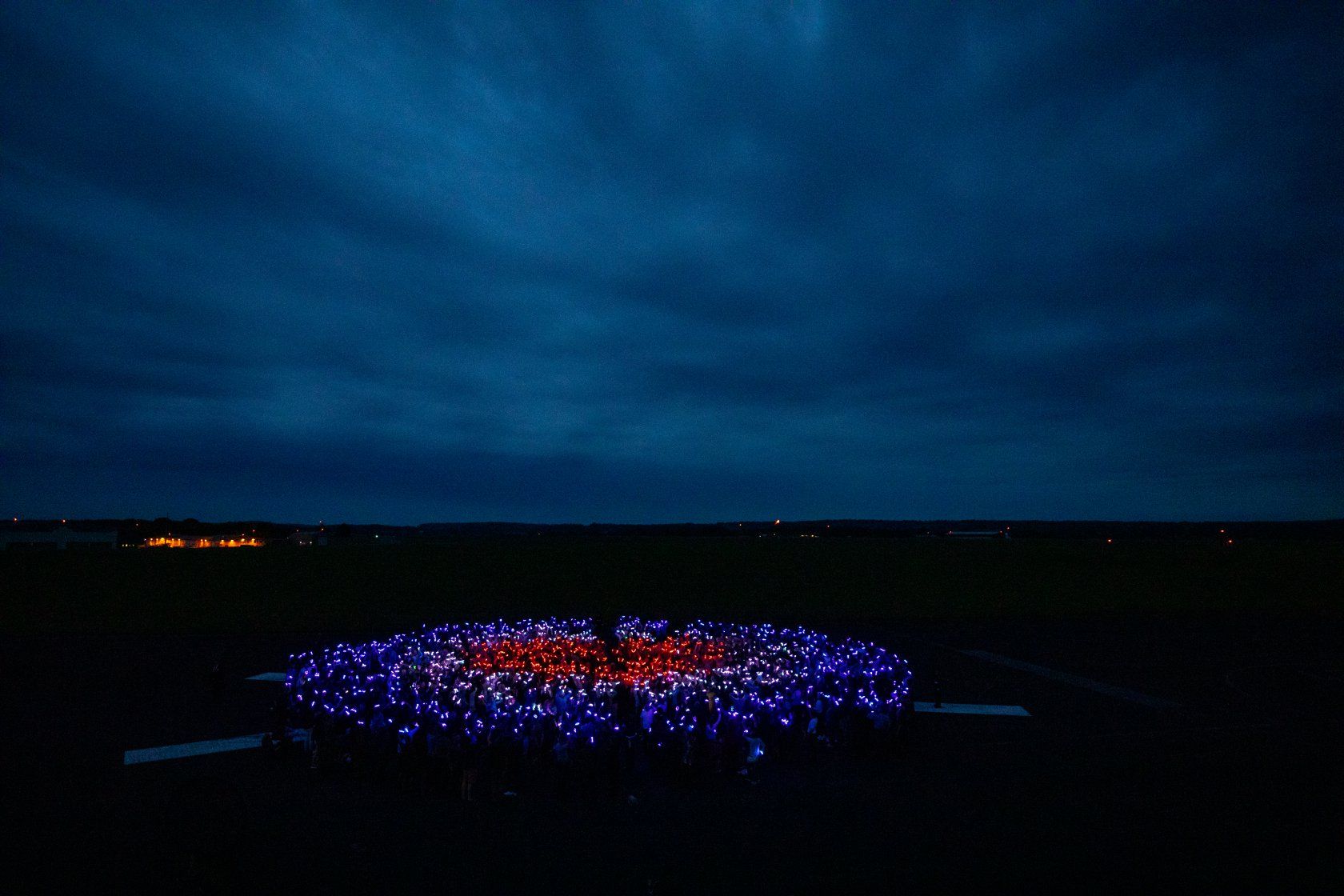
When the show begins, all of this preparation comes down to a series of button pushes. The operator, following the show’s timecode and cues, triggers the programmed effects. The signal radiates from the transmitters, and tens of thousands of concert wristbands or pendants ignite in perfect unison. For the audience, it’s a moment of pure magic. For our team, it’s the successful execution of a global symphony of logistics and technology.
From the high-stakes world of live broadcasts for clients like the BBC and ITV to the raw energy of a stadium tour, the underlying principles are the same: meticulous planning, technical mastery, and an unwavering commitment to a zero-failure rollout. It’s this unseen, behind-the-scenes discipline that makes the unforgettable moments of connection and immersion possible. The audience doesn’t see the flight cases, the frequency scans, or the distro maps. They just feel the light. And that’s exactly how it should be.