The New Frontier of Fan Engagement: Reimagining the Half-Time Show
The Stadium as a Stage: More Than Just a Game
For decades, the half-time show was a predictable interlude—a marching band, a few cheer routines, a brief moment to grab a hot dog. It was a pause in the action, not the main event. Today, that script has been completely rewritten. The modern half-time show is a high-stakes, multi-million-dollar production, a cultural phenomenon where sport and spectacle collide. It’s a space where artists like Madonna, appearing alongside Maluma in his hometown of Medellín, can create global moments that are streamed to millions.
This evolution has transformed the stadium from a simple sports venue into a dynamic stage for immersive entertainment. The challenge for producers and choreographers is no longer just about what happens on the field, but how to engage every single person in the stands. The goal is to create a unified, unforgettable experience that makes 80,000 people feel like part of a single, electrifying moment.
Choreography Beyond the Sidelines
Traditionally, choreography in a sports context was confined to the cheerleaders or the on-field performers. But as technology has advanced, the definition of choreography has expanded to include a new and powerful element: the crowd itself. This is where the concept of LED crowd experiences comes into play.
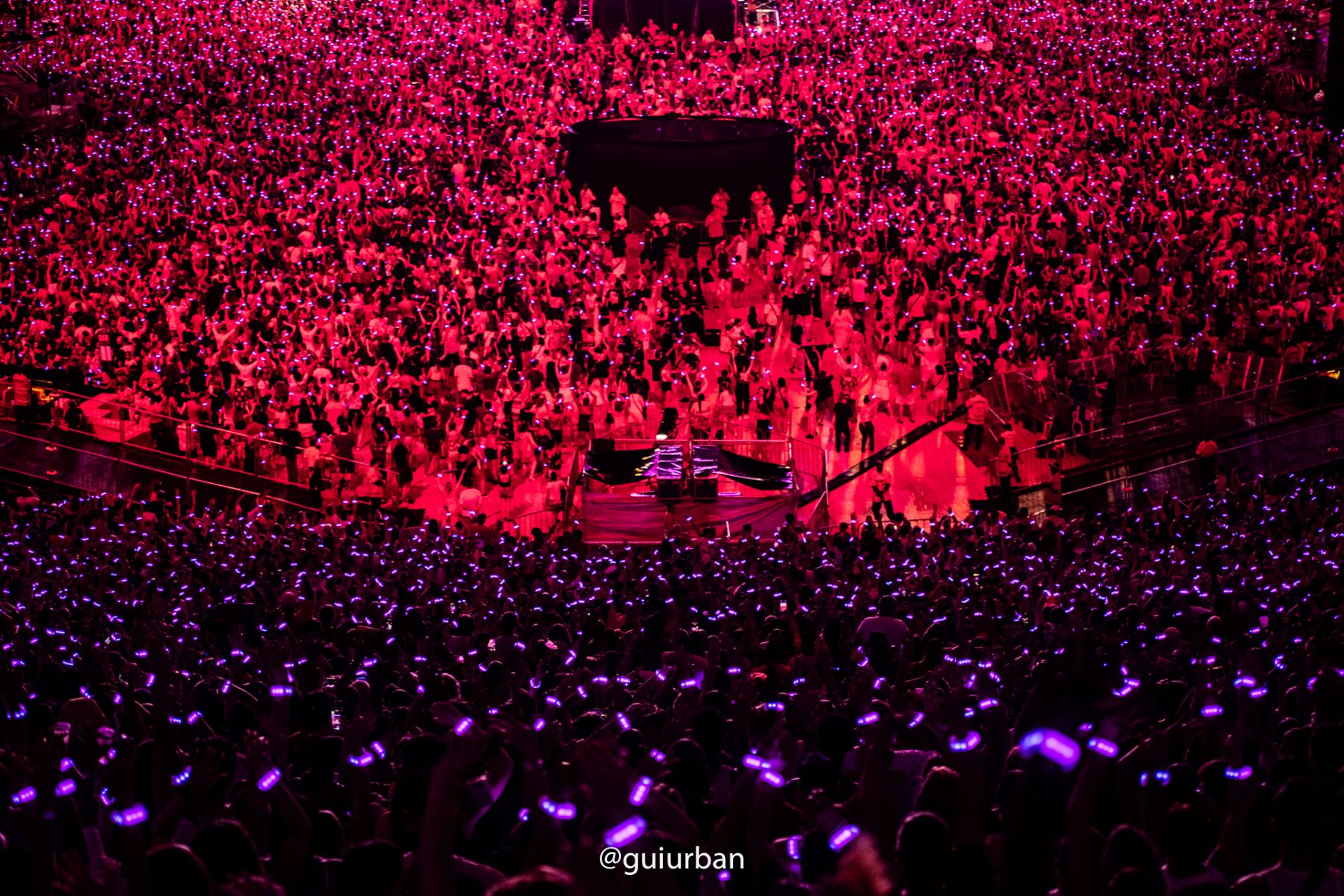
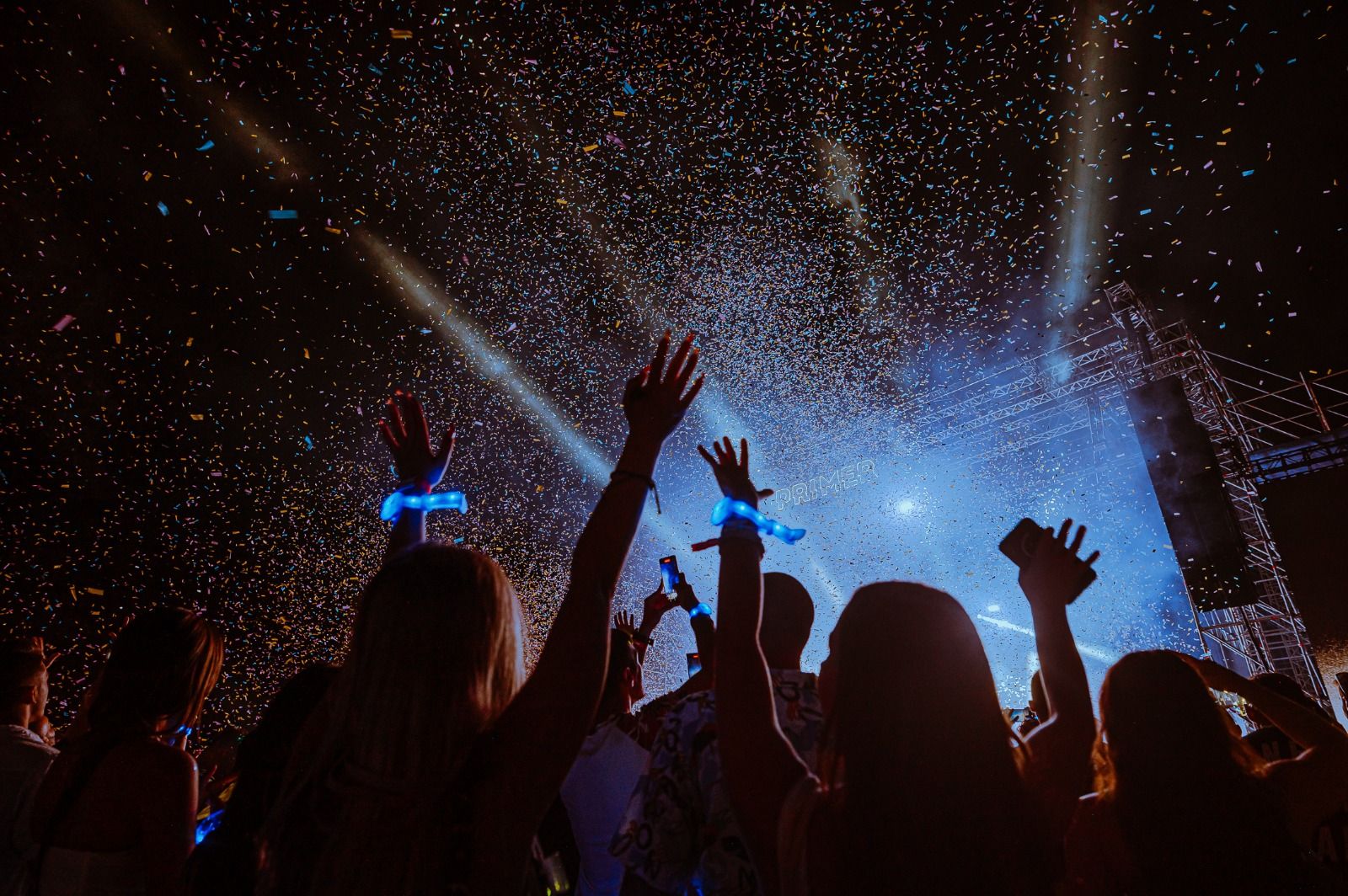
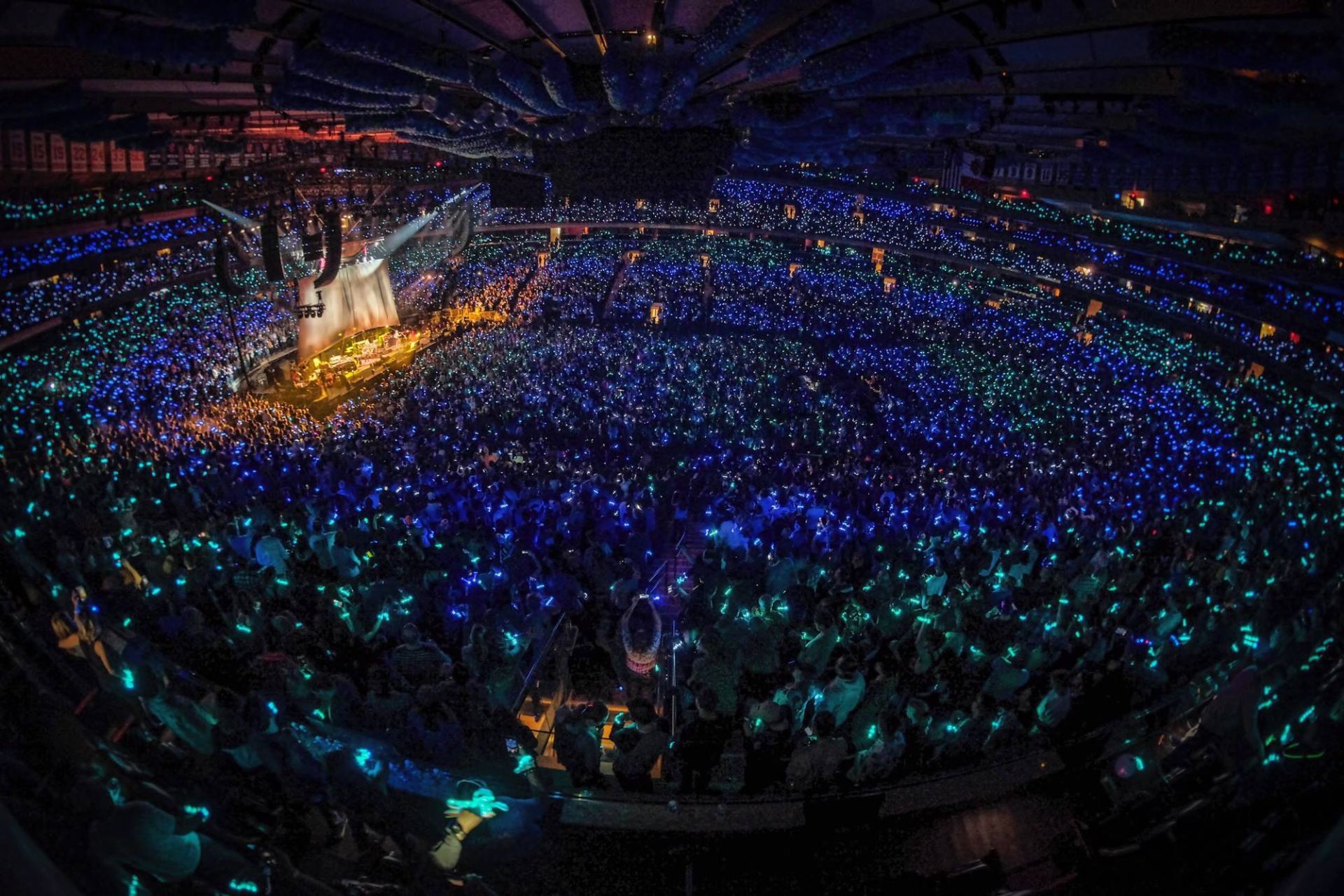
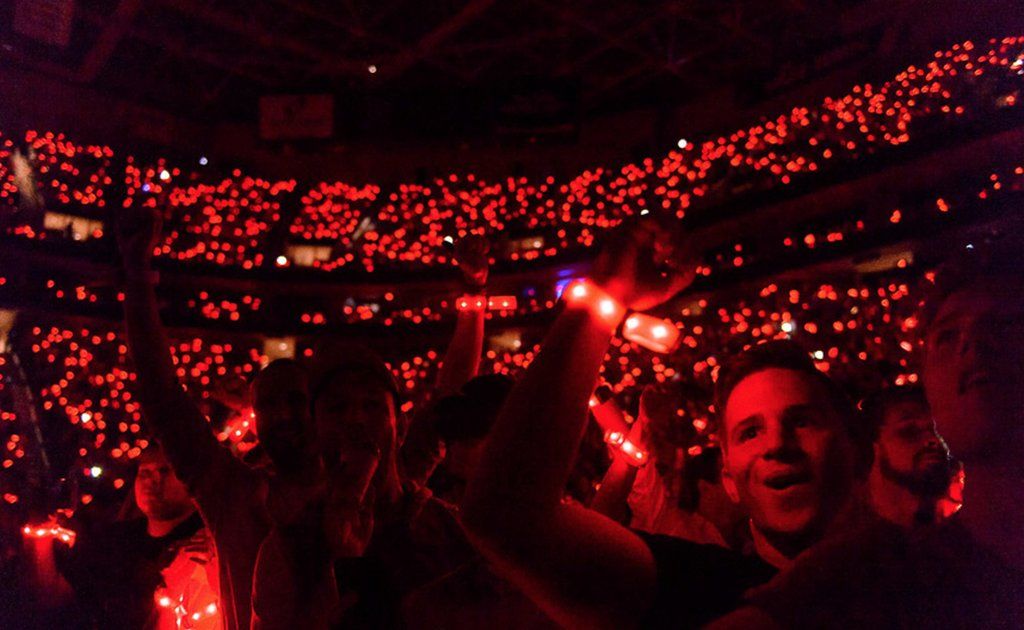
By equipping attendees with radio-controlled LED wristbands or other wearables, creative directors can essentially transform the audience into a vast, living canvas of light. Suddenly, the entire stadium bowl becomes an extension of the on-field performance. This isn't just about passive viewing; it's about active participation. The crowd becomes an integral part of the show's design, their synchronized pulses of light painting the arena in team colors, reacting to a game-changing play, or pulsing in time with a headlining artist's music.
This shift requires a new kind of creative thinking. Choreographers are now designing for a 360-degree environment, considering sightlines not just to the 50-yard line, but from every seat in the house. The rhythmic flash of thousands of Xylobands becomes a tool as vital as any pyrotechnic or video screen.
The Technology of Unity: Engineering Shared Moments
The power of this technology lies in its ability to foster a profound sense of unity. When thousands of individual lights flash in perfect unison, it creates a powerful psychological effect, reinforcing the feeling of a collective identity. This is the essence of immersive event technology—it bridges the distance between the individual and the crowd, making each person feel seen and connected to the whole.
This principle is visible in events far beyond traditional sports. At major motorsport celebrations like Formula One's 75th anniversary, custom LED lanyards were used to differentiate sections of the crowd while unifying them in the overall spectacle. Each fan, whether a general admission ticket holder or a hospitality guest, became a pixel in a larger masterpiece of light, all synchronized with performances by artists like Take That and MGK.
Similarly, at the Davis Cup—the “World Cup of Tennis”—the technology helps amplify the national pride and passion inherent in the competition, turning the stands into a throbbing, visual representation of the crowd's energy. It transforms spectators into participants, their collective excitement manifested as a synchronized light show.
From the Pitch to the Living Room
The modern half-time show is designed for two distinct audiences: the fans in the stadium and the millions watching at home. This dual focus presents a unique creative and technical challenge. The experience must be spectacular in person while also translating effectively to the broadcast. This is where lighting and wearable tech truly shine.
Radio-controlled LED wristbands are inherently camera-friendly. The sweeping patterns of light, the waves of color washing over the crowd—these moments create stunning visuals that elevate the broadcast, making the at-home viewer feel the scale and energy of the event. It’s a technique honed not just in stadiums, but in television studios for shows like ITV’s *Beat The Chasers*, where lighting is calibrated to create drama for both the live audience and the cameras.
By turning the crowd into a dynamic backdrop, producers can create a richer, more visually compelling broadcast that captures the electric atmosphere of being there live. It’s a powerful tool for storytelling, adding another layer of visual excitement to the half-time narrative.
The Future of the Fan Experience
As we look ahead, the integration of technology into the live sports experience will only deepen. The half-time show will continue its evolution from a brief diversion to a fully immersive, co-created spectacle. The focus will remain on breaking down the barriers between the performer and the audience, using tools like custom LED wristbands and other LED wearables to forge a deeper connection.
The stadium is no longer just a venue for watching a game; it is a platform for shared experience, a canvas for collective expression. By placing the power of light directly in the hands of the fans, we are not just choreographing a show; we are choreographing a community. We are transforming passive spectators into an active, unified, and illuminated part of the main event.