The Slow Hunch: How Breakthroughs in Live Events Really Happen
The Myth of the Eureka Moment
Our industry loves a good origin story. We romanticize the lone inventor, struck by a flash of genius that instantly changes everything. It’s a compelling narrative—the bolt of lightning, the scribble on a napkin, the sudden, world-altering “Eureka!” But in the trenches of live event technology, where engineering, logistics, and creative vision collide, the reality of innovation is far less dramatic and infinitely more interesting.
Breakthroughs are rarely a single event. They are the culmination of what writer Steven Johnson calls the "slow hunch"—a fledgling idea that needs time, collaboration, and a specific environment to mature. This is the truth of our work at Xylobands. The journey from a simple idea to a piece of robust, tour-ready immersive event technology is not a sprint; it’s a marathon of prototyping, field-testing, and relentless refinement. It’s a culture, not an accident.
From Festival Field to Global Stadium
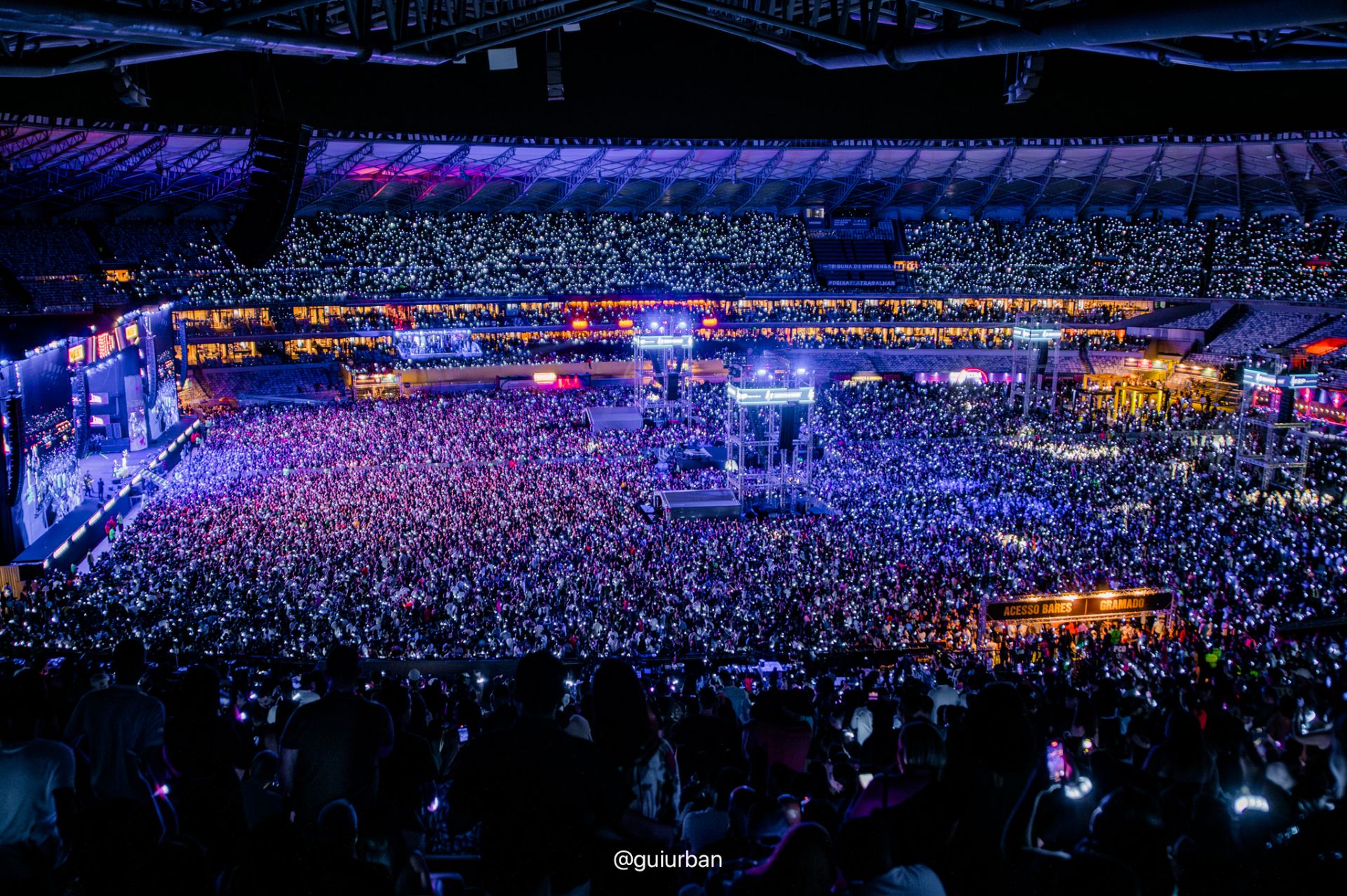
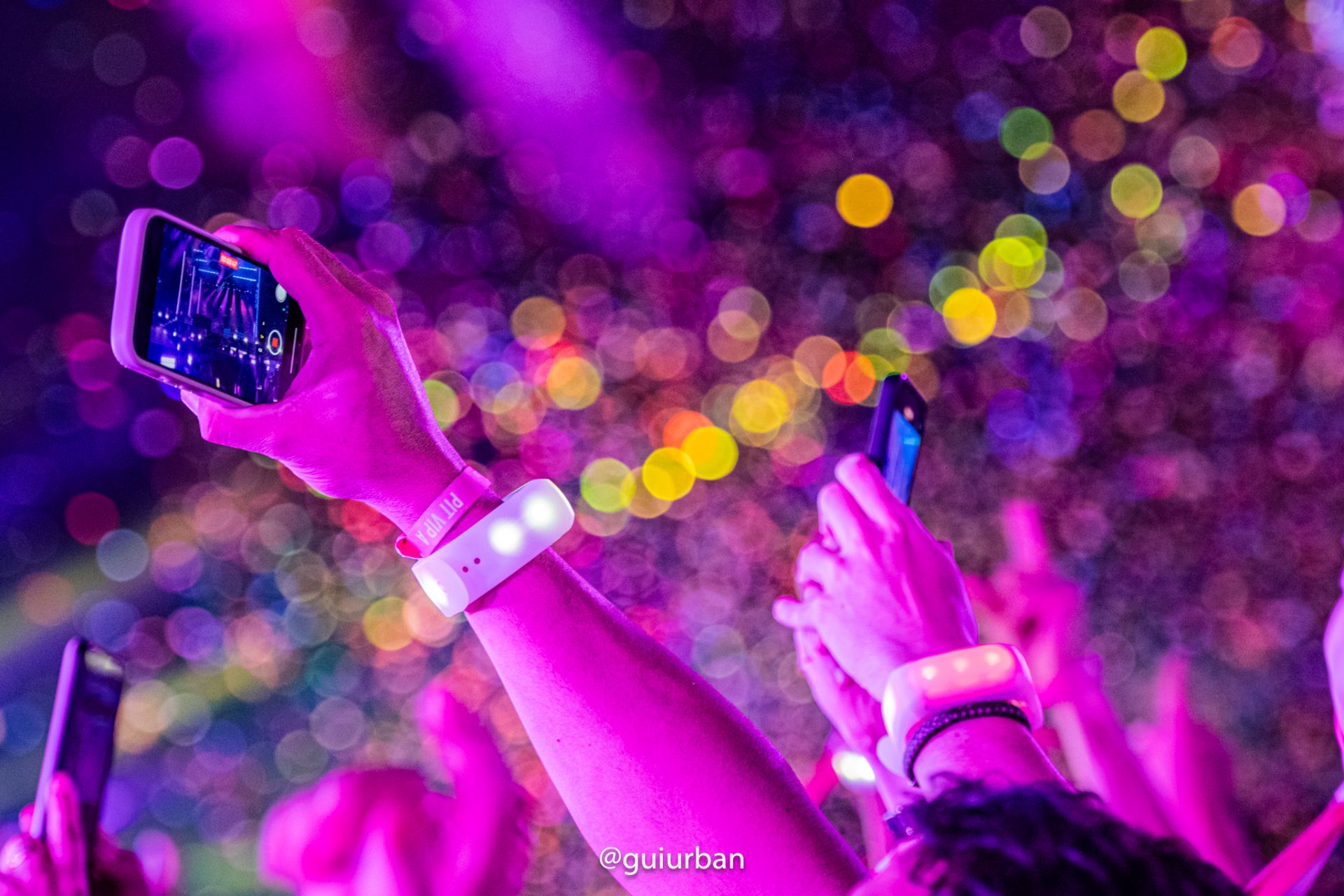
The story of our own genesis is a perfect example. The initial idea for Xylobands was born from a powerful emotional response to music at a festival, a vision of turning a crowd into a canvas of light. But a vision isn’t a product. The real work began when that raw idea was brought back to the workshop. How do you translate a feeling into a functioning radio-controlled LED wristband? How do you ensure it works flawlessly for 50,000 people, not just five?
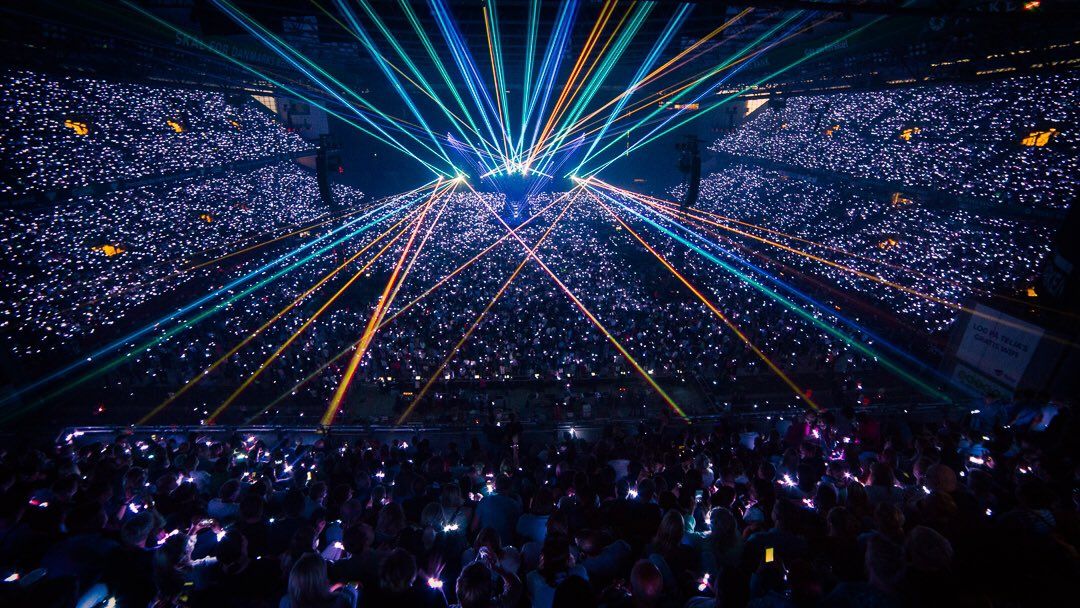
This is where R&D culture takes over. The first prototypes were just the beginning. The subsequent evolution was driven by a continuous feedback loop between our design team, our clients, and the live environment itself. The demands of a world tour with Coldplay, the specific broadcast requirements for a TV event like Beat The Chasers UK, or the sheer scale of a stadium show for an artist like Maluma—each presented a unique set of problems. And every problem is an R&D opportunity.
The solutions don’t come from one person in a locked room. They come from a culture of persistent, collaborative inquiry. They emerge from technicians on the ground, from programmers pushing the limits of our software, and from conversations with the creative directors who dream of what could be possible.
The Discipline of Curiosity
A thriving R&D culture isn’t about having a single "innovation department." It